Plizio Visual Lab
Pangong Tso
ℹ️Practical info — Pangong Tso
▾
🌤 Weather — 5 days
📍 Nearby
Sights nearby
Water temperature…
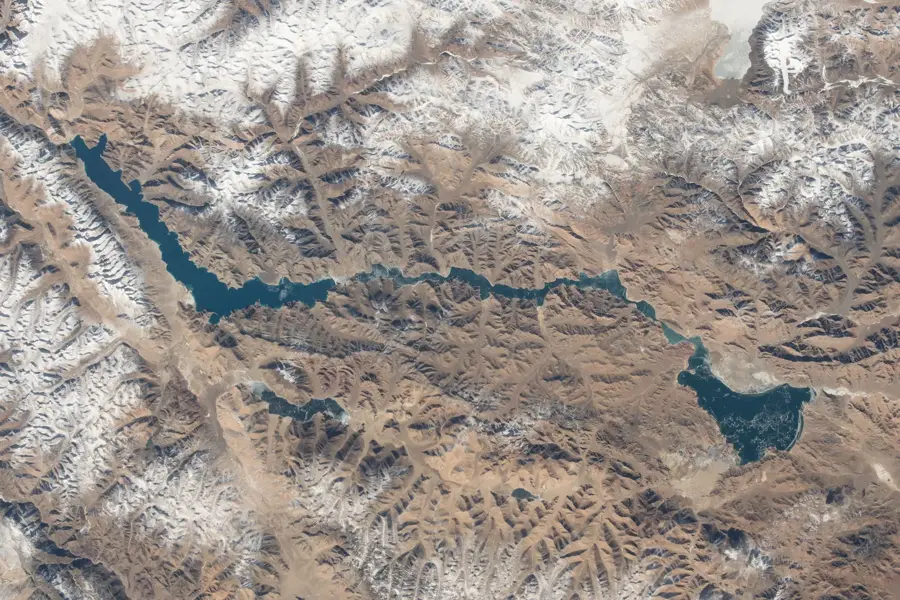
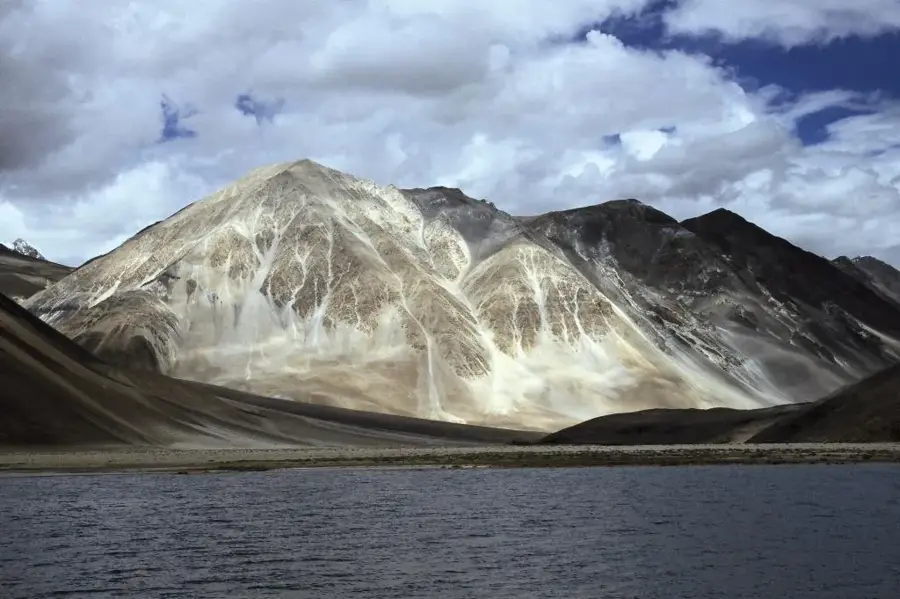
Pangong Tso is one of the highest salt-water lakes in the world, standing as a crown jewel of the Ladakh region. The lake is most famous for its ability to change colors, shifting between deep blue, turquoise, and light green throughout the day. Surrounded by barren, snow-capped Himalayan peaks, it provides a surreal landscape that gained global fame following the Bollywood blockbuster '3 Idiots.' The environment here is pristine and rugged. While the water is saline and supports no fish, the lake is a vital breeding ground for migratory birds. Visitors flock here for the absolute tranquility and the impressive night sky, which is great for astrophotography. Local food in the lakeside camps is simple but comforting, featuring Tibetan staples like Thukpa and Momos, which provide warmth in the thin mountain air. Reaching the lake requires a 5-6 hour drive from Leh, crossing the formidable Chang La pass, one of the world's highest motorable roads. Travelers need an Inner Line Permit to visit. The best time to travel is between May and September. During winter, the lake freezes completely despite being saline, and the region becomes largely inaccessible due to heavy snowfall and extreme cold.
- Location: India
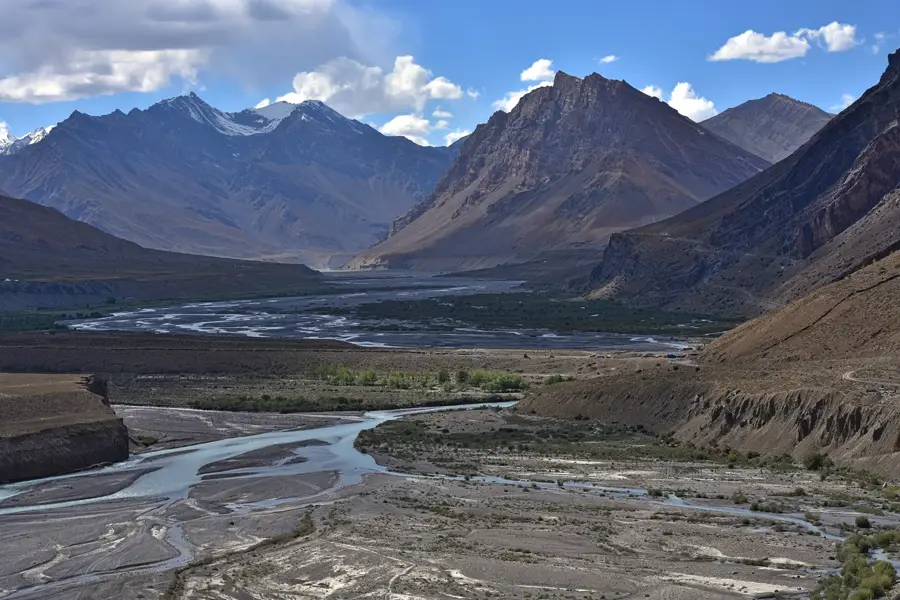
- Nearby: Spiti Valley (84 km)
Geography
Facts
- Situated at an altitude of about 4,250 meters
- 134 km long, extending from India to China
- Saline water that freezes completely in winter
- Famous filming location for the movie '3 Idiots'
- Important breeding ground for black-necked cranes
- Accessible via the high Chang La pass
- Inner Line Permit is mandatory for all visitors
- Known for its magical color-changing waters
Explore nearby
Notable places around
Route planner — Car & Motorhome
Where do you start? We build the route here, with stops and country notes along the way.
© OpenStreetMap contributors · OpenRouteService
Frequently asked questions
Pangong Tso: where is it located?
Pangong Tso: why is it worth visiting?

Nearby cities
More places