Plizio Visual Lab

Búrfell
Plizio editorial teamData Sources
peak
—°1
Búrfell (Iceland)

Weather…

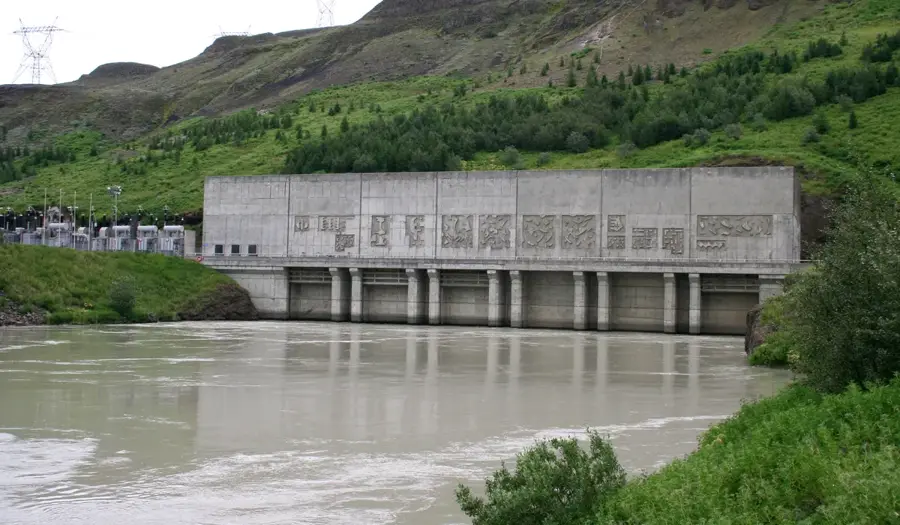
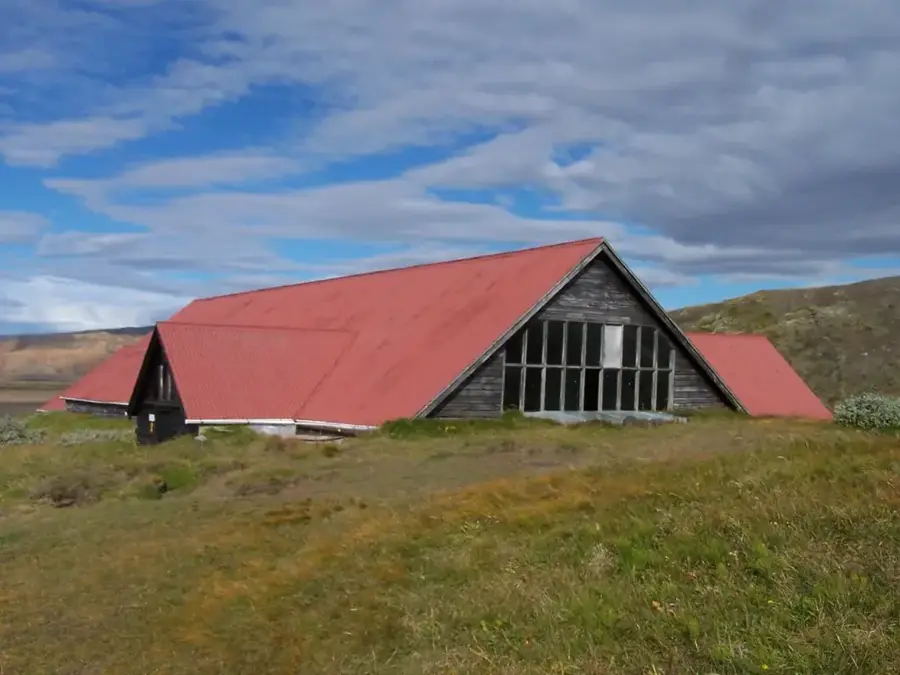
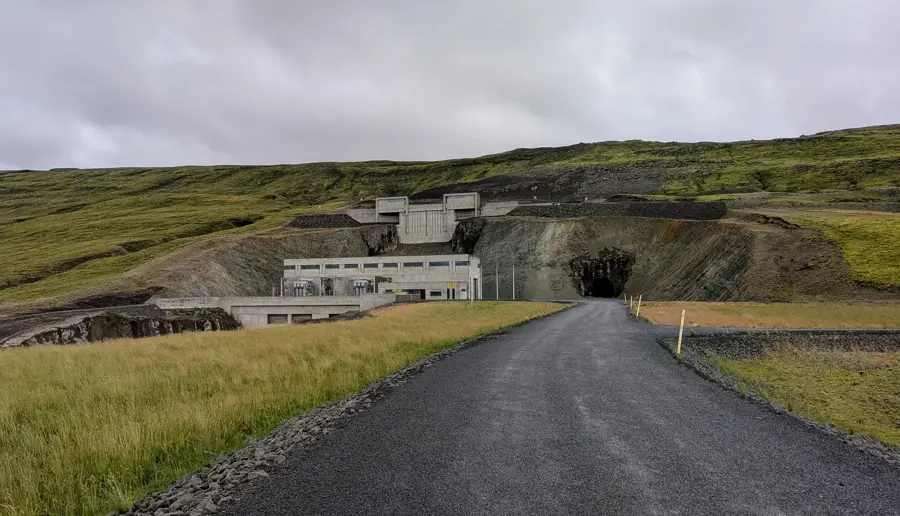
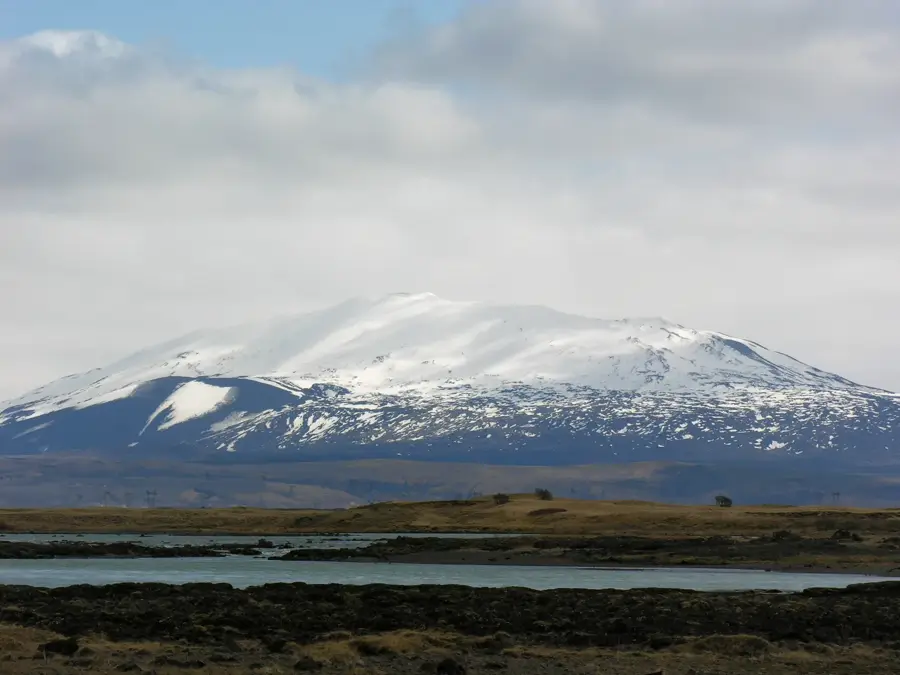
Búrfell is a prominent table mountain (tuya) in southern Iceland, formed by volcanic eruptions beneath a glacier during the last Ice Age. It is located in the Þjórsá river valley and is known for its steep flanks and flat summit plateau, which reaches a height of 669 meters. Geologically, the mountain consists primarily of palagonite breccias and basalt, characteristic of Icelandic table mountains. Directly at the foot of the mountain lies one of Iceland's most important hydroelectric power plants, Búrfellsvirkjun, which harnesses the energy of the Þjórsá and has been in operation since 1969. Nearby is also the reconstructed Viking farm Stöng, which was destroyed during the eruption of the nearby Hekla volcano in 1104. Hiking trails lead up to the plateau, offering expansive views over the highlands and the Hekla volcano. Búrfell serves not only as a geological landmark but also as a symbol of Iceland's successful utilization of geothermal and hydraulic energy sources.

Best time to visit & climate

The most pleasant time to visit is Jun–Aug.

JanFebMarAprMayJunJulAugSepOctNovDec
Avg °C-3-3-20489862-2-3
Rain mm1921751691309692111119183156162194

📋 Practical info

🧭
Getting there
This distinctive table mountain is accessed via roads leading through southern Iceland near the mighty Þjórsá River. Travelers typically drive to the designated staging areas near the historical sites and power stations at the mountain's base.
📅
Best season
Hiking to the flat top is most enjoyable during the summer months when the paths are dry and daylight is abundant. Winter brings harsh conditions and icy slopes, making the ascent significantly more challenging and less advisable.
⛰️
Terrain & paths
The trail winds up the sides of the table mountain, featuring a mix of grassy lower slopes and rocky, uneven sections near the top. Once the summit is reached, the terrain levels out into a wide, flat expanse typical of such formations.
🎒
What to bring
Durable hiking boots are required to comfortably navigate the rocky ascents and uneven sections of the trail. Since the flat top is completely exposed to the elements, bringing a reliable windbreaker and extra warm layers is essential.
🅿️
Parking
Parking is typically available near the trailheads located at the base of the mountain, often close to local historical or energy facilities. These designated areas offer a safe place to leave vehicles before starting the ascent.
⚠️
Safety
Hikers should be cautious of strong winds, especially upon reaching the flat, exposed summit where there is no natural shelter. Care should also be taken on the rocky sections of the descent, which can become slippery if it rains.
⏱️
Time needed
The hike to the summit of the table mountain and back generally takes around three to five hours at a moderate pace. Visitors often spend extra time exploring the expansive flat top and taking in the sweeping views of the river valley.

Geography

Coordinates
64.08330, -19.83330

Facts

  • A table mountain (tuya) reaching 669 meters in height.
  • Formed by subglacial eruptions during the last glacial period.
  • Site of the Búrfellsvirkjun power plant, operational since 1969.
  • Located within the valley of the Þjórsá, Iceland's longest river.
  • Offers a panoramic view of the frequently active Hekla volcano.
  • Close to the historic reconstructed Viking longhouse at Stöng.

Explore nearby

Notable places around
Route planner — Car & Motorhome

Where do you start? We build the route here, with stops and country notes along the way.

Vehicle
Only stops with (optional):

© OpenStreetMap contributors · OpenRouteService

Sights in the town Búrfell (1)

Búrfell📍 landmark

A distinctive mountain peak in Iceland known for its flat-topped shape.

Sights nearby

Frequently asked questions

What is Búrfell?
A prominent tuya (table mountain) located in the Þjórsárdalur valley in South Iceland.
Can you hike the mountain?
Yes, there are trails to the summit that offer great views of the surrounding landscape.
What is located nearby?
The Búrfellsvirkjun power plant and the reconstructed Viking farm Þjóðveldisbærinn.
Is the trail steep?
The ascent is steep in parts but manageable for hikers with average fitness.
What view can you see from the top?
You can see the Þjórsá river, Hekla volcano, and parts of the central Highlands.
Búrfell: where is it located?
Búrfell is located in Iceland.
Búrfell: when is the best time to visit?
The most pleasant time to visit is Jun, Aug.
Búrfell: why is it worth visiting?
Búrfell is a prominent table mountain (tuya) in southern Iceland, formed by volcanic eruptions beneath a glacier during the last Ice Age.
View on map → The Top 50 Attractions → OpenStreetMap →
Europe
Explore with Plizio Discover more places in Europe
More places in Iceland →

Nearby cities

History & landmarks
Nature

More places