Plizio Visual Lab
Fegyvernek

ℹ️Practical info — Fegyvernek
▾
🌤 Weather — 5 days
📍 Nearby
Sights nearby
💡 Tips
- Rent a bike or bring one; the flat roads are first-rate for cycling.
- Visit the nearby Kettős-halom (Double Mound), an interesting geographic and historical formation.
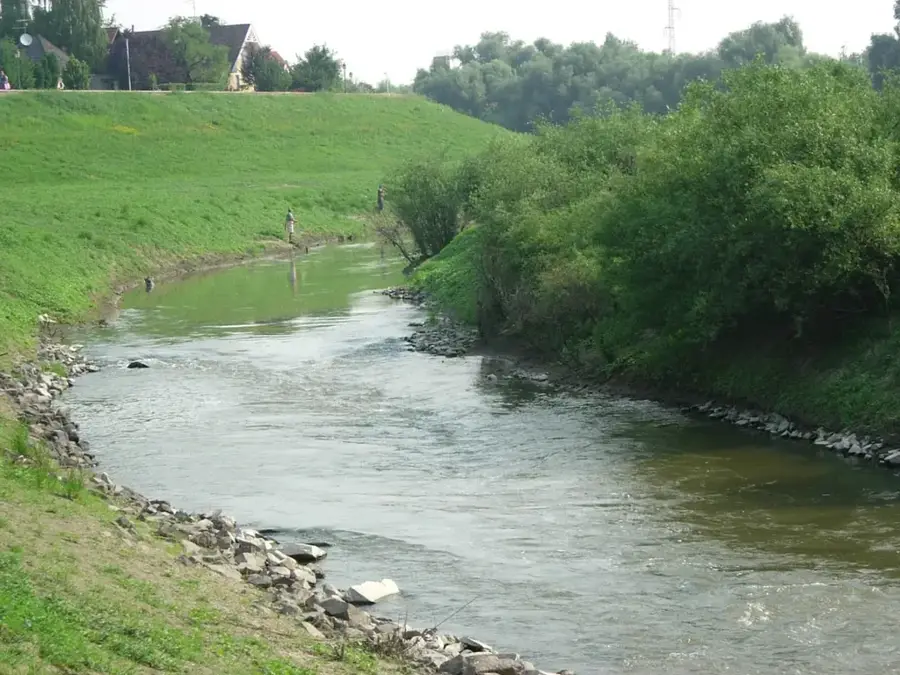
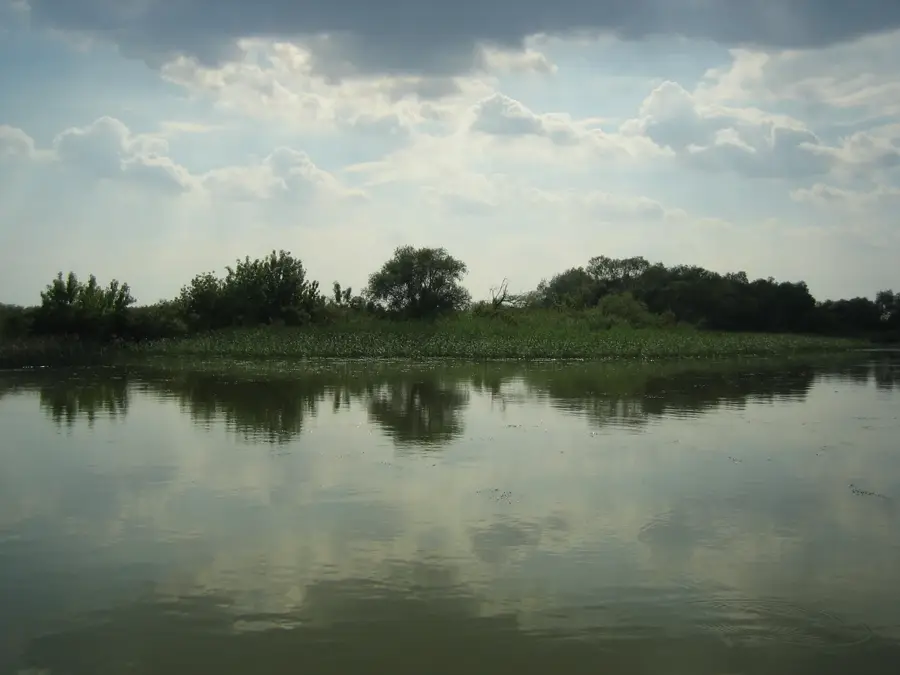
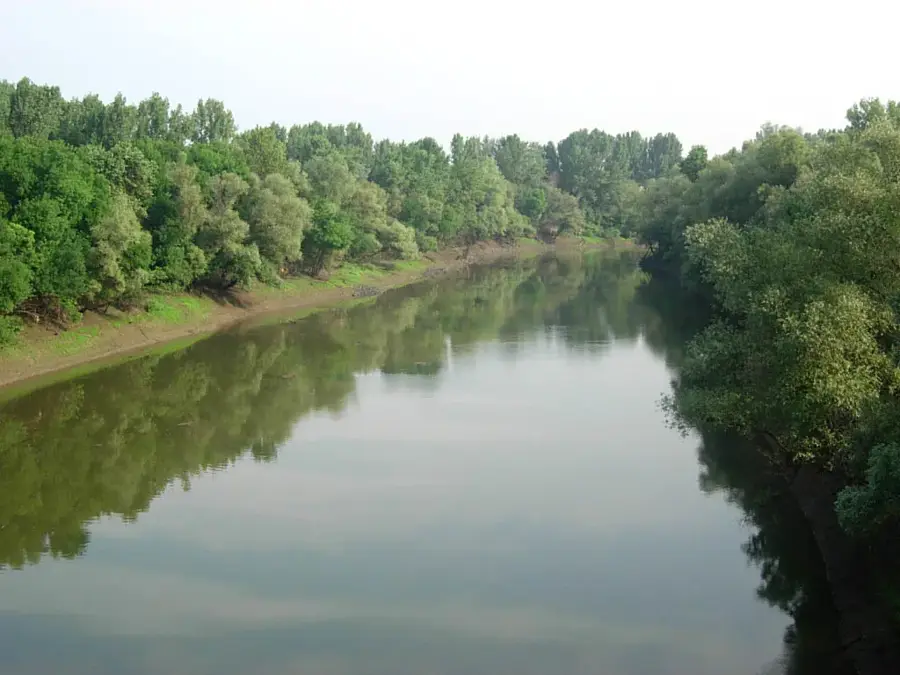
- Explore the backwaters of the Tisza (Holt-Tisza) for nature observation.
- Summer can be very hot on the Great Plain; plan activities for early morning or late afternoon.
🍽 Food
Try local fish, ideally fried or in a fish soup, at restaurants in the area.
Look for places that serve traditional goulash (gulyás) cooked over an open fire.
Order a hearty stew (pörkölt) with noodles, a staple of the region.
🛍 Shopping · 🧘 Quiet spots
Buy local vegetables, especially paprika, at the weekly market.
Look out for honey and jams from the farmers of the Great Plain.
Sit on the banks of the backwater to watch birds and enjoy the silence.
Walk the trails near the water away from traffic.
Water temperature…
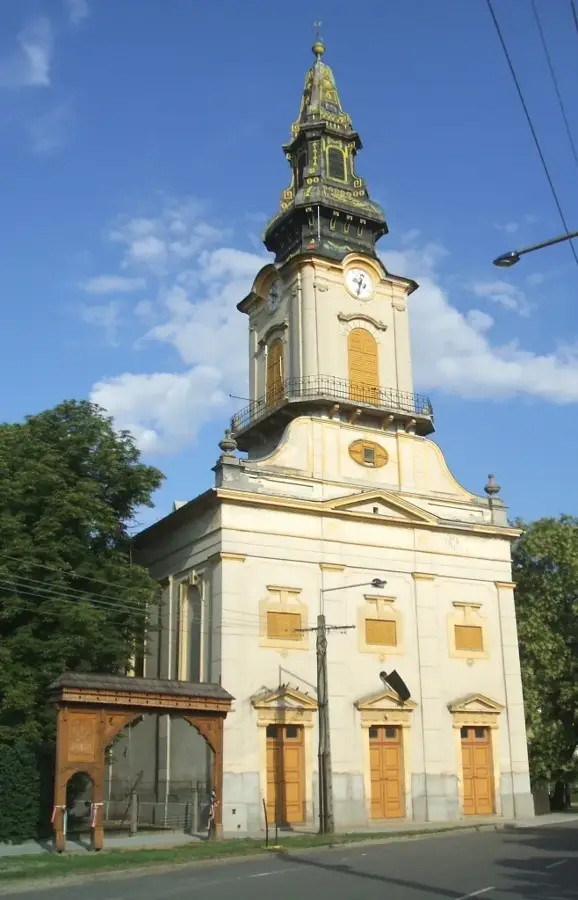
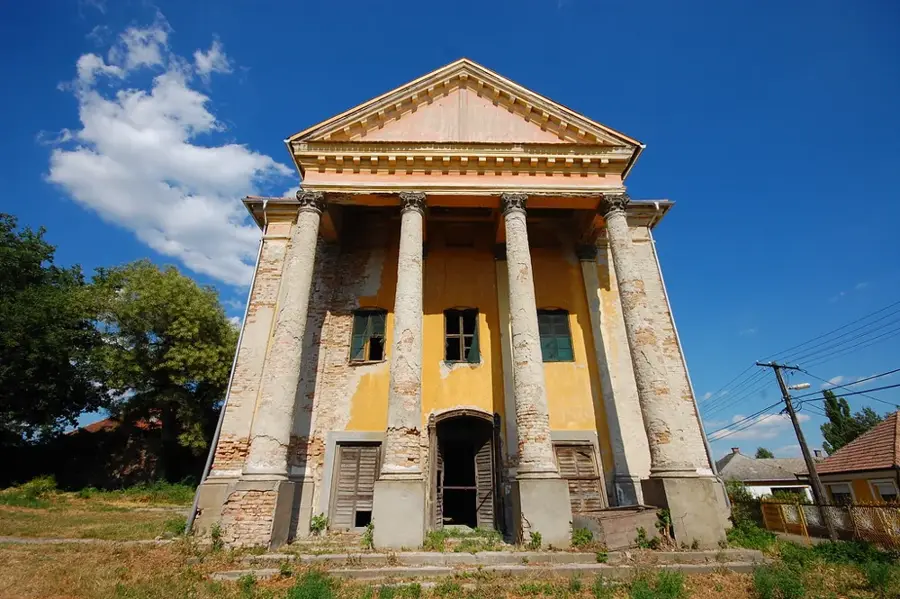
Located in Jász-Nagykun-Szolnok County, Fegyvernek is a settlement with a heritage deeply rooted in the medieval history of the Great Hungarian Plain. The town is most famous for its "Pusztatorony" (Waste Tower), a 15th-century Gothic brick structure that remains as the sole survivor of a former church, standing solitary in the landscape as a poignant reminder of the Ottoman-era destruction. Historically, the area was significantly influenced by the proximity of the Tisza river, which, before the 19th-century regulations, dictated the rhythm of life through seasonal floods and provided fertile silt for agriculture. Fegyvernek gained particular economic notoriety in the mid-20th century for its large-scale rice cultivation experiments, utilizing the canal systems of the region to transform the arid steppe into productive wetlands. The cultural identity of the town is a blend of Cumanian and Jász traditions, reflecting the migration patterns of the medieval era. Modern Fegyvernek serves as an important local center, balancing its agricultural legacy with industrial developments along the main transit routes connecting the central and eastern parts of Hungary. The local community remains dedicated to preserving their folk customs and historical landmarks, ensuring that the unique character of this riverside town continues to thrive in a contemporary setting.
- Location: Hungary
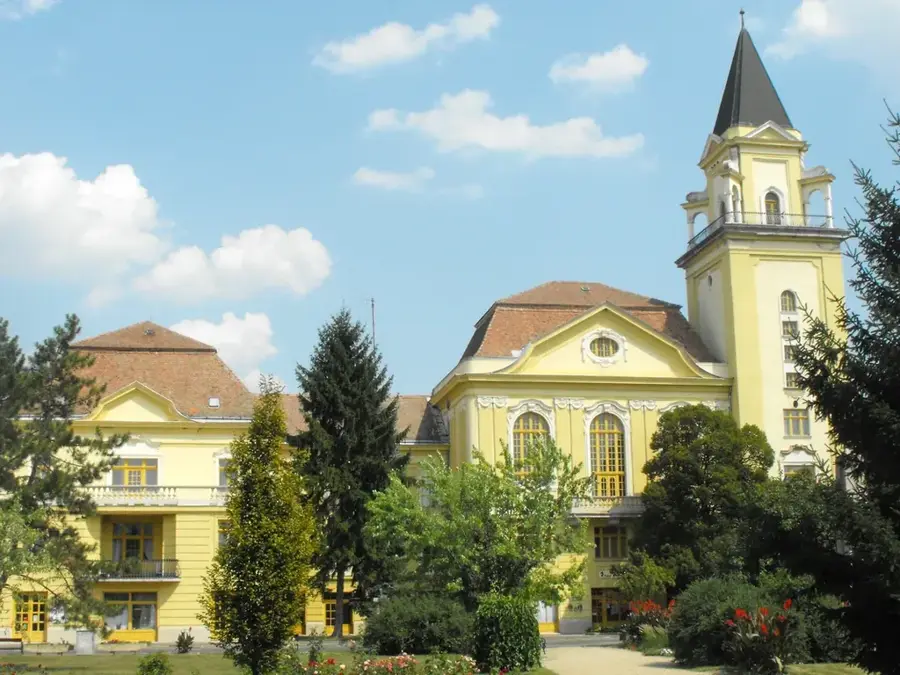
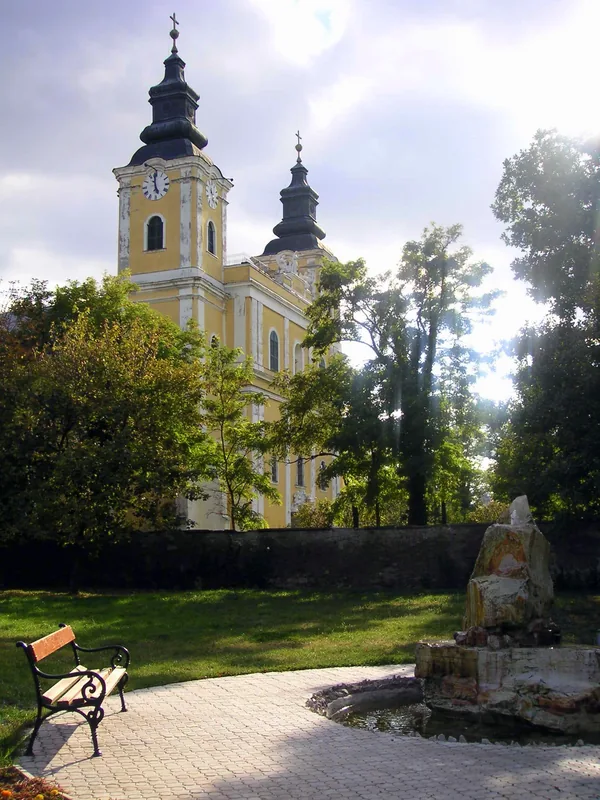
- Top sights: Pusztatorony (Ruined Tower) · Reformed Church · Orczy Mansion (Town Hall)
- Nearby: Törökszentmiklós (13 km)
- Population: ~6.000
Best time to visit & climate
The most pleasant time to visit is Jun, Aug, Sep.
| Jan | Feb | Mar | Apr | May | Jun | Jul | Aug | Sep | Oct | Nov | Dec | |
|---|---|---|---|---|---|---|---|---|---|---|---|---|
| Avg °C | -2 | 1 | 6 | 12 | 17 | 21 | 24 | 23 | 18 | 12 | 6 | 0 |
| Rain mm | 36 | 40 | 40 | 40 | 68 | 79 | 75 | 60 | 56 | 51 | 44 | 44 |
Geography
Facts
- Pusztatorony was built around 1480 in Gothic style.
- First mentioned in official charters in 1212.
- Center for rice production in the mid-20th century.
- Located 35 km from the city of Szolnok.
- Current population is approximately 6,200.
- Total administrative area covers 71.48 sq km.
Explore nearby
Notable places around


Route planner — Car & Motorhome
Where do you start? We build the route here, with stops and country notes along the way.
© OpenStreetMap contributors · OpenRouteService
Sights in the town Fegyvernek (6)
Frequently asked questions
What is the most famous monument in Fegyvernek?
Where is Fegyvernek located?
What can you do on the banks of the Dead Tisza?
Are there local festivals?
How is the transport to Szolnok?
Fegyvernek: where is it located?
Fegyvernek: what is there to see?
Fegyvernek: when is the best time to visit?
Fegyvernek: why is it worth visiting?

Nearby cities



History & landmarks
Nature

More places