Plizio Visual Lab
Dévaványa
ℹ️Practical info — Dévaványa
▾
🌤 Weather — 5 days
📍 Nearby
Sights nearby
💡 Tips
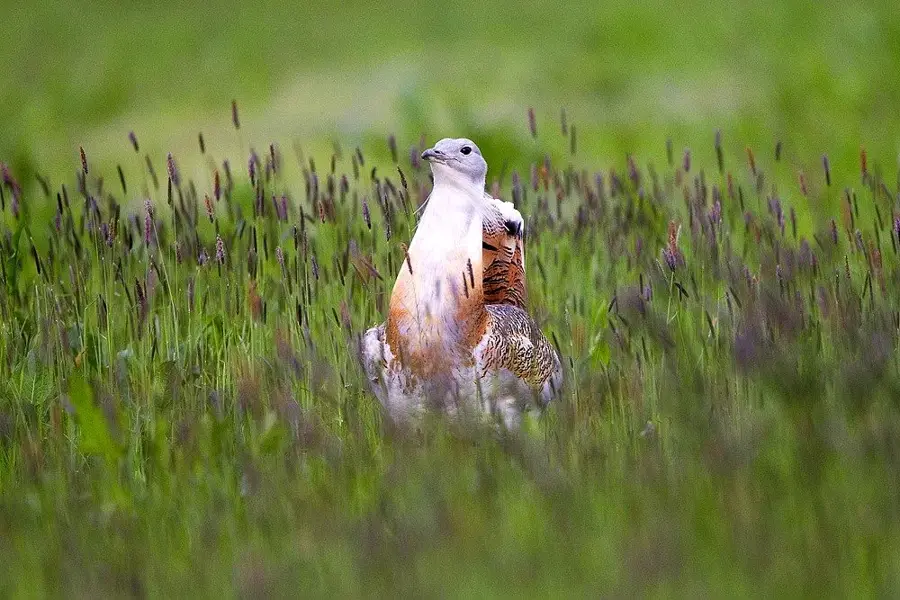
- Early morning in spring is the best time to see the spectacular mating display of the Great Bustards at the local reserve.
- Bring binoculars if you plan to go birdwatching in the surrounding expansive puszta landscapes.
- Rent a bicycle from the visitor center to easily explore the flat, quiet roads of the national park.
- The town is very quiet in the evening; plan your dinners early as local eateries tend to close soon.
🍽 Food
A rich, spicy soup made from local river fish, best enjoyed in traditional csárdas.
Try this hearty meat stew paired with traditional Hungarian egg barley.
Grab a freshly baked cocoa snail pastry for breakfast from a bakery in the town center.
🛍 Shopping · 🧘 Quiet spots
Visit on market days to buy local paprika, honey, and fresh vegetables directly from producers.
Purchase nature-themed souvenirs and informational books about the Great Bustard.
Enjoy peaceful nature walks surrounded by the serene atmosphere of the Great Hungarian Plain.
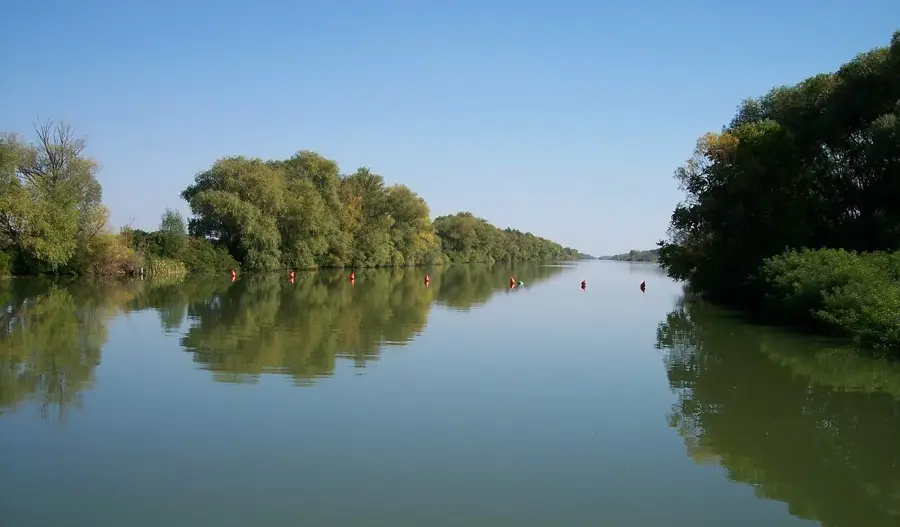
Take a calming stroll along the local water channel, excellent for quiet contemplation.
Water temperature…
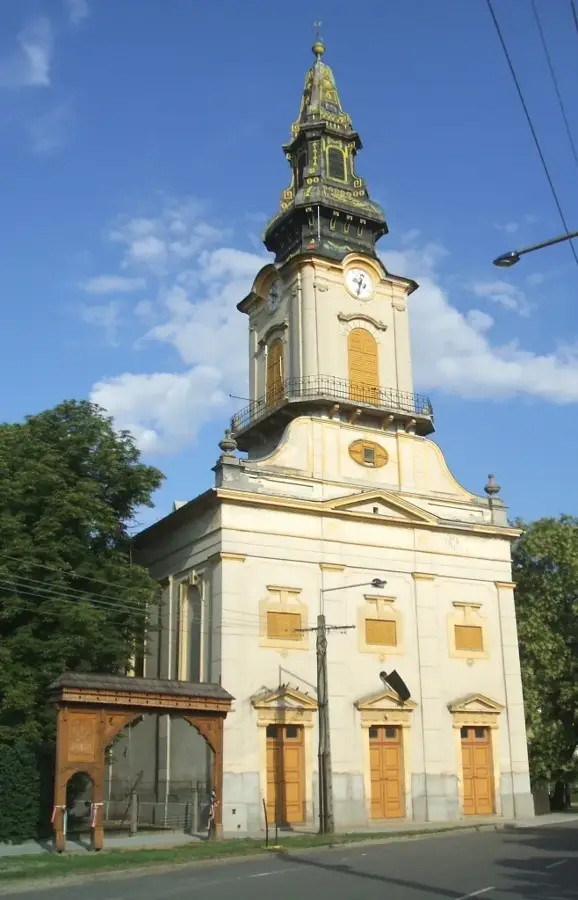
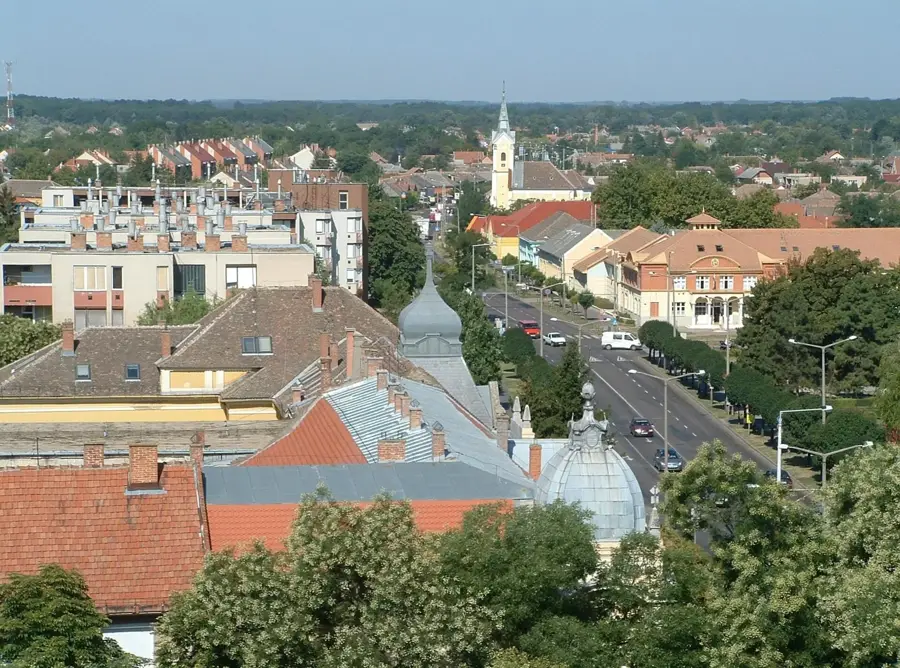
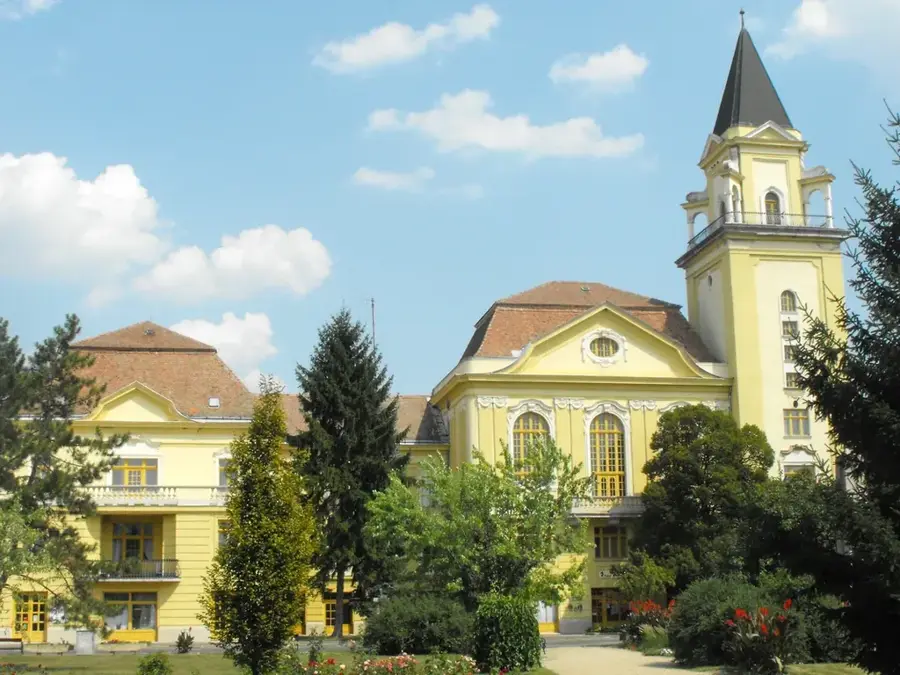
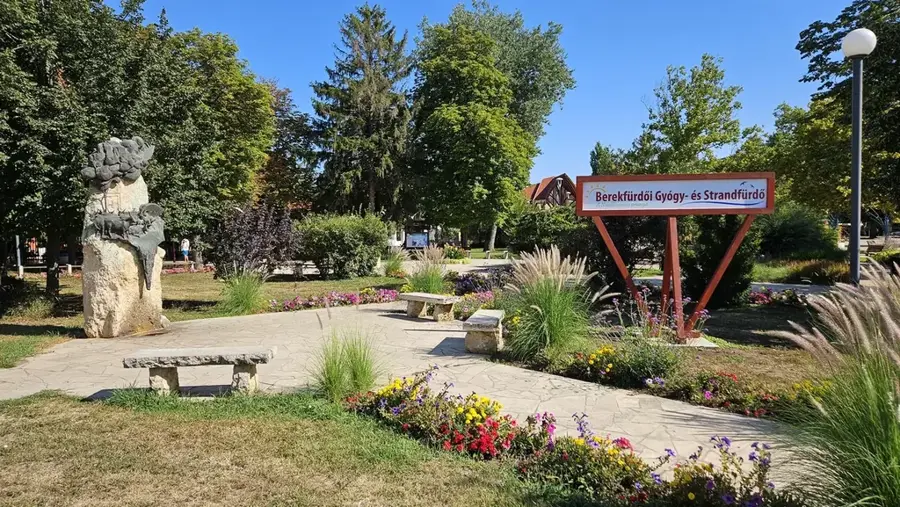
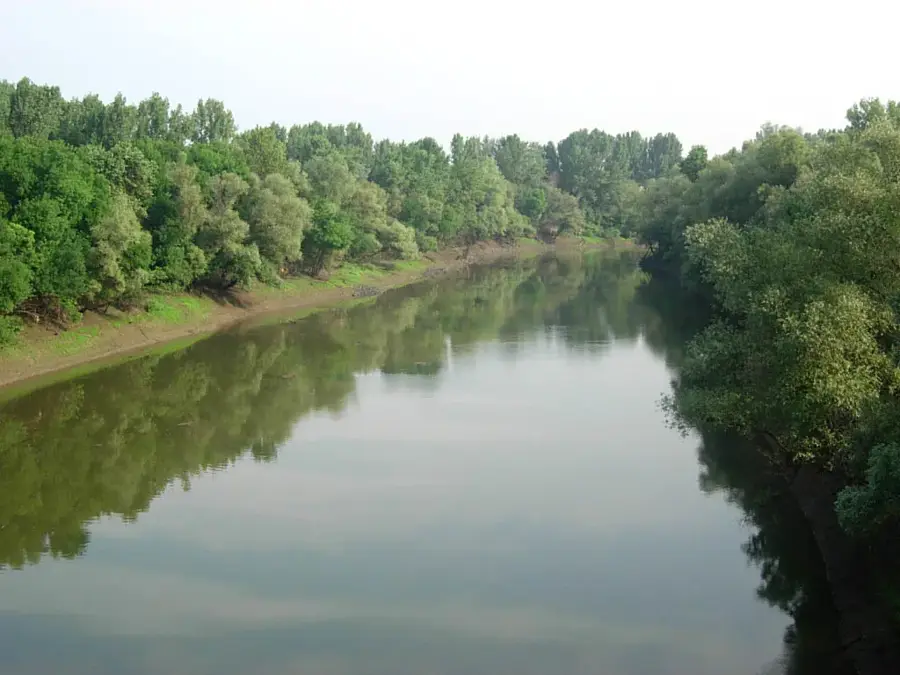
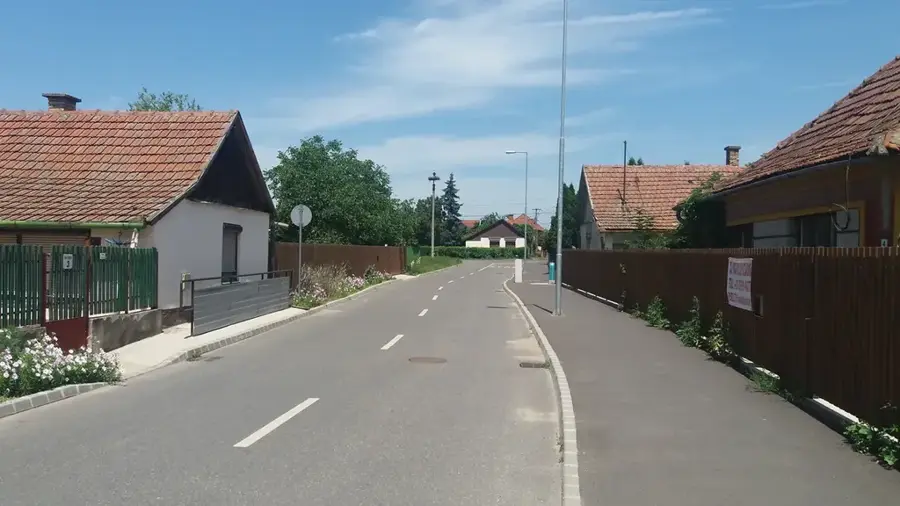
The town of Dévaványa is located in the northern part of Békés County, in the heart of the Tiszántúl region, and its name is world-renowned for bustard protection. The Réhely Visitor Center of the Körös-Maros National Park operates here, preserving one of the most important habitats and research bases for the Central European great bustard population, offering opportunities to observe this rare bird. The settlement's geographical environment is defined by the endless Alföld plains and the proximity of the Berettyó River, which hosts unique steppe plant communities. Dévaványa's history dates back to the Middle Ages; it was once a significant market town that regained its character through resettlement after the Ottoman occupation. A defining element of the cityscape is the monumental Reformed church, the center of the local community's spiritual life, and the Ladics House, which displays artifacts of bourgeois lifestyle. The settlement is notable not only for its natural assets but also for its thermal bath, whose iodine-bromine water is excellent for alleviating musculoskeletal complaints. Alongside agriculture, tourism has become one of the town's leading sectors, thanks to ecologically-minded developments and the cultivation of steppe traditions. The annual Bustard Festival and local craft fairs attract visitors while Dévaványa preserves its quiet, nature-close character on the edge of the Sárrét region.
- Location: Hungary
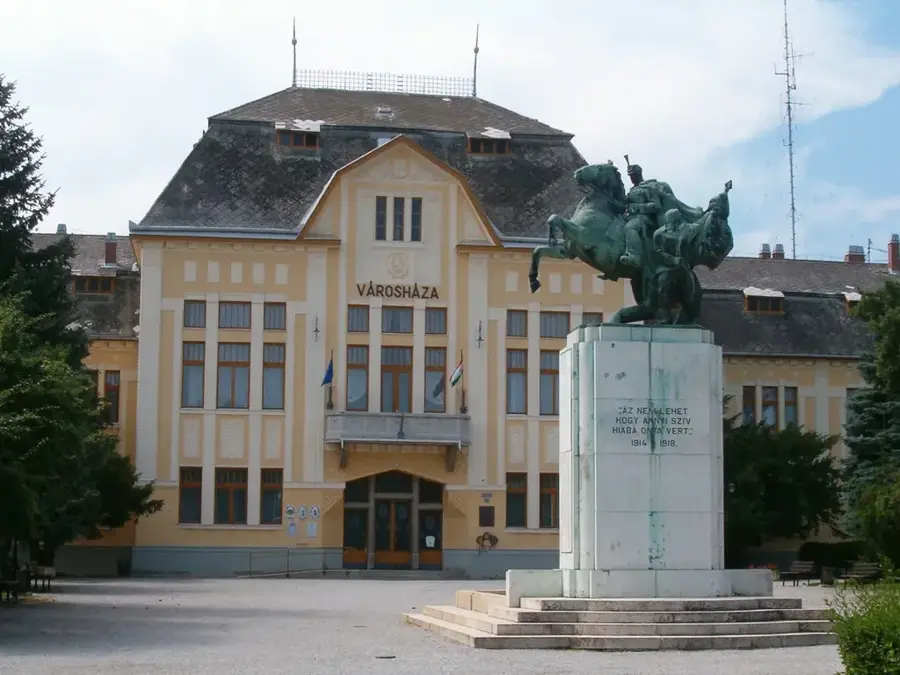
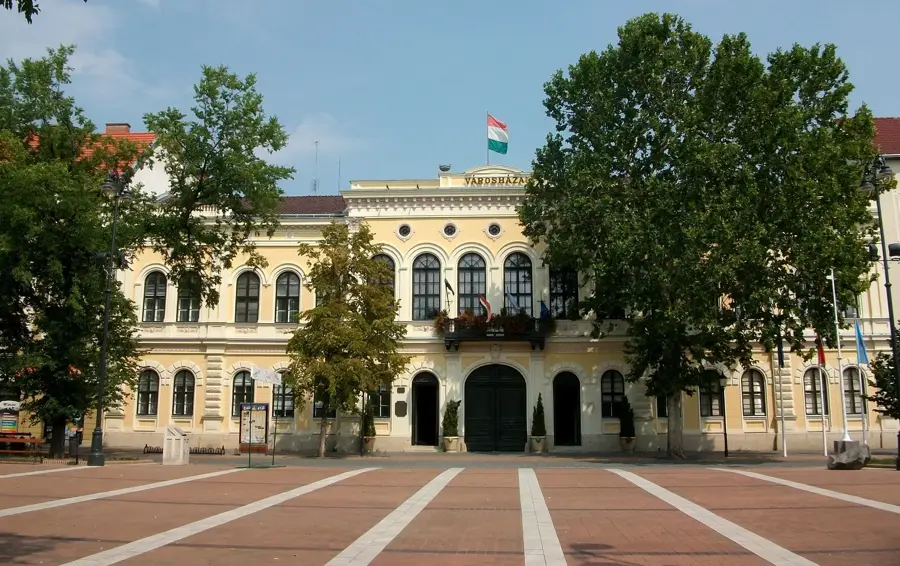
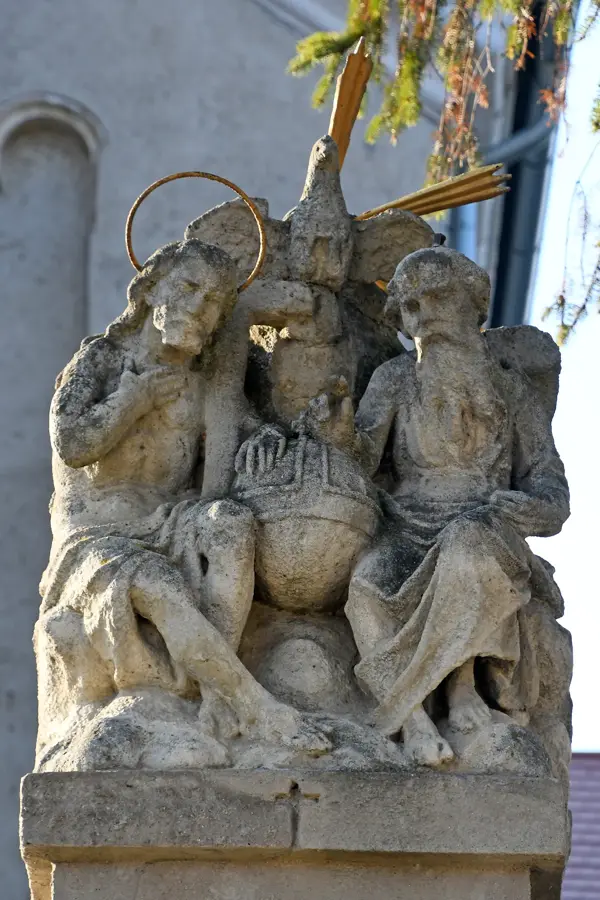
- Top sights: Heroes' Square · Town Hall · World War I Memorial
- Nearby: Gyomaendrőd (15 km)
- Population: ~6.450
Best time to visit & climate
The most pleasant time to visit is Jun, Aug, Sep.
| Jan | Feb | Mar | Apr | May | Jun | Jul | Aug | Sep | Oct | Nov | Dec | |
|---|---|---|---|---|---|---|---|---|---|---|---|---|
| Avg °C | -1 | 1 | 6 | 12 | 18 | 22 | 24 | 24 | 18 | 12 | 6 | 0 |
| Rain mm | 36 | 37 | 40 | 41 | 62 | 77 | 70 | 52 | 52 | 47 | 44 | 44 |
Geography
Facts
- European center for great bustards
- Site of the Réhely Visitor Center
- Features iodine-bromine thermal baths
- Home to the historic Ladics House
- Located along the Berettyó River
- Monumental Reformed church
Explore nearby
Notable places around

Route planner — Car & Motorhome
Where do you start? We build the route here, with stops and country notes along the way.
© OpenStreetMap contributors · OpenRouteService
Sights in the town Dévaványa (5)
Frequently asked questions
What is Dévaványa best known for?
Can the Great Bustards be seen all year round?
Is there a thermal bath in Dévaványa?
When is the best time for bird watching?
How is the terrain for hiking?
Dévaványa: where is it located?
Dévaványa: what is there to see?
Dévaványa: when is the best time to visit?
Dévaványa: why is it worth visiting?

Nearby cities
History & landmarks
Nature
More places