Plizio Visual Lab
Délegyháza
ℹ️Practical info — Délegyháza
▾
🌤 Weather — 5 days
📍 Nearby
Sights nearby
💡 Tips
- Délegyháza is famous for its extensive gravel pit lakes; check in advance which lake is designated for swimming, fishing, or watersports.
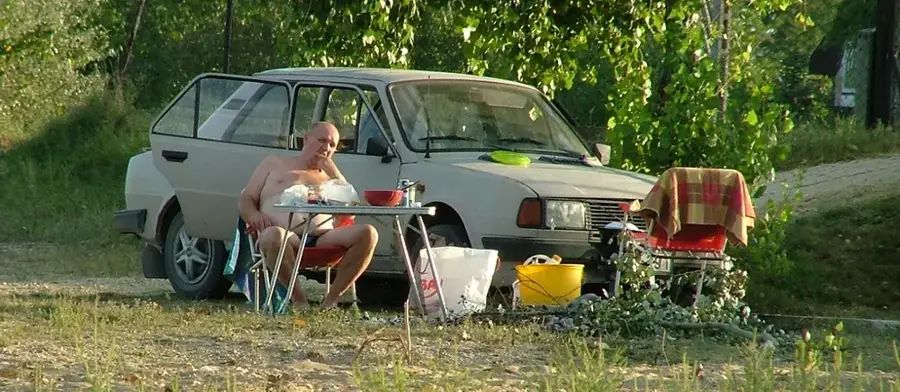
- The town hosts one of Hungary's most well-known naturist (nudist) beaches and campsites at Lake IV, so pay attention to the signs.
- Easily accessible from Budapest by train, making it a great day trip.
- Summer evenings by the lakes can be very buggy, so pack a good mosquito repellent.
🍽 Food
Grab a traditional deep-fried flatbread with garlic, sour cream, and cheese at the beach buffets.
Enjoy freshly fried fish, often served with pickles and bread, near the lakesides.
Hungarian crepes filled with jam or cocoa, well-suited for a quick sweet snack after swimming.
🛍 Shopping · 🧘 Quiet spots
Small stalls near the main beaches sell floats, swimwear, and basic summer necessities.
Stock up on picnic supplies and cold drinks at the village center before heading to the quieter lakes.
Walk around the lakes dedicated solely to fishing for a peaceful escape.
Explore the calm, flat countryside surrounding the village, well-suited for a quiet bike ride.
Water temperature…
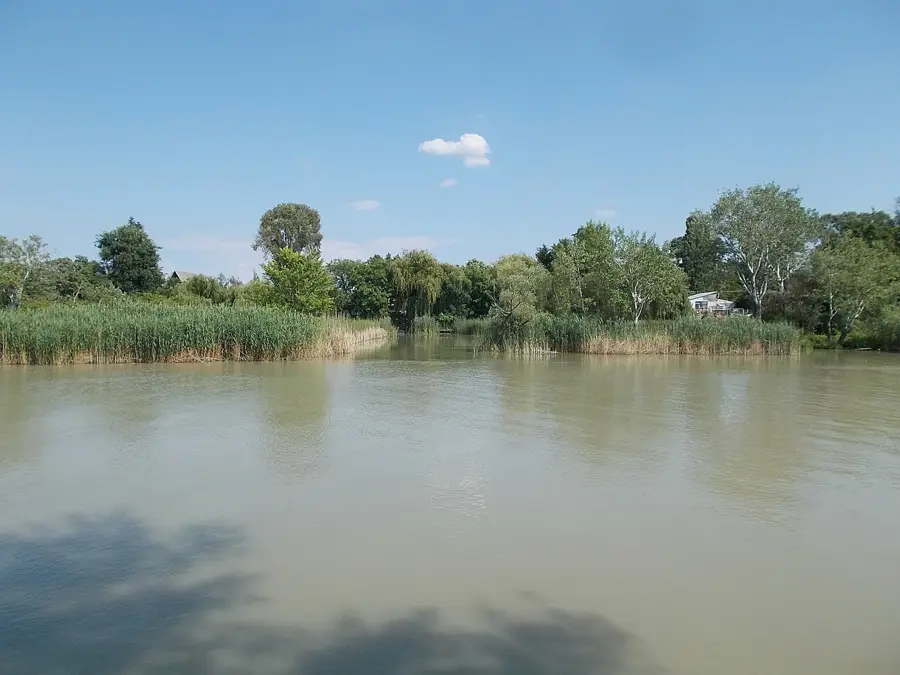
Délegyháza is a unique village located in Pest County, south of Budapest, widely celebrated for its extensive system of more than ten lakes that emerged from decades of intensive gravel mining. These man-made lakes now cover several hundred hectares and have evolved into one of the premier recreational areas in the Budapest metropolitan region, offering a vast expanse of water for various activities. A defining characteristic of Délegyháza is its long-standing tradition of naturism; it is home to one of Hungary's oldest and most popular naturist campsites and beaches, which has shaped the local identity into one of openness and freedom. Beyond the naturist areas, the lakes are a magnet for anglers, windsurfers, and families seeking high-quality natural bathing spots, thanks to the exceptionally clear water maintained by the gravel lakebeds. The village has experienced rapid suburban growth in recent years as many city dwellers relocate to the lakeside environment, leading to significant infrastructural development and an animated local community. Despite this modernization, the area preserves important ecological zones, with extensive reed beds providing nesting sites for a diverse range of waterfowl. Conveniently connected to the capital via the Budapest-Kunszentmiklós-Tass railway line, Délegyháza serves as both a thriving residential suburb and a major weekend destination, successfully transforming its industrial mining past into a blue-and-green oasis of modern leisure.
- Location: Hungary
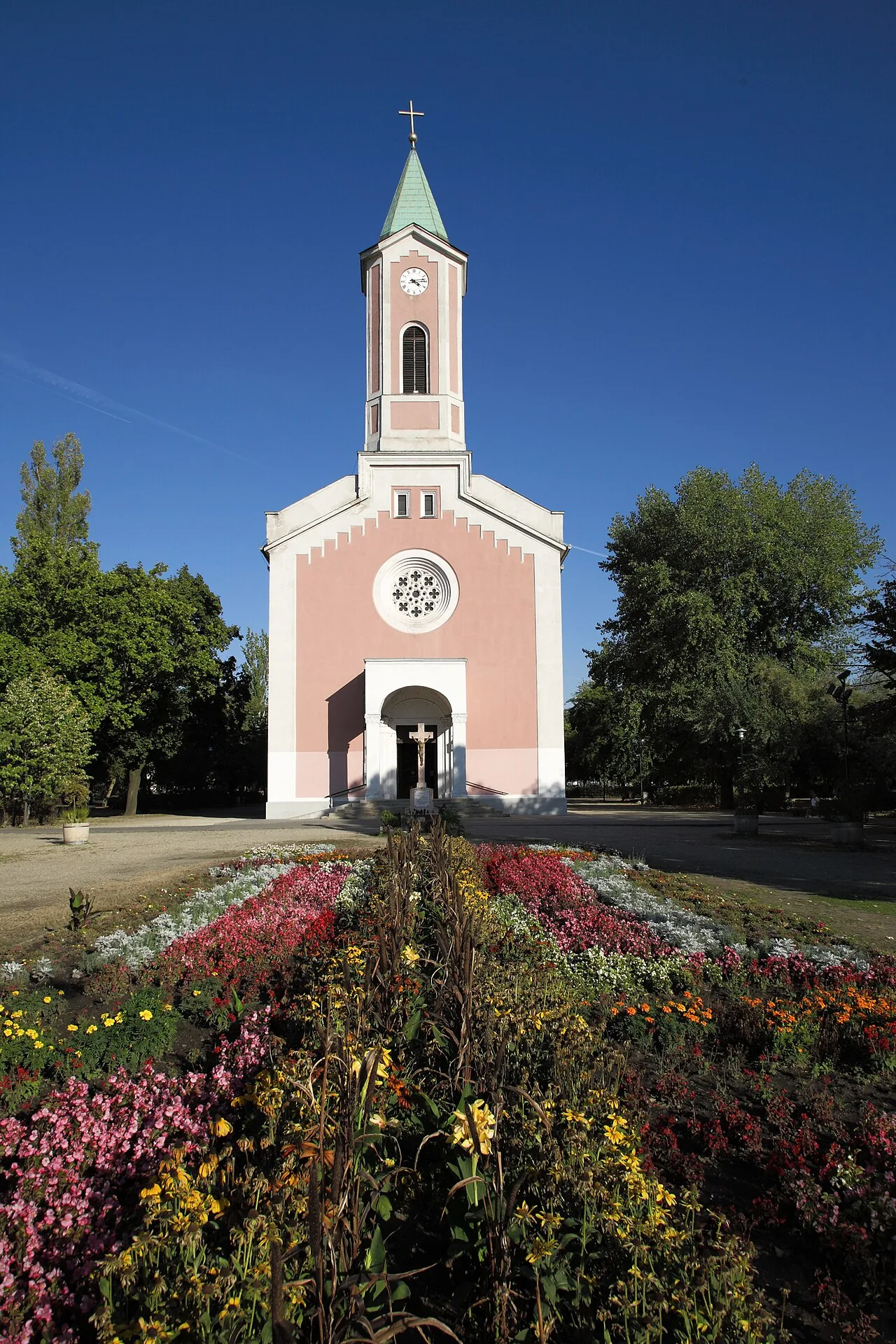
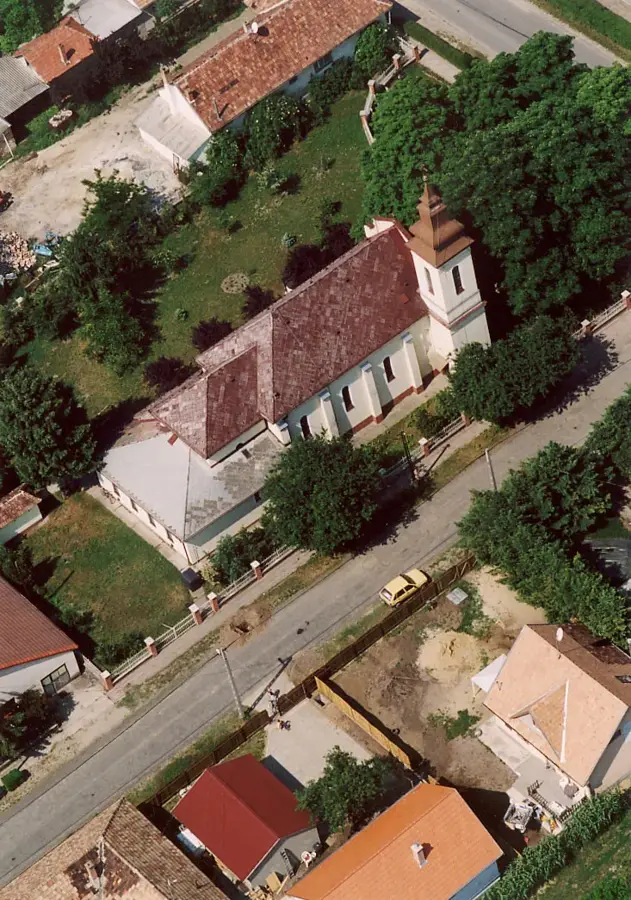
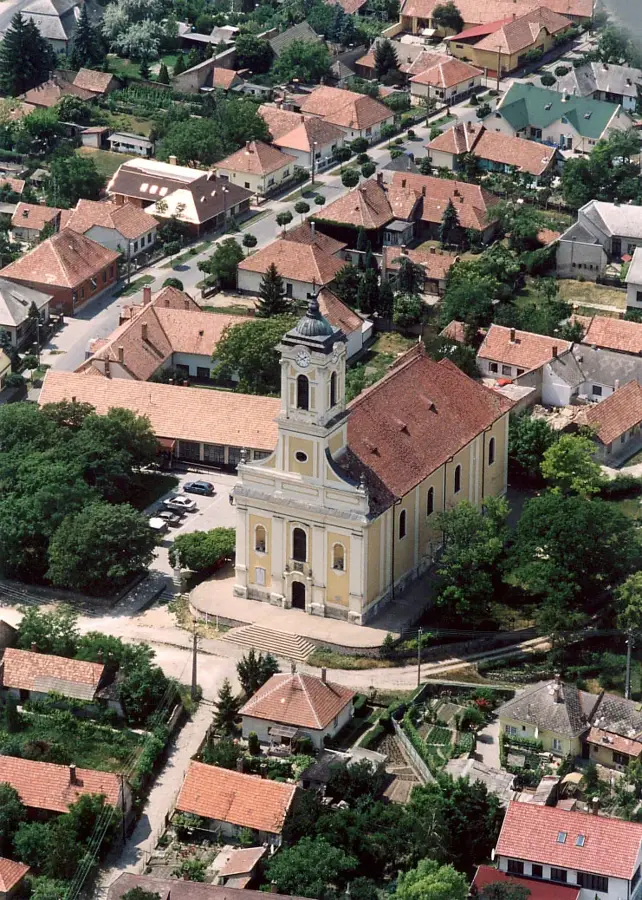
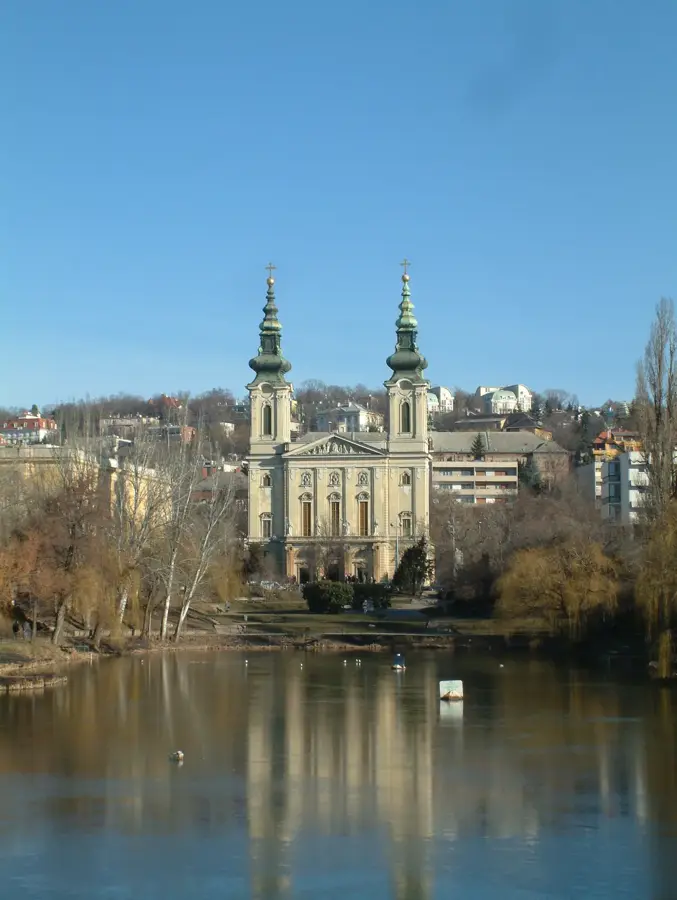
- Top sights: St. Stephen's Church · Reformed Church · Kölcsey Ferenc Cultural Center
- Nearby: Szigethalom (9 km)
- Population: ~6.082
Best time to visit & climate
The most pleasant time to visit is Jun–Aug.
| Jan | Feb | Mar | Apr | May | Jun | Jul | Aug | Sep | Oct | Nov | Dec | |
|---|---|---|---|---|---|---|---|---|---|---|---|---|
| Avg °C | -2 | 0 | 5 | 11 | 16 | 21 | 23 | 22 | 17 | 11 | 5 | 0 |
| Rain mm | 39 | 40 | 41 | 35 | 65 | 70 | 66 | 63 | 57 | 51 | 44 | 43 |
Geography
Facts
- Number of lakes: 12 significant lakes
- Origin of lakes: Gravel mining pits
- Unique feature: Major center for naturism
- Total water surface: approx. 300 hectares
- Railway connection: Budapest-Kelebia line
- Distance from Budapest: approx. 30 km
Explore nearby
Notable places around
Route planner — Car & Motorhome
Where do you start? We build the route here, with stops and country notes along the way.
© OpenStreetMap contributors · OpenRouteService
Sights in the town Délegyháza (5)
Frequently asked questions
What is the main attraction of Délegyháza?
Are there nudist beaches?
What water sports can be practiced?
Are there accommodation options by the lakes?
How far is the settlement from Budapest?
Délegyháza: where is it located?
Délegyháza: what is there to see?
Délegyháza: when is the best time to visit?
Délegyháza: why is it worth visiting?

Nearby cities

History & landmarks
Nature
More places