Plizio Visual Lab
Ócsa
ℹ️Practical info — Ócsa
▾
🌤 Weather — 5 days
📍 Nearby
Sights nearby
💡 Tips
- The 13th-century Romanesque basilica is one of Hungary's most important architectural treasures.
- Take a guided tour of the Ócsa Bird Ringing Station if you visit during migration seasons.
- The Öreghegy cellar village with its thatched-roof wine cellars is first-rate for an afternoon stroll.
- Bring waterproof footwear if you plan to explore the marshland trails of the protection area.
🍽 Food
Taste the local wines produced in the traditional thatched-roof cellars.
Enjoy authentic Hungarian goulash served at local community events or nearby traditional eateries.
Grab a hot, sweet chimney cake from vendors during local village festivals.
🛍 Shopping · 🧘 Quiet spots
Buy locally produced wine directly from the owners in the cellar village.
Handcrafted pottery and traditional items are often available near the main church during tourist season.
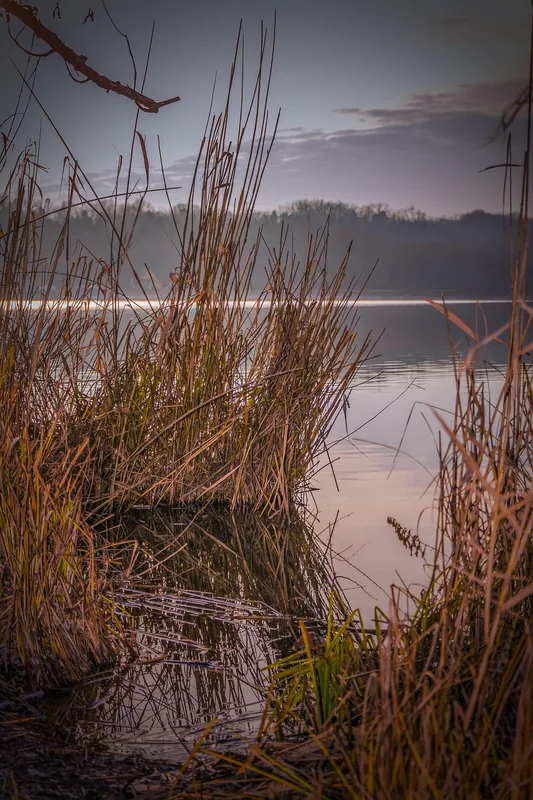
A tranquil nature trail excellent for birdwatching and immersing yourself in the protected wetlands.
Enjoy a quiet walk among the uniquely preserved historic thatched cellars.
Water temperature…
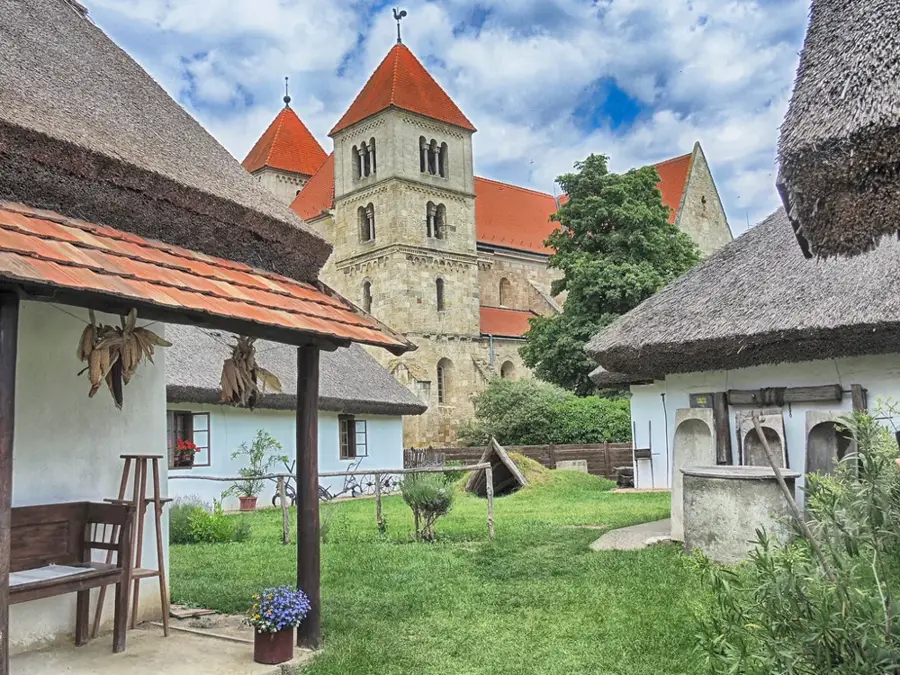
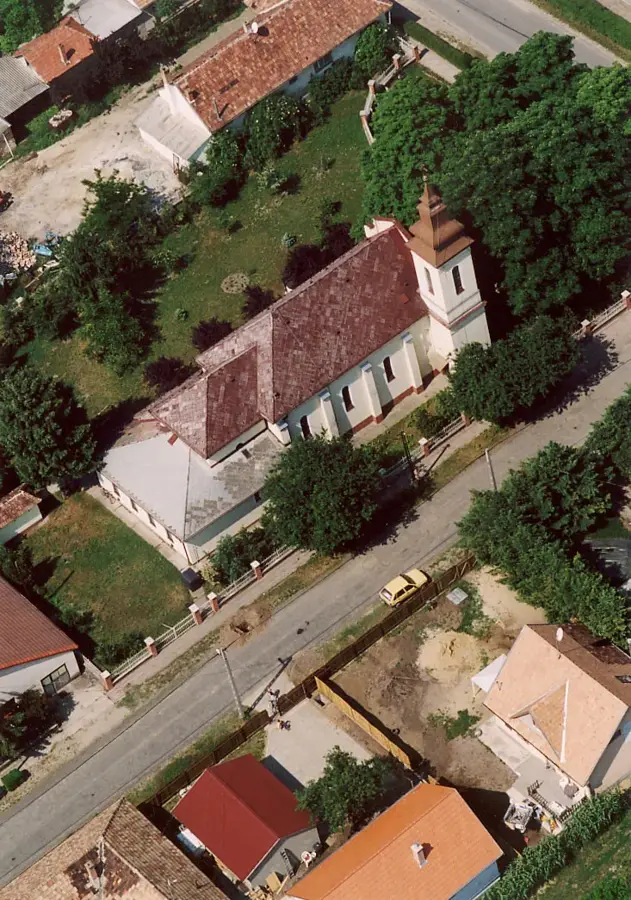
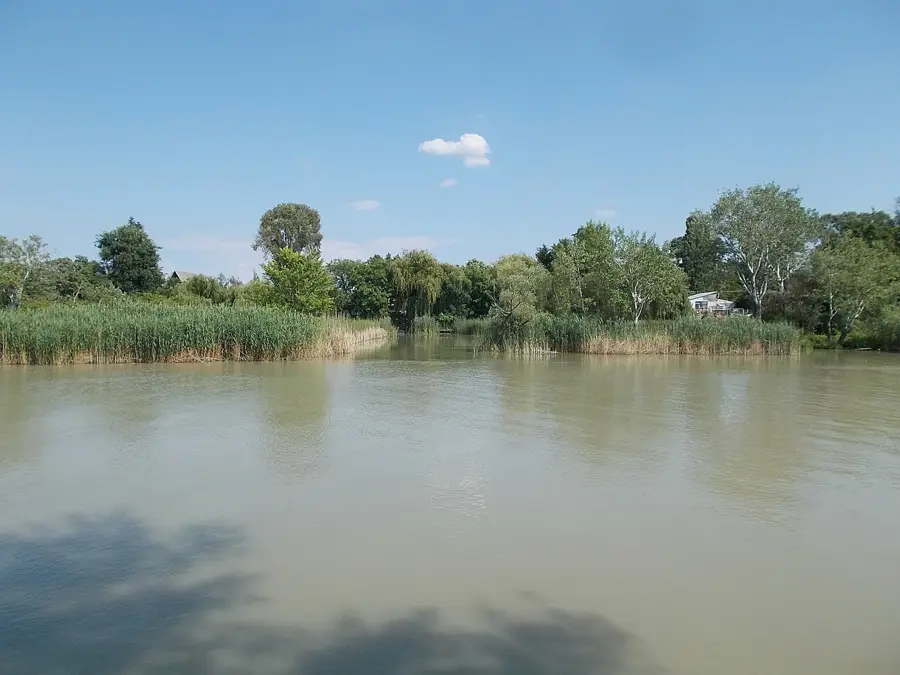
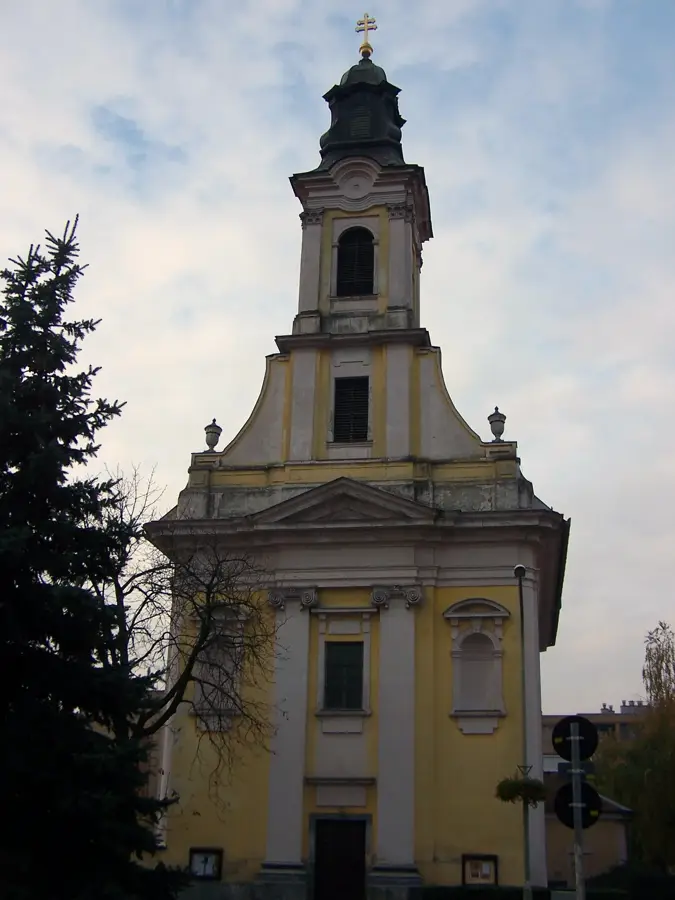
Located in Pest County, Ócsa is a historical town celebrated for its outstanding medieval heritage, most notably the 13th-century Premonstratensian monastery church. This Romanesque masterpiece is a three-aisled basilica with twin towers and a transept, representing one of the most intact examples of early Hungarian ecclesiastical architecture that survived the Mongol invasion and the Ottoman occupation. The church interior houses rare fresco fragments depicting saints and apostles, providing insight into the artistic traditions of the Arpadian era. Beyond its architectural significance, the town features the 'Old Village' (Öregfalu), a protected folk architecture district with over 60 traditional thatched-roof houses that preserve the 18th and 19th-century peasant lifestyle and spatial structure. The surrounding Ócsa Landscape Protection Area is a wetland of international importance, characterized by rare fen forests, peat bogs, and meadows that serve as a habitat for endangered species like the European mudminnow and the black stork. The local bird ringing station is a vital hub for European ornithological research, while the historic rows of wine cellars carved into the ground reflect the long-standing tradition of viticulture in the region.
- Location: Hungary
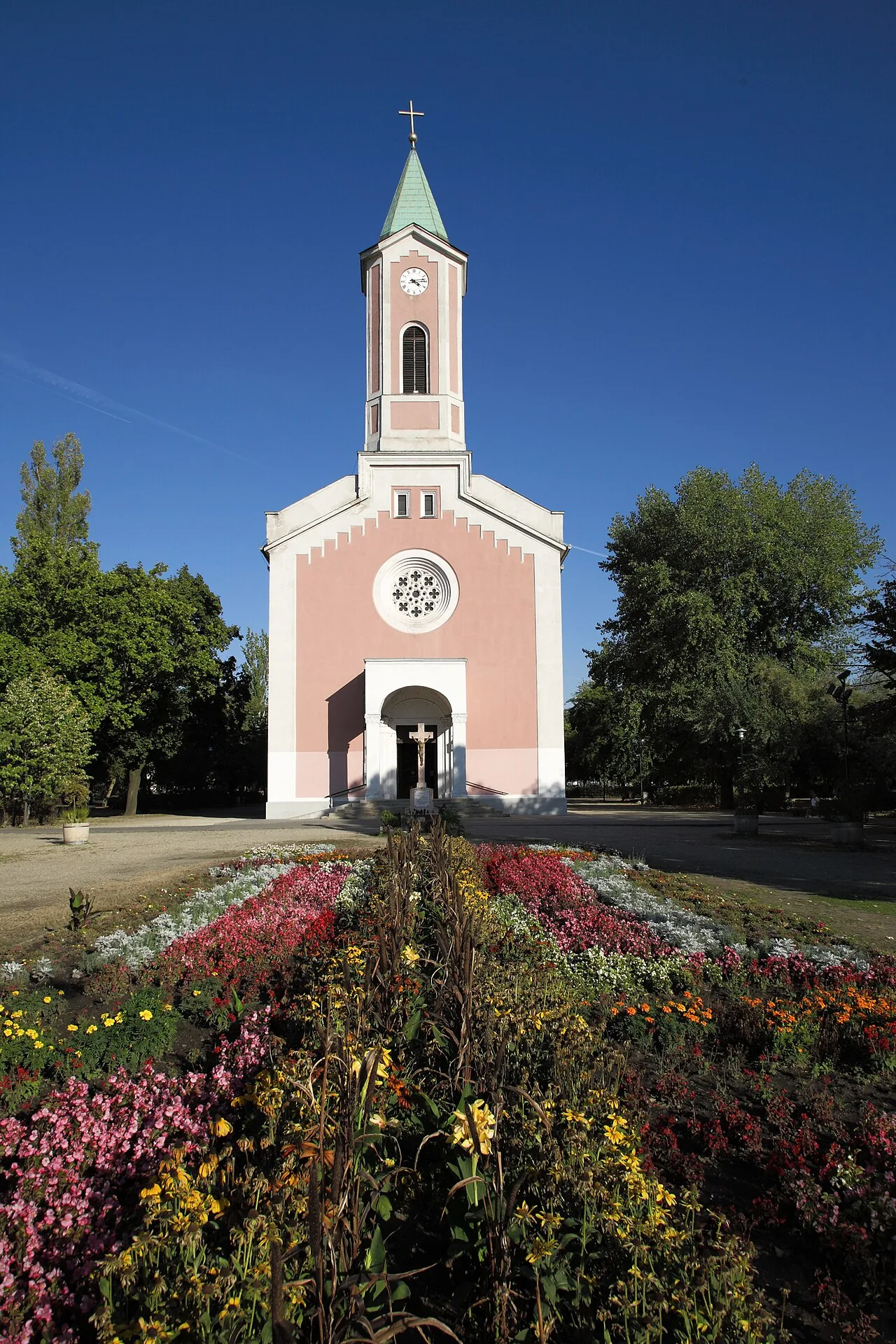
- Top sights: Ócsa Landscape Protection Area · Old Reformed Cemetery · Holy Trinity Catholic Church
- Nearby: Alsónémedi (5 km)
- Population: ~9.950
Best time to visit & climate
The most pleasant time to visit is Jun–Aug.
| Jan | Feb | Mar | Apr | May | Jun | Jul | Aug | Sep | Oct | Nov | Dec | |
|---|---|---|---|---|---|---|---|---|---|---|---|---|
| Avg °C | -2 | 0 | 5 | 11 | 16 | 21 | 23 | 22 | 17 | 11 | 5 | 0 |
| Rain mm | 39 | 40 | 41 | 35 | 65 | 70 | 66 | 63 | 57 | 51 | 44 | 43 |
Geography
Facts
- Construction of the basilica: approx. 1225
- Number of protected thatched houses: 60+
- Area of the Landscape Protection District: 3606 ha
- First written mention: 1235
- Distance from Budapest: approx. 30 km
- Highlight: Romanesque twin-towered basilica
Explore nearby
Notable places around
Route planner — Car & Motorhome
Where do you start? We build the route here, with stops and country notes along the way.
© OpenStreetMap contributors · OpenRouteService
Sights in the town Ócsa (6)
Frequently asked questions
What is the most famous church in Ócsa?
Is there an open-air museum?
What is the Turjánvidék?
Can you taste wine there?
How far is it from Budapest?
Ócsa: where is it located?
Ócsa: what is there to see?
Ócsa: when is the best time to visit?
Ócsa: why is it worth visiting?

Nearby cities






History & landmarks

Nature
More places