Solymár Castle Ruins (Szarkavár)🏺 historical
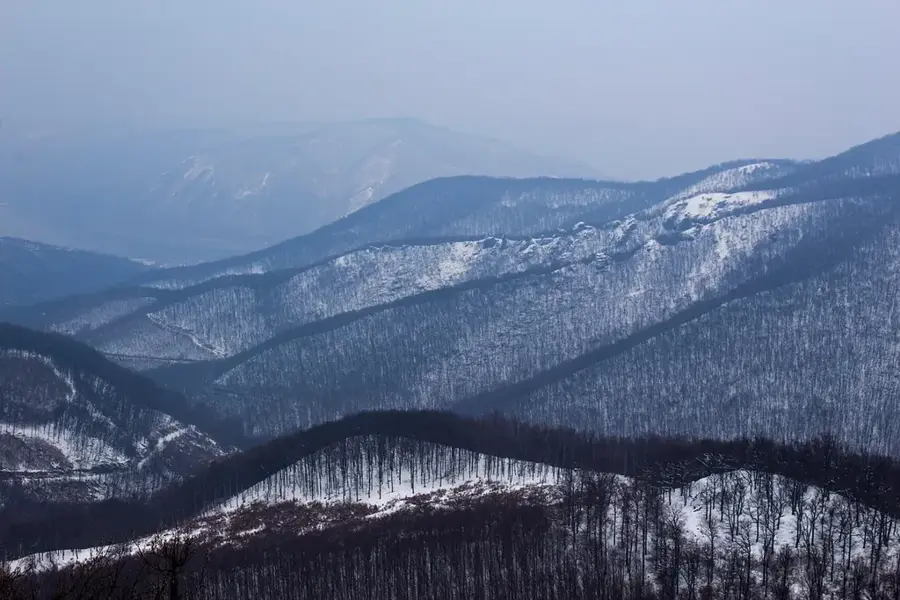
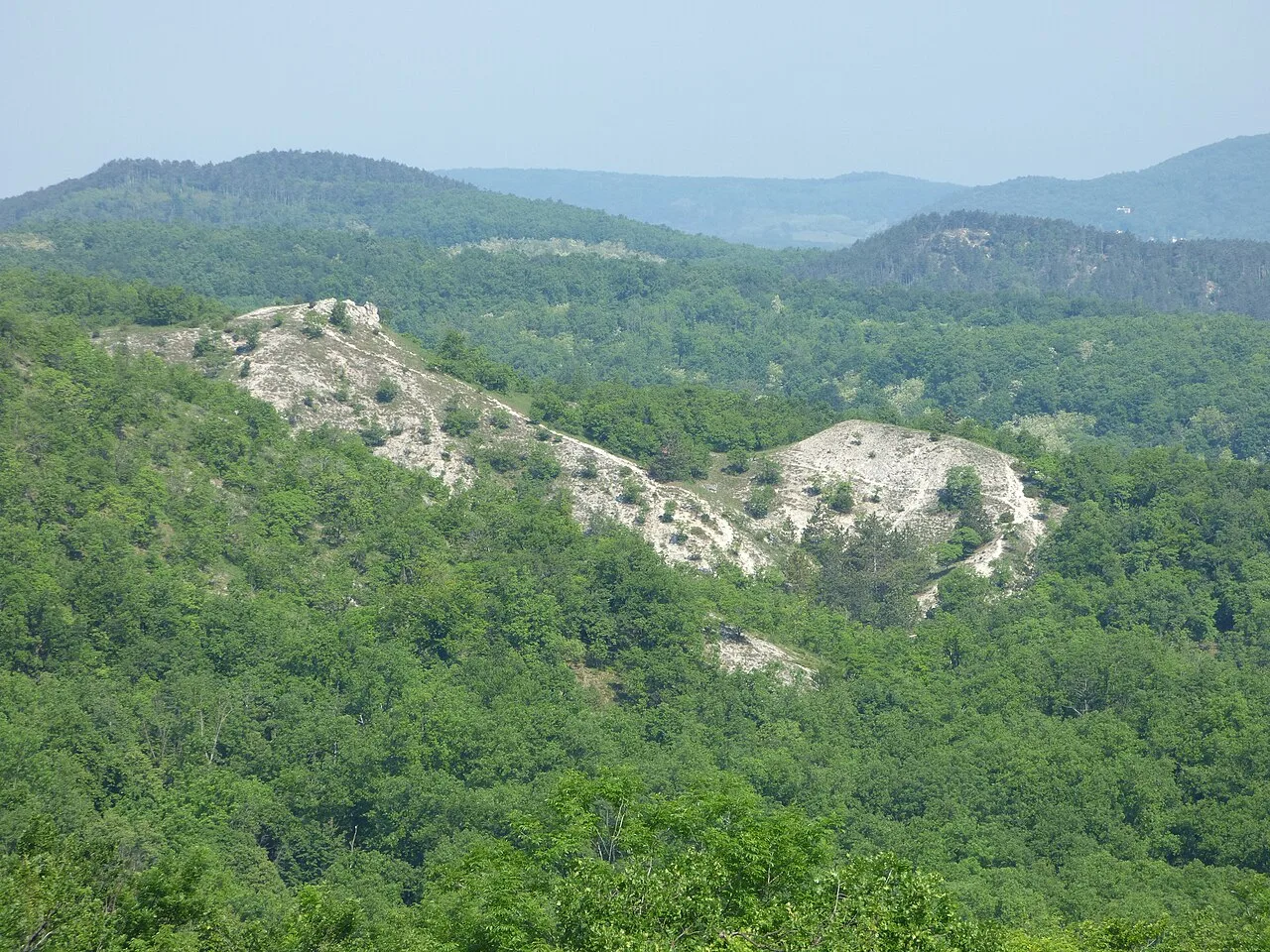
The remains of this 13th-century medieval fortress sit on a hilltop offering panoramic views of the Pilis Mountains. It was once a royal estate and noble residence, now a popular hiking destination.
Plizio Visual Lab
Try fresh Hungarian baked goods at the bakeries in the village center.
Look for traditional Csárda restaurants along the main road for a hearty goulash.
Grab this deep-fried dough snack from small stands near the hiking trailheads.
Visit the local market for fresh vegetables and regional produce.
Small shops in the center occasionally feature handmade ceramics.
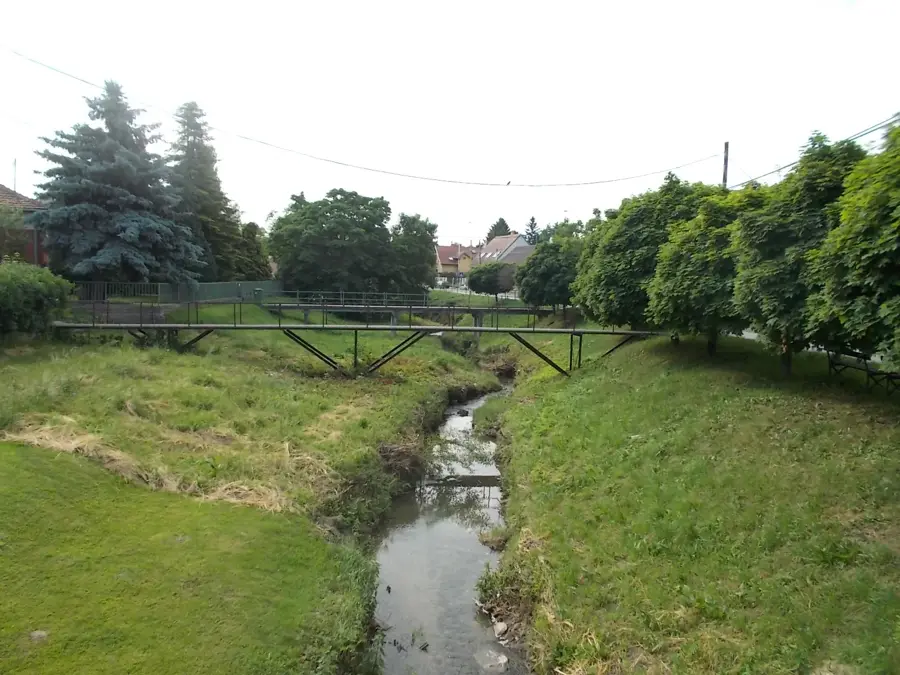
A peaceful, wooded path running alongside a stream.
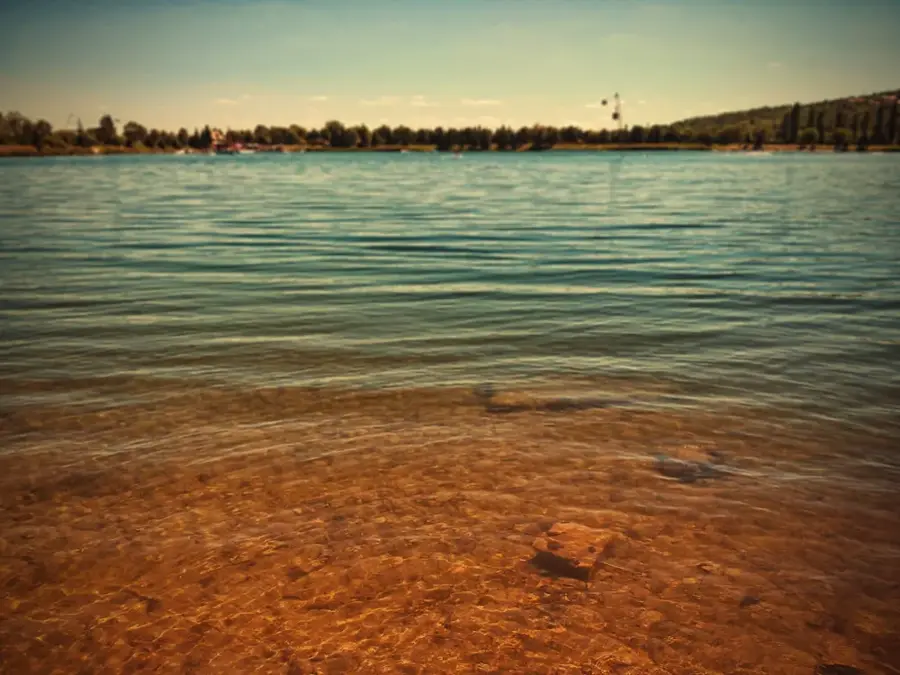
Features a quiet panoramic view of the surrounding hills.
Water temperature…
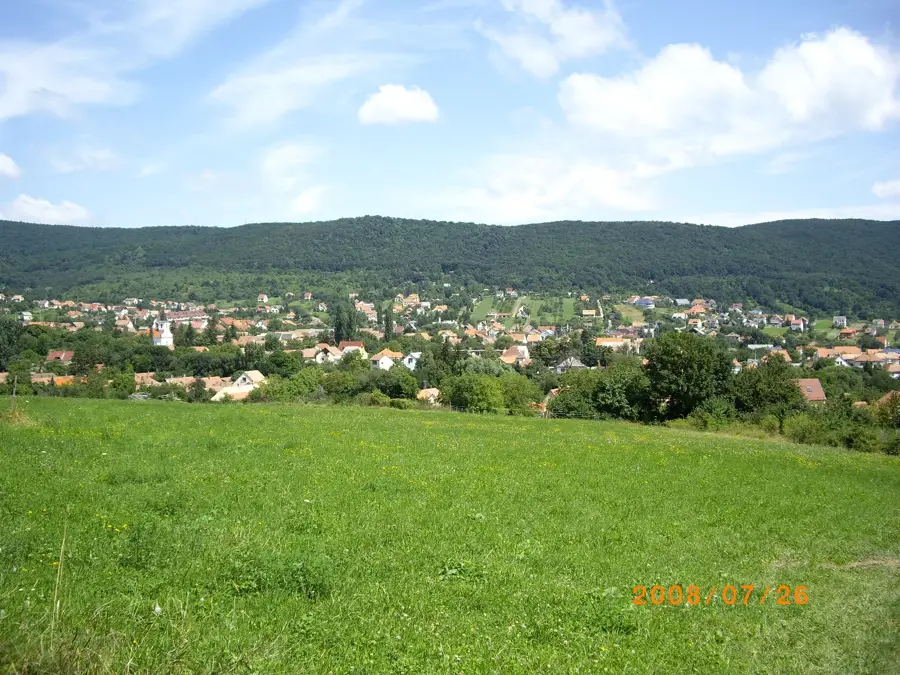
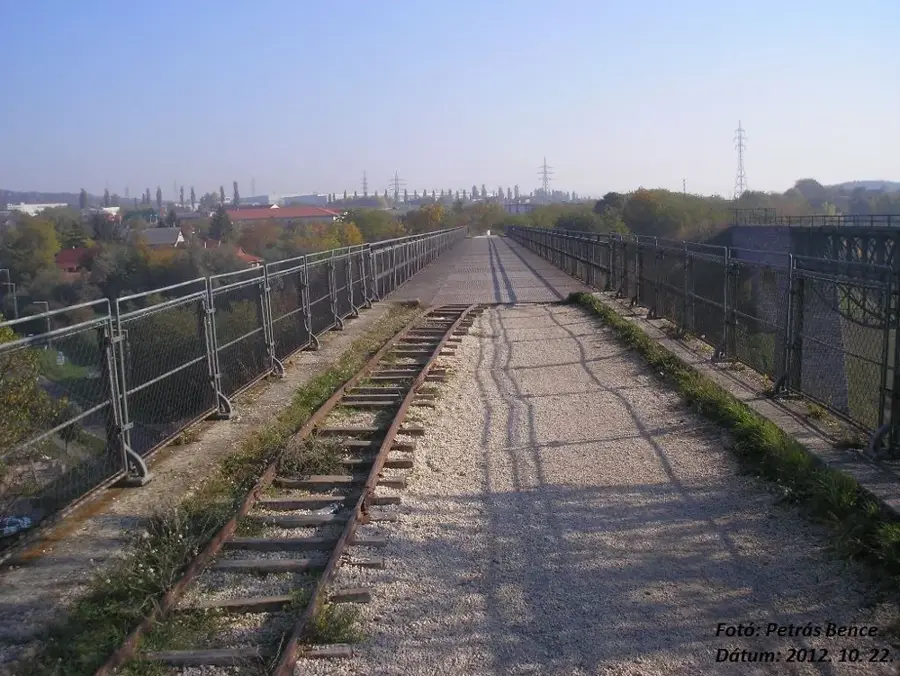
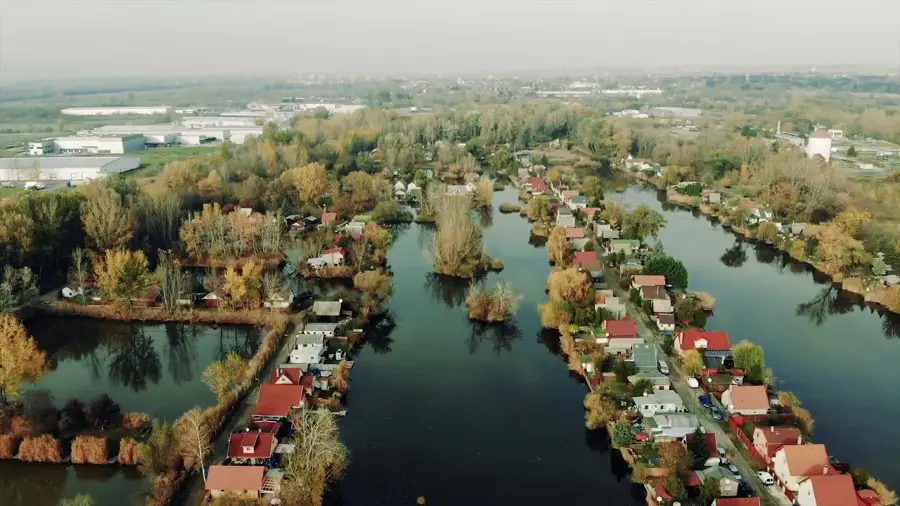
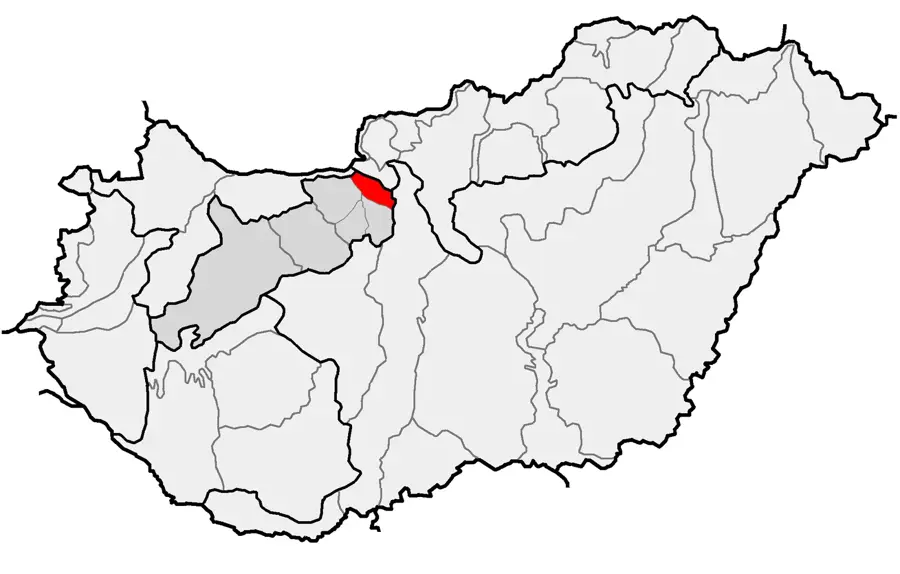
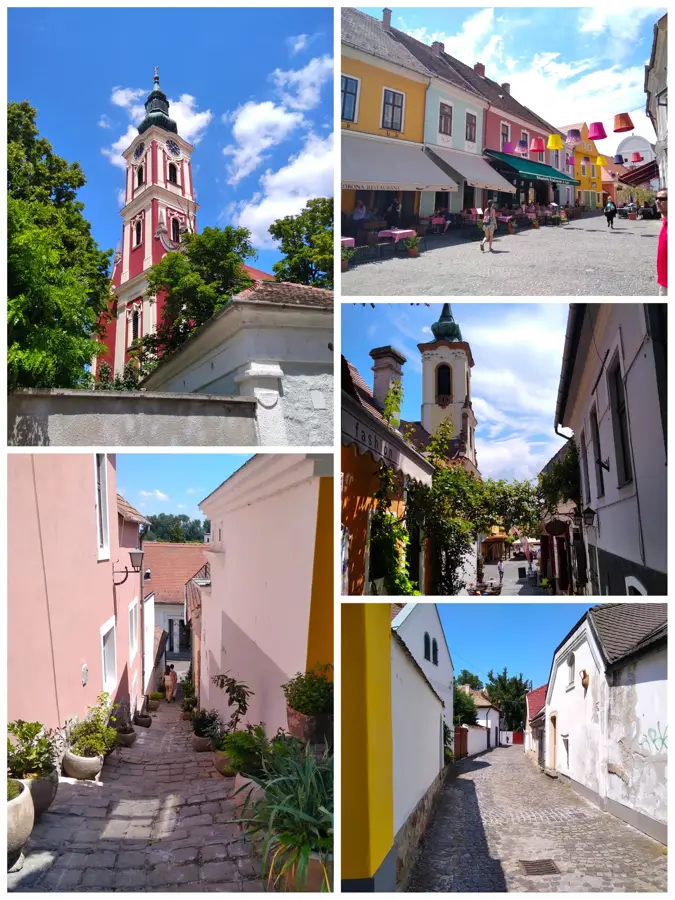
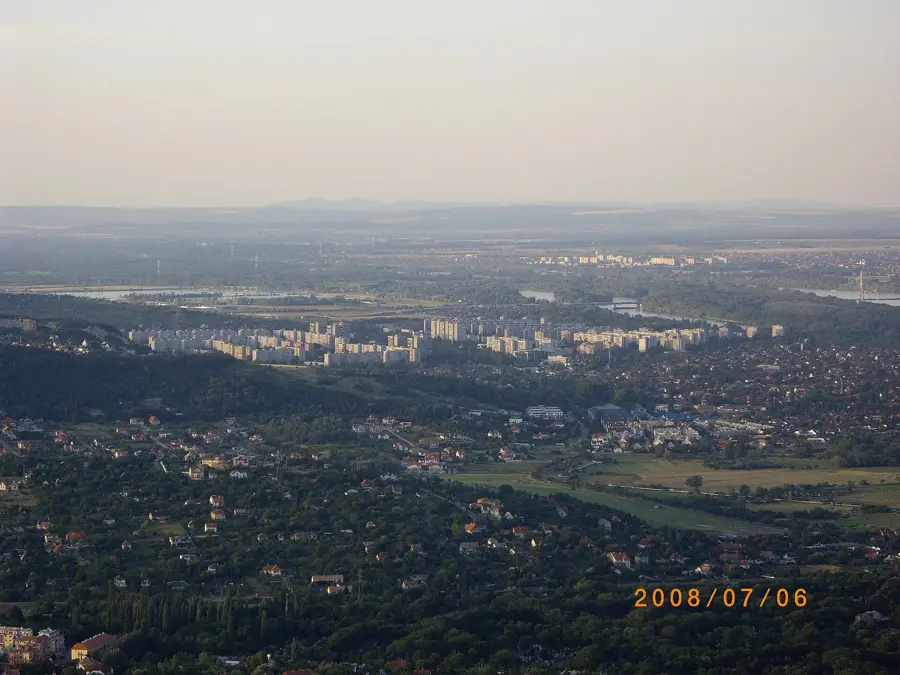
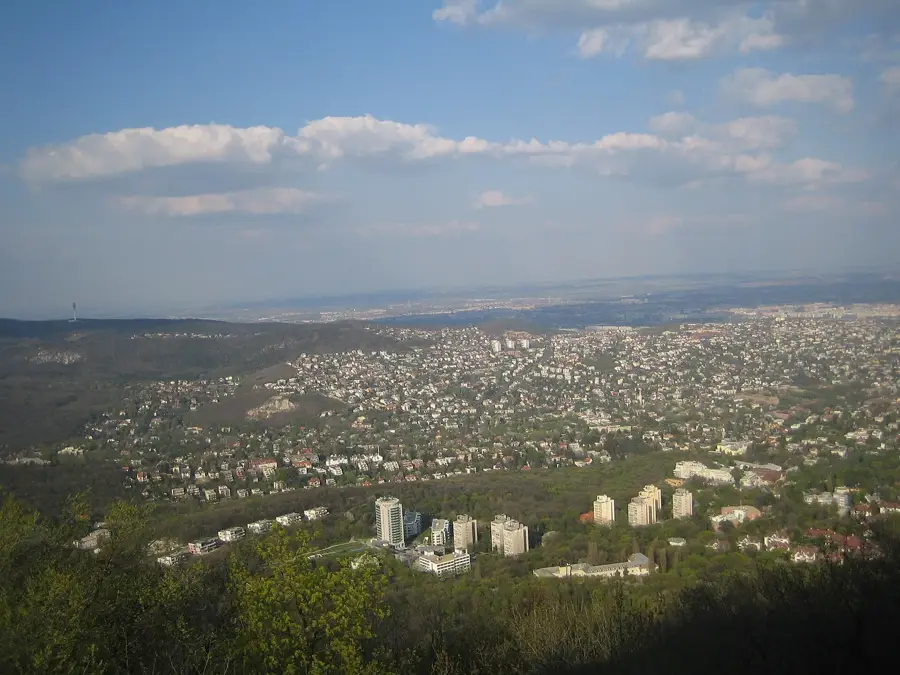
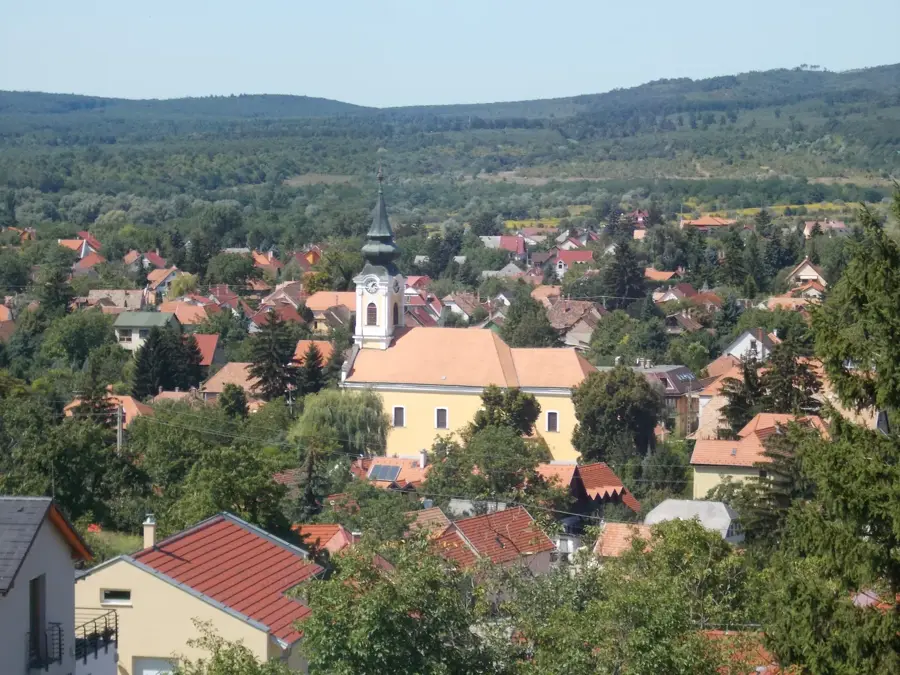
Tucked away at the scenic gateway where the Buda Hills meet the Pilis Mountains, Solymár is a historic township renowned for its medieval heritage and its pivotal role in protecting the northern approaches to Budapest. The crowning jewel of the local landscape is the ruins of Szarkavár Castle, a 13th-century fortification that once stood as a silent sentinel over the valley until its destruction during the Ottoman era. Following a period of desolation, the town was revitalized in the 1700s by ethnic German settlers (Swabians), whose influence remains palpable in the town's meticulous street layouts, its Catholic traditions, and the flourishing viticulture that once covered the surrounding slopes. Geographically, Solymár is a haven for nature enthusiasts, boasting the Jegenye Valley with the highest waterfall in the Buda mountain range, and a network of limestone caves that attract geologists and hikers alike. The town's economic trajectory shifted significantly in the late 19th century with the arrival of the railway and the establishment of large-scale brickworks, which provided the materials for Budapest's rapid expansion. Today, Solymár is a spirited suburban community that successfully balances its dual identity as a modern commuter hub and a guardian of Central European folklore, hosting prestigious cultural festivals that draw visitors from across the country to experience its unique blend of Swabian and Hungarian hospitality.
The most pleasant time to visit is Jun–Aug.
| Jan | Feb | Mar | Apr | May | Jun | Jul | Aug | Sep | Oct | Nov | Dec | |
|---|---|---|---|---|---|---|---|---|---|---|---|---|
| Avg °C | -2 | 0 | 5 | 11 | 16 | 21 | 23 | 22 | 17 | 11 | 5 | 0 |
| Rain mm | 39 | 40 | 41 | 35 | 65 | 70 | 66 | 63 | 57 | 51 | 44 | 43 |
Notable places around
Where do you start? We build the route here, with stops and country notes along the way.
© OpenStreetMap contributors · OpenRouteService
The remains of this 13th-century medieval fortress sit on a hilltop offering panoramic views of the Pilis Mountains. It was once a royal estate and noble residence, now a popular hiking destination.