Plizio Visual Lab
Pilisvörösvár
ℹ️Practical info — Pilisvörösvár
▾
🌤 Weather — 5 days
📍 Nearby
Sights nearby
💡 Tips
- Pilisvörösvár has a strong Swabian heritage; try to catch one of their traditional local festivals.
- Many local shops and services close early on Saturdays, so plan your shopping in the morning.
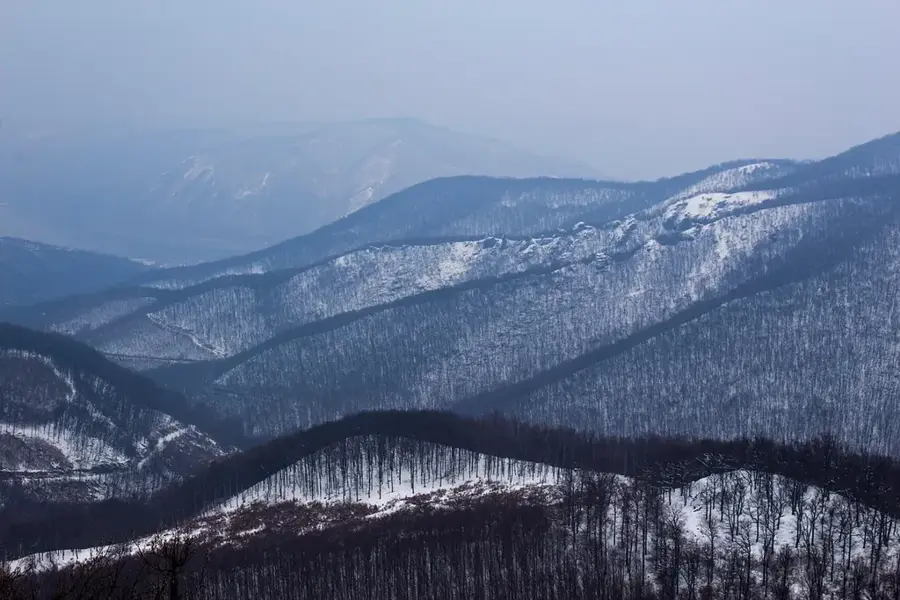
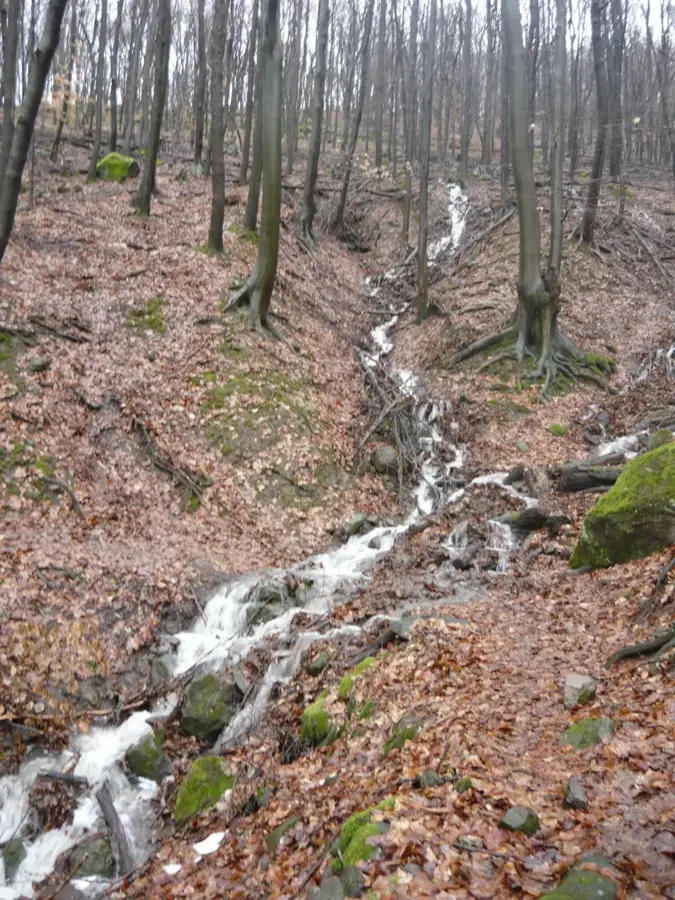
- The nearby Pilis hills offer great hiking trails; start early in summer to avoid the midday heat.
- Public transport by train from Budapest is often more comfortable and faster than taking the regional bus.
🍽 Food
Ask for locally made artisan sausages at the neighborhood butcher shops.
Look for authentic Swabian pretzels and baked goods in bakeries near the town center.
Enjoy a hearty, traditional Hungarian pörkölt in one of the taverns along the main road.
🛍 Shopping · 🧘 Quiet spots
Great for picking up fresh produce and homemade jams on weekend mornings.
First-rate for buying regional pastries and bread to take home.
A peaceful spot just outside the center, convenient for a quiet walk or observing nature.
Find a quiet clearing in the nearby woods for a relaxing afternoon away from traffic.
Water temperature…
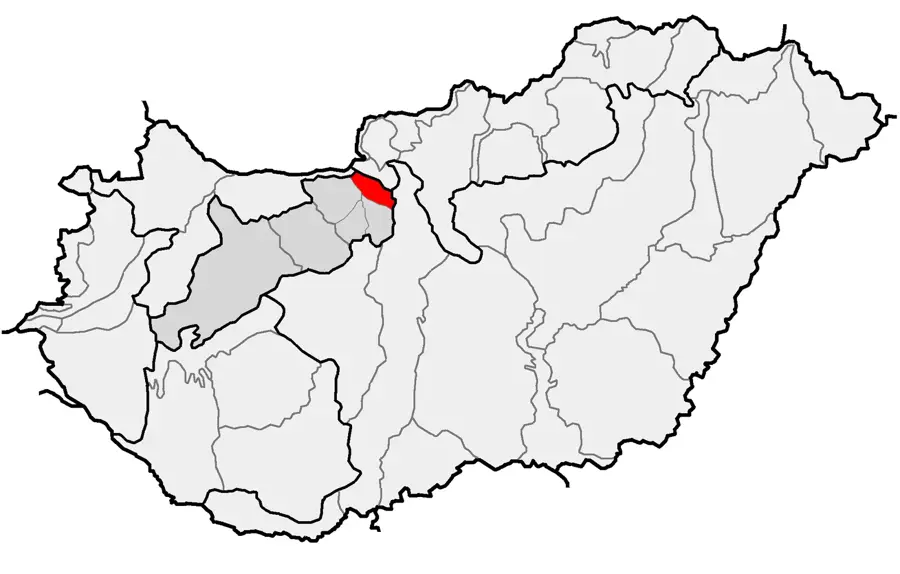
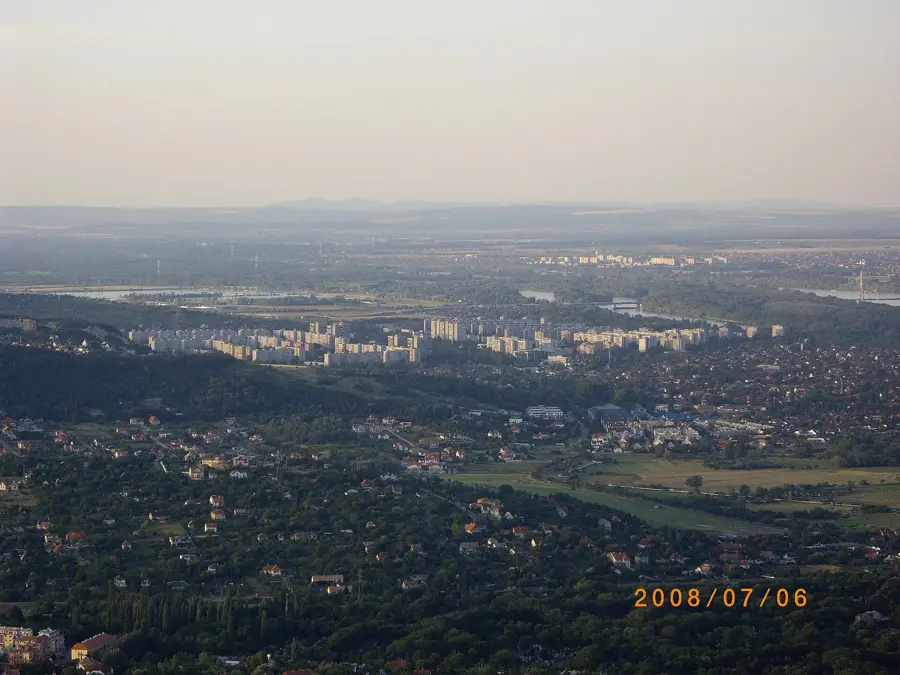
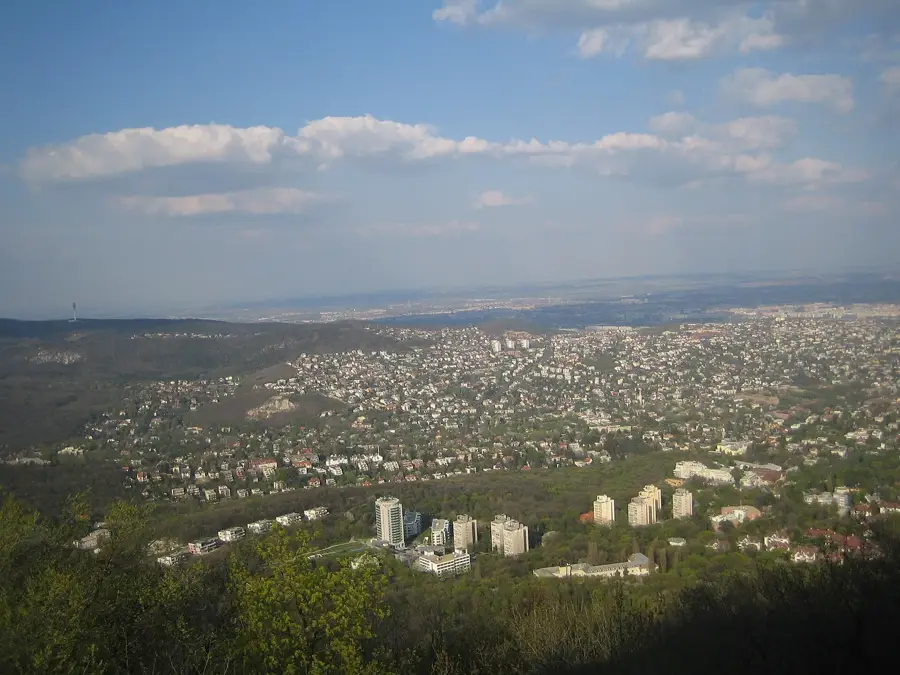
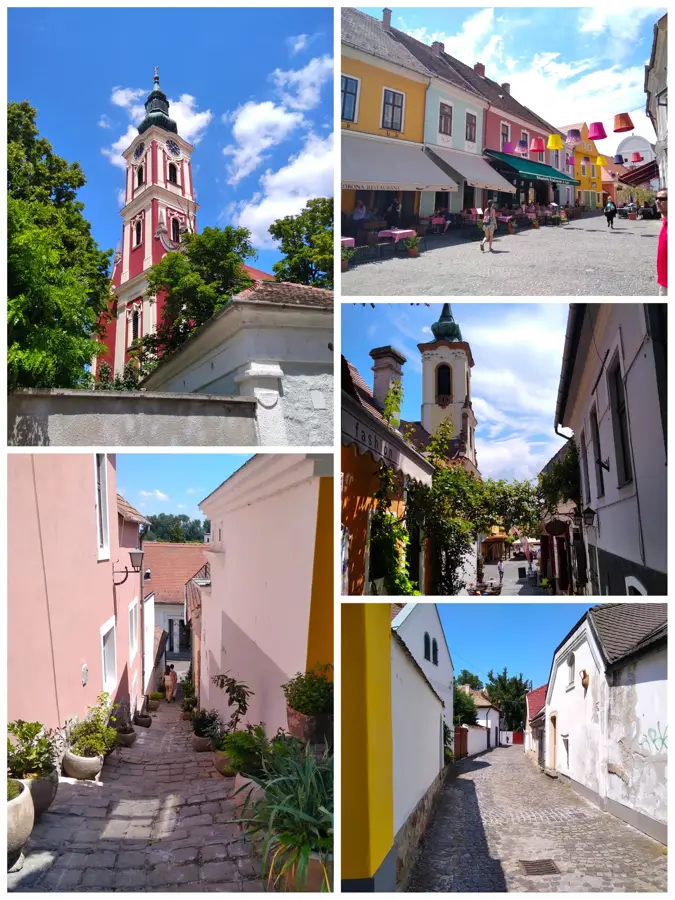
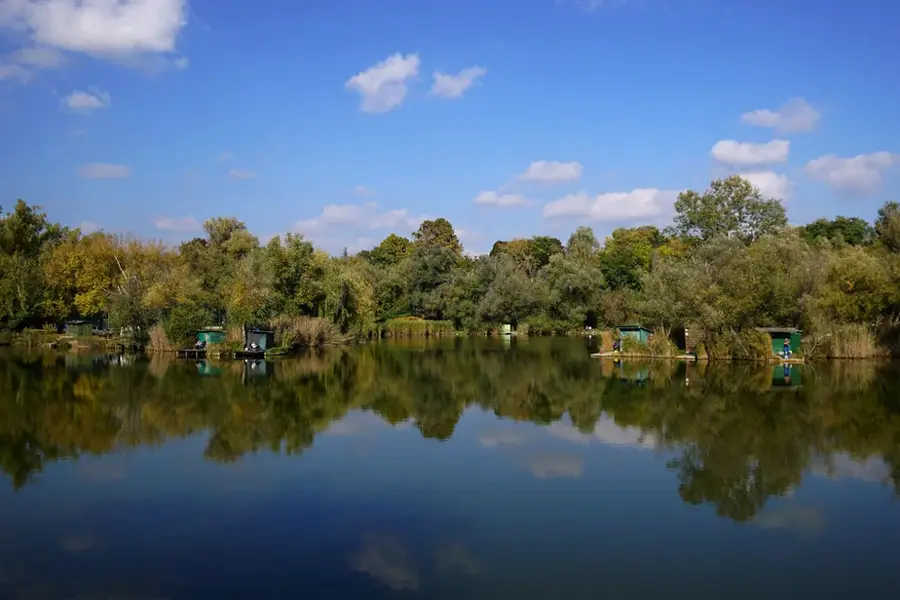
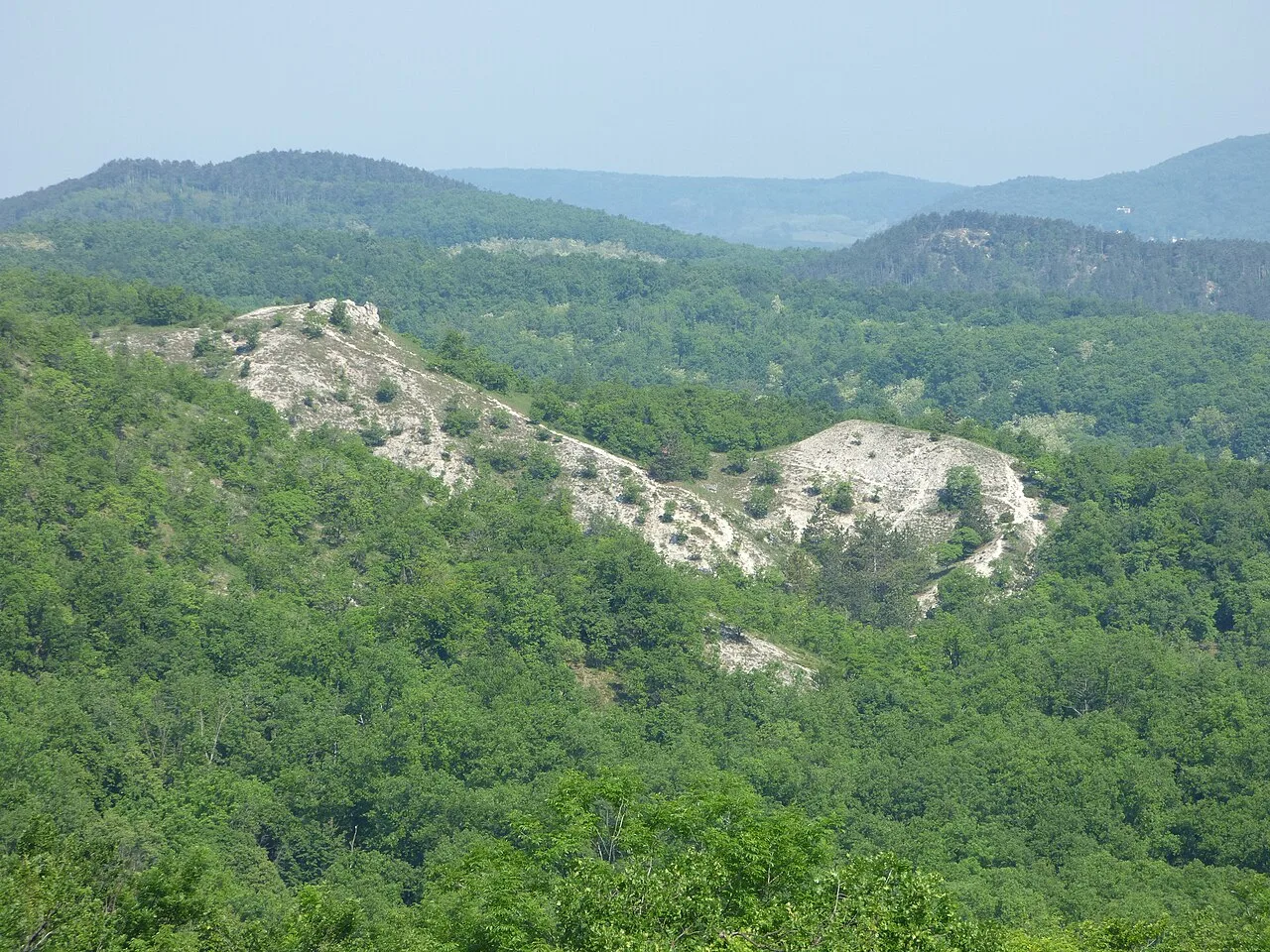
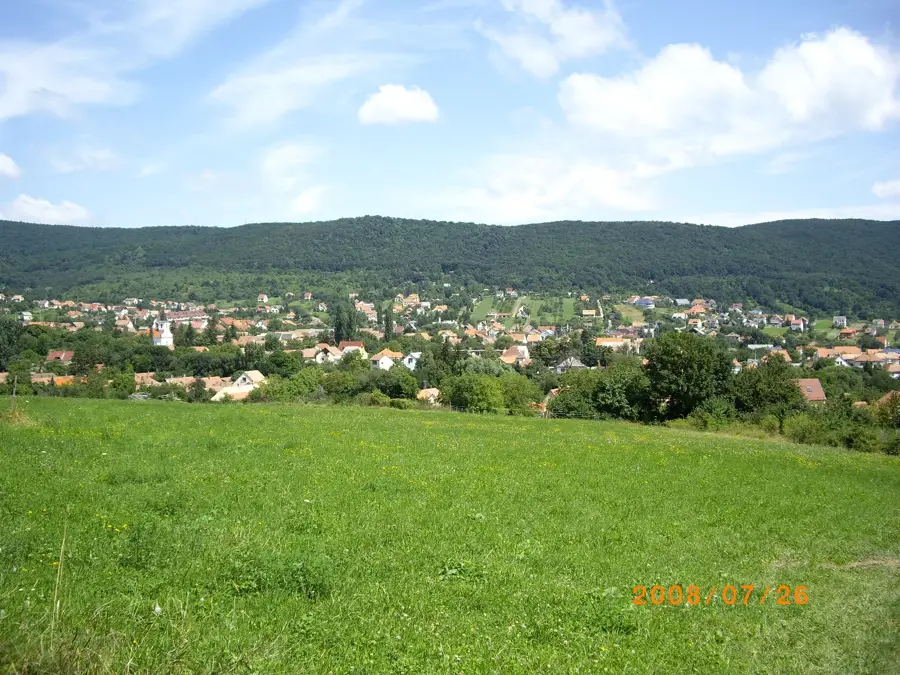
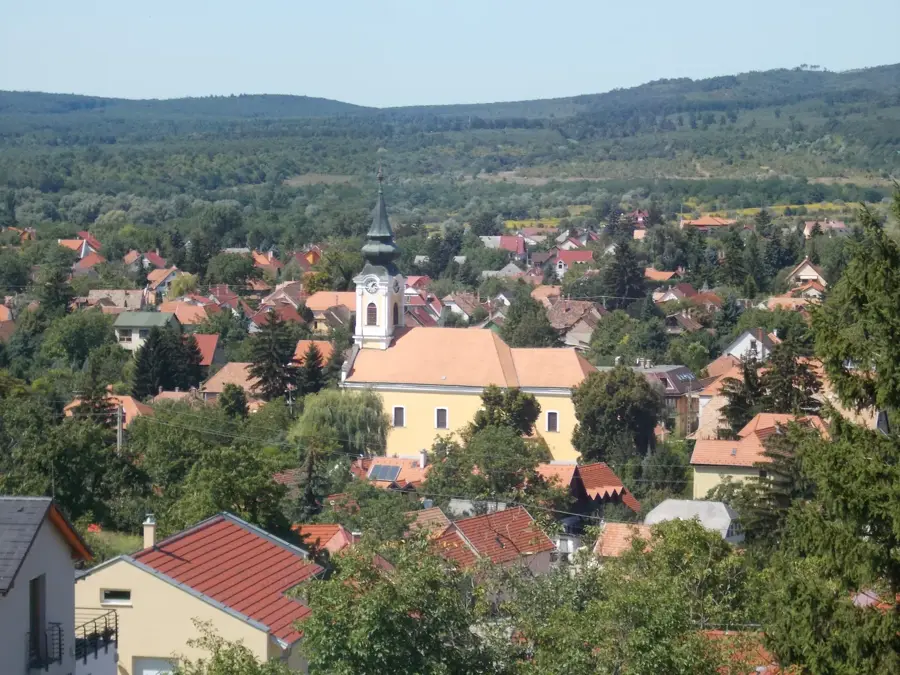
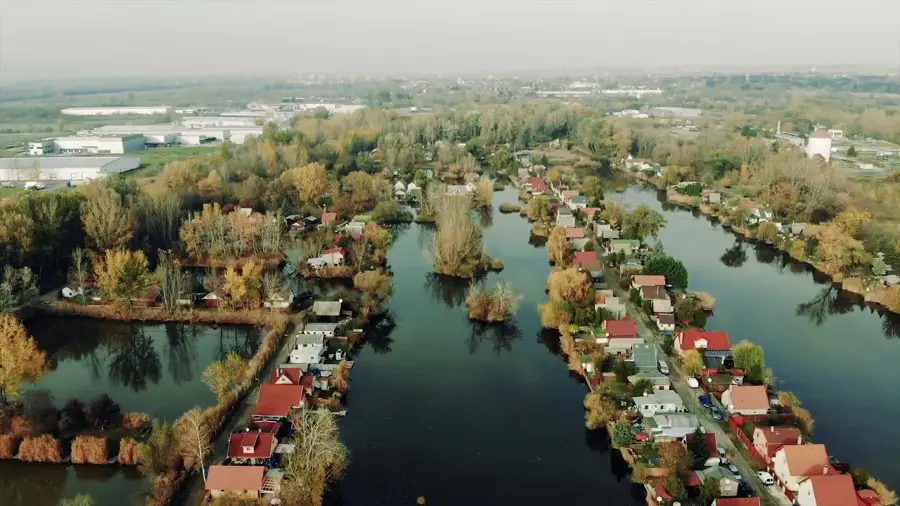
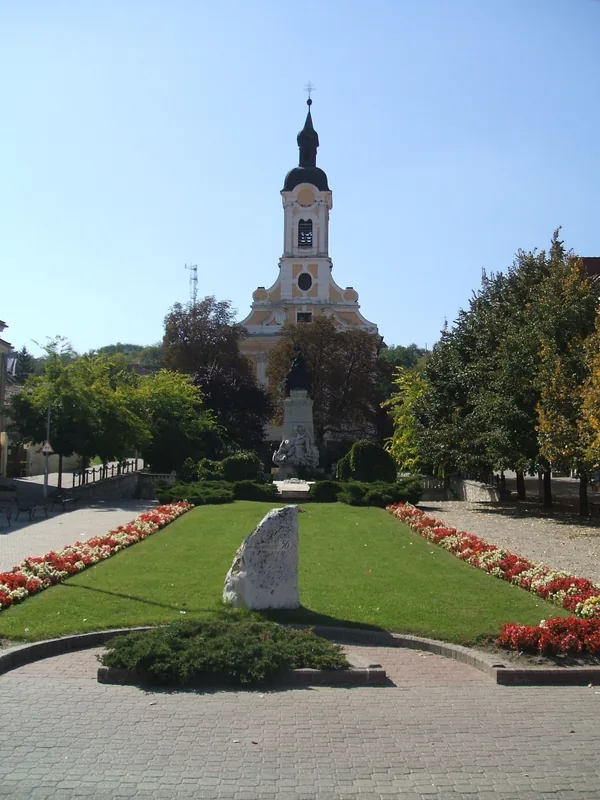
Pilisvörösvár is a spirited town tucked away in the Pilis Basin, northwest of Budapest, renowned for its deep-rooted ethnic German (Swabian) heritage and its industrial mining past. Following the Ottoman wars, the area was resettled in the early 1700s by German colonists whose descendants have preserved their unique dialect and traditions to this day. The town's economic trajectory was significantly shaped by coal mining, which thrived from the late 19th century until 1940. Today, the remnants of this industry are most visible in the 'Slötyi' lakes, a series of flooded former mining pits that have been transformed into a popular fishing and recreational area. The townscape is characterized by the Baroque Church of the Assumption and numerous monuments dedicated to the local miners. Pilisvörösvár is also a cultural hub, famous for its brass bands and the 'Vörösvár Days' festival, which showcases traditional folk music and dance. Due to its excellent rail links to Budapest and Esztergom, the town serves as a key residential center for commuters while remaining a gateway to the hiking trails of the Pilis Mountains, including the panoramic Lahne Cross viewpoint.
- Location: Hungary
- Top sights: Calvary Hill · Miners' Monument · House of Arts
- Nearby: Piliscsaba (6 km)
- Population: ~14.547
Best time to visit & climate
The most pleasant time to visit is Jun–Aug.
| Jan | Feb | Mar | Apr | May | Jun | Jul | Aug | Sep | Oct | Nov | Dec | |
|---|---|---|---|---|---|---|---|---|---|---|---|---|
| Avg °C | -2 | 0 | 5 | 11 | 16 | 21 | 23 | 22 | 17 | 11 | 5 | 0 |
| Rain mm | 39 | 40 | 41 | 35 | 65 | 70 | 66 | 63 | 57 | 51 | 44 | 43 |
Geography
Facts
- Year of German resettlement: 1720s
- Elevation to town status: 1997
- Origin of Slötyi Lakes: Former coal and sand mines
- Current population: ~14,200 inhabitants
- Main transportation link: Budapest-Esztergom railway
- Heritage focus: Swabian folklore and brass music
Explore nearby
Notable places around
Route planner — Car & Motorhome
Where do you start? We build the route here, with stops and country notes along the way.
© OpenStreetMap contributors · OpenRouteService
Sights in the town Pilisvörösvár (4)
Frequently asked questions
What is the origin of the name?
Which nationality is strongly represented here?
Are there lakes in Pilisvörösvár?
What is the most significant festival?
Can you go hiking from here?
Pilisvörösvár: where is it located?
Pilisvörösvár: what is there to see?
Pilisvörösvár: when is the best time to visit?
Pilisvörösvár: why is it worth visiting?

Nearby cities


History & landmarks



Nature
More places