Plizio Visual Lab
Kiskunság National Park
Weather…
Water temperature…
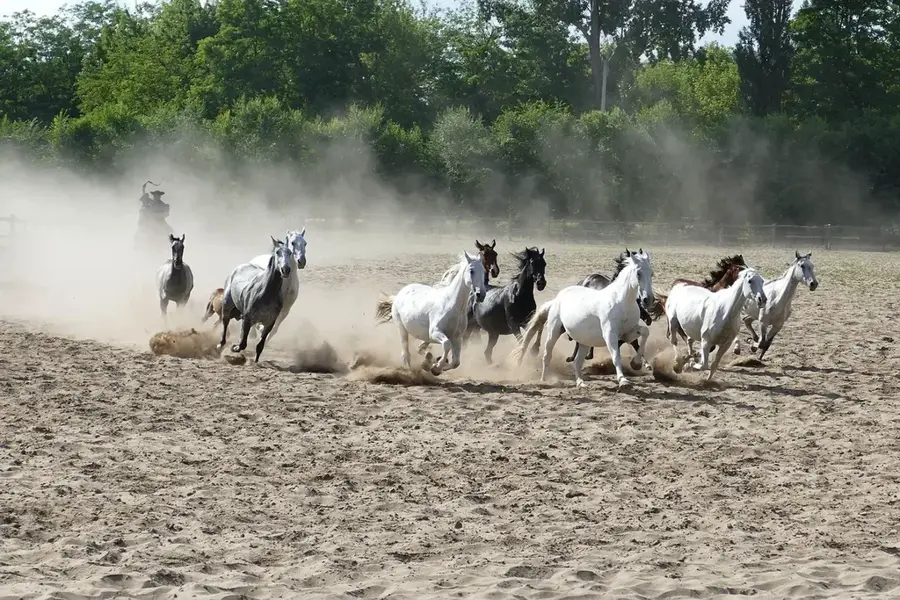
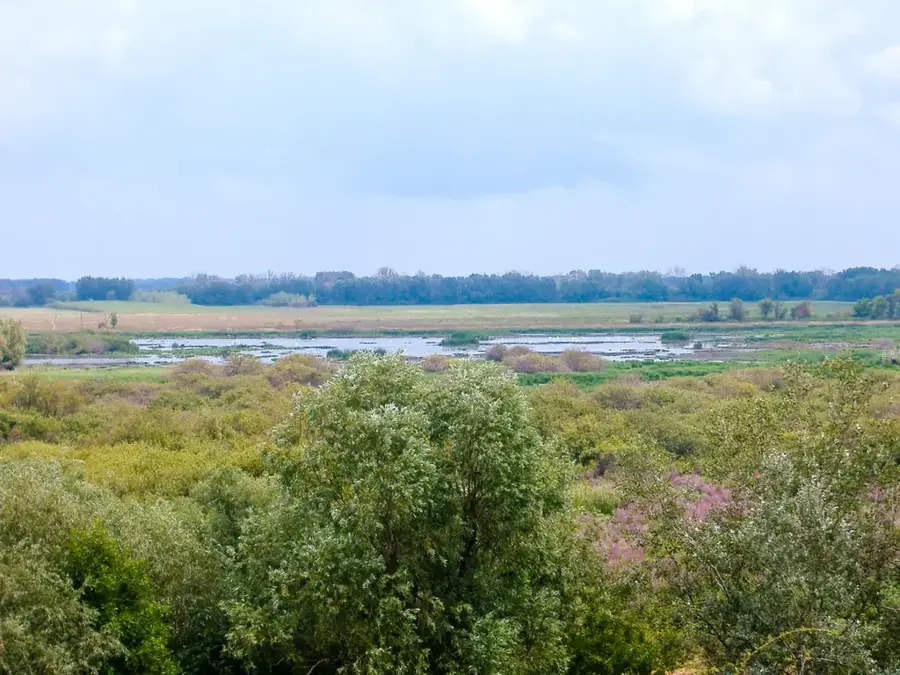
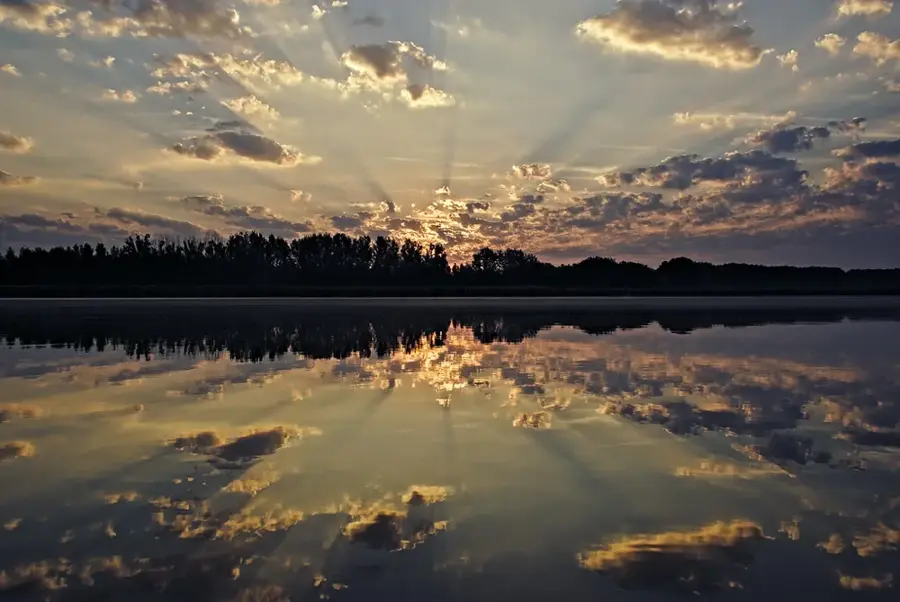
The Kiskunság National Park was established in 1975 as Hungary's second national park, consisting of nine distinct territorial units between the Danube and Tisza rivers. The park preserves the unique biodiversity of the Great Hungarian Plain, including saline lakes, sand dunes, and extensive Puszta landscapes. A significant part of it has been declared a Biosphere Reserve by UNESCO, highlighting its international ecological importance. Among its most famous areas are Bugac, renowned for its shepherd traditions and Hungarian Grey Cattle shows, and Fülöpháza with its shifting sand dunes. The saline lakes of Kiskunság are crucial resting places for tens of thousands of migratory birds, particularly cranes and various species of geese. The park's flora and fauna are adapted to extreme conditions, with rare species like the Great Bustard finding sanctuary here. Visitor centers in Kecskemét and Bugac provide exhibitions and tours to help raise environmental awareness. The national park plays a central role in preserving the region's cultural heritage and traditional livestock farming.
- Location: Hungary
- Nearby: Lajosmizse (22 km)
Best time to visit & climate
The most pleasant time to visit is Jun–Aug.
| Jan | Feb | Mar | Apr | May | Jun | Jul | Aug | Sep | Oct | Nov | Dec | |
|---|---|---|---|---|---|---|---|---|---|---|---|---|
| Avg °C | -1 | 1 | 6 | 12 | 17 | 21 | 24 | 23 | 18 | 12 | 6 | 0 |
| Rain mm | 37 | 42 | 39 | 36 | 63 | 74 | 65 | 59 | 56 | 50 | 42 | 43 |
📋 Practical info
Geography
Facts
- Year of establishment: 1975.
- Total area: approx. 570 square kilometers.
- It consists of 9 separate units.
- Home to one of the largest Great Bustard populations in Europe.
- UNESCO Biosphere Reserve since 1979.
- The Fülöpháza dunes are the largest shifting sand dunes in Hungary.
Explore nearby
Notable places around


Route planner — Car & Motorhome
Where do you start? We build the route here, with stops and country notes along the way.
© OpenStreetMap contributors · OpenRouteService
Sights nearby
Frequently asked questions
Do I need a permit for the Kiskunság National Park?
When is the best time for bird watching?
Are there toilets and restaurants in the park?
What is the typical landscape?
Are the paths suitable for children?
Kiskunság National Park: where is it located?
Kiskunság National Park: when is the best time to visit?
Kiskunság National Park: why is it worth visiting?

Nearby cities


History & landmarks

Nature
More places