Plizio Visual Lab
Helvécia

ℹ️Practical info — Helvécia
▾
🌤 Weather — 5 days
📍 Nearby
Sights nearby
💡 Tips
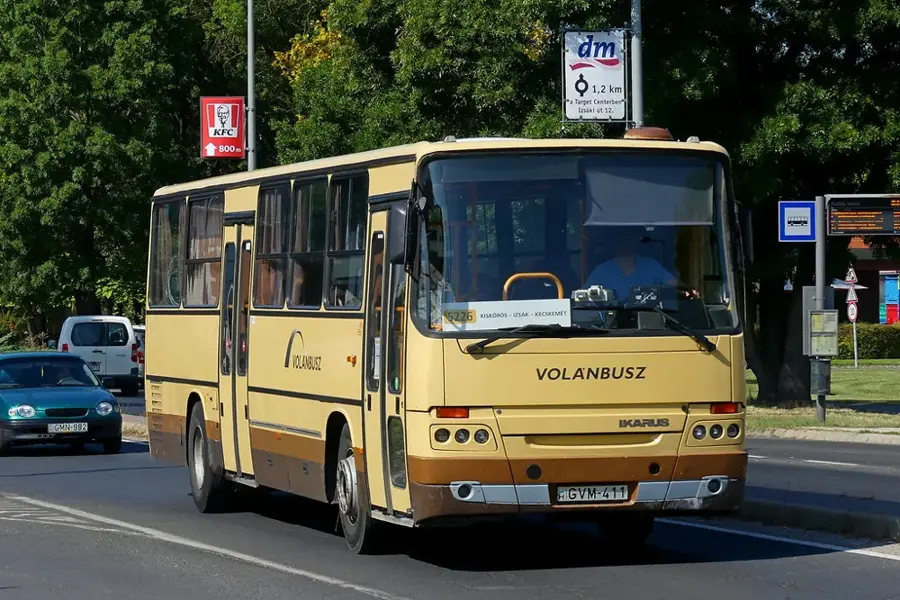
- Use the village as a quiet base; it's very easy to take a short local bus ride into Kecskemét for sightseeing.
- Visit during the autumn harvest season to experience local fruit and wine festivities.
- Bring your bike; the flat terrain of the Great Plain is well-suited for easy cycling trips.
- Be aware that local shops and eateries close early, so plan your dinner in advance.
- Taste the famous local apricot products, rooted in the region's strong agricultural history.
🍽 Food
Hearty and flavorful, served at local roadside csárdas.
The famous local spirit, available at pubs and farmsteads.
A popular homemade dessert found in local bakeries.
🛍 Shopping · 🧘 Quiet spots
Buy fresh seasonal fruits like apricots and plums directly from growers.
Great for purchasing locally produced table wines and spirits.
Enjoy peaceful walks or biking in the surrounding flat countryside.
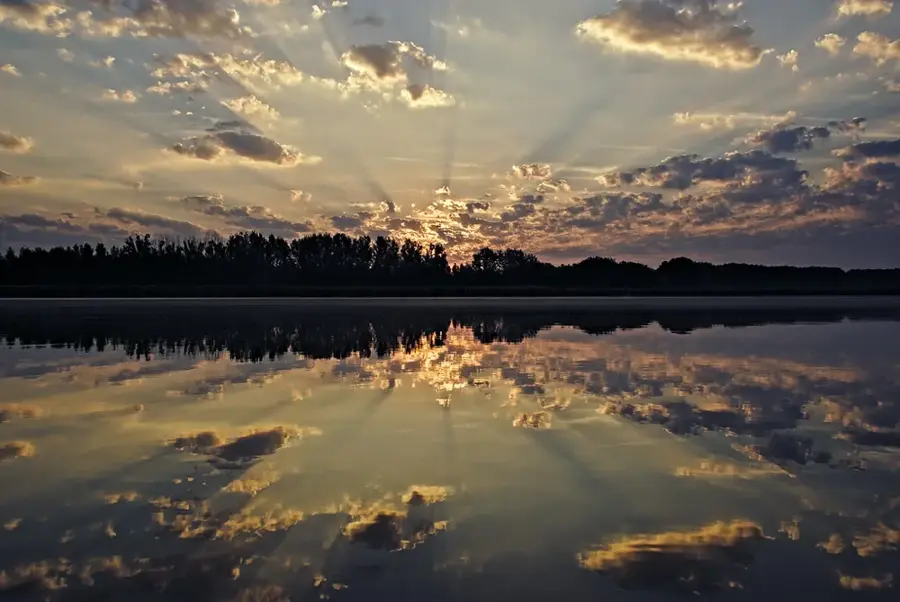
A calm, shaded spot to sit under the trees and relax.
Water temperature…
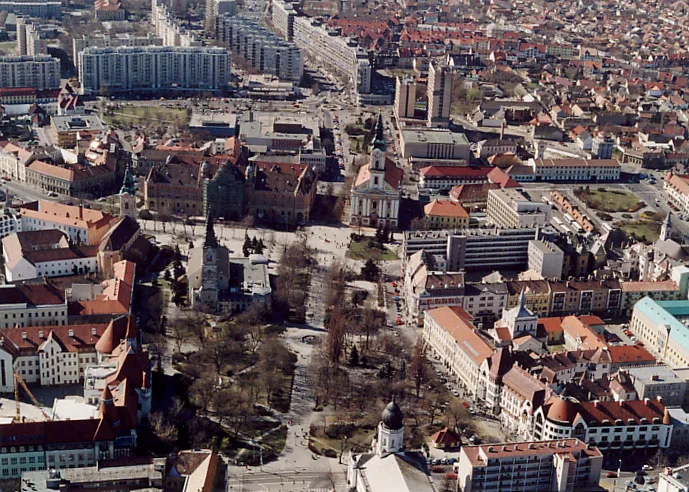
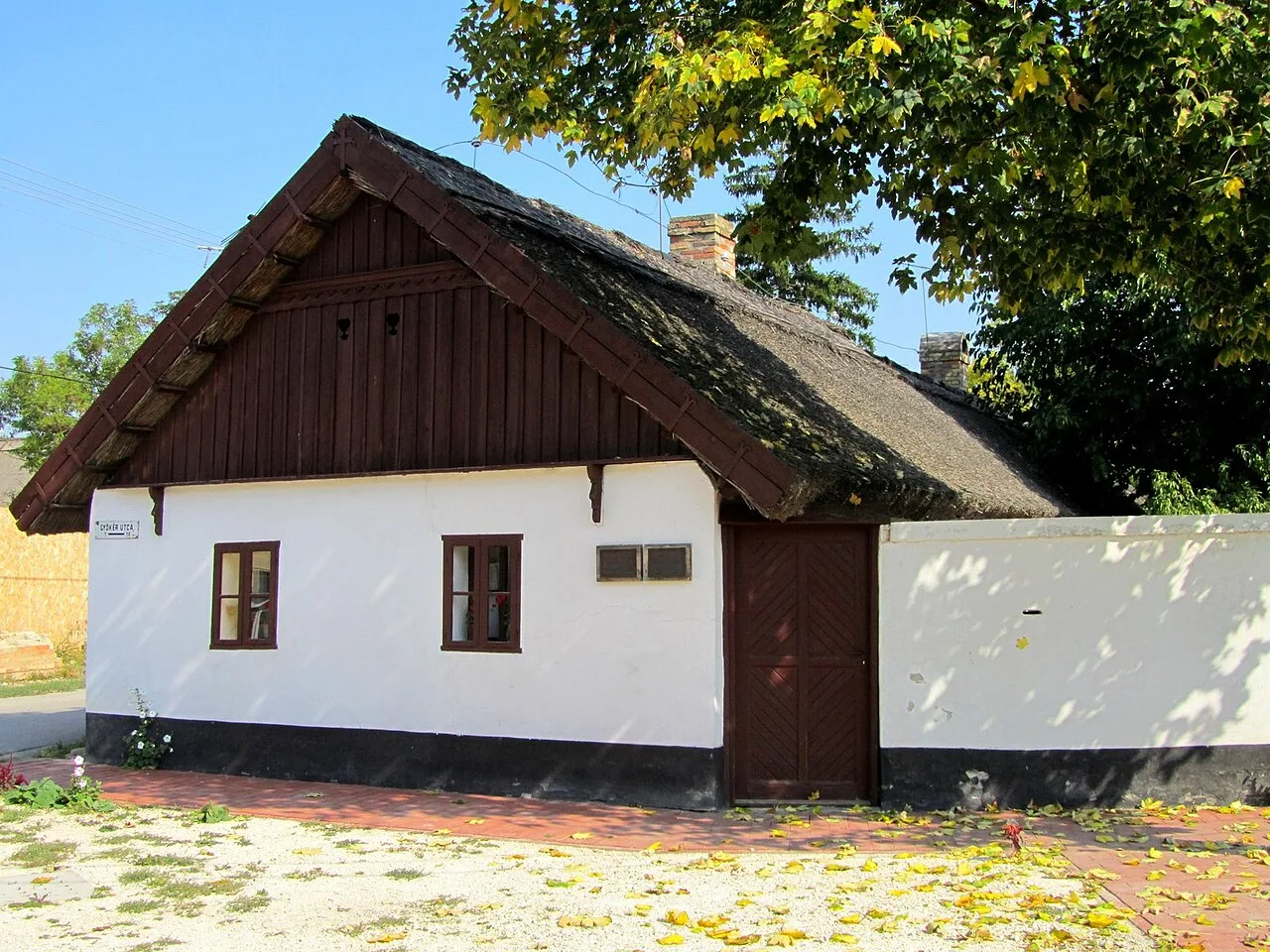
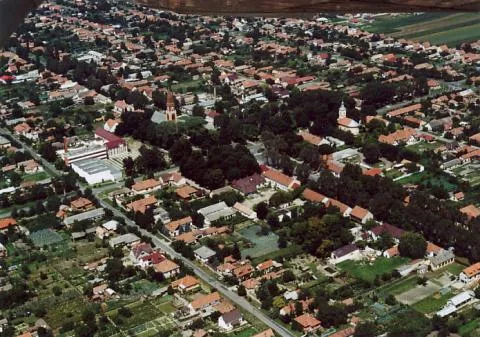
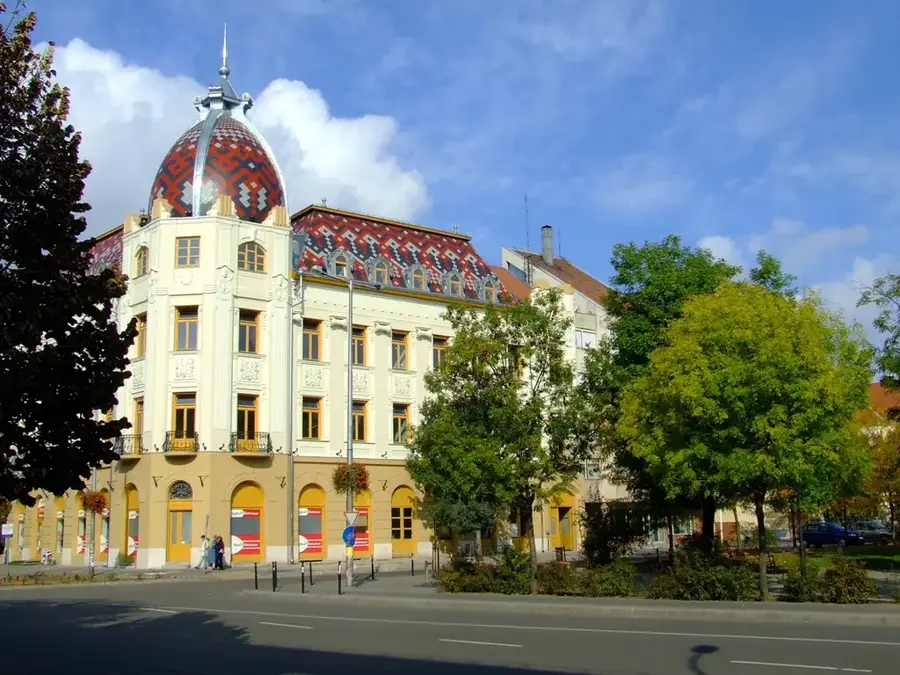
Helvécia is a unique settlement in Bács-Kiskun County, central Hungary, distinguished by its origins which are deeply rooted in Swiss-Hungarian cooperation and late 19th-century agricultural innovation. The village was founded in 1892 by the Swiss teacher and entrepreneur Heinrich Eduard Wéber, who recognized the potential of the sandy soils near Kecskemét for viticulture during a period when phylloxera was devastating traditional European vineyards. Named after the Latin designation for Switzerland, Helvécia attracted settlers who implemented advanced horticultural techniques, transforming the barren sand dunes into productive vineyards and orchards. This historical legacy is still evident in the local architecture, most notably the Wéber Castle, and the continued importance of wine production, which remains a cornerstone of the regional economy. The settlement's layout reflects a planned structure, featuring spacious plots and rows of vines that integrate seamlessly with the residential areas. Geographically, Helvécia sits on the Danube-Tisza interfluve, characterized by a continental climate that favors specific grape varieties. In recent decades, the village has evolved from a purely agricultural community into a sought-after residential area due to its proximity to the city of Kecskemét, offering a high quality of life that combines traditional rural values with modern infrastructure and a strong sense of community pride.
- Location: Hungary
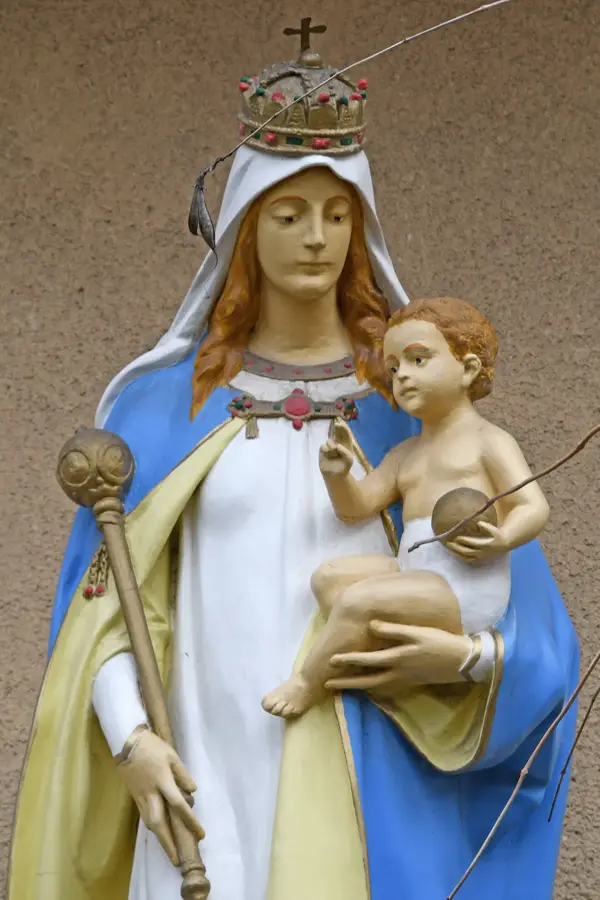
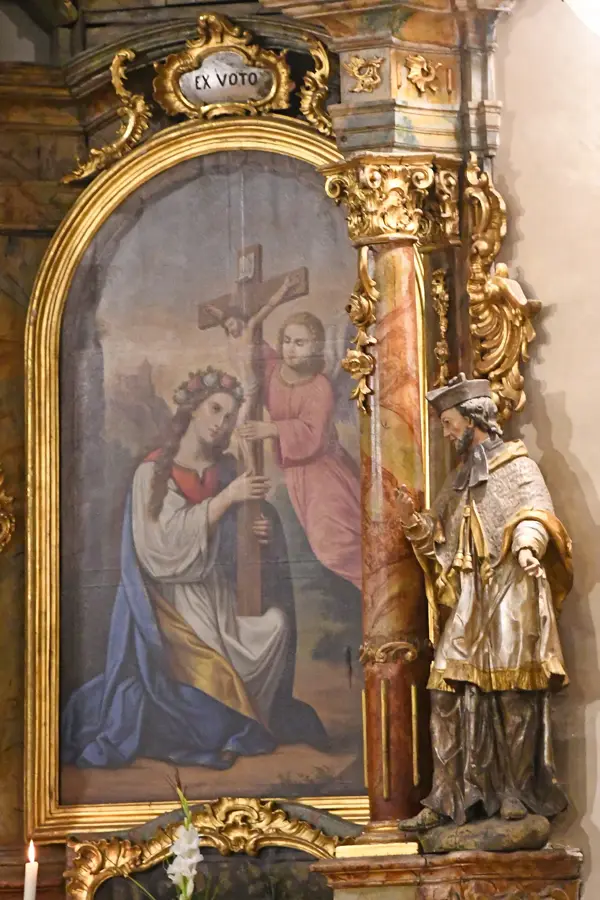
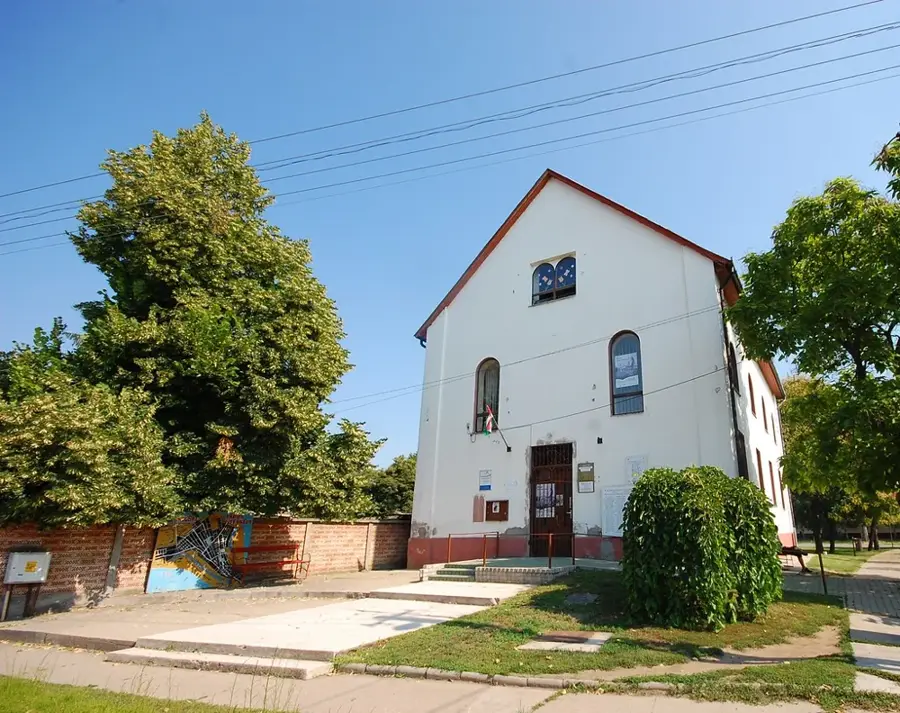
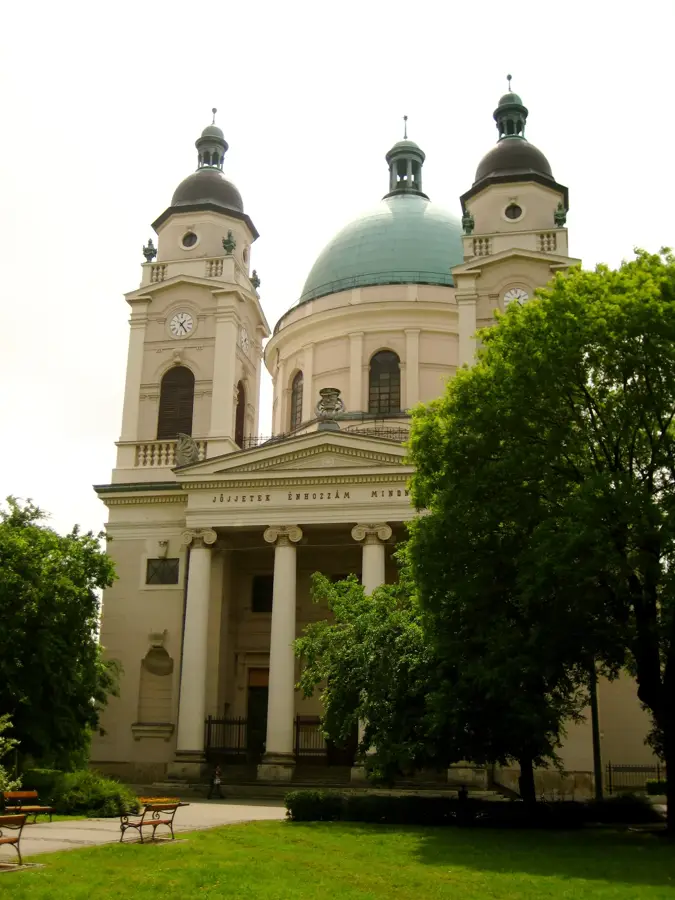
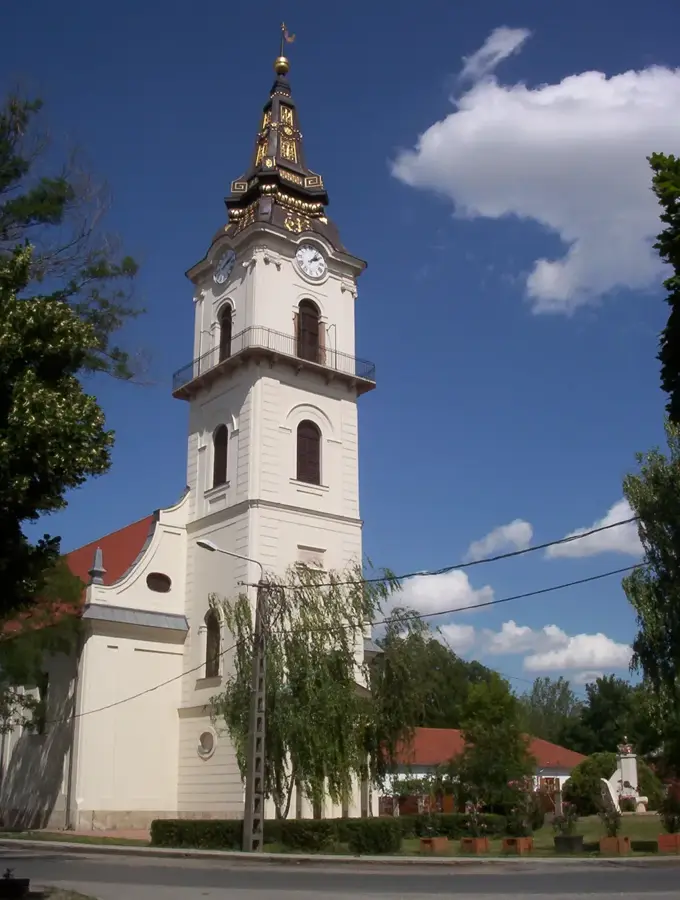
- Top sights: Our Lady of Hungary Catholic Church · Ede Wéber Memorial · Helvécia Community House
- Nearby: Kerekegyháza (16 km)
- Population: ~5.070
Best time to visit & climate
The most pleasant time to visit is Jun–Aug.
| Jan | Feb | Mar | Apr | May | Jun | Jul | Aug | Sep | Oct | Nov | Dec | |
|---|---|---|---|---|---|---|---|---|---|---|---|---|
| Avg °C | -1 | 1 | 6 | 12 | 17 | 21 | 24 | 23 | 18 | 12 | 6 | 0 |
| Rain mm | 37 | 42 | 39 | 36 | 63 | 74 | 65 | 59 | 56 | 50 | 42 | 43 |
Geography
Facts
- Established in 1892 by Swiss educator Heinrich Eduard Wéber.
- Named after Helvetia, the Latin name for Switzerland.
- Located 7 kilometers southwest of Kecskemét.
- Key center for viticulture on sandy soil regions.
- Home to the historic Wéber Castle landmark.
- The total population is approximately 4,500 residents.
Explore nearby
Notable places around

Route planner — Car & Motorhome
Where do you start? We build the route here, with stops and country notes along the way.
© OpenStreetMap contributors · OpenRouteService
Sights in the town Helvécia (5)
Frequently asked questions
Who founded Helvécia?
What is Helvécia famous for?
What is the Wéber Castle?
Where is Helvécia located?
What products can I buy here?
Helvécia: where is it located?
Helvécia: what is there to see?
Helvécia: when is the best time to visit?
Helvécia: why is it worth visiting?

Nearby cities

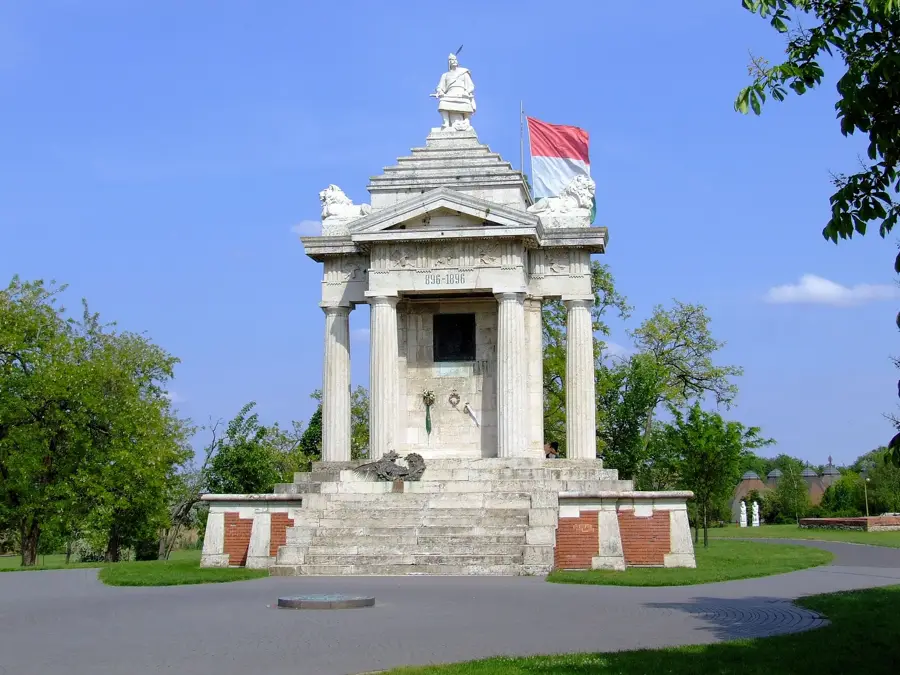
History & landmarks
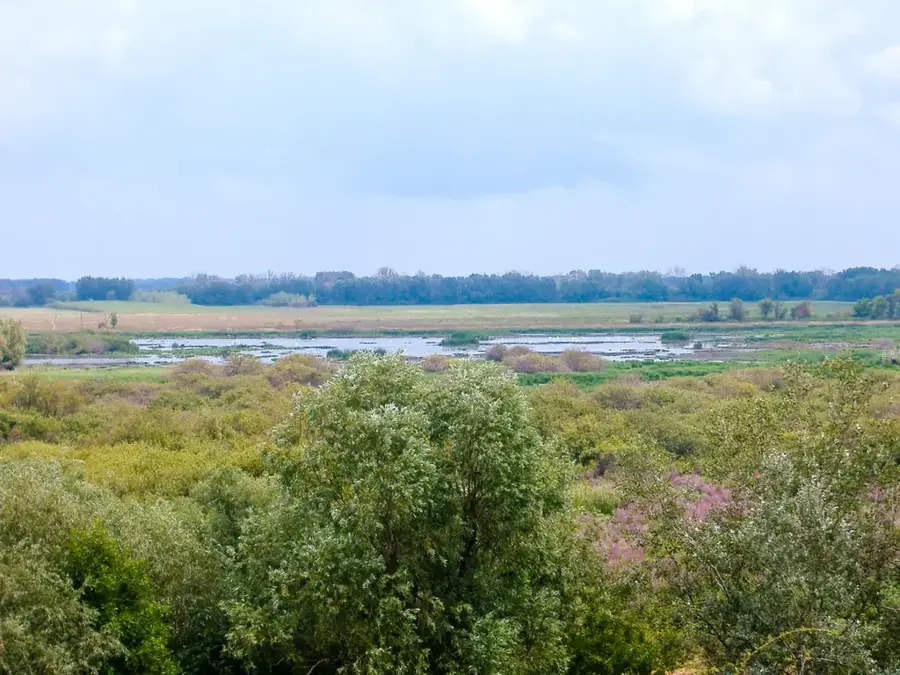
Nature
More places