Plizio Visual Lab

Barima-Waini Mangrove Forests
Plizio editorial teamData Sources
Forest
—°
Barima-Waini Mangrove Forests (Guyana)

Weather…

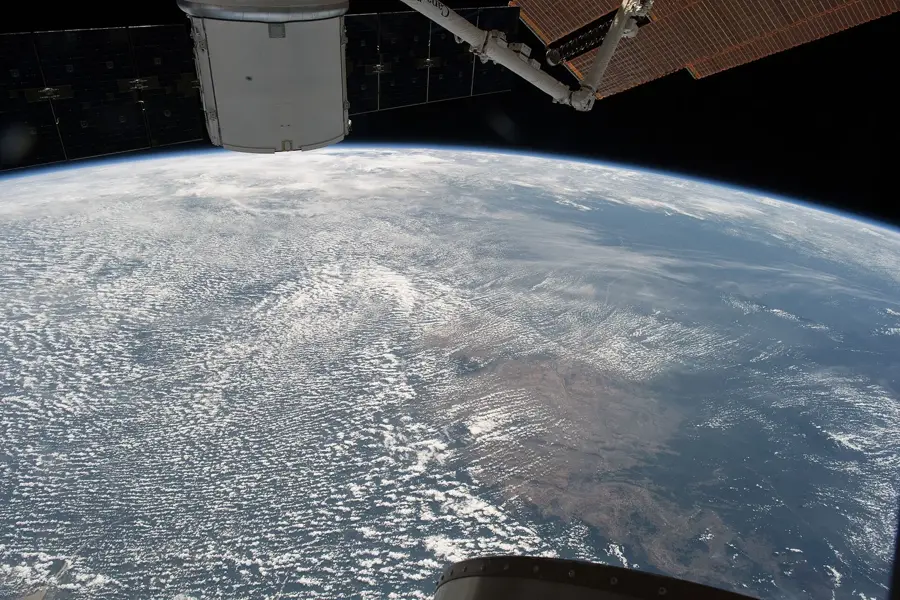
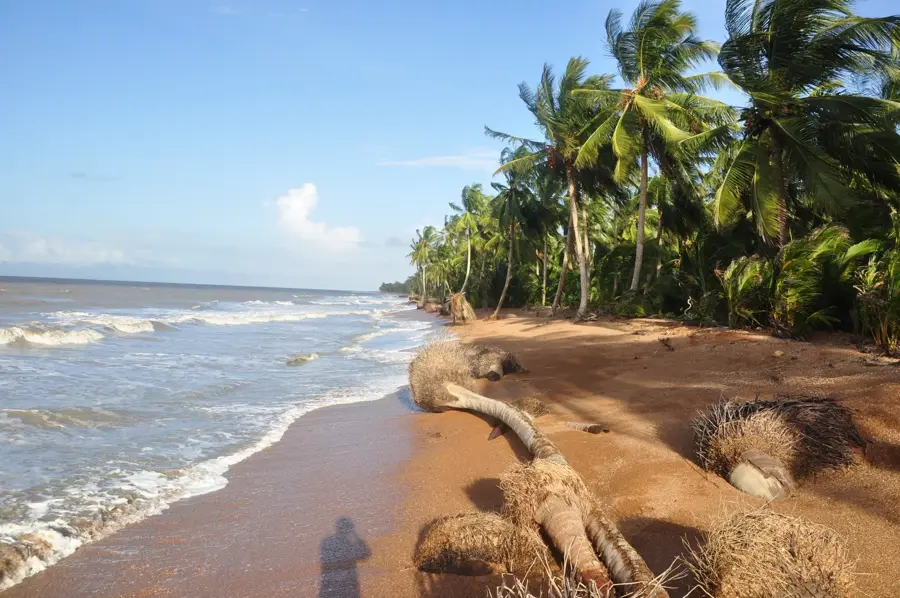
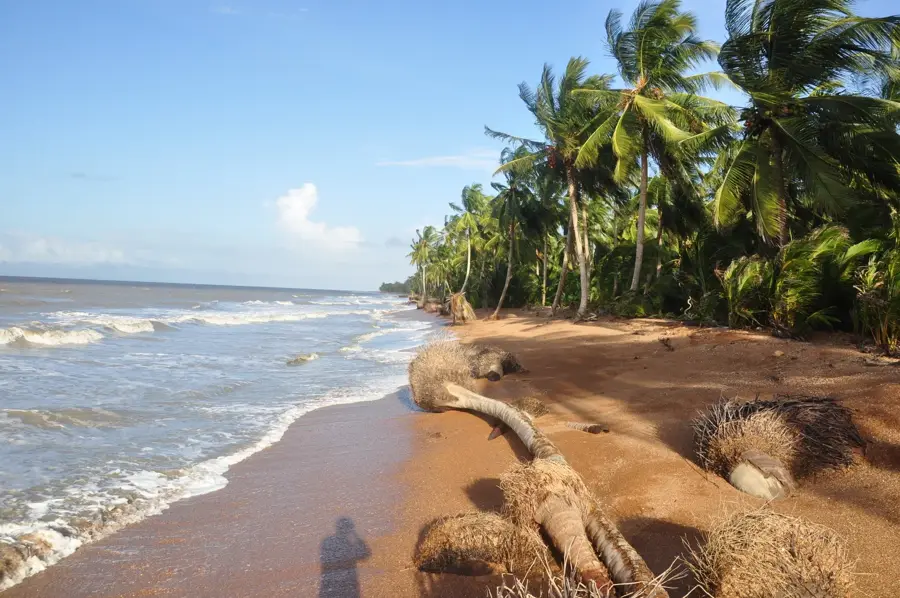
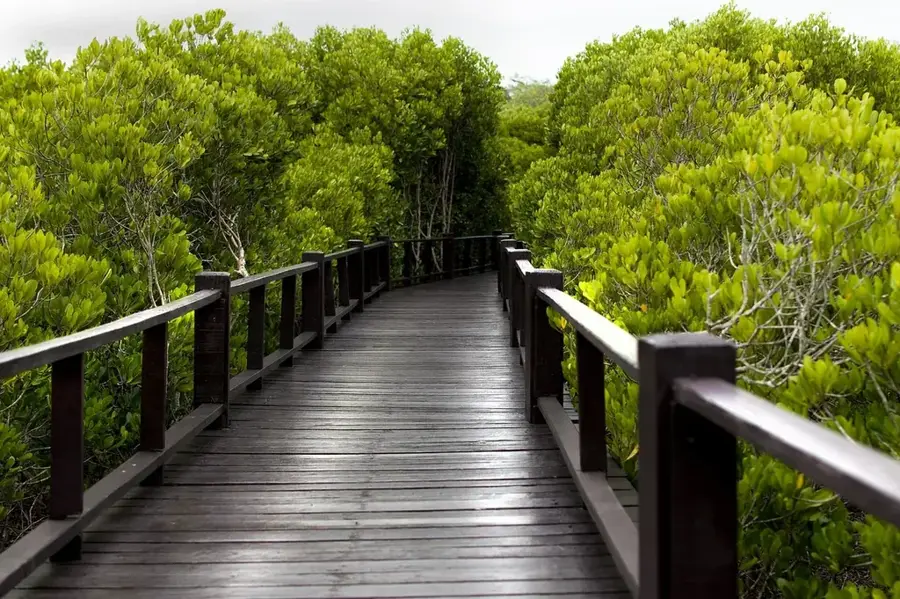
The Barima-Waini Mangrove Forests stretch along Guyana's northwestern Atlantic coast, forming a vital barrier between the sea and the mainland. This ecosystem consists primarily of red, black, and white mangroves adapted to the saline conditions of the intertidal zone. They function as a natural coastal protection system, preventing erosion and mitigating the impact of storm surges. Furthermore, mangroves serve as a nursery for numerous fish species, shrimp, and crabs, making them the foundation of the local fishing economy. Historically, mangrove bark was used for tanning, but today their protection is a focus of national environmental programs. The region also hosts a rich birdlife, including the scarlet ibis, which finds its nesting sites here. Soil salinization and rising sea levels pose growing challenges for the preservation of these forests. Local reforestation initiatives and community awareness programs are helping to preserve this unique heritage for future generations.

Best time to visit & climate

The most pleasant time to visit is Feb–Apr.

JanFebMarAprMayJunJulAugSepOctNovDec
Avg °C262626272726262727272726
Rain mm1429469104245263245174103113179219

📋 Practical info

🧭
Getting there
These extensive mangrove forests on the remote northwestern coast of Guyana are generally accessible only by navigating the waterways. Visitors typically reach the area by hiring chartered boats or joining guided tours departing from the nearest coastal settlements.
📅
Best season
The most reliable time to visit is usually during the relatively drier months from February to April, or late in the summer. During the heavy rainy seasons, water levels can become dangerously high and unpredictable, making boating difficult and wildlife scarce.
⛰️
Terrain & paths
The environment consists almost entirely of impenetrable root systems, deep mud, and a complex network of winding tidal channels. There is absolutely no dry land for hiking; exploration is conducted entirely from the seat of a small boat moving through the creeks.
🎒
What to bring
Because the environment is intrinsically wet and muddy, waterproof clothing and rubber boots are highly recommended for any temporary stops. Absolutely essential items include high-strength insect repellent, sun protection, plenty of drinking water, and binoculars.
🅿️
Parking
Naturally, there are zero parking facilities available within this completely undeveloped and inundated coastal environment. Any road vehicles must be left securely in the distant departure towns before transitioning to water transport for the journey into the mangroves.
⚠️
Safety
Navigating the labyrinthine channels of the mangrove swamp is notoriously confusing, making an experienced local boat captain absolutely mandatory. Visitors must also remain acutely aware of shifting tides and take constant precautions against swarms of biting insects.
⏱️
Time needed
Because of the sheer remoteness and the considerable time required simply to travel by boat, a basic excursion to see the mangroves typically consumes a full day. Deep exploration of this vital ecosystem frequently requires professionally organized multi-day expeditions.

Geography

Coordinates
8.00000, -59.50000

Facts

  • In Guyana, there are three main types of mangroves: Rhizophora, Avicennia, and Laguncularia.
  • The Barima-Waini region (Region 1) has the largest mangrove coverage in the country.
  • Mangroves store up to four times more carbon than tropical rainforests.
  • The 'Shell Beach' in this region is an important nesting ground for sea turtles.
  • Approximately 80% of the world's fish catch depends directly or indirectly on mangroves.
  • The national mangrove management project was launched in 2010.

Explore nearby

Notable places around

Route planner — Car & Motorhome

Where do you start? We build the route here, with stops and country notes along the way.

Vehicle
Only stops with (optional):

© OpenStreetMap contributors · OpenRouteService

Sights nearby

Frequently asked questions

Why are these mangrove forests important?
They protect the coast from erosion and are breeding grounds for many fish species.
Can the mangroves be visited?
Yes, best by boat at high tide to penetrate deep into the channels.
What animals live in the mangroves?
Crabs, water birds, and sometimes manatees in the estuarine areas.
What is Shell Beach?
A nearby beach where rare sea turtles lay their eggs.
Is the area swampy?
Yes, the ground is very soft and muddy; walking is difficult.
Barima-Waini Mangrove Forests: where is it located?
Barima-Waini Mangrove Forests is located in Guyana.
Barima-Waini Mangrove Forests: when is the best time to visit?
The most pleasant time to visit is Feb, Apr.
Barima-Waini Mangrove Forests: why is it worth visiting?
The Barima-Waini Mangrove Forests stretch along Guyana's northwestern Atlantic coast, forming a vital barrier between the sea and the mainland.
View on map → The Top 50 Attractions → OpenStreetMap →
South America
Explore with Plizio Discover more places in South America
More places in Guyana →

Nearby cities

Nature

More places