Plizio Visual Lab
Dubréka Mangrove Habitats
Weather…
Water temperature…
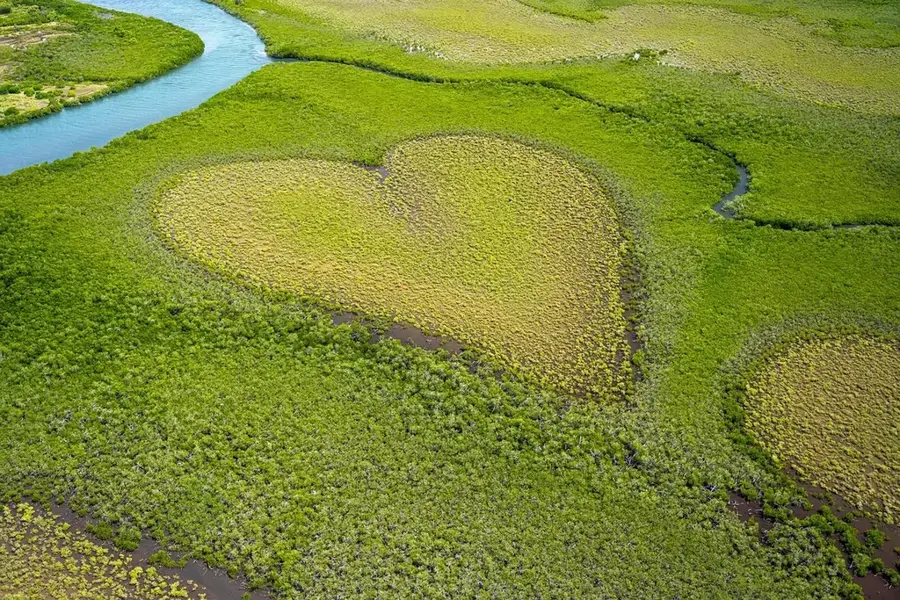
The mangrove habitats of Dubréka form a complex and vital ecosystem along the coast of Maritime Guinea, just north of Conakry. Geographically, these tidal forests thrive in the estuaries and shallow coastal zones where freshwater runoff from the Fouta Djallon mountains mixes with the Atlantic's saltwater. Dominant tree species, such as the Red Mangrove (Rhizophora), have perfectly adapted to the extreme conditions of shifting tides and high salinity. These habitats act as a critical nursery for numerous fish species, crabs, and shrimp, providing the lifeblood for local artisanal fishing. Economically, the mangrove zone is of immense value, serving not only as a food source but also as a natural buffer against coastal erosion and storm surges. For generations, life in the coastal villages around Dubréka has revolved around the sustainable use of these resources, including traditional salt production and wood harvesting. In recent decades, however, these mangroves have come under increasing pressure from urban sprawl and over-exploitation for charcoal production. For visitors, a pirogue trip through the winding mangrove channels features a compelling natural experience, highlighting the ecological richness and vulnerability of Guinea's coastline.
- Location: Guinea
- Nearby: Coyah (17 km)
Best time to visit & climate
The most pleasant time to visit is Jan, Feb, Dec.
| Jan | Feb | Mar | Apr | May | Jun | Jul | Aug | Sep | Oct | Nov | Dec | |
|---|---|---|---|---|---|---|---|---|---|---|---|---|
| Avg °C | 27 | 29 | 29 | 29 | 28 | 27 | 26 | 25 | 26 | 26 | 27 | 26 |
| Rain mm | 0 | 2 | 1 | 13 | 87 | 322 | 749 | 865 | 438 | 178 | 45 | 2 |
📋 Practical info
Geography
Facts
- Mangroves act as a critical carbon sink, storing more CO2 than terrestrial forests.
- The area is a significant sanctuary for various species of migratory birds.
- Traditional salt mining in these zones provides essential income for rural households.
- The tangled roots of the mangroves protect juvenile fish from oceanic predators.
- Dubréka's mangroves are under national protection to mitigate coastal land loss.
- They form part of the Upper Guinea Mangroves ecoregion, one of the world's most biodiverse.
Explore nearby
Notable places around



Route planner — Car & Motorhome
Where do you start? We build the route here, with stops and country notes along the way.
© OpenStreetMap contributors · OpenRouteService
Sights in the town Dubréka Mangrove Habitats (1)
Sights nearby
Frequently asked questions
How is it best to explore the mangroves?
Which birds can be observed there?
Do tides play a role?
Are there mosquitoes there?
Is fishing allowed there?
Dubréka Mangrove Habitats: where is it located?
Dubréka Mangrove Habitats: when is the best time to visit?
Dubréka Mangrove Habitats: why is it worth visiting?

Nearby cities
History & landmarks
Nature
More places