Plizio Visual Lab
Uno

ℹ️Practical info — Uno
▾
🌤 Weather — 5 days
📍 Nearby
Sights nearby
💡 Tips
- Ferries from Bissau to the Bijagós islands are infrequent; always double-check the schedule.
- The local culture is deeply animist and matriarchal; always ask permission before entering certain areas or taking photos.
- There are no ATMs on the island, so bring all the cash you will need.
- Respect the sacred forests; entry is strictly forbidden for non-initiates.
🍽 Food
Enjoy incredibly fresh barracuda or grouper grilled simply by the beach.
Foraged directly from the island's mangroves by local women.
Start your morning with a strong, small cup of local coffee.
🛍 Shopping · 🧘 Quiet spots
Look for traditional wood carvings and woven baskets made by islanders.
Buy directly from fishermen returning to the shore.
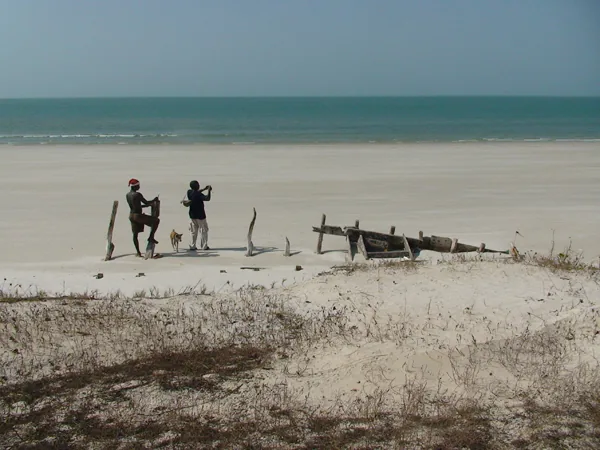
Relax on the pristine, uncrowded sandy shores surrounding the island.
Take a respectful walk on the paths connecting small island hamlets.
Water temperature…
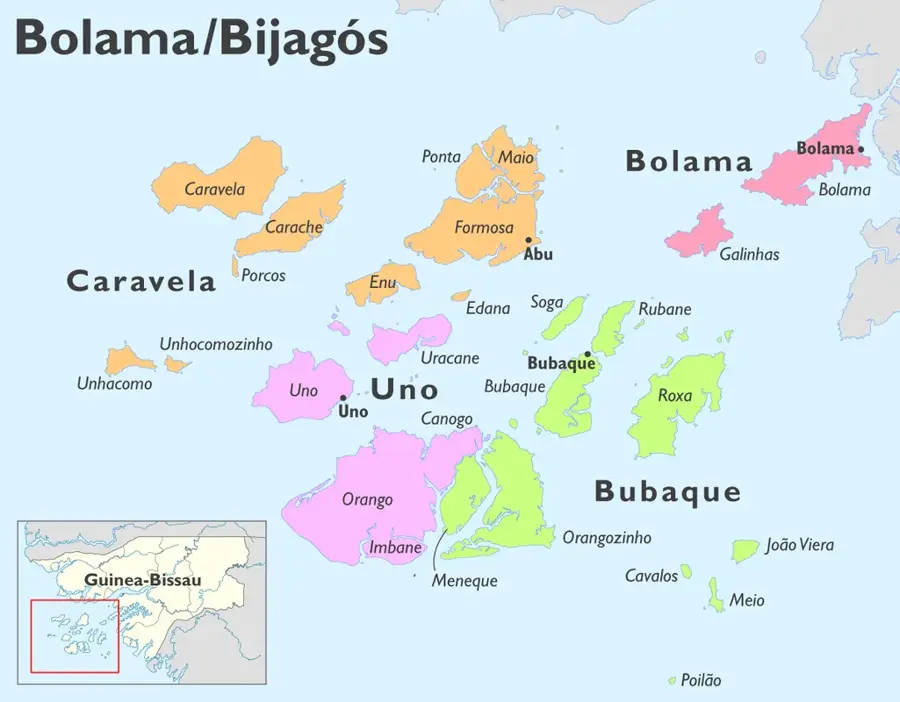
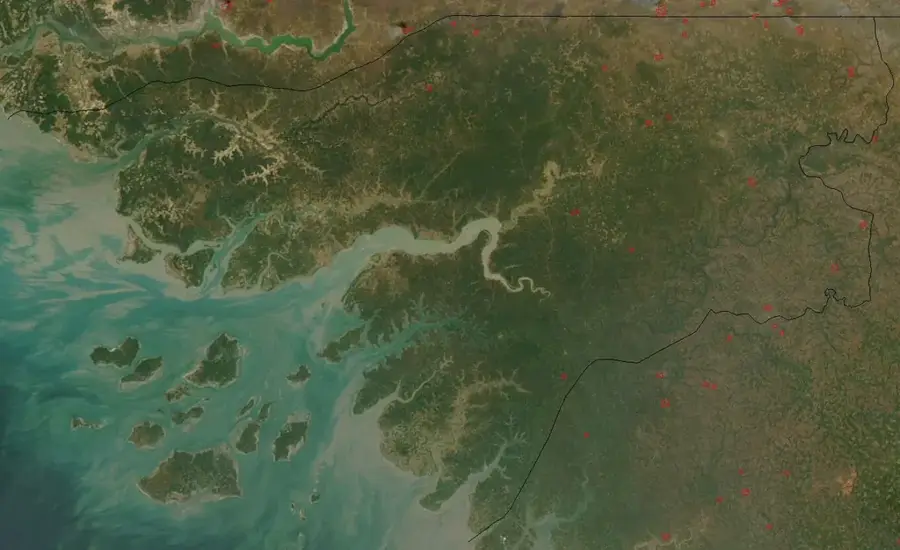
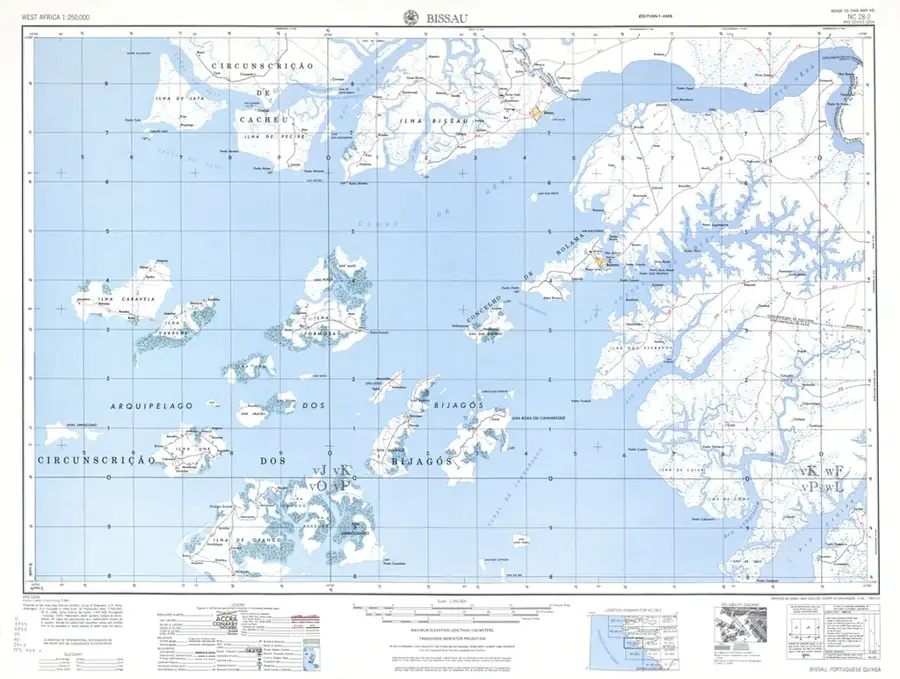
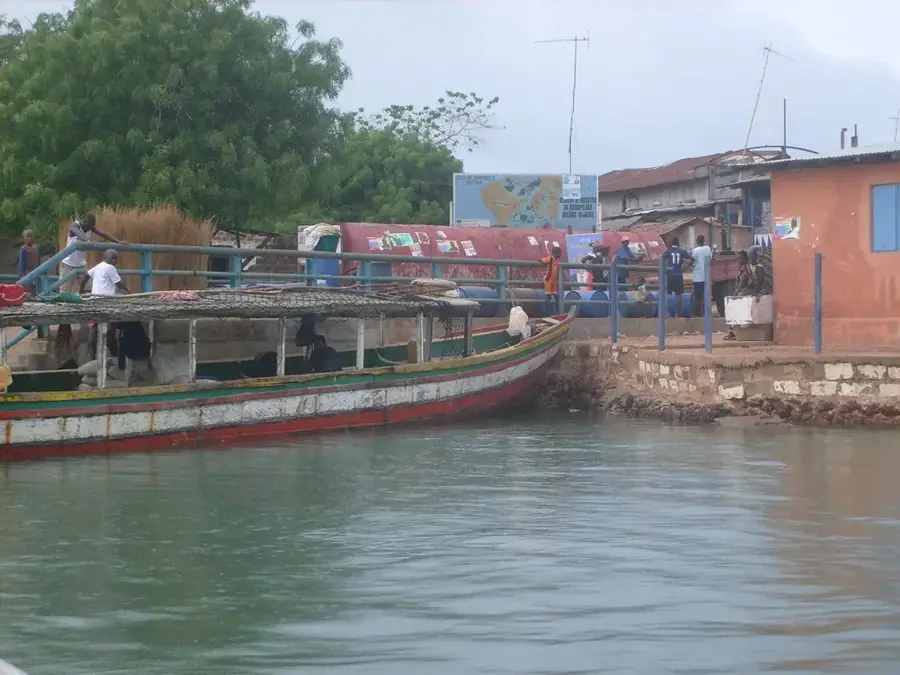
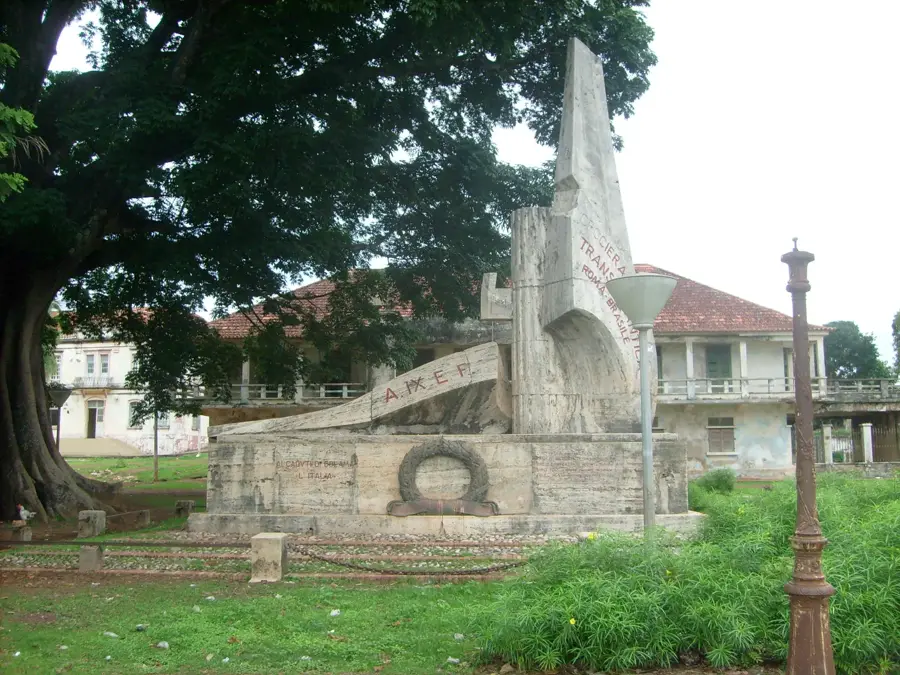
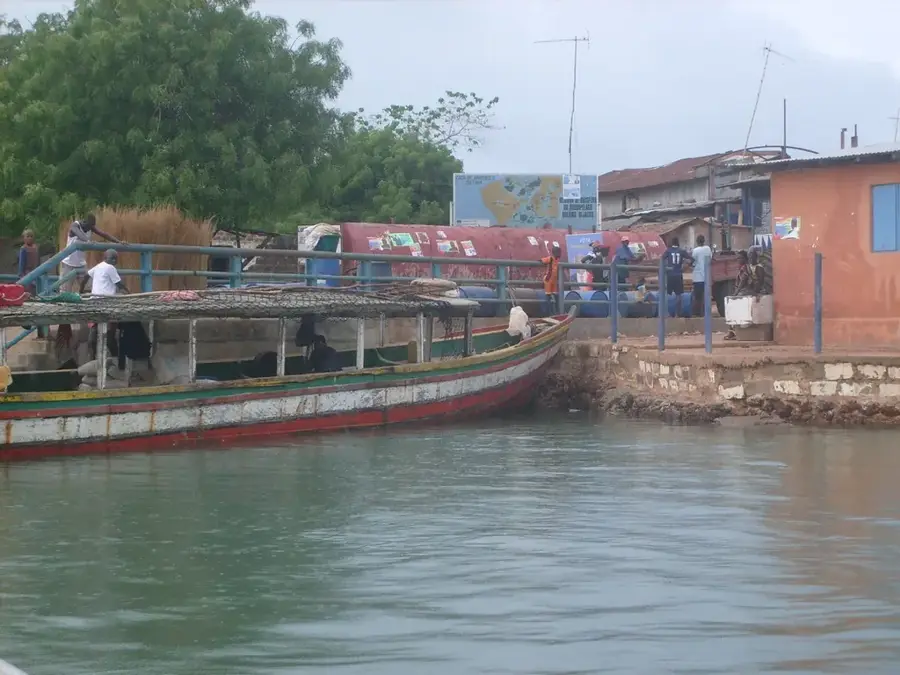
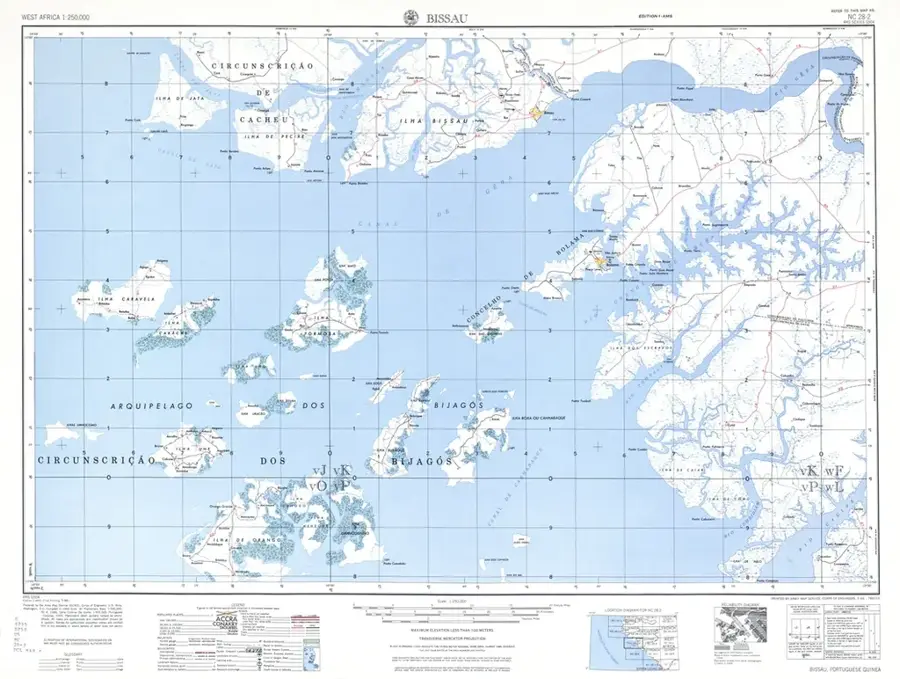
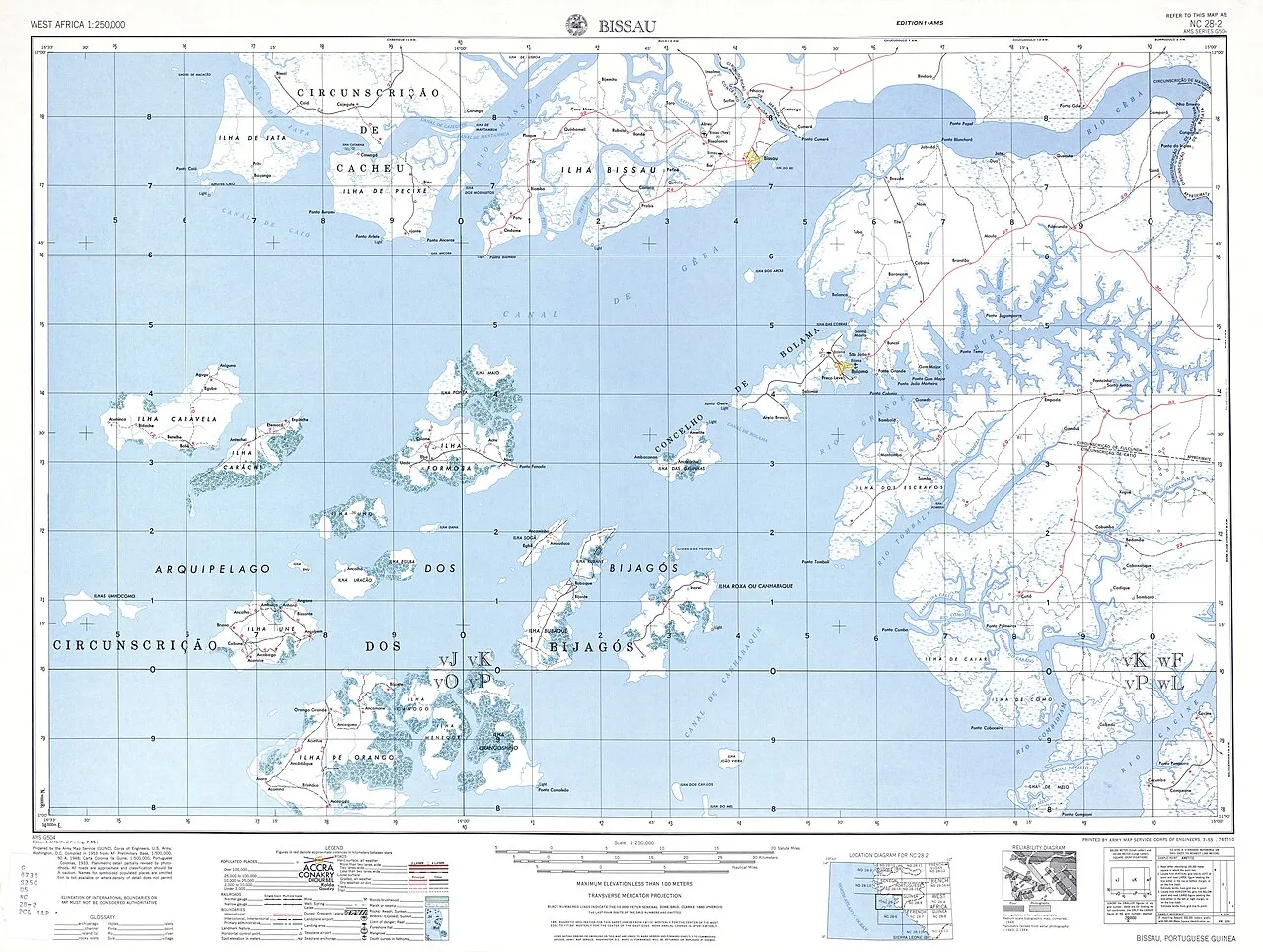
Uno is the principal settlement on the island of the same name in the Bijagós Archipelago, representing one of the most important cultural and economic centers of the western island group. The village is characterized by traditional Bijagó architecture interspersed with a few administrative buildings dating back to the colonial period. Uno serves as a central collection point for the region's palm oil production and the processing of dried fish, which are transported by boat to the mainland markets. The settlement operates under strict social protocols, where the matriarchal traditions of the Bijagó people remain animated and influential. The topography around Uno is flat and lined with coconut palms, offering a quintessential tropical island appearance. In recent years, Uno has developed into a modest base for ecotourism, as travelers use the village as a starting point to explore pristine beaches and the region's rich marine biodiversity. The residents maintain a deep spiritual connection to the sacred sites located within the island's interior.
- Location: Guinea-Bissau
- Nearby: Orango Island (17 km)
Best time to visit & climate
The most pleasant time to visit is Feb–Apr.
| Jan | Feb | Mar | Apr | May | Jun | Jul | Aug | Sep | Oct | Nov | Dec | |
|---|---|---|---|---|---|---|---|---|---|---|---|---|
| Avg °C | 25 | 25 | 25 | 25 | 26 | 27 | 27 | 27 | 27 | 28 | 28 | 27 |
| Rain mm | 1 | 0 | 3 | 2 | 12 | 146 | 445 | 545 | 355 | 187 | 14 | 0 |
Geography
Facts
- Uno is among the best-preserved traditional centers of Bijagó cultural life.
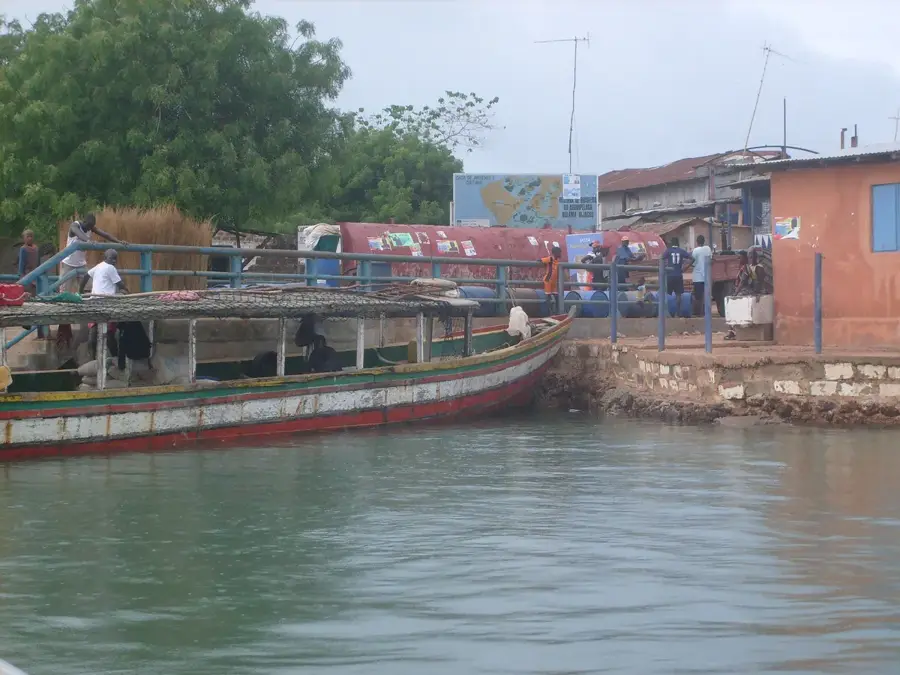
- The settlement is accessible only via irregular boat trips from Bubaque or Bissau.
- Women in Uno traditionally exercise authority over land and shared resources.
- The export of dried fish is the village's primary economic activity.
- Uno is home to significant sacred groves used for communal ceremonies.
- The architecture features primarily mud walls and conical thatched roofs.
Explore nearby
Notable places around


Route planner — Car & Motorhome
Where do you start? We build the route here, with stops and country notes along the way.
© OpenStreetMap contributors · OpenRouteService
Frequently asked questions
What is Uno?
How do you get to Uno island?
Are there accommodations there?
What is culturally important?
What should you bring?
Uno: where is it located?
Uno: when is the best time to visit?
Uno: why is it worth visiting?

Nearby cities

History & landmarks
More places