Plizio Visual Lab
Rubane Forest
Weather…
Water temperature…
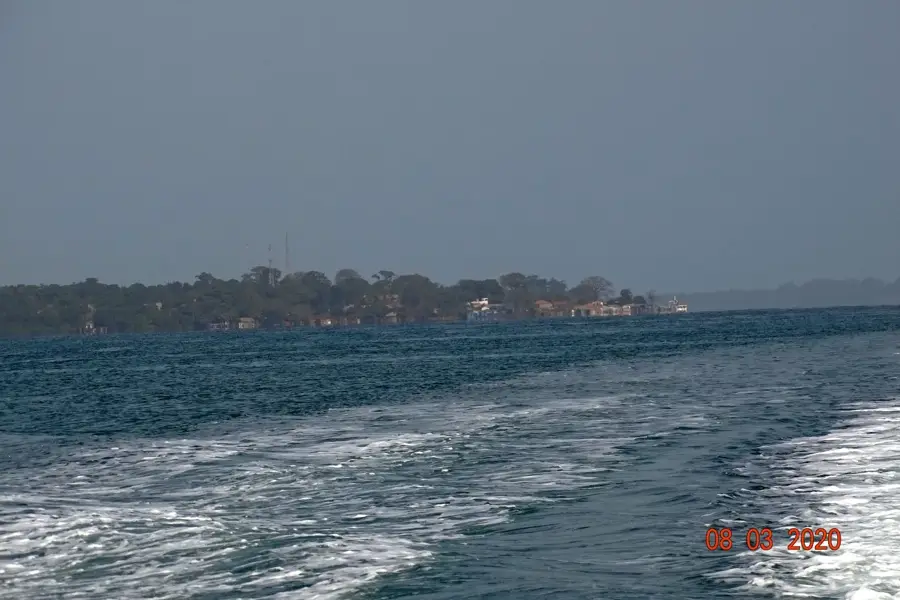
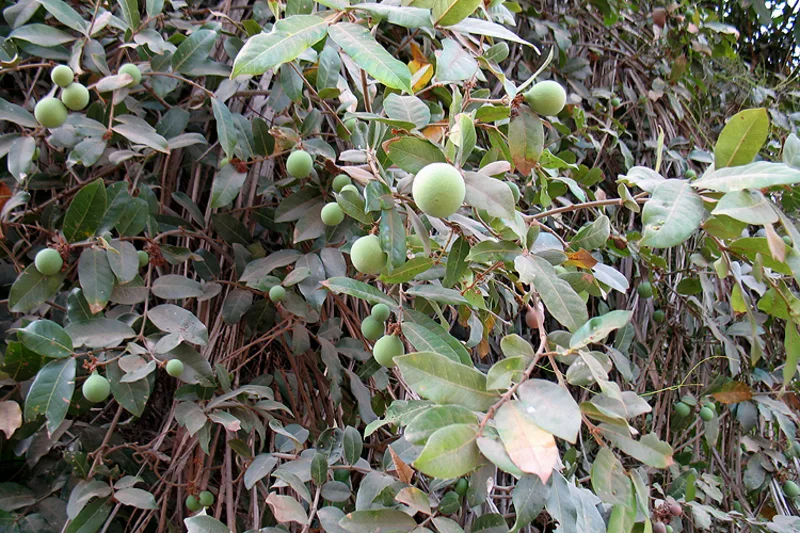
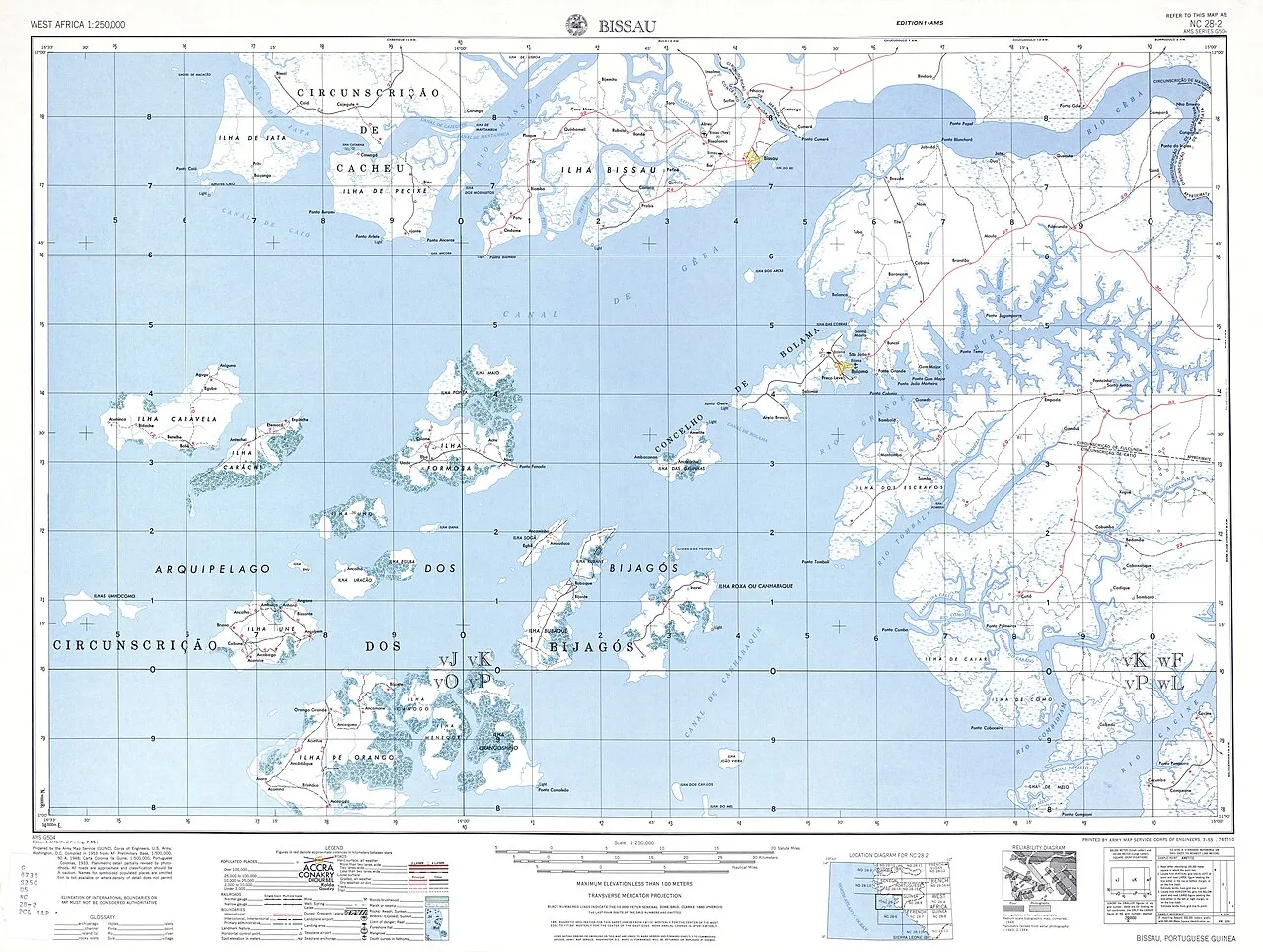
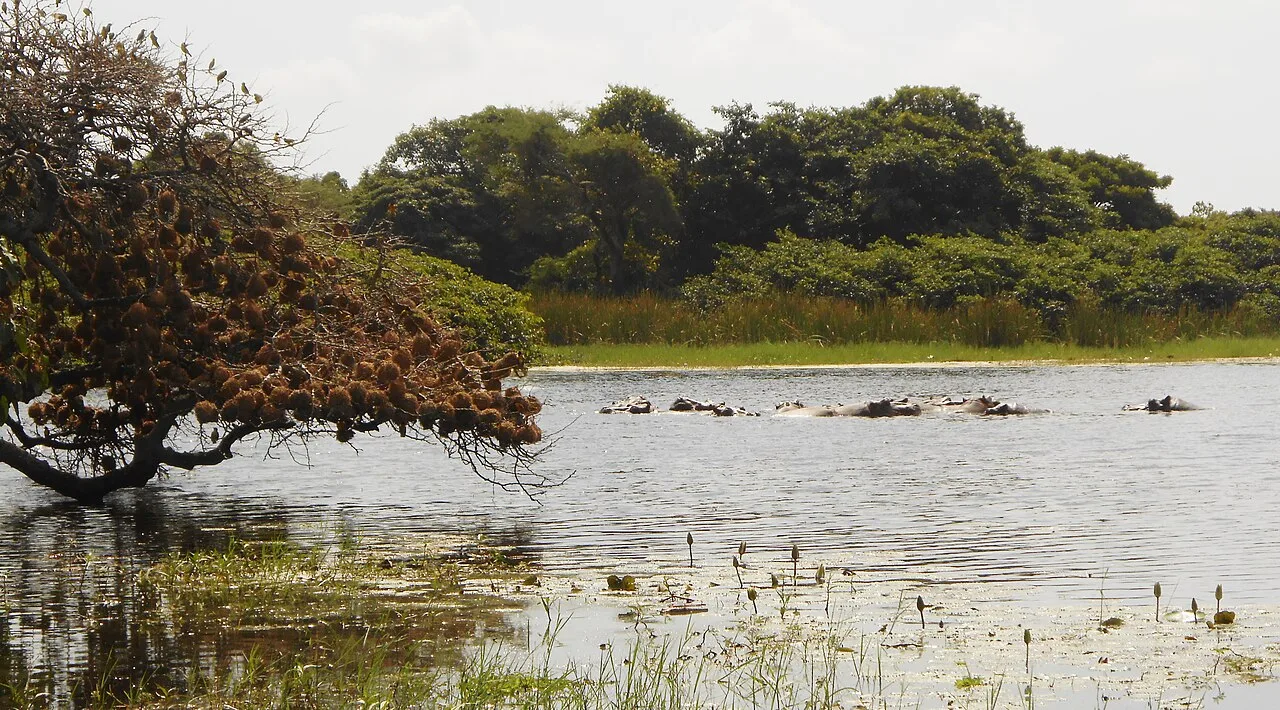
The relief of Rubane Island in the Bijagós Archipelago is characterized by an exceptional vertical structure for an island of its size. The terrain rises steeply from the white sandy beaches of the western coast, forming a series of forested ridges and hills within the island's interior. This relief is geologically defined by a stable laterite layer over a sandy core. The topography enables the existence of dense tropical dry forests that thrive on the crests, while the valleys host small streams and moist micro-habitats. The relief is particularly striking at the northern tip of Rubane, where steep escarpments lead directly into the ocean. The relief influences wind patterns on the island and creates sheltered zones where vegetation grows particularly lushly. Paths on Rubane often follow the terrain's natural contours, offering hikers diverse perspectives of the neighboring channel to Bubaque. Geomorphologically, Rubane represents a remnant of a larger plateau isolated by the post-glacial flooding of the archipelago. Preserving this relief is critical for protecting the island's endemic forest species.
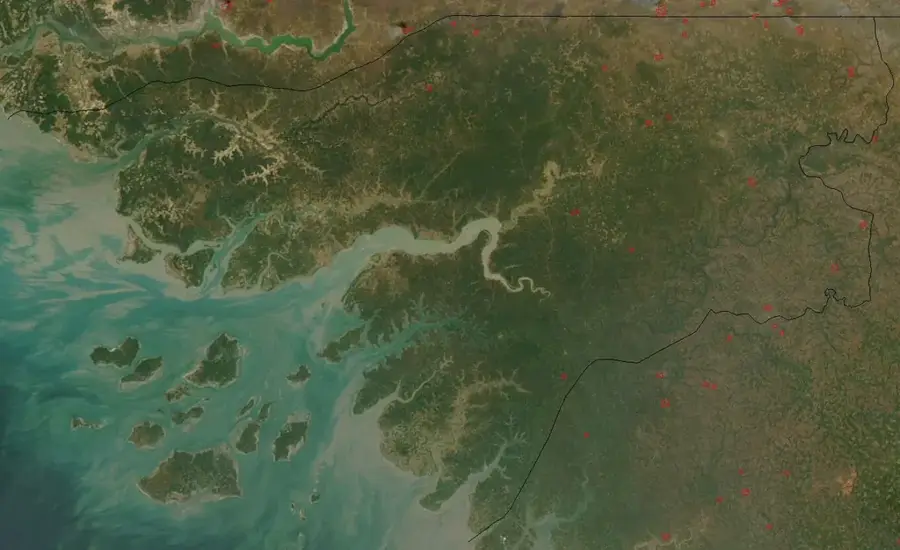
- Location: Guinea-Bissau
- Nearby: Rubane Island (6 km)
Best time to visit & climate
The most pleasant time to visit is Jan, Feb, Dec.
| Jan | Feb | Mar | Apr | May | Jun | Jul | Aug | Sep | Oct | Nov | Dec | |
|---|---|---|---|---|---|---|---|---|---|---|---|---|
| Avg °C | 25 | 25 | 26 | 26 | 27 | 27 | 27 | 27 | 27 | 28 | 28 | 26 |
| Rain mm | 1 | 0 | 3 | 1 | 10 | 122 | 410 | 521 | 359 | 189 | 13 | 0 |
📋 Practical info
Geography
Facts
- Rubane possesses the most pronounced relief among the central Bijagós islands.
- The hills reach elevations of over 20 meters above sea level.
- The relief is composed of a mix of Quaternary sands and Tertiary laterite.
- Natural erosion gullies in the relief serve as drainage during the monsoon.
- The topography shields Bubaque Island from direct westerly Atlantic winds.
- The island features prominent cliff formations along the northeastern coast.
Explore nearby
Notable places around


Route planner — Car & Motorhome
Where do you start? We build the route here, with stops and country notes along the way.
© OpenStreetMap contributors · OpenRouteService
Sights in the town Rubane Forest (1)
Sights nearby
Frequently asked questions
What characterizes the forest on Rubane?
Are there hiking trails in the Rubane forest?
Can you see animals in the Rubane forest?
Are there lodges in the forest?
What should you keep in mind when visiting the forest?
Rubane Forest: where is it located?
Rubane Forest: when is the best time to visit?
Rubane Forest: why is it worth visiting?

Nearby cities



History & landmarks
More places