Plizio Visual Lab
Archaeological Site of Philippi
Weather…
Water temperature…
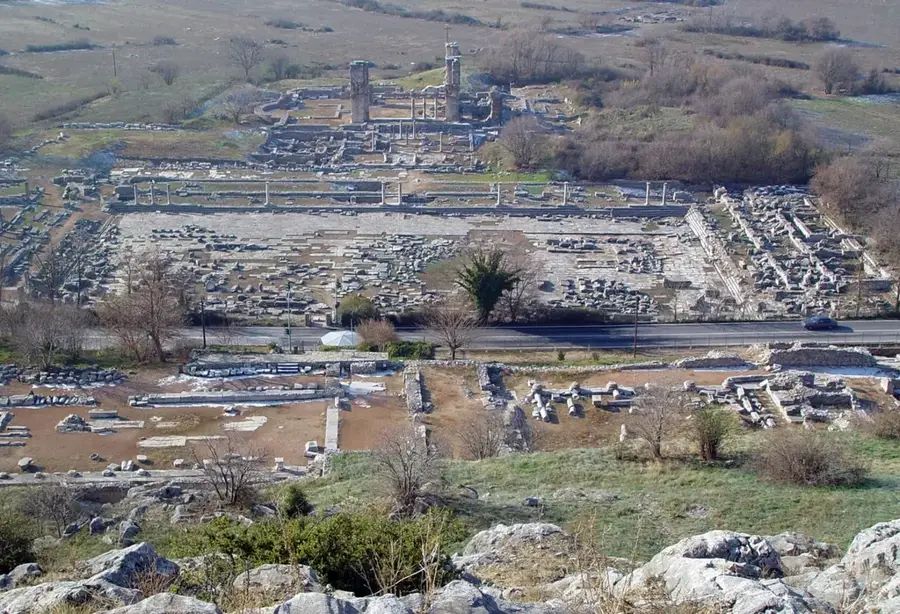
The Archaeological Site of Philippi in Eastern Macedonia is an outstanding example of an ancient city that integrated various cultural influences over several centuries. Founded in 356 BC by King Philip II of Macedon on the site of the Thracian colony Krenides, it later became a major Roman administrative and commercial hub. Philippi achieved historical fame through the decisive battle in 42 BC, where Octavian and Mark Antony defeated Brutus and Cassius, the assassins of Julius Caesar. In 49 AD, the Apostle Paul visited the city and established the first Christian community on European soil, making Philippi a pivotal center for the spread of early Christianity. The ruins include a vast Roman forum, a monumental theater dating back to the Macedonian period, and several impressive Byzantine basilicas. Since 2016, Philippi has been a UNESCO World Heritage site, recognized for its unique blend of Hellenistic, Roman, and Christian architectural traditions.
- Location: Greece
- Nearby: Palio (12 km)
Best time to visit & climate
The most pleasant time to visit is May, Jun, Sep.
| Jan | Feb | Mar | Apr | May | Jun | Jul | Aug | Sep | Oct | Nov | Dec | |
|---|---|---|---|---|---|---|---|---|---|---|---|---|
| Avg °C | 4 | 6 | 9 | 13 | 18 | 23 | 27 | 27 | 21 | 16 | 11 | 6 |
| Rain mm | 57 | 44 | 51 | 42 | 50 | 47 | 32 | 21 | 46 | 52 | 51 | 67 |
📋 Practical info
Geography
Facts
- The city was renamed in 356 BC after King Philip II of Macedon.
- Philippi was a key station on the Via Egnatia, the Roman road connecting East and West.
- The Battle of Philippi in 42 BC was one of the largest in Roman history.
- The first Christian baptism on European soil (Lydia) took place here in 49 AD.
- The ancient theater was built in the 4th century BC and later modified by the Romans.
- The site was officially designated a UNESCO World Heritage site in 2016.
Explore nearby
Notable places around

Route planner — Car & Motorhome
Where do you start? We build the route here, with stops and country notes along the way.
© OpenStreetMap contributors · OpenRouteService
Sights in the town Archaeological Site of Philippi (1)
Sights nearby
Frequently asked questions
Where is Philippi located?
Why is the site historically important?
Is the site a UNESCO World Heritage site?
What can you see there?
How much time is needed for the visit?
Archaeological Site of Philippi: where is it located?
Archaeological Site of Philippi: when is the best time to visit?
Archaeological Site of Philippi: why is it worth visiting?

Nearby cities