Eleftheria Festival
In May, Orestiada in Thrace commemorates the city's liberation with the Eleftheria celebrations. Throughout the month there are parades, speeches, performances, exhibitions and dance events.
PlizioGo
Don't miss the local specialty 'kavourmas' (slow-cooked preserved meat) or 'tzigerosarmas' for an authentic taste.
Order the locally sourced pork or beef; this agricultural region is renowned for the high quality of its meats.
Enjoy a strong Greek coffee paired with a traditional sweet spoon preserve (glyko tou koutaliou).
Orestiada is famous for its garlic, local grains, and regional sausages; these shops are the best places to buy them.
A bustling spot to experience everyday local life and purchase fresh seasonal produce straight from the farmers.
A beautiful, shady green area on the outskirts of the city, good for a peaceful stroll or a quiet afternoon picnic.
A tranquil environment where you can learn about the town's fascinating history, founded by refugees from Adrianople.
Water temperature…
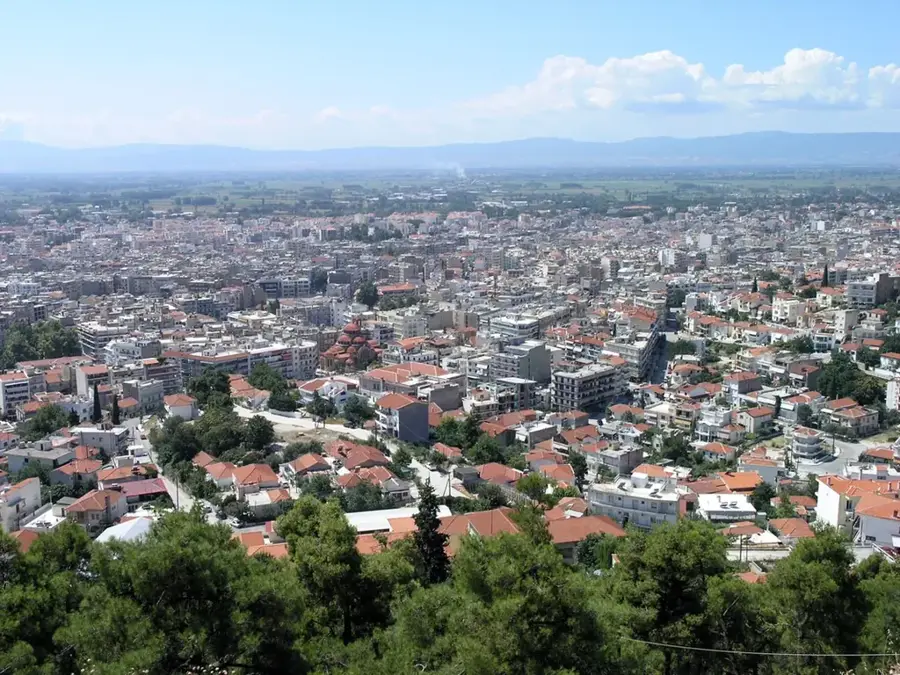
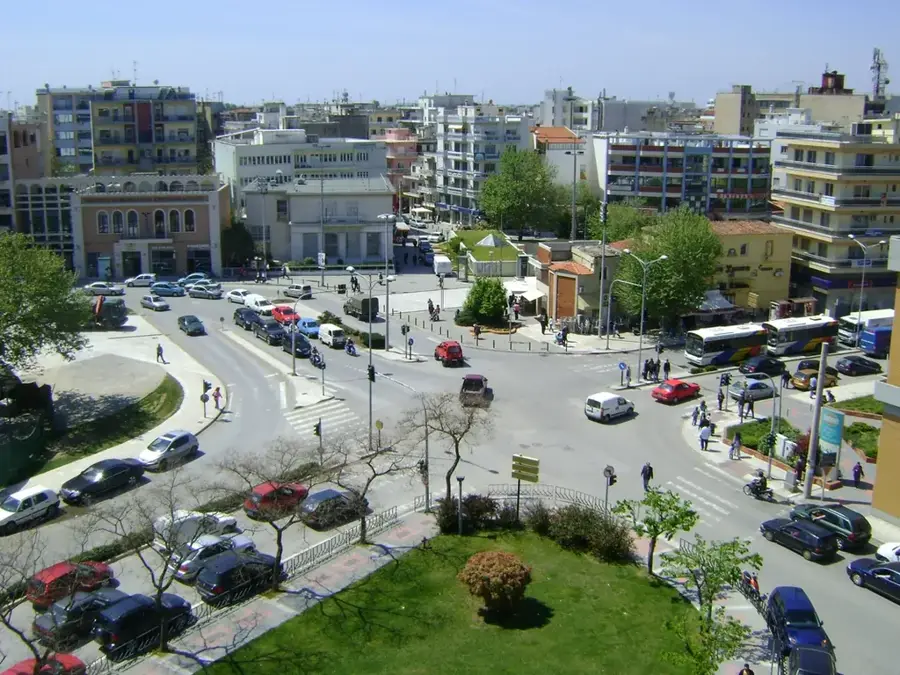
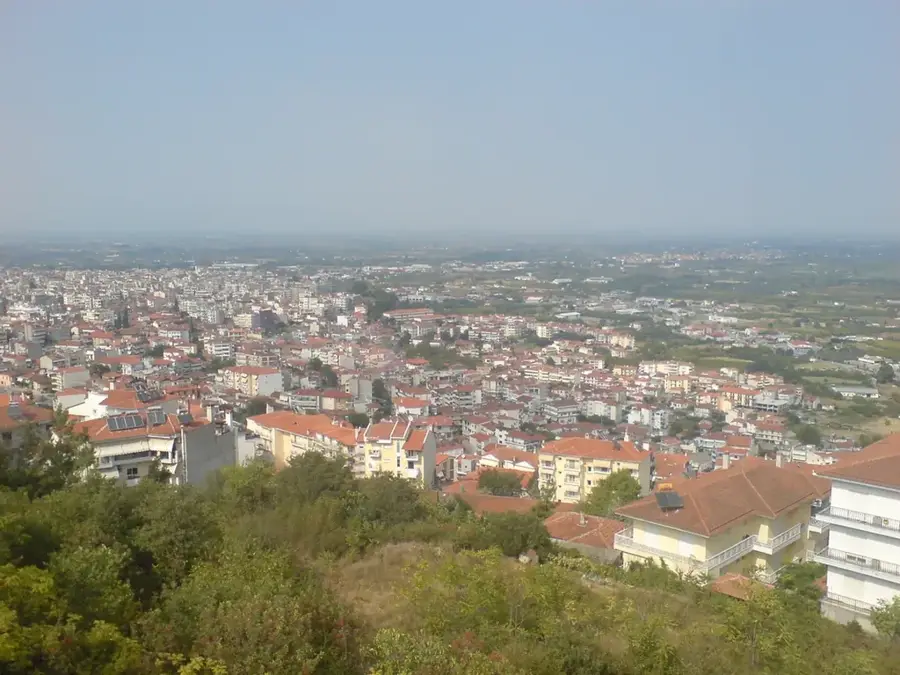
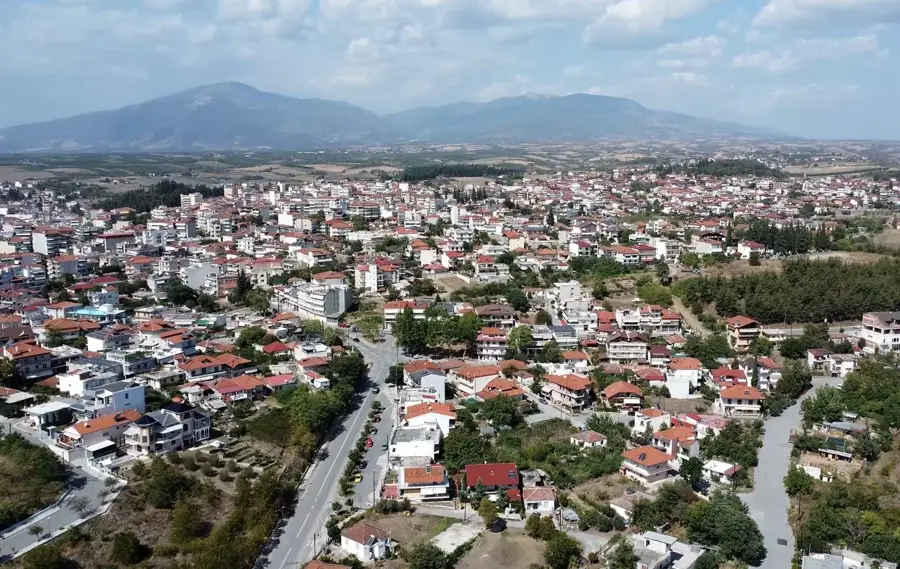
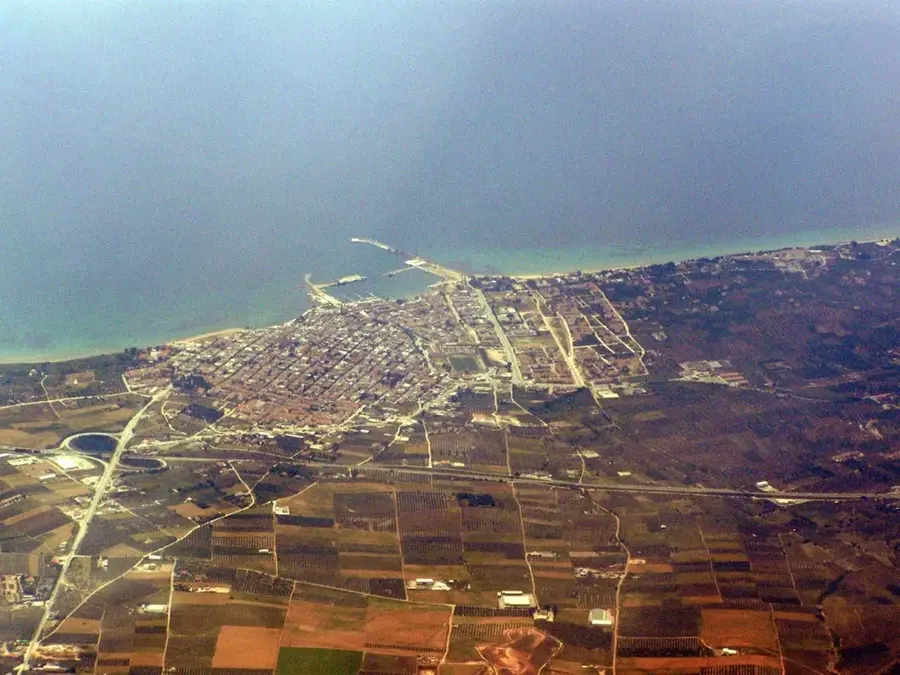
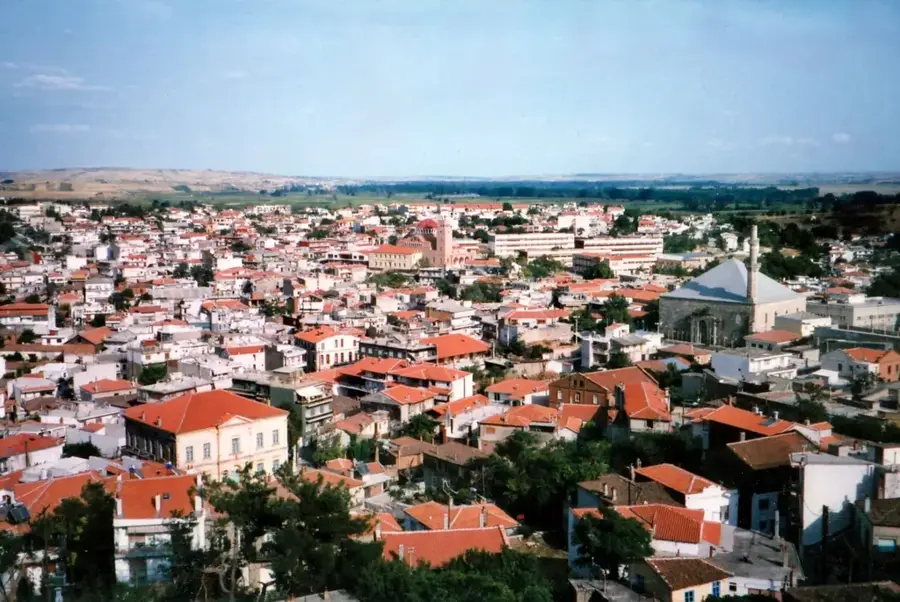
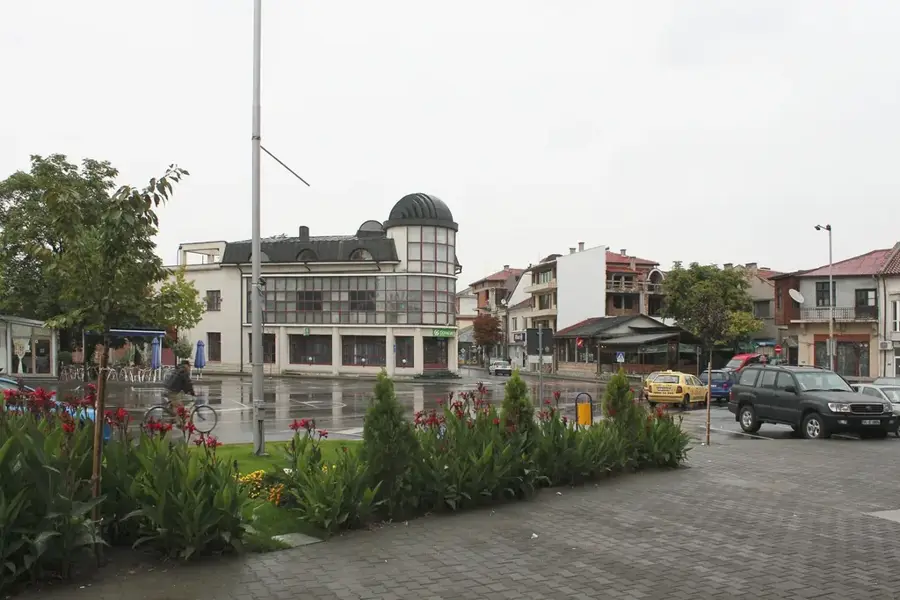
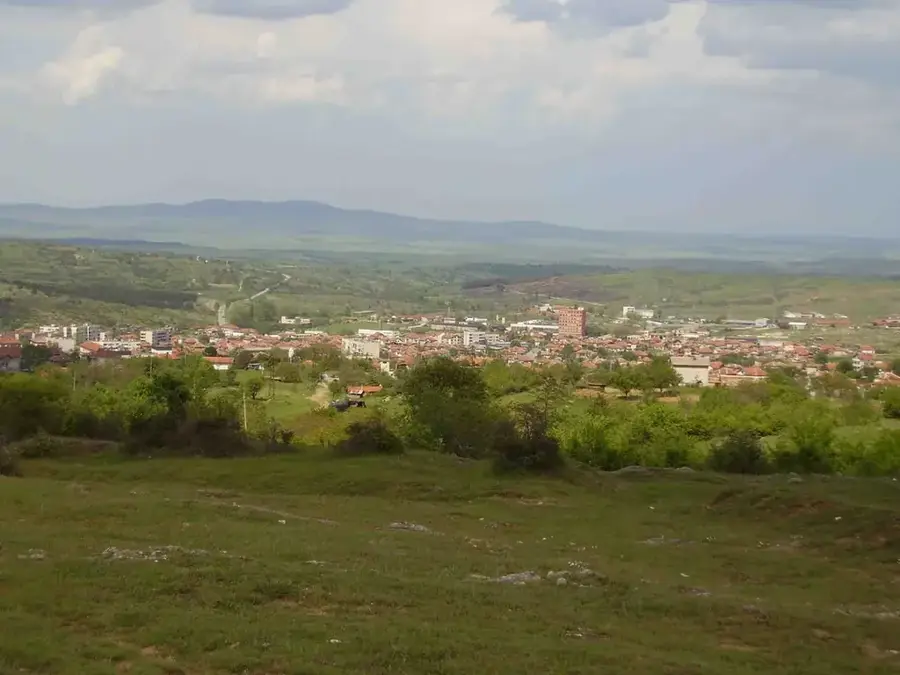
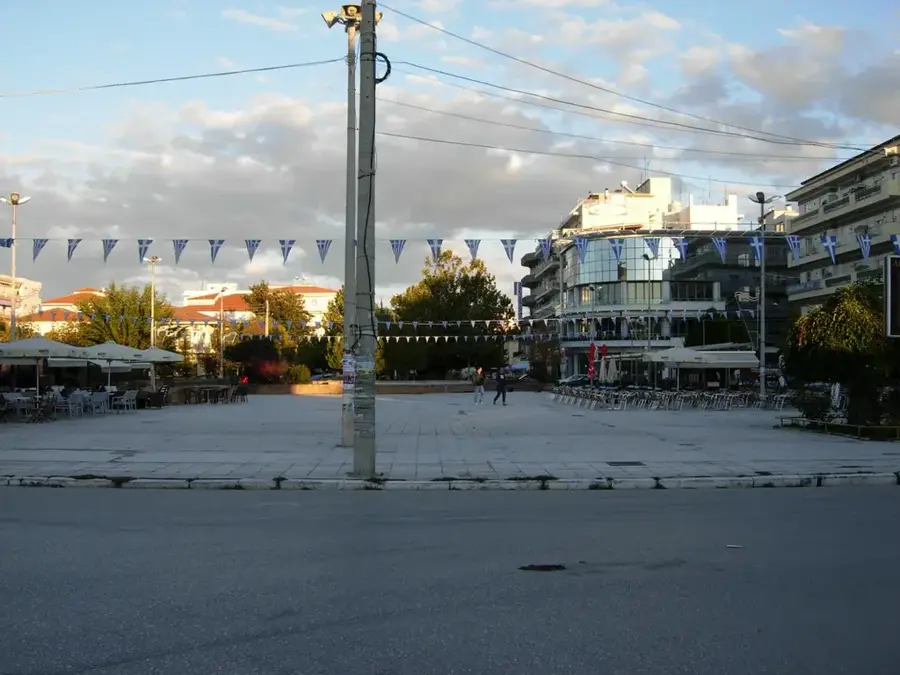
Orestiada is the northernmost city in Greece, located in the Evros regional unit of Eastern Thrace, just a few kilometers from the borders with Turkey and Bulgaria. It is one of the youngest cities in Greece, founded in 1923 by Greek refugees from Adrianople (modern-day Edirne) following the Treaty of Lausanne. The city was designed from scratch with wide, grid-like streets and large public squares, giving it a distinctively modern architectural character. Orestiada serves as a crucial agricultural hub for the region, focusing on the production of sugar beets, cotton, and cereals. Additionally, the city hosts several departments of the Democritus University of Thrace, fostering a lively student community. The local Historical and Folklore Museum preserves the cultural heritage of the refugee population and chronicles the challenging early years of the settlement.
The most pleasant time to visit is Jun, Aug, Sep.
| Jan | Feb | Mar | Apr | May | Jun | Jul | Aug | Sep | Oct | Nov | Dec | |
|---|---|---|---|---|---|---|---|---|---|---|---|---|
| Avg °C | 2 | 4 | 7 | 12 | 17 | 23 | 26 | 26 | 21 | 14 | 9 | 4 |
| Rain mm | 74 | 55 | 52 | 41 | 52 | 50 | 37 | 17 | 46 | 65 | 55 | 70 |
Notable places around
Where do you start? We build the route here, with stops and country notes along the way.
© OpenStreetMap contributors · OpenRouteService
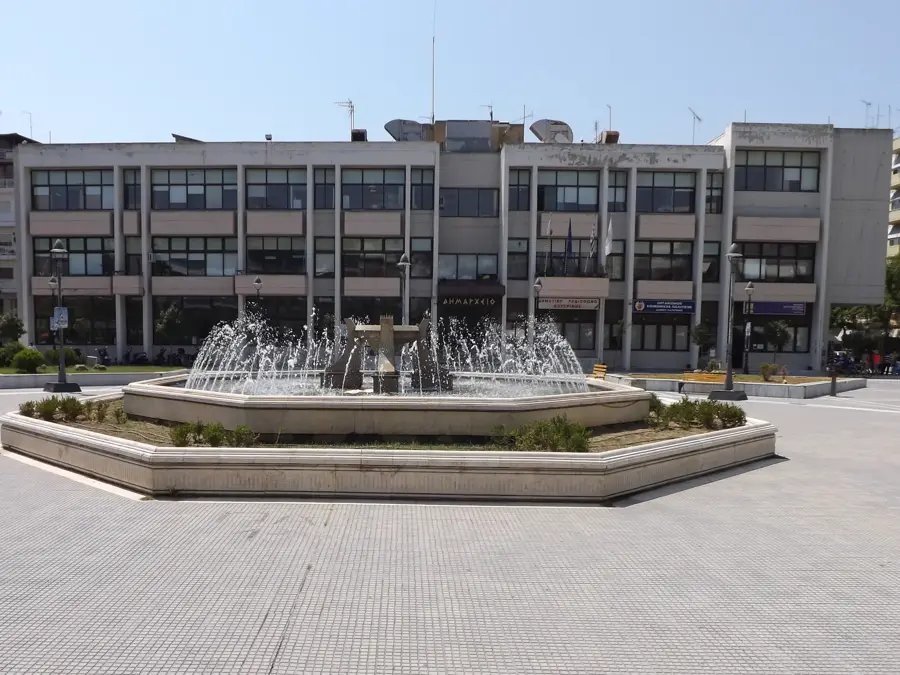
Your day in Orestiada begins at the lively Central Square, the heart of the city. After exploring the founding history and spiritual side at Agioi Theodoroi Church, you'll delve deep into local culture at the Folklore Museum. In the afternoon, stroll to the historic train station, which tells of a bygone era, before relaxing in the City Park and peacefully ending the day on the banks of the Ardas River.
Start your day at the central square, finding shelter under cafe awnings. Briefly visit the monument before seeking refuge in the Agioi Theodoroi Church. Spend the rainy midday exploring the indoor exhibits of the folklore museum. The walk to the historic station might be wet, and the Ardas river banks take on a misty, atmospheric quality. Carry a sturdy umbrella and enjoy the petrichor.
Experience winter in Orestiada with crisp, cold air. Start with a hot coffee at the central square. The monument and church offer reflective moments before you warm up in the well-heated folklore museum. The historic station looks especially nostalgic in the winter light. Finish your day early at the Ardas banks to catch the 5 PM sunset before the evening chill sets in.
Your bike tour of Orestiada starts at the historic train station and quickly takes you to the heart of the city at the Central Square. After delving into local history at the Folklore Museum, take a look at the cultural life at the Cultural Centre. The afternoon is dedicated to nature, with a relaxing break in the City Park and an extended ride along the scenic Ardas River, perfectly rounding off an active day.
A rainy bike ride requires caution. Start at the station and cycle quickly to the central square. A longer break at the folklore museum is ideal for drying off. The Cultural Centre provides further shelter before you ride through the park to the Ardas banks. Watch out for slippery corners and stick to paved paths to avoid mud.
Cycling in winter in Orestiada is refreshing but cold. Start at the station and cycle to the central square for a warm drink. The folklore museum and cultural centre provide vital warm-up stops. Enjoy the winter silence in the city park and the wide views at the Ardas banks. The low sun can be blinding, so sunglasses are recommended despite the cold.
Your day by car begins idyllically at the Ardas River before you drive to the historic train station, a relic of the famous Orient Express. You then park in the city center and form a pedestrian cluster: exploring the main square, the cathedral, and delving deep into the Folklore Museum. After lunch in the center, you stroll to the City Park to end the afternoon in a relaxed manner, all within easy walking distance of your parking spot.
Explore Orestiada comfortably by car despite the rain. Start at the Ardas banks and enjoy the view from your dry vehicle. The historic station and the church are easily reachable. Park centrally for an extensive visit to the folklore museum. Finish at the city park, where you can simply drive along the avenues if the rain gets too heavy.
Winter sightseeing by car is particularly efficient in Orestiada. Start at the Ardas banks, where frost enchants the landscape. Visit the station and the church before enjoying the warmth of the folklore museum. The city park looks stark but peaceful in winter. Thanks to the short walks between parking and sights, you'll stay warm even in freezing temperatures.