Plizio Visual Lab
Maxhütte-Haidhof
ℹ️Practical info — Maxhütte-Haidhof
▾
🌤 Weather — 5 days
📍 Nearby
Sights nearby
💡 Tips
- Note the architecture of the old workers' settlements, which still serve as a reminder of the town's industrial heyday.
- Take advantage of the well-developed cycle path network to explore the wide landscapes of the Upper Palatinate away from car traffic.
- Ideally, park at the train station or on the edge of the city center, where most free parking spots are found.
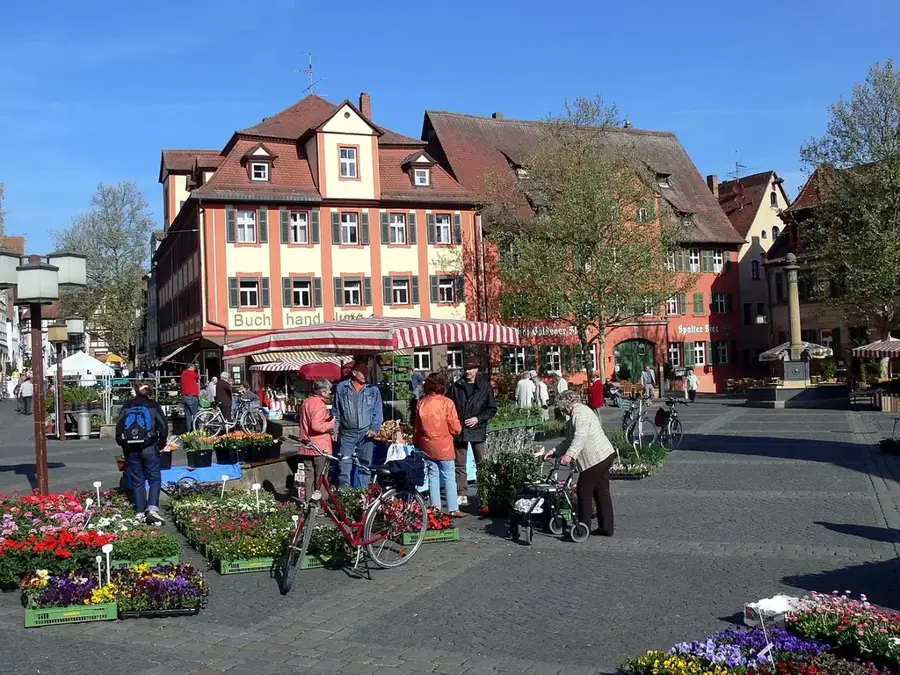
- Visit the weekly markets in the morning to buy fresh produce from local farmers in the region.
🍽 Food
Enjoy the traditional Bavarian roast pork with dumplings in a rustic inn in the town.
Try a hearty cold cut platter with local Zoigl beer in one of the cozy taverns in the region.
Look for "Auszogne" in local bakeries, a traditional sweet deep-fried Bavarian pastry.
🛍 Shopping · 🧘 Quiet spots
Buy typical beers from the small breweries of the Upper Palatinate at local beverage markets.
Get fresh white sausages or Regensburger Knacker directly from the local butcher in the center.
Relax on a bench in the city park, a green oasis amidst the urban hustle and bustle.
Take a quiet forest walk in the Ponholz district, far away from the busy roads.
Water temperature…
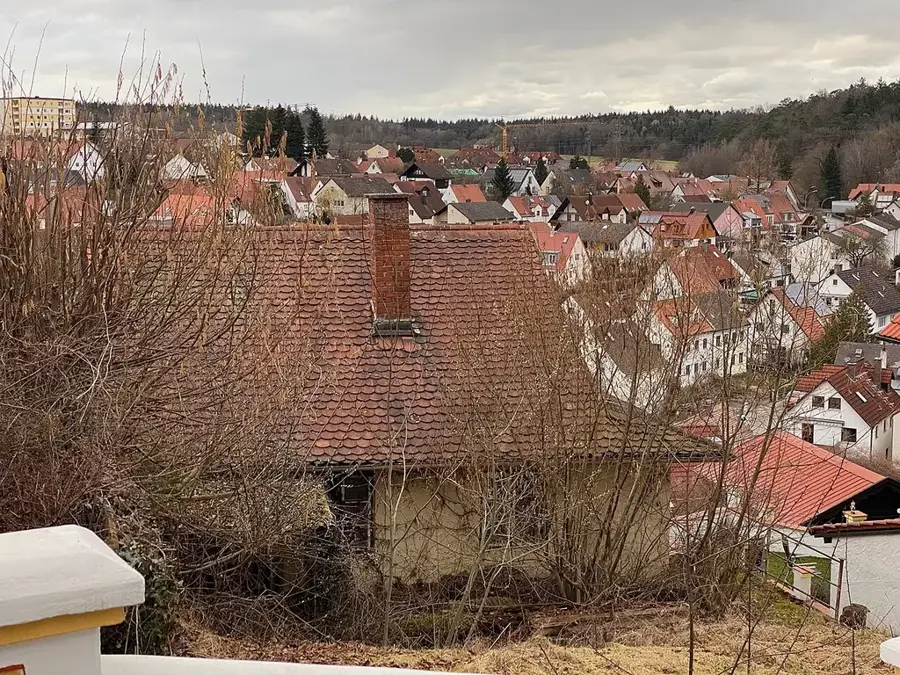
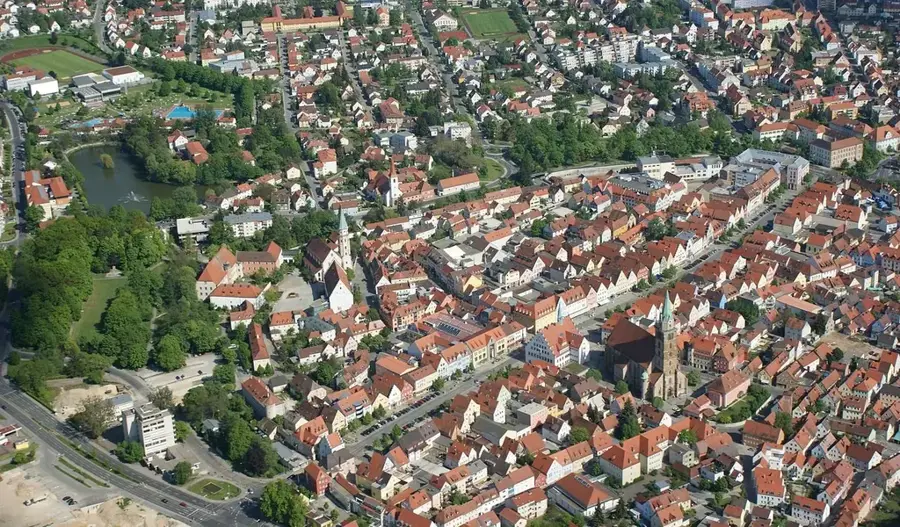
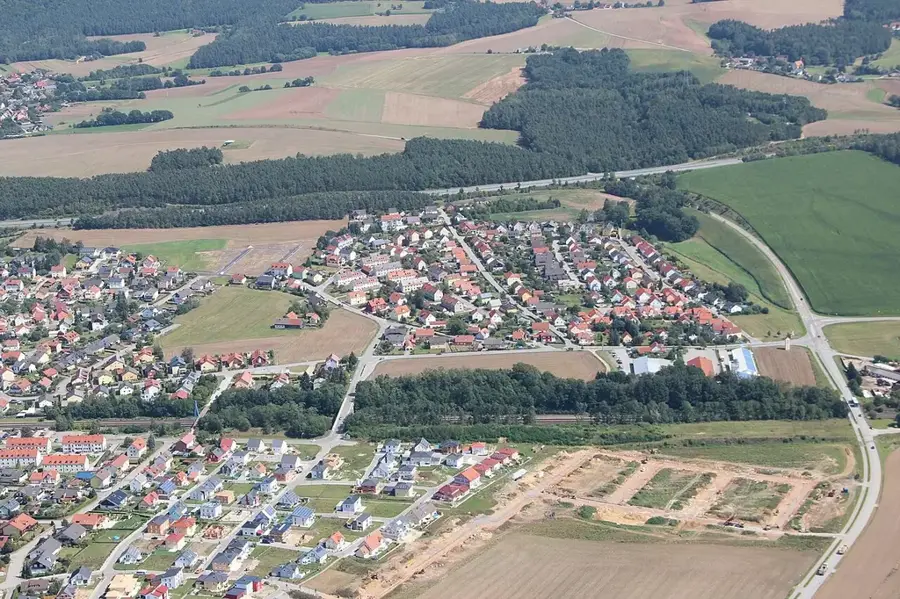
Maxhütte-Haidhof, located in the heart of the Upper Palatinate region, is a town whose development was decisively shaped by the industrial revolution. It derives its name from the former Maxhütte ironworks, founded in the mid-19th century, which served as the region's primary economic engine for decades. Although the blast furnaces have long since gone cold, carefully restored industrial monuments and distinctive workers' housing estates still stand as testaments to the heavy mining and metallurgical heritage. A striking contrast to this industrial history is the Baroque Pirkensee Castle; complete with its moat-enclosed park, it serves as a popular photography subject and venue for cultural events. Through successful ecological reclamation, the town now provides much for nature lovers: the Tegelgrube natural swimming pool, created from a former clay pit, attracts summer visitors with excellent, chemical-free water quality and spacious sunbathing lawns. The extensive woodlands surrounding the town, coupled with the close proximity to the scenic Naab River valley, make Maxhütte-Haidhof a well-suited starting point for lengthy hikes and cycling tours in a pleasantly quiet and less crowded corner of Bavaria.
- Location: Bavaria, Germany
- Top sights: Maximilianshütte · Pirkensee Castle · City Park
- Nearby: Burglengenfeld (4 km)
- Population: ~12.278
Best time to visit & climate
The most pleasant time to visit is Jun–Aug.
| Jan | Feb | Mar | Apr | May | Jun | Jul | Aug | Sep | Oct | Nov | Dec | |
|---|---|---|---|---|---|---|---|---|---|---|---|---|
| Avg °C | -2 | -1 | 4 | 9 | 13 | 17 | 19 | 19 | 14 | 9 | 3 | 0 |
| Rain mm | 60 | 45 | 49 | 42 | 81 | 81 | 81 | 83 | 58 | 53 | 54 | 58 |
Geography
Facts
- Founding stone of Maximilianshütte laid: 1851.
- Granting of city rights in the year 1953.
- Maxhütte-Haidhof station on the Regensburg–Hof line.
- Part of the Upper Palatinate Lake District.
- Population grew significantly through refugees after 1945.
- Coat of arms features symbols of mining and iron processing.
Explore nearby
Notable places around
Route planner — Car & Motorhome
Where do you start? We build the route here, with stops and country notes along the way.
© OpenStreetMap contributors · OpenRouteService
Sights in the town Maxhütte-Haidhof (10)
Altes Schloß🏰 castle
A historical castle building in Maxhütte-Haidhof, considered an important architectural monument in the Upper Palatinate.
Schloß Leonberg🏰 castle
Leonberg Castle is a listed 16th-century building located in the district of the same name in Maxhütte-Haidhof.
Frequently asked questions
Where does the city get its name from?
Are there swimming options in summer?
What can one learn about industrial history?
Is the city well-connected to Regensburg?
Is the area suitable for cycling?
Maxhütte-Haidhof: where is it located?
Maxhütte-Haidhof: what is there to see?
Maxhütte-Haidhof: when is the best time to visit?
Maxhütte-Haidhof: why is it worth visiting?

Nearby cities