Attractions in Germany
The finest attractions in Germany at a glance: castles, natural wonders, historic old towns and more. Each place links to a detailed page with map, tips and photos.
Culture & History
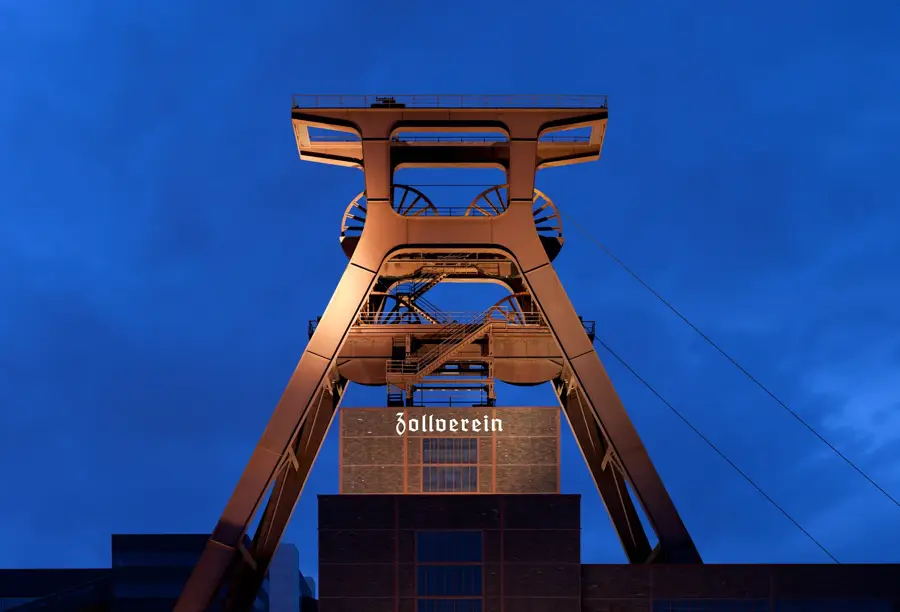
Zollverein Coal Mine
The Zollverein Coal Mine in Essen was once the largest and highest-yielding coal mine in the world and was considered a masterpiece of industrial arc…
Learn more →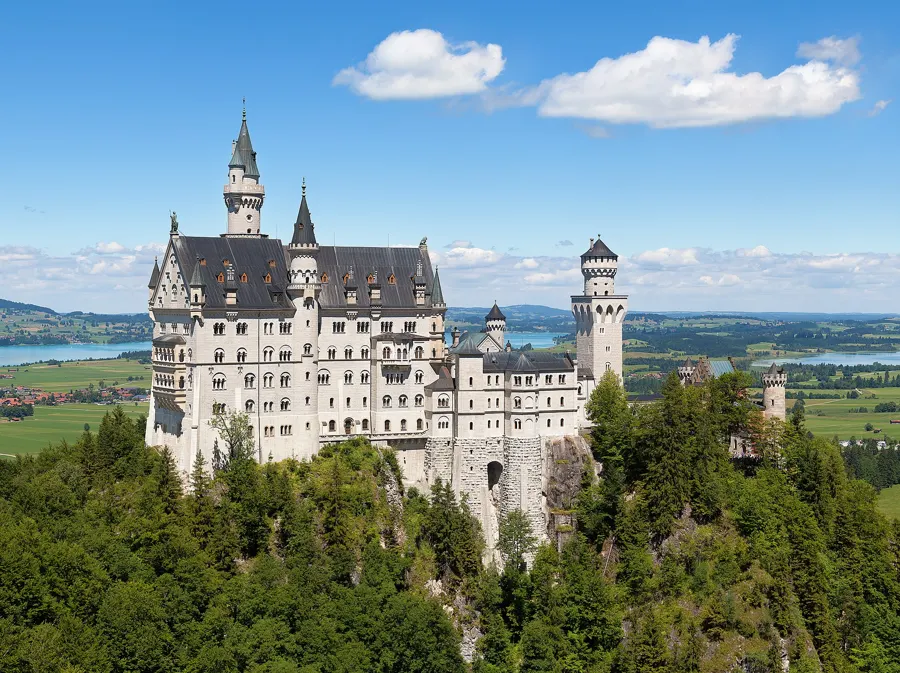
Schloss Neuschwanstein
Neuschwanstein Castle, majestically situated in the Bavarian Alps, is Germany's most famous castle.
Learn more →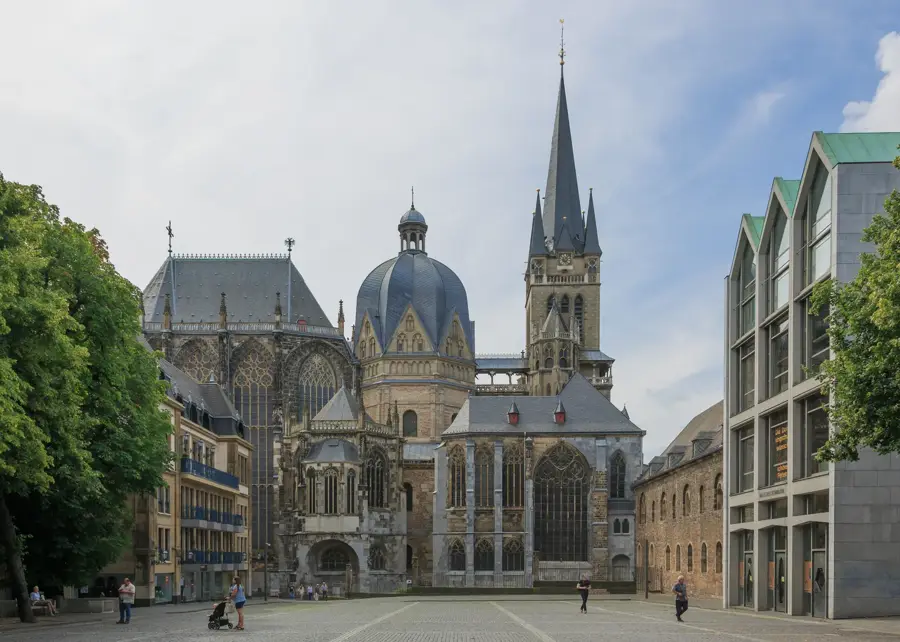
Kölner Dom
Cologne Cathedral is a Roman Catholic church in Cologne and one of the largest Gothic cathedrals in the world.
Learn more →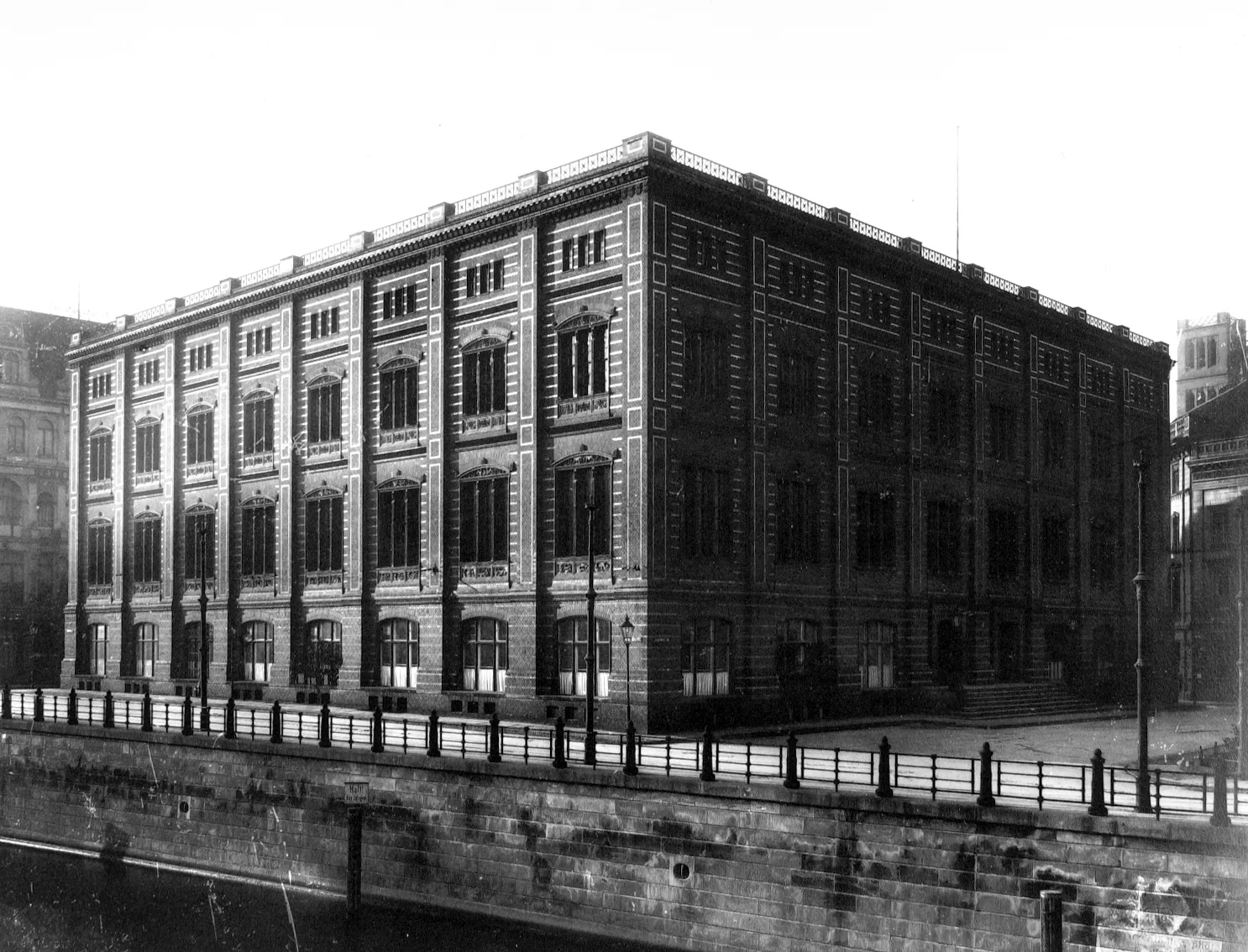
Brandenburg Gate
The Brandenburg Gate in Berlin is Germany's most famous landmark and a national symbol.
Learn more →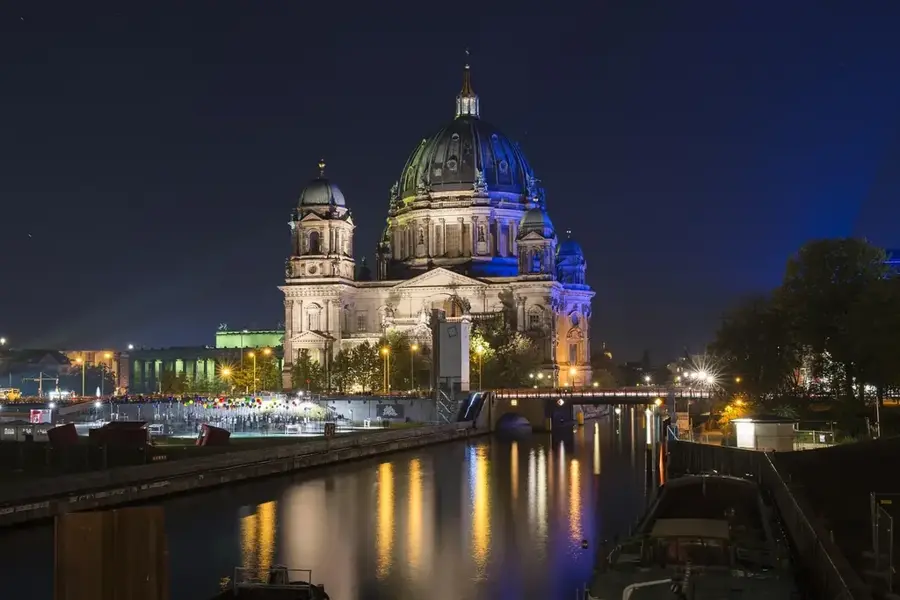
Brandenburg Cathedral
The Cathedral of St.
Learn more →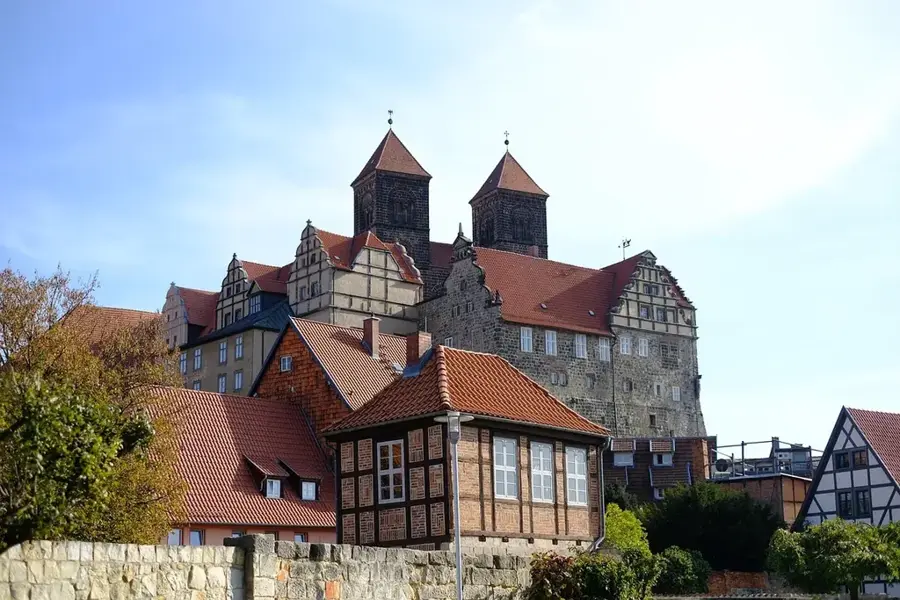
Quedlinburg
Quedlinburg is a medieval town on the edge of the Harz and has been a UNESCO World Heritage site since 1994.
Learn more →
Nebra Sky Disc
The Nebra Sky Disc is a bronze disc approximately 3,600 years old, depicting the sun, moon, and stars.
Learn more →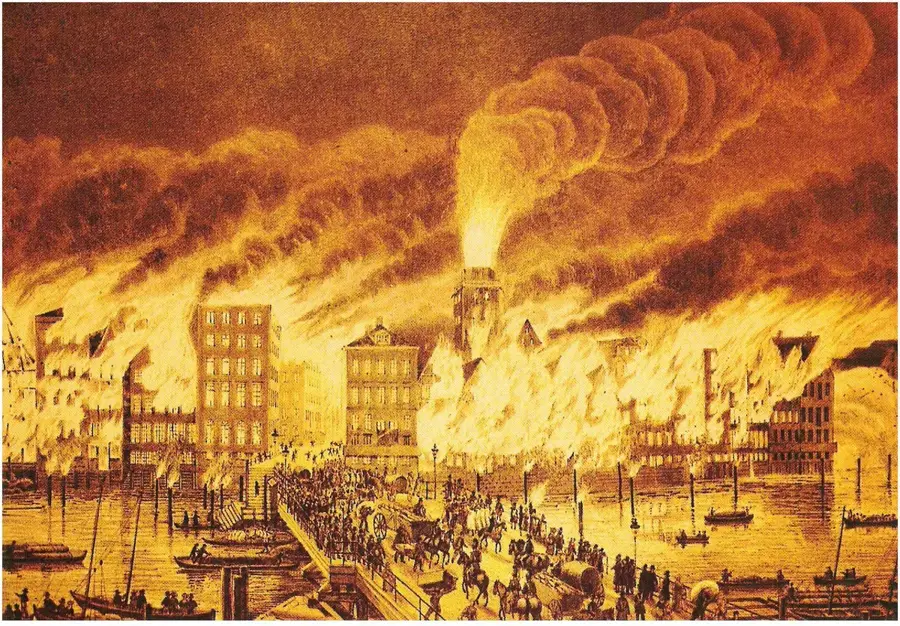
Elbphilharmonie
The Elbphilharmonie is a modern concert hall in Hamburg built on top of a historic warehouse building, opening in 2017.
Learn more →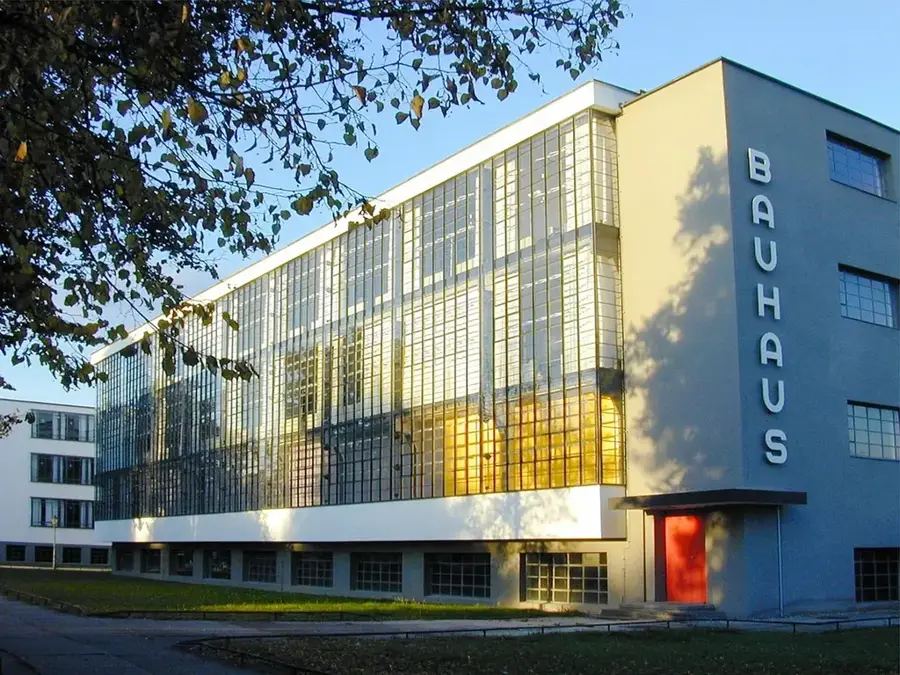
Bauhaus Dessau
The Bauhaus building in Dessau is one of the most significant buildings of Modernism and was designed by Walter Gropius.
Learn more →
Munich Frauenkirche
Munich's Frauenkirche is the cathedral of the Archdiocese of Munich and Freising with its characteristic onion-dome towers that define Munich's citys…
Learn more →Reichstag Building
The Reichstag Building in Berlin is the seat of the German Bundestag and one of Germany's most significant political buildings.
Learn more →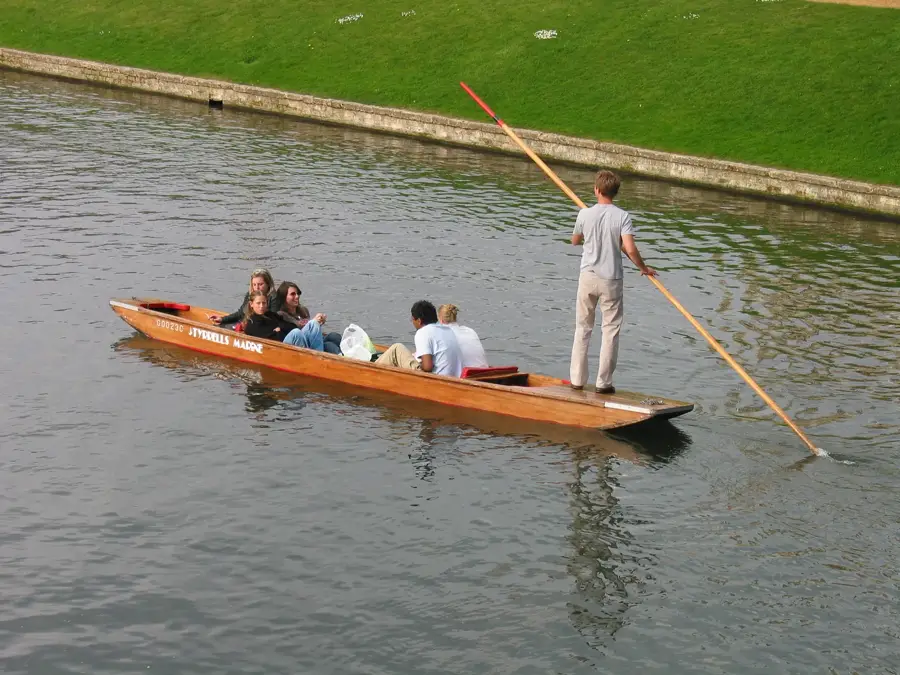
Spreewald Punt Tour
The Spreewald is a unique river floodplain southeast of Berlin, crossed by a dense network of canals.
Learn more →
Heidelberger Schloss
Heidelberg Castle is a romantic ruin from the Middle Ages and Renaissance on a hill above the city of Heidelberg.
Learn more →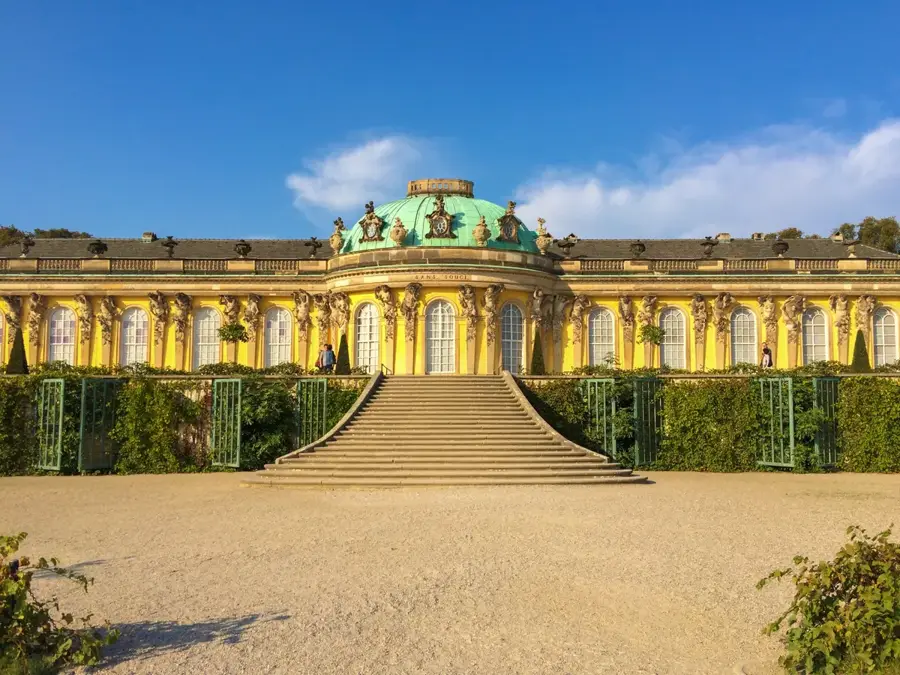
Sanssouci Palace
Sanssouci Palace in Potsdam is the former summer palace of Frederick the Great and a masterpiece of Prussian Rococo.
Learn more →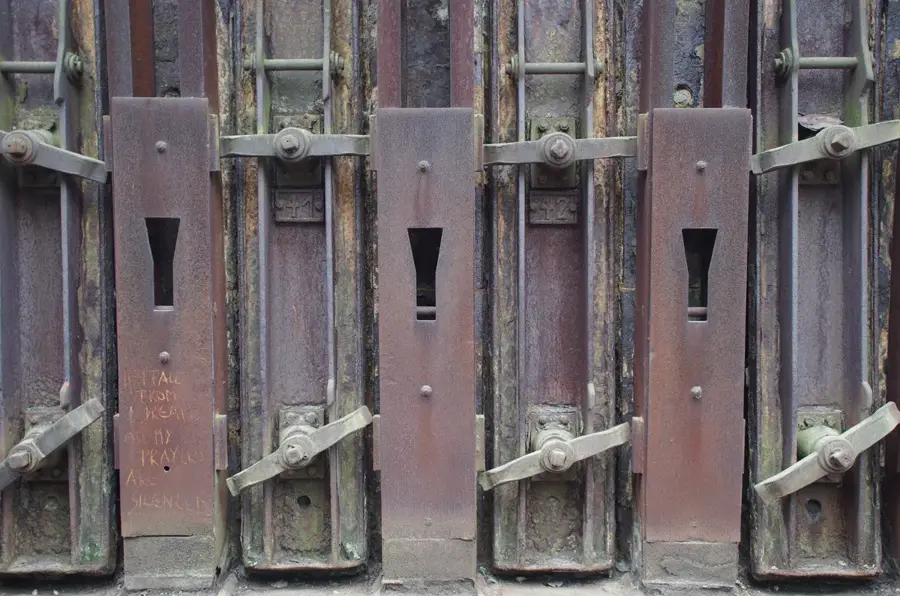
Völklinger Hütte
Völklinger Hütte is a former ironworks in Völklingen, Saarland, considered the only fully preserved ironworks from the heyday of industrialization in…
Learn more →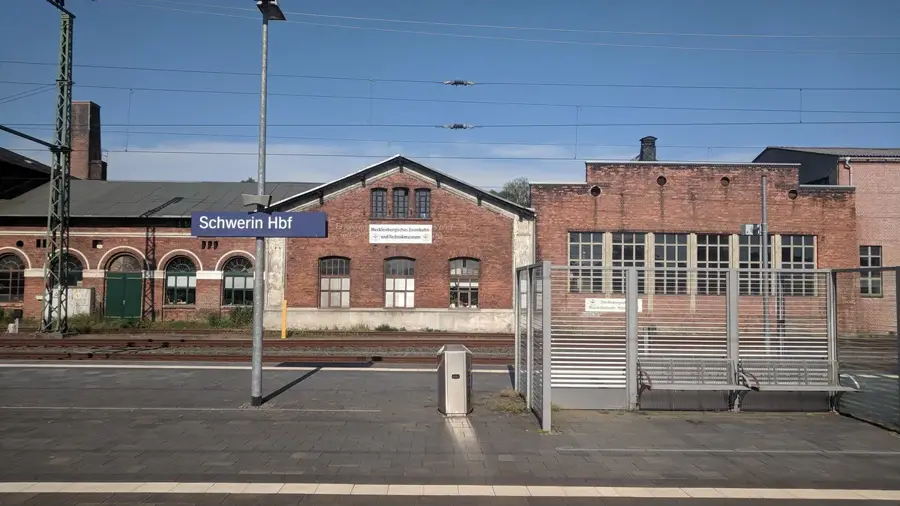
Schwerin Castle
Schwerin Castle is the magnificent residence palace of the Mecklenburg dukes, sitting on an island in Lake Schwerin.
Learn more →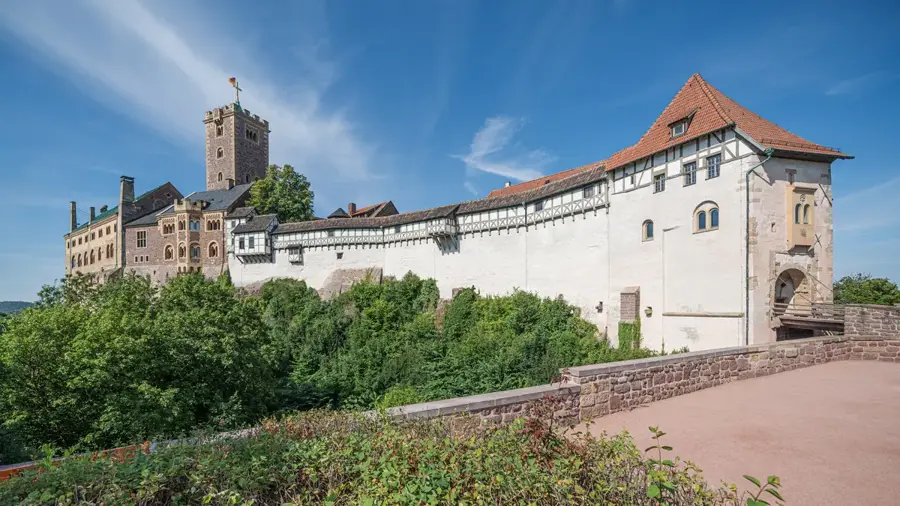
Wartburg
Wartburg is a medieval castle in Thuringia near Eisenach, where Martin Luther translated the Bible into German in 1521–22 under the pseudonym 'Junker…
Learn more →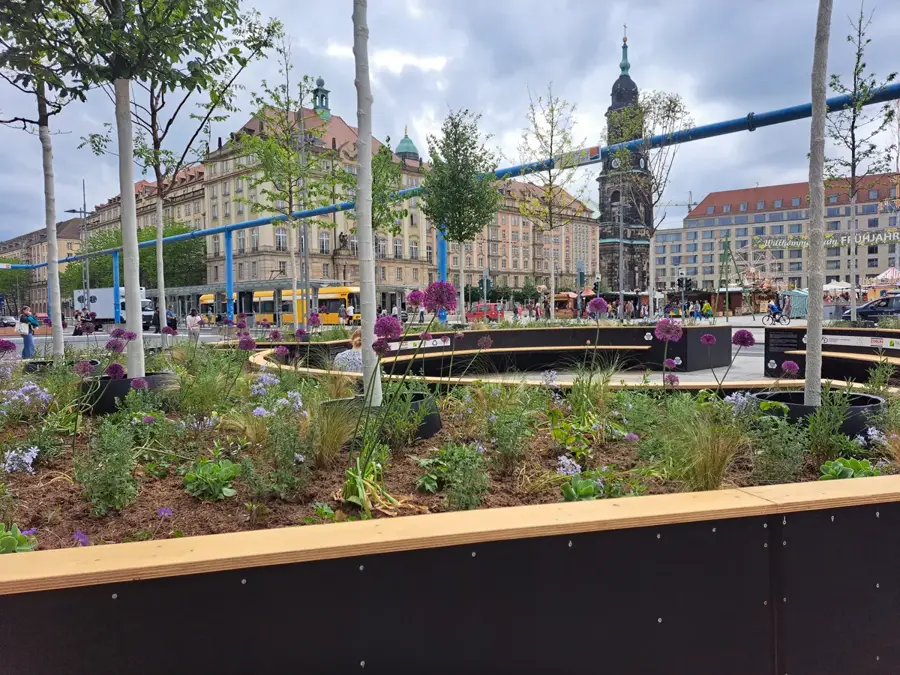
Zwinger
The Dresden Zwinger is a Baroque palace ensemble in Dresden, built by Augustus the Strong in the early 18th century.
Learn more →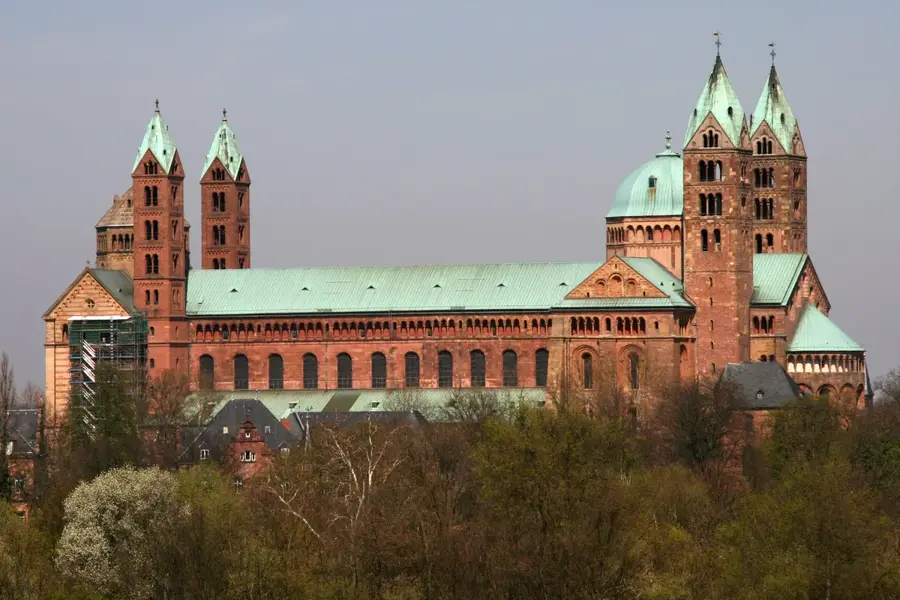
Speyer Cathedral
Speyer Cathedral is Germany's most important Romanesque cathedral and one of the world's largest cathedrals, built between 1030 and 1061.
Learn more →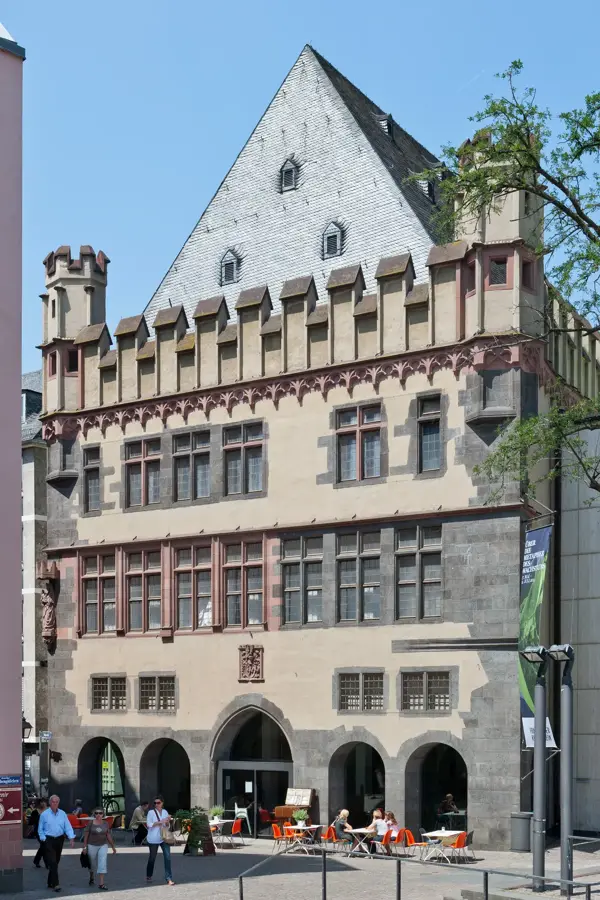
Goethe House Frankfurt
Goethe House on the Großen Hirschgraben in Frankfurt is the birthplace of Johann Wolfgang von Goethe (1749) and today a museum.
Learn more →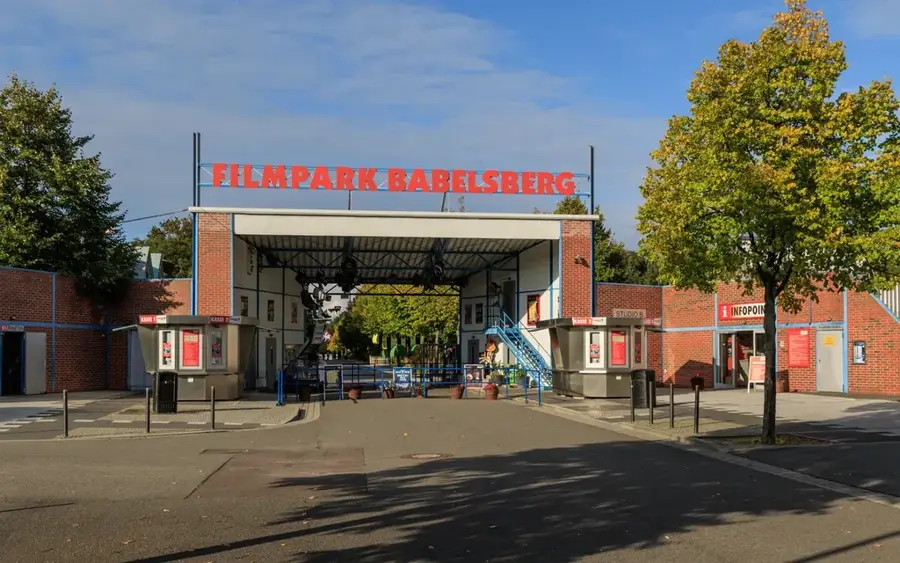
Filmpark Babelsberg
Filmpark Babelsberg near Potsdam is the world's oldest major film studio, founded in 1912, and one of Europe's most important film production sites.
Learn more →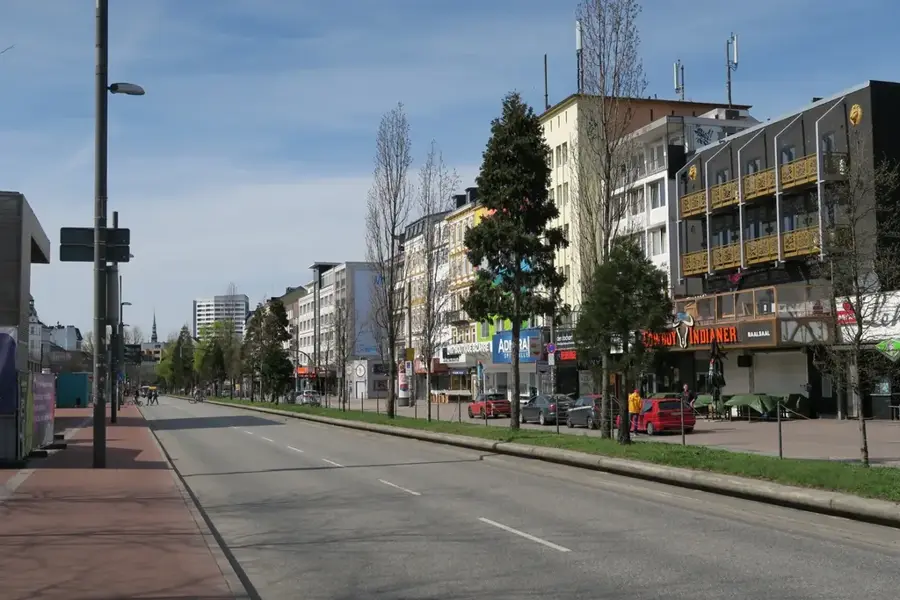
Reeperbahn St. Pauli
The Reeperbahn in St.
Learn more →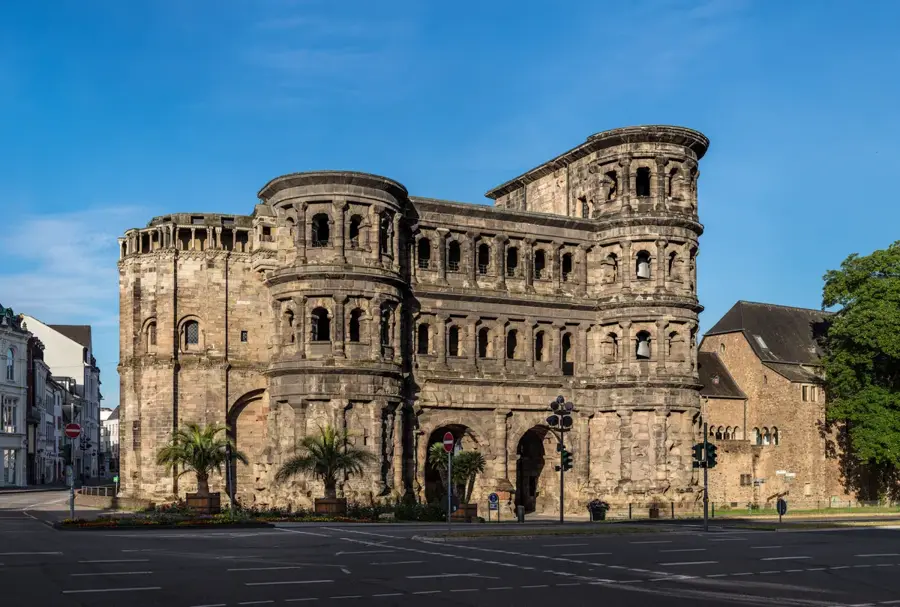
Porta Nigra
The Porta Nigra is the best-preserved Roman city gate north of the Alps and is located in Trier.
Learn more →Nature
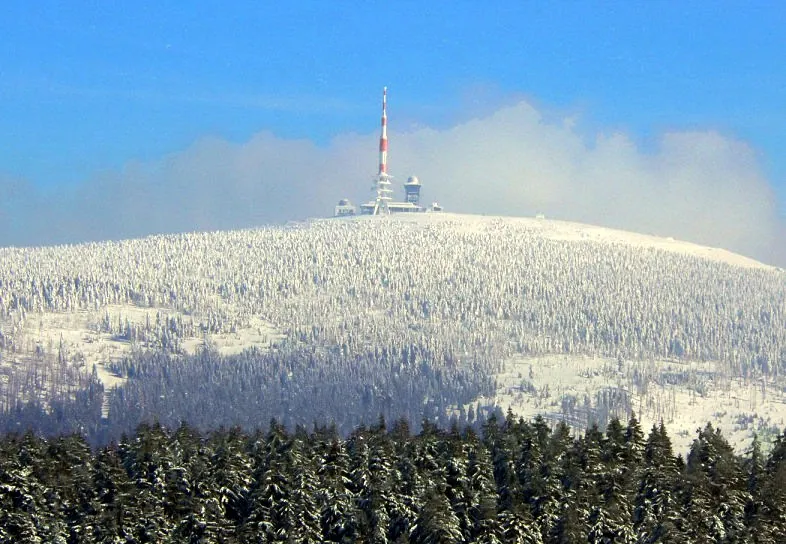
Brocken
At 1,141 meters, the Brocken is the highest peak in the Harz mountain range and in all of Northern Germany.
Learn more →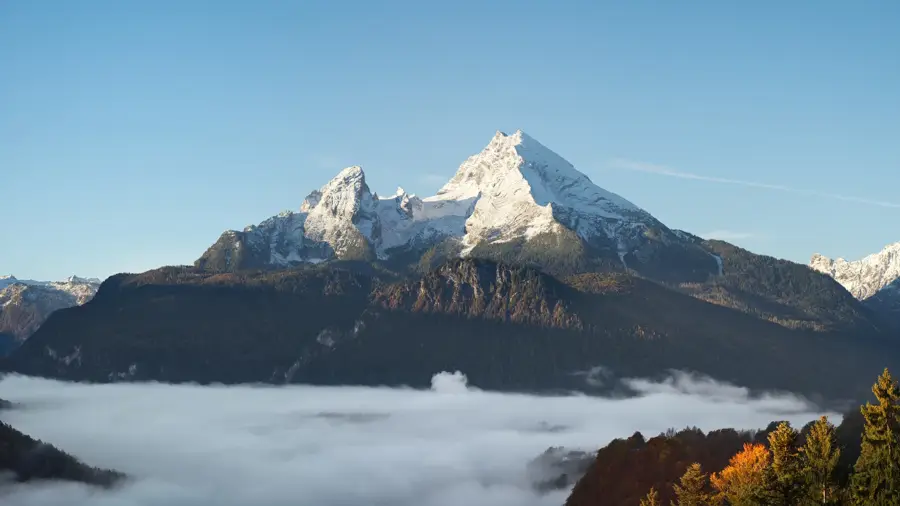
Watzmann
At 2,713 meters, the Watzmann is the central mountain massif of the Berchtesgaden Alps in Bavaria and the third-highest mountain in Germany.
Learn more →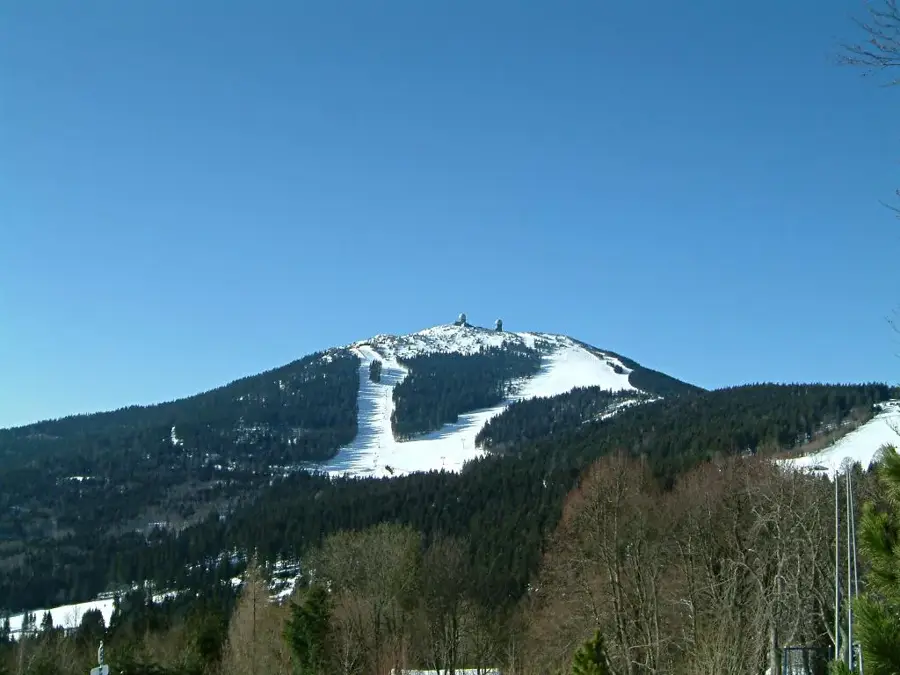
Großer Arber
At 1,456 meters, the Großer Arber is the highest mountain of the Bohemian Forest and the Bavarian Forest, earning it the nickname 'King of the Bavari…
Learn more →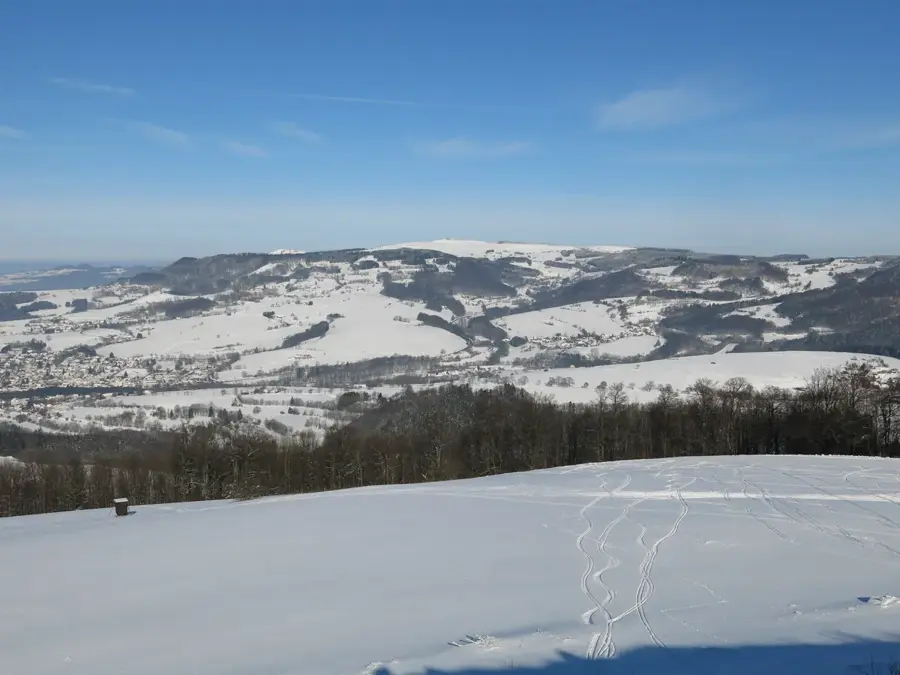
Wasserkuppe
At 950 meters, the Wasserkuppe is the highest mountain in the Rhön Mountains and the highest elevation in the state of Hesse.
Learn more →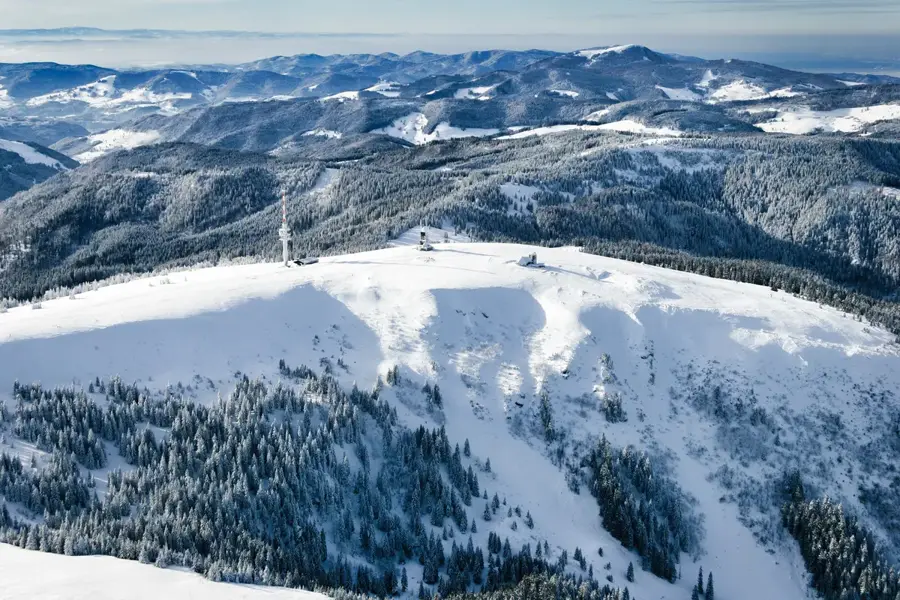
Feldberg (Schwarzwald)
At 1,493 meters, the Feldberg in Baden-Württemberg is the highest mountain in the Black Forest and the highest German mountain outside the Alps.
Learn more →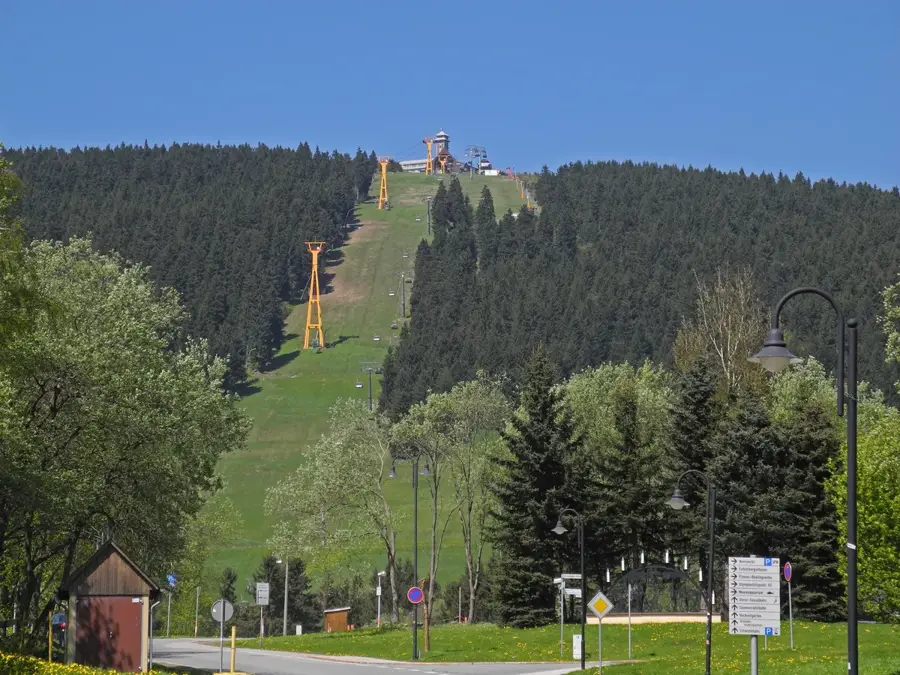
Fichtelberg
The Fichtelberg in the Ore Mountains (Erzgebirge) is the highest mountain in the state of Saxony and an important symbol of the region.
Learn more →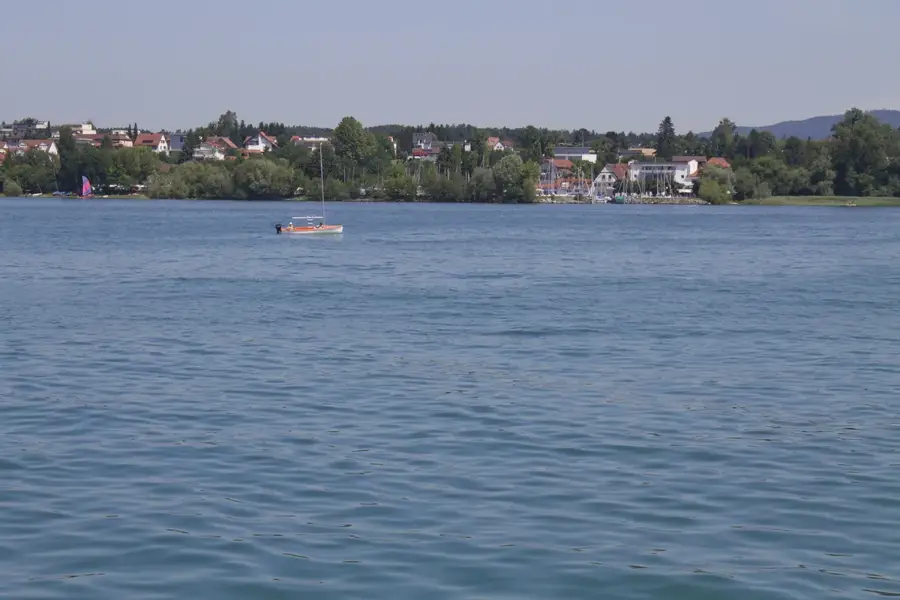
Bodensee
Lake Constance, affectionately known as the 'Swabian Sea', is located at the tri-border area of Germany, Austria, and Switzerland.
Learn more →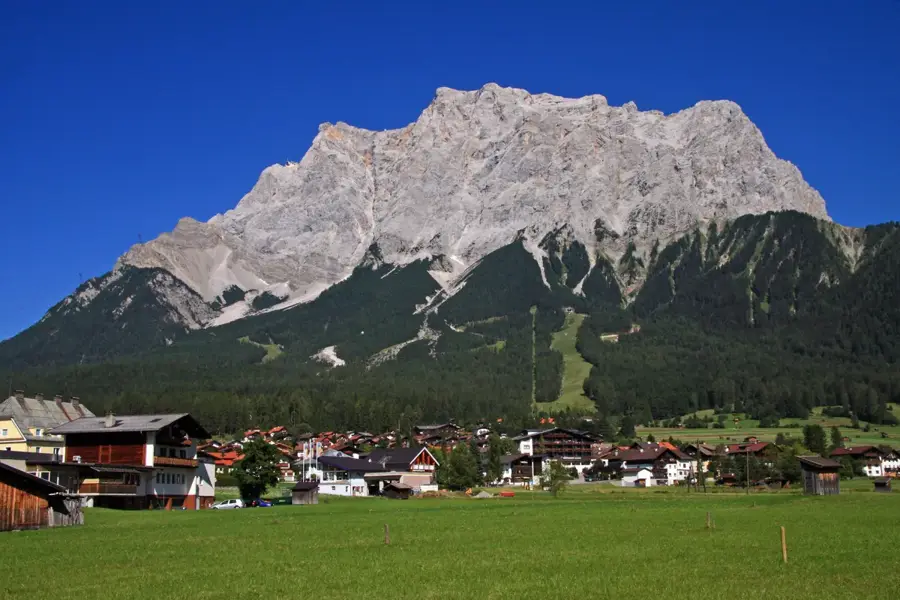
Zugspitze
The Zugspitze is Germany's highest mountain at 2,962 meters and belongs to the Wetterstein Mountains in the Alps.
Learn more →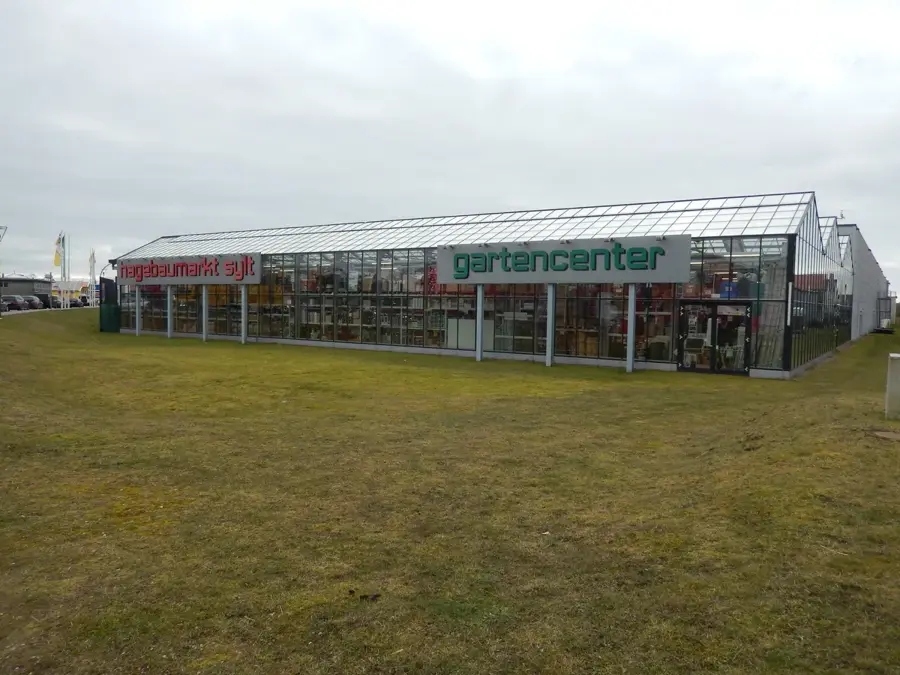
Sylt
Sylt is the largest North Frisian island and, as a place of longing in the North Sea, attracts millions of guests.
Learn more →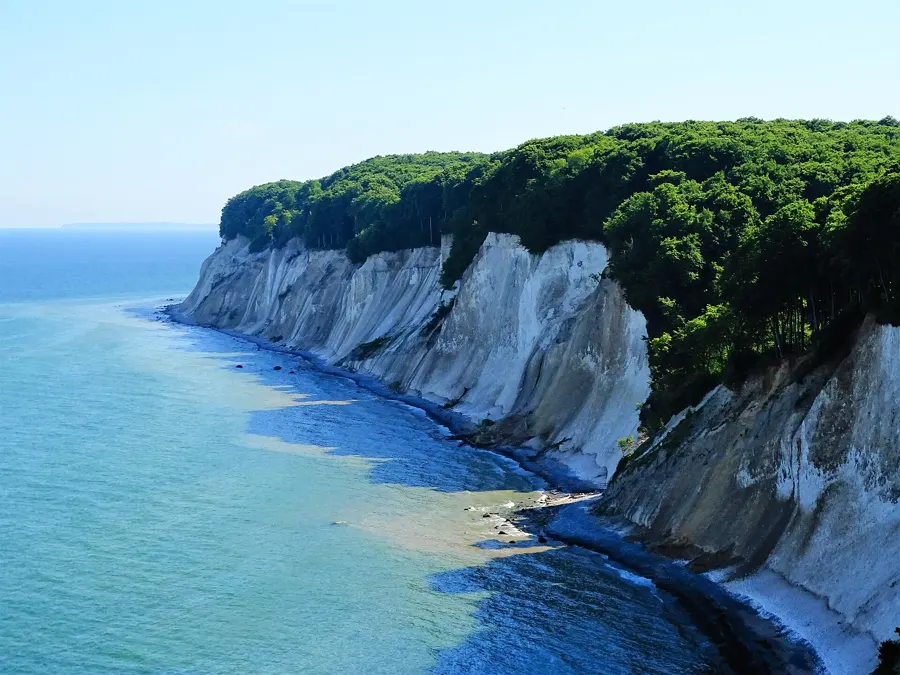
Rügen
Rügen is Germany's largest island by area and is located in the Baltic Sea.
Learn more →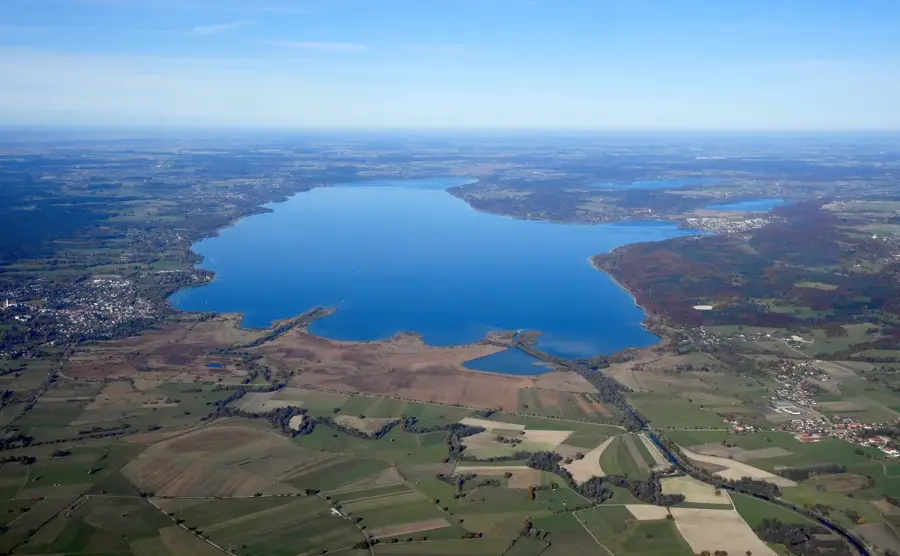
Ammersee
Lake Ammersee lies in western Upper Bavaria southwest of Munich and at 47 km² is Bavaria's third-largest lake after Chiemsee and Starnberger See.
Learn more →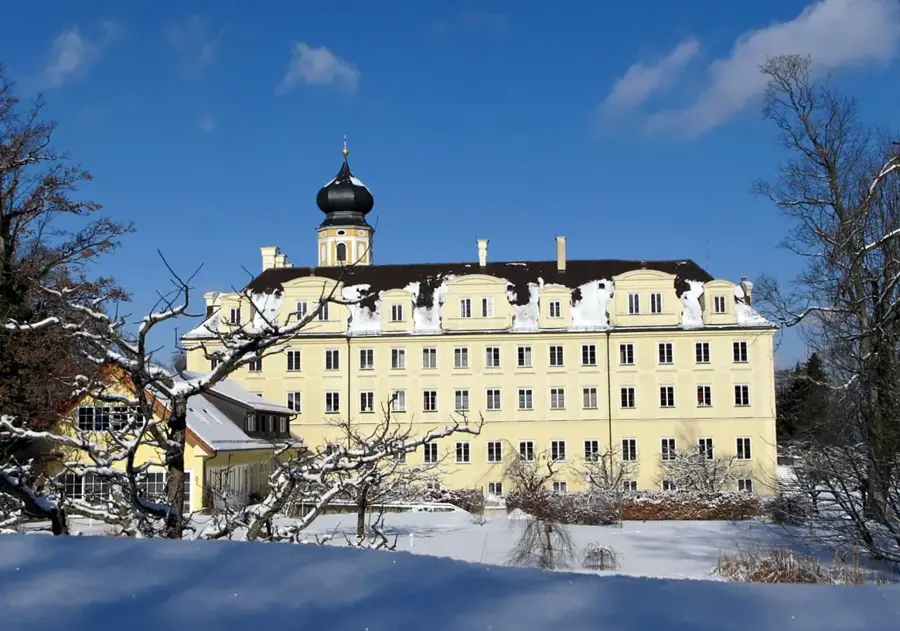
Starnberger See
Lake Starnberg lies about 25 km southwest of Munich in Bavaria and is one of the largest lakes in the German Alpine foothills.
Learn more →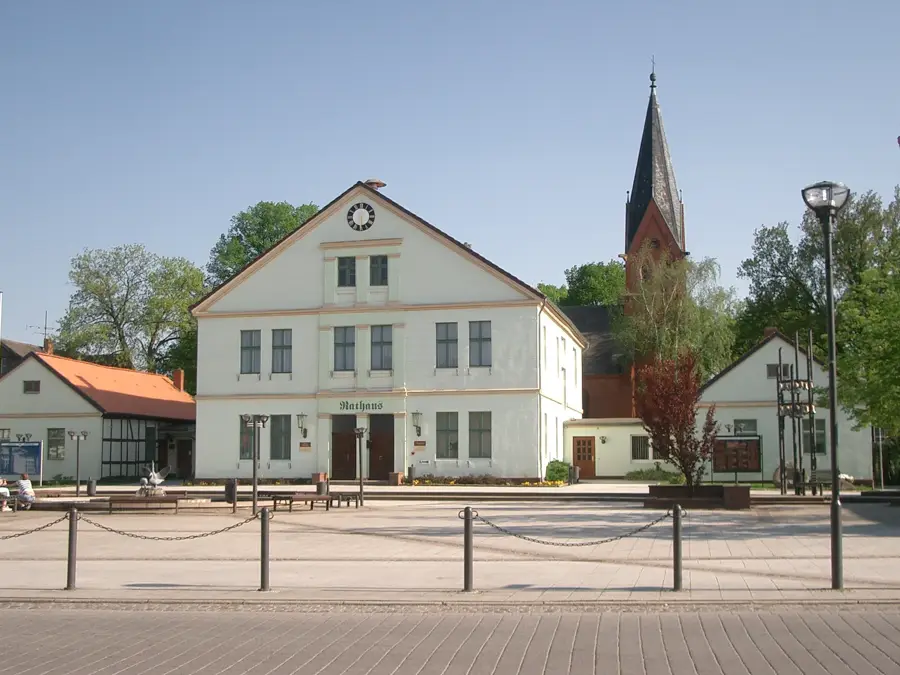
Arendsee
Arendsee is one of the most beautiful and deepest lakes in the Altmark, the northwestern part of Saxony-Anhalt.
Learn more →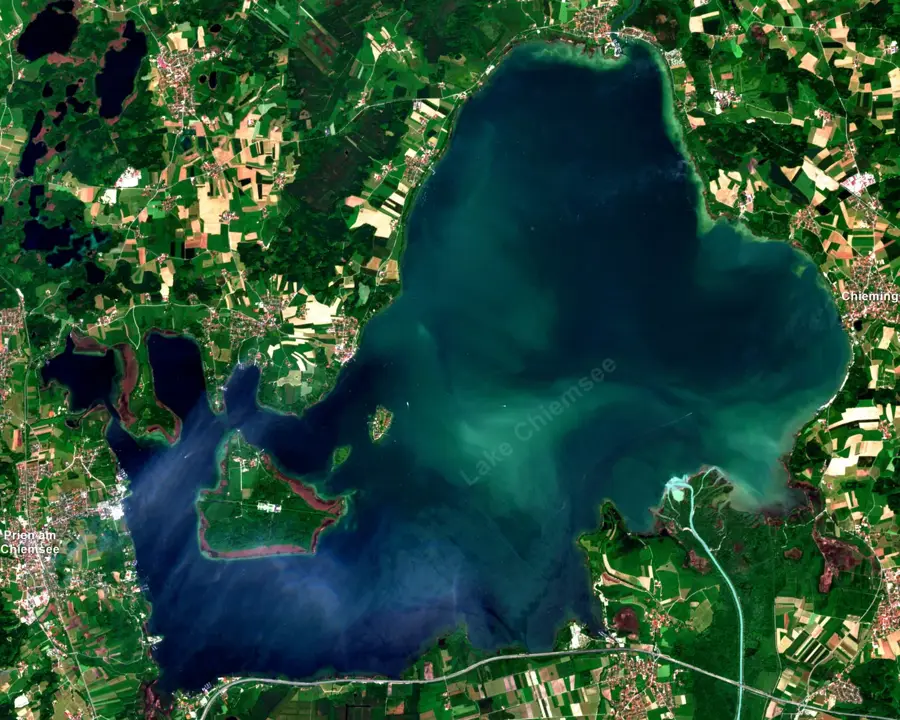
Chiemsee
Lake Chiemsee is Bavaria's largest lake and is often called the 'Bavarian Sea'.
Learn more →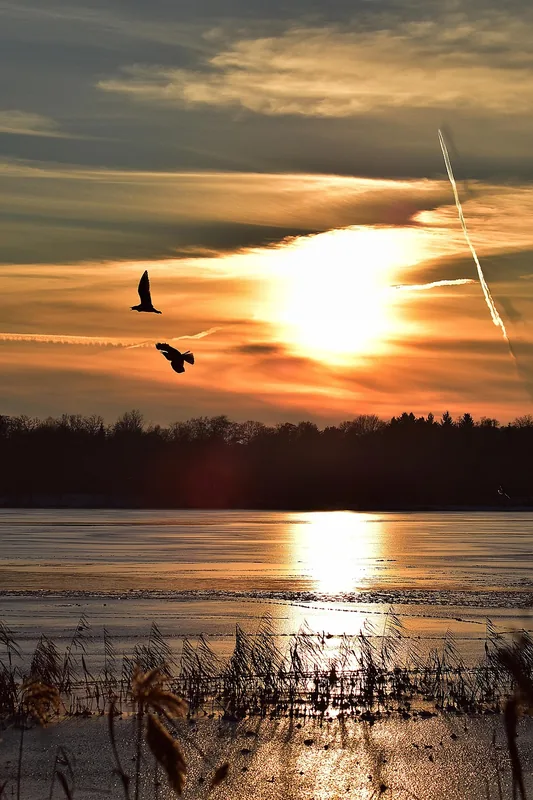
Scharmützelsee
Scharmützelsee is one of the largest lakes in Brandenburg, set in the lake landscape of the Märkische Schweiz.
Learn more →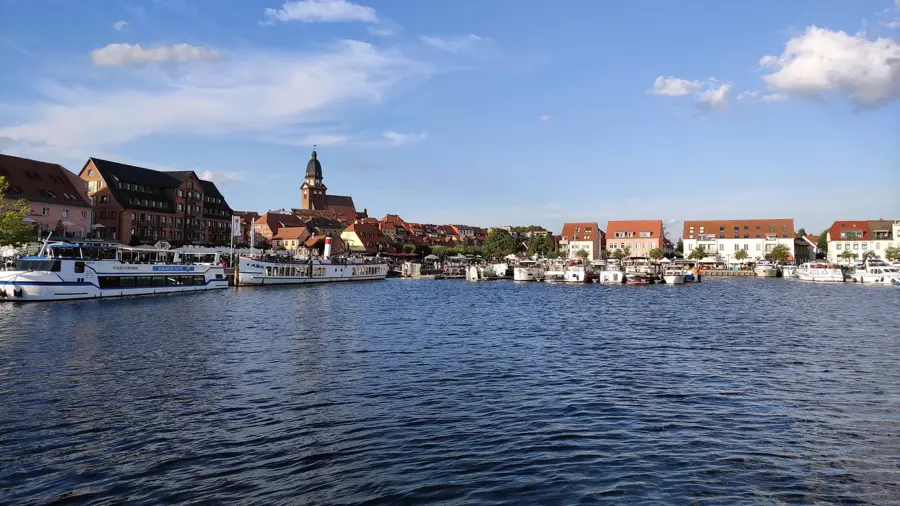
Müritz
Lake Müritz is Germany's largest wholly inland lake (excluding Bodensee) and is located in Mecklenburg-Western Pomerania.
Learn more →More highlights
Harz
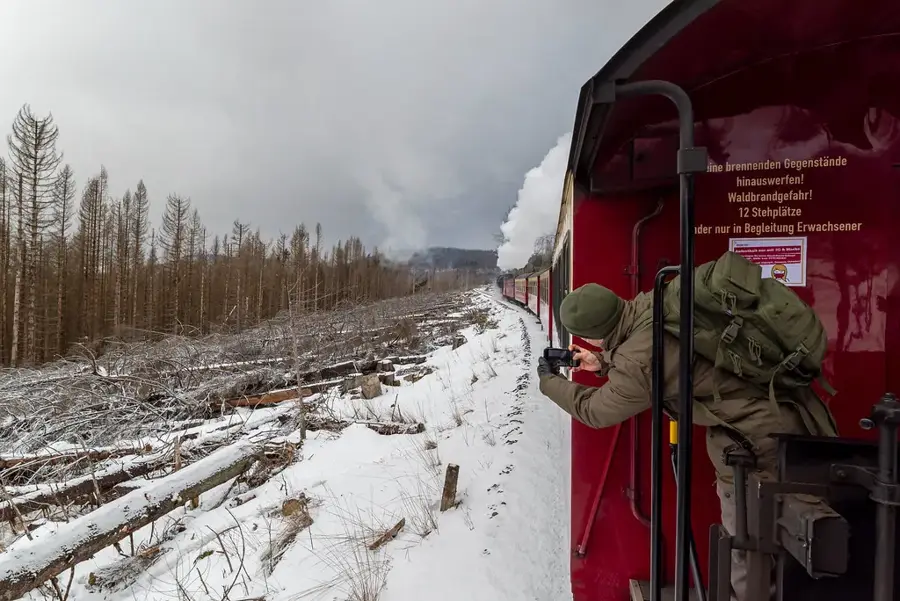
The Harz is the northernmost low mountain range in Germany and a place full of myths, deep forests, and steep cliffs.
Learn more →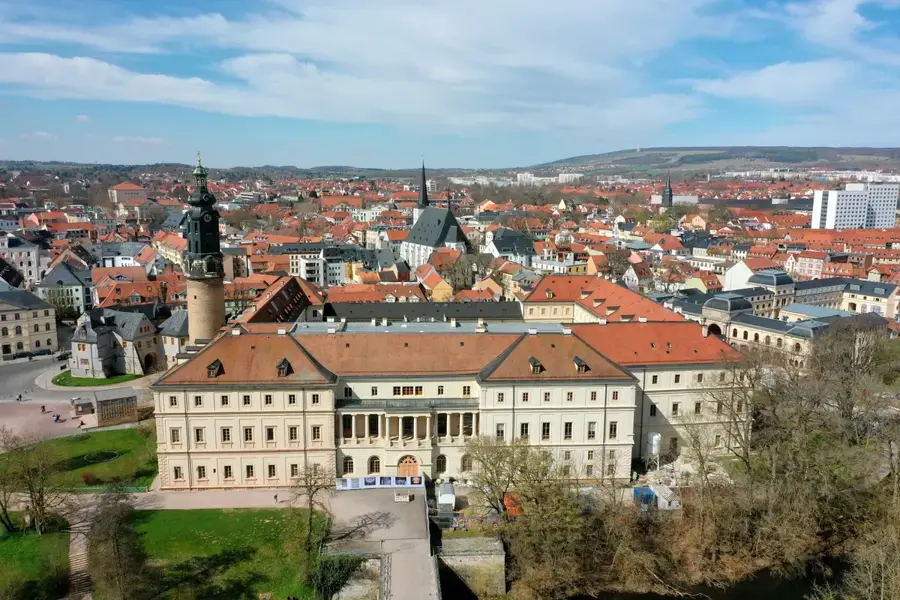
Weimar
Weimar is a relatively small city in Thuringia, but it boasts an incomparable density of cultural and historical significance.
Learn more →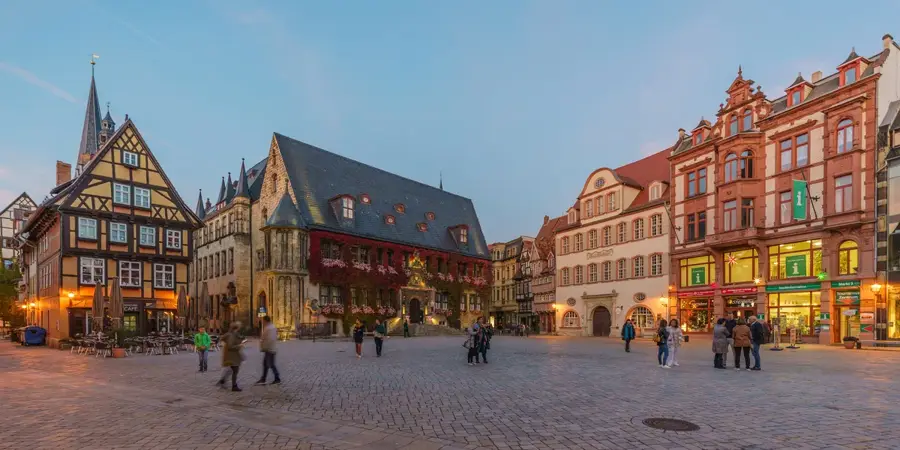
Quedlinburg – Collegiate Church
Quedlinburg, on the northern edge of the Harz Mountains in Saxony-Anhalt, is a true architectural treasure trove.
Learn more →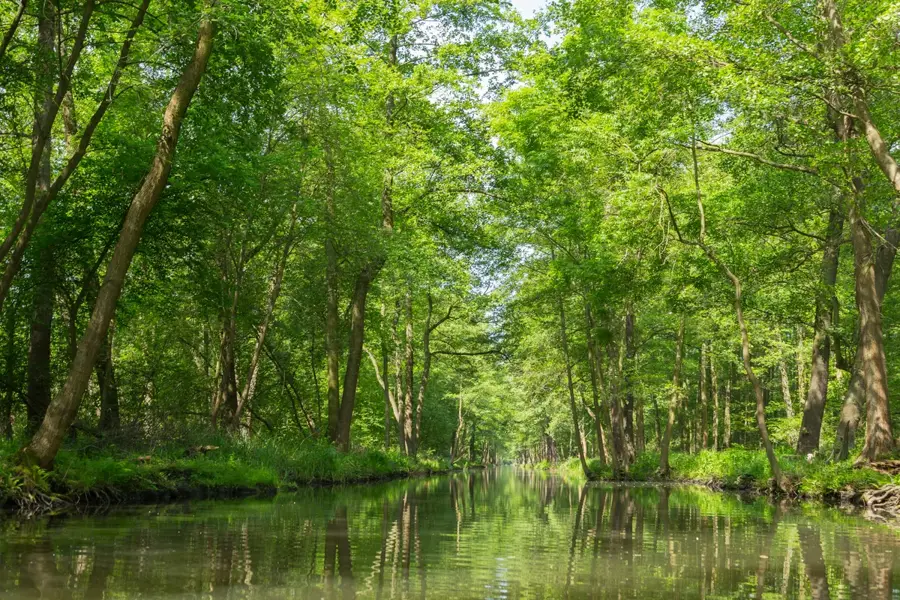
Spreewald
The Spreewald in Brandenburg is a unique and magical floodplain landscape created by the branching of the Spree River into hundreds of small canals.
Learn more →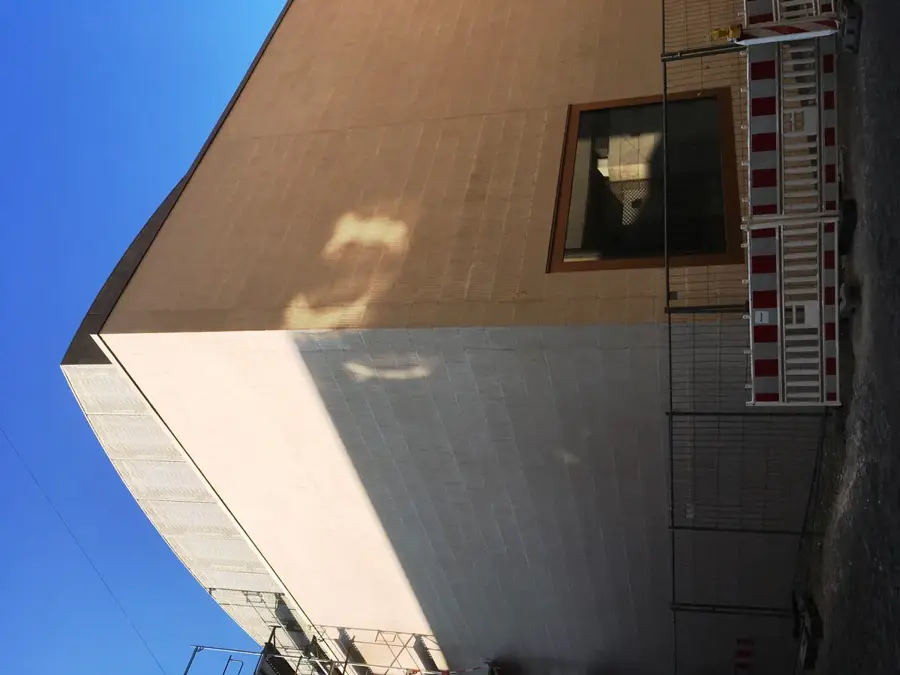
Regensburg
Historical Regensburg in Bavaria is one of the oldest and most beautiful cities in Germany, allowing the Middle Ages to breathe architecturally to th…
Learn more →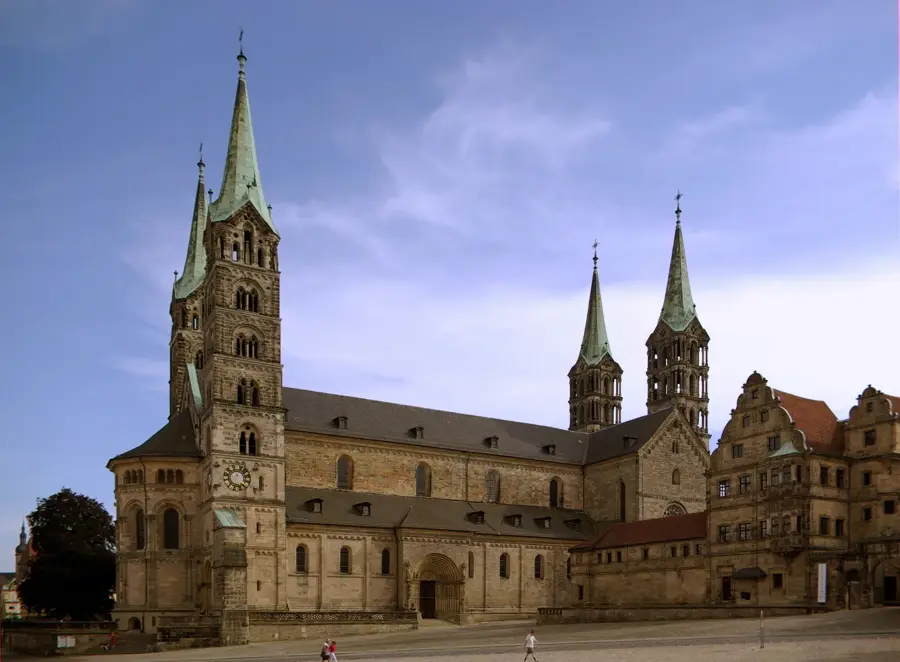
Bamberg Cathedral
Bamberg is a Franconian masterpiece and fascinates with an unspoiled historical old town that was largely spared from destruction.
Learn more →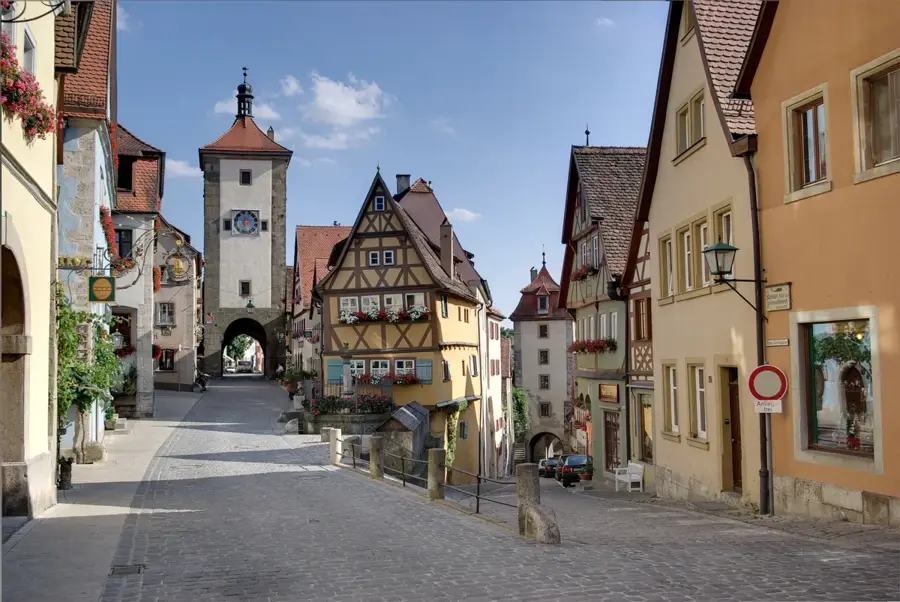
Rothenburg ob der Tauber
Rothenburg ob der Tauber, located in Bavaria, embodies the ideal image of a romantic medieval German town worldwide.
Learn more →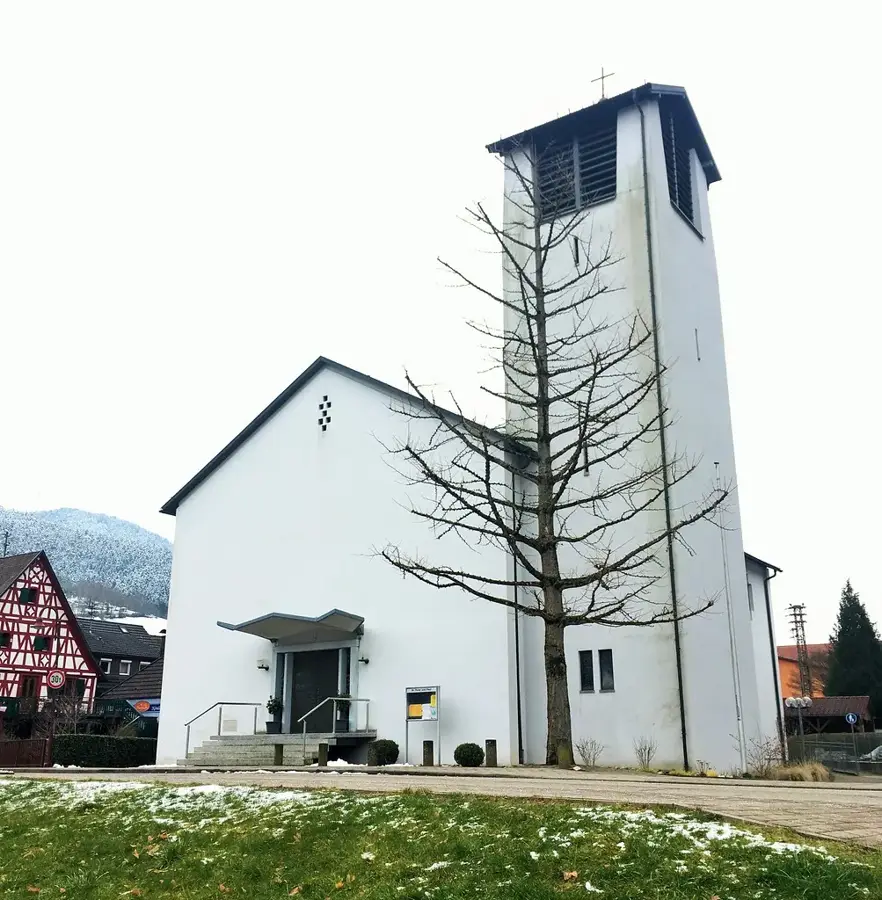
Schwarzwald
The Black Forest is Germany's largest continuous low mountain range, located in the southwest of Baden-Württemberg.
Learn more →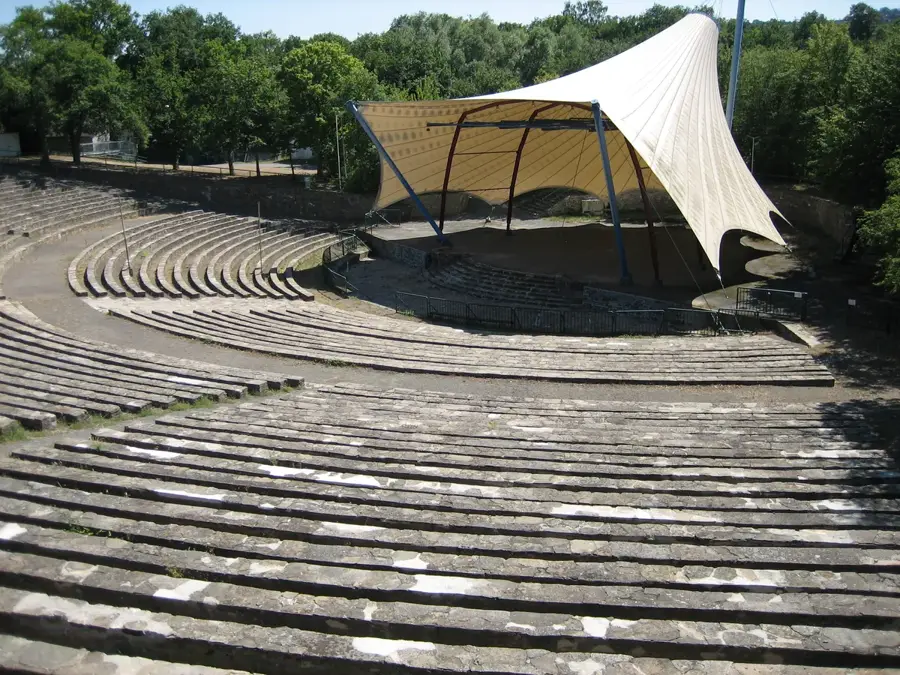
Loreley – Rhine Vineyards
The Loreley is a striking, steep slate rock in the Middle Rhine Valley, which is a UNESCO World Heritage Site.
Learn more →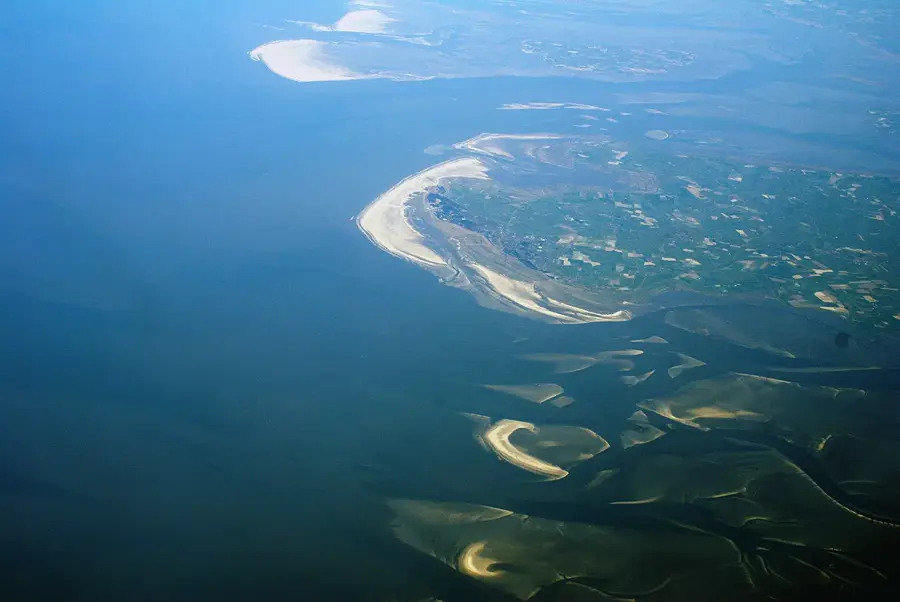
Wadden Sea – Seals
The Wadden Sea on the North Sea coast is a unique, extremely dynamic natural landscape shaped twice daily by the ebb and flow of the tide.
Learn more →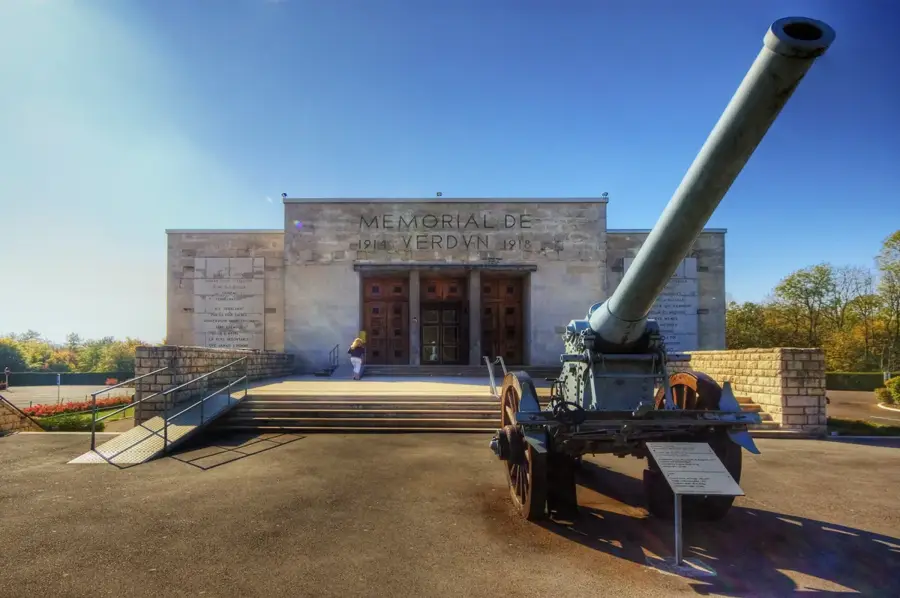
Verdun – Douaumont Ossuary
The Battle of Verdun from February to December 1916 was one of the bloodiest battles of World War I, in which German and French troops together lost …
Learn more →Frequently asked questions
What are the top attractions in Germany?
Among the most popular are Brocken, Watzmann, Großer Arber, Wasserkuppe, Feldberg (Schwarzwald) and many more – the full top 50 list is on this page.
When is the best time to visit Germany?
May to October offers the most pleasant weather; July and August are warmest and busiest.