Plizio Visual Lab

Tusheti National Park
Plizio editorial teamData Sources
national-park
—°4
Tusheti National Park (Georgia)

Weather…

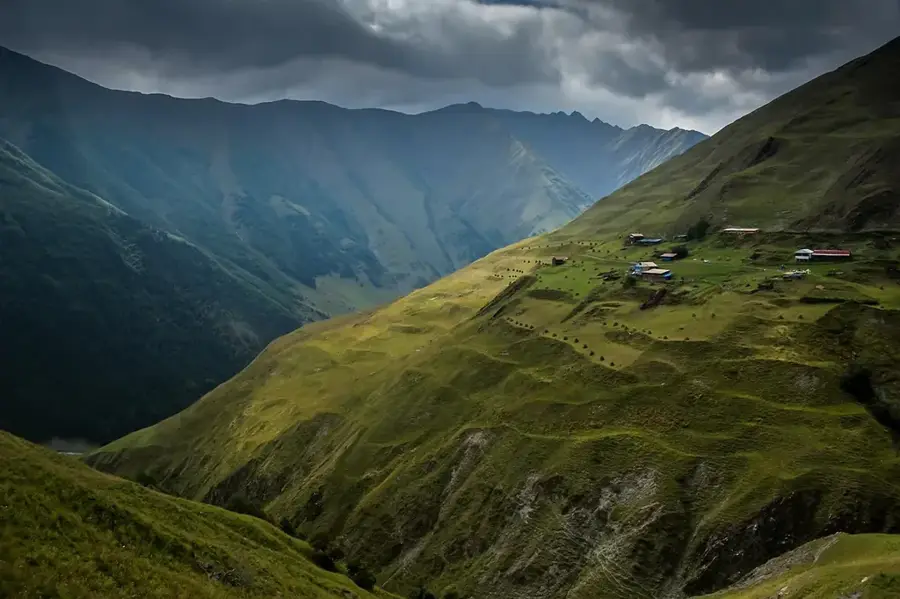
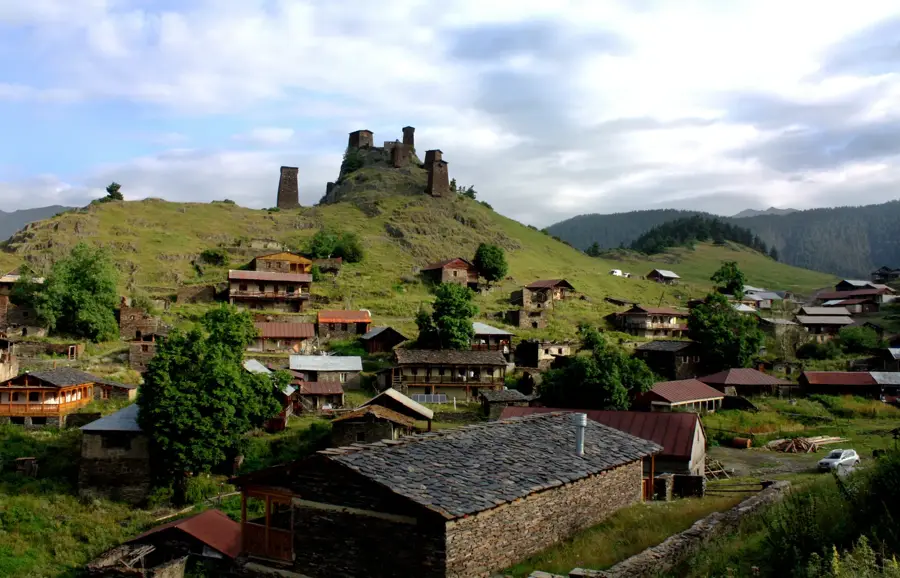
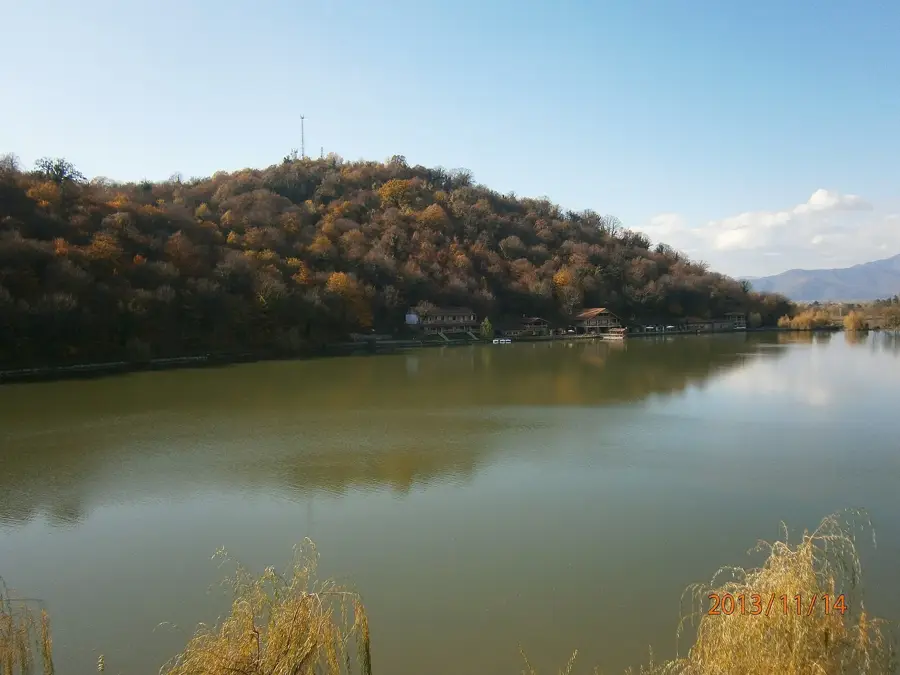
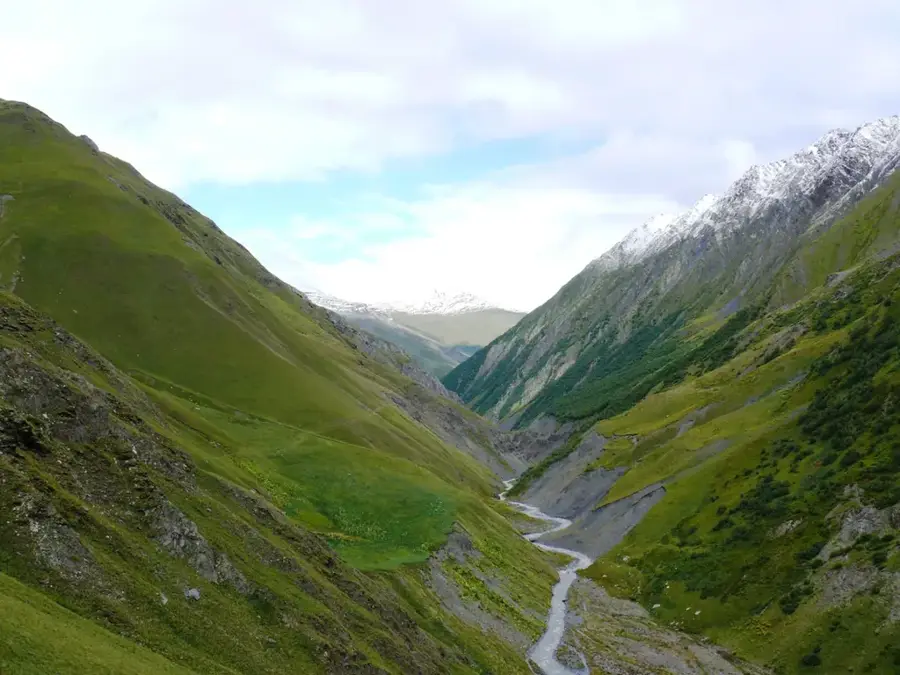
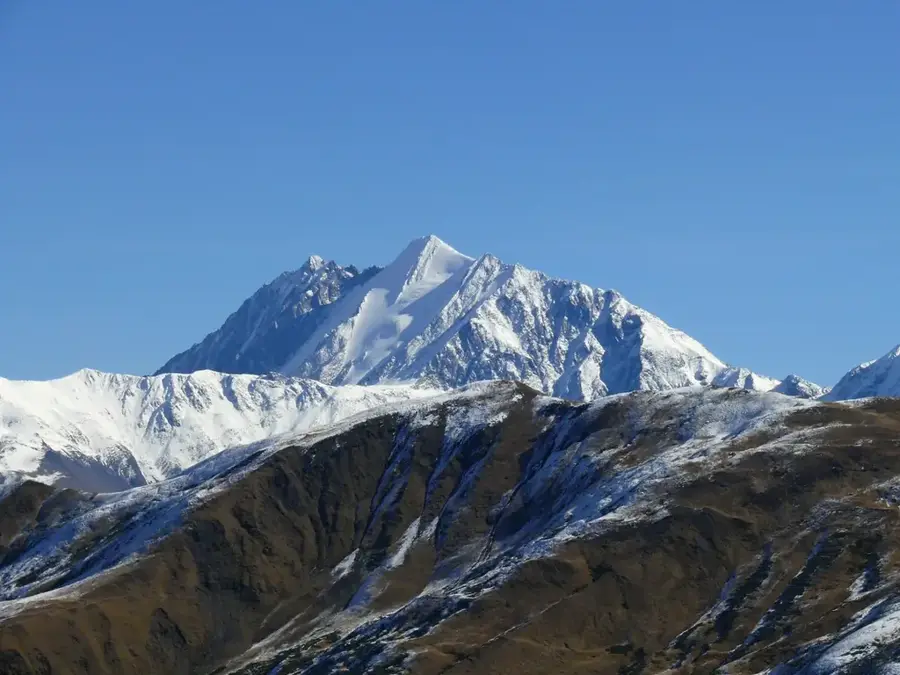
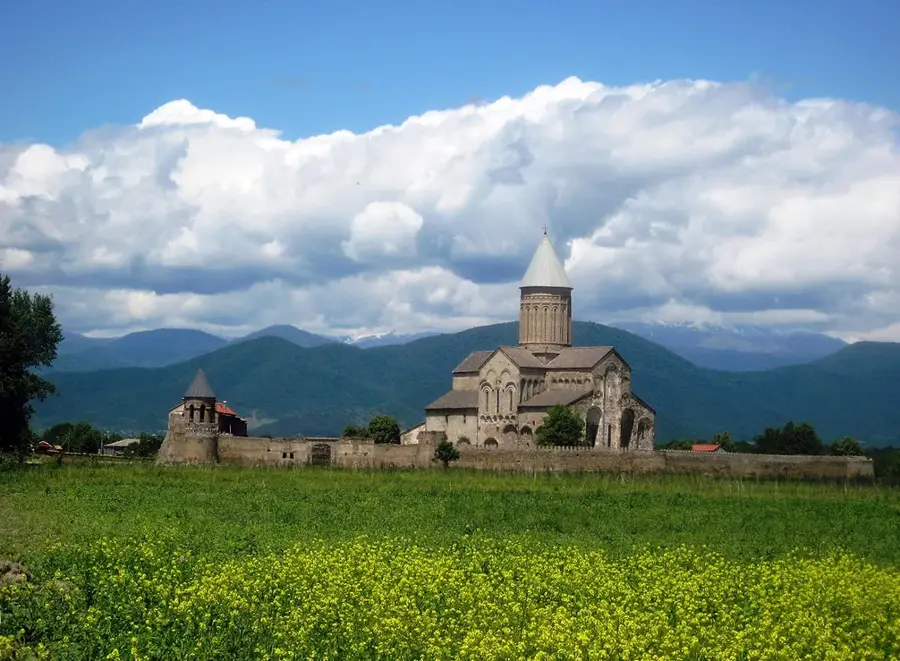
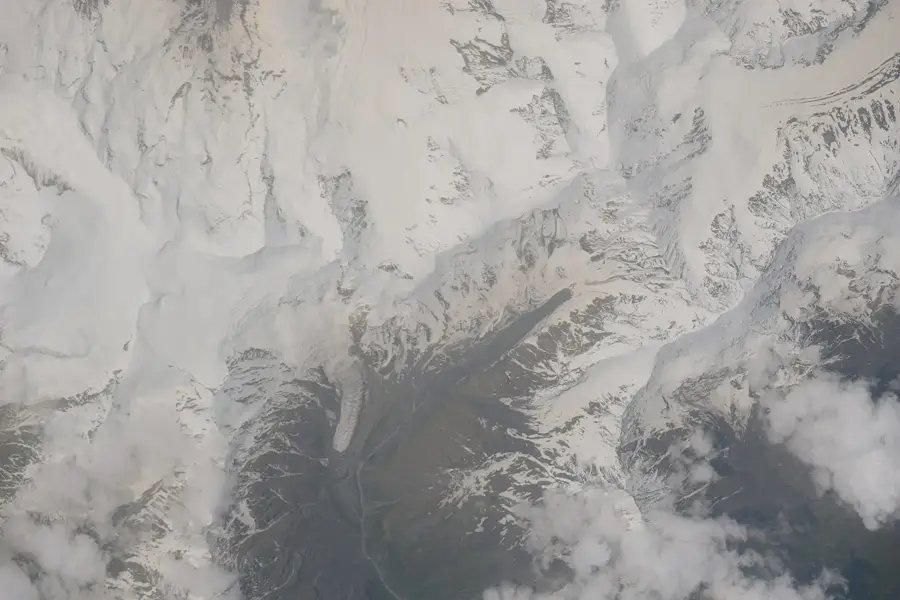
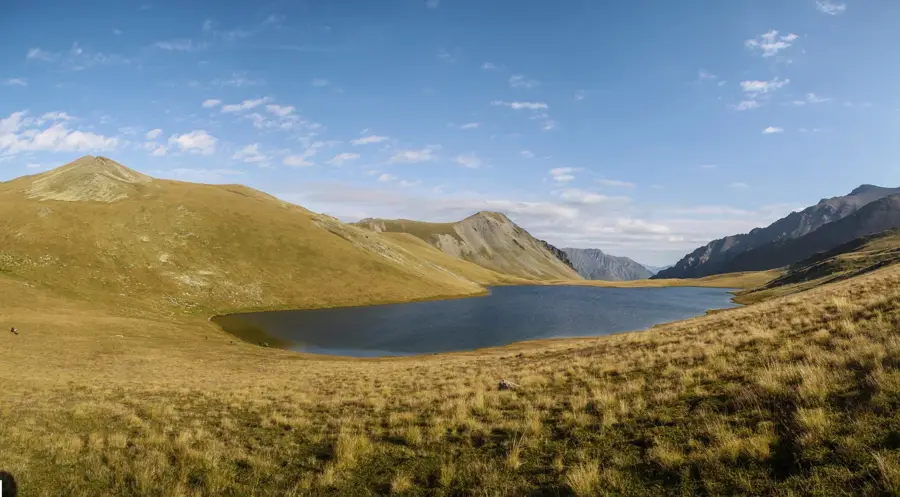
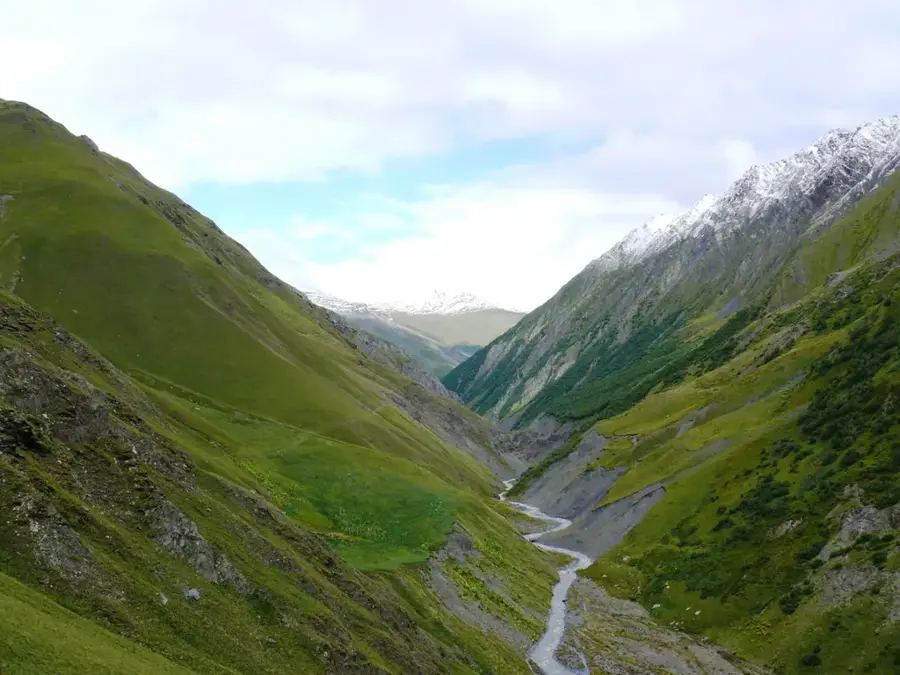
Tusheti National Park is located in the northeastern part of Georgia on the northern slopes of the Greater Caucasus, covering an area of approximately 113,660 hectares. Established in 2003, this protected area encompasses one of the most remote and well-preserved mountain regions in the country, characterized by alpine meadows, dense pine forests, and glaciated peaks. The region is renowned for its unique biodiversity, hosting endangered animals such as the Caucasian bezoar goat and the Caucasian lynx. Historically, Tusheti served as a refuge for local tribes, which is reflected in the characteristic defensive towers found in villages like Omalo. The local economy is traditionally based on sheep farming, with seasonal transhumance still practiced today. Due to its ecological and cultural significance, the area is on the UNESCO World Heritage Tentative List. Access is only possible via the dangerous Abano Pass, situated at 2,850 meters, due to the extreme terrain conditions.

Best time to visit & climate

The most pleasant time to visit is Jul–Sep.

JanFebMarAprMayJunJulAugSepOctNovDec
Avg °C-10-9-417111414104-2-7
Rain mm262543598274544945493224

📋 Practical info

🧭
Getting there
Reaching this remote territory involves crossing the demanding Abano Pass, a journey that strictly requires a capable four-wheel-drive vehicle. The starting point is typically the lower Kakheti region, from where the route ascends steeply and unevenly into the high-altitude mountains.
📅
Best season
The viable window for a visit is quite narrow, generally restricted to the warmer months between early July and mid-September. Outside of this short season, the access roads are typically blocked by heavy snowfall, leaving the entire area completely isolated from the outside world.
⛰️
Terrain & paths
The terrain is defined by rugged alpine landscapes, steep mountainsides, and deeply carved valleys that demand a solid level of physical fitness. Trails range from gentle meadow paths to highly demanding, rocky passages where surefootedness is an absolute prerequisite for progression.
🎒
What to bring
Due to the harsh and unpredictable high-altitude climate, high-quality weatherproof clothing and reliable trekking gear are of utmost importance. Warm sleeping bags and sufficient food supplies should also be packed, as the local infrastructure in the villages is often extremely basic.
🅿️
Parking
Vehicles can usually be left on the outskirts of the small mountain villages, marking the start of the actual hiking or horseback riding area. There are no paved parking lots in the deeper valleys, so cars are typically parked in open spaces designated and tolerated by the local residents.
⚠️
Safety
The extreme remoteness introduces specific risks; swift medical assistance is nearly impossible to secure, and mobile networks are often non-existent. Hikers must constantly monitor the unpredictable mountain weather and should never venture out without reliable maps and navigation tools.
⏱️
Time needed
A meaningful stay in this region typically requires at least three to five days to truly justify the exhausting and time-consuming journey required to arrive. For extensive village-to-village trekking expeditions, ambitious visitors should plan to spend a full week or potentially even more.

Geography

Coordinates
42.36670, 45.48330

Facts

  • The park was officially established in the year 2003.
  • The total area of the protected territory is 113,660 hectares.
  • The Abano Pass is one of the highest drivable passes in the Caucasus at 2,850 meters.
  • The village of Omalo is the administrative center, located at about 1,880 meters.
  • About 60 endemic Caucasian plant species are found within the region.
  • The traditional defensive towers mostly date back to the 17th and 18th centuries.

Explore nearby

Notable places around

Route planner — Car & Motorhome

Where do you start? We build the route here, with stops and country notes along the way.

Vehicle
Only stops with (optional):

© OpenStreetMap contributors · OpenRouteService

Sights in the town Tusheti National Park (4)

Kitemta🌿 nature

A mountain peak located near the border between Georgia and Russia.

Sakarotsveri🌿 nature

A high peak in the Eastern Caucasus, reaching into the alpine zone.

Sakkhevi🌿 nature

A rugged mountain summit within the protected landscape of Tusheti.

Iliurta church⛪ religious

A traditional Georgian Orthodox church in the mountainous Tsovata region.

Sights nearby

Frequently asked questions

When is the best time to visit Tusheti National Park?
The best time is from July to September, as the Abano Pass is usually snow-free and accessible only during these months.
Is a 4WD vehicle required for the trip?
Yes, the road to Omalo is one of the world's most dangerous; an experienced driver and a 4WD vehicle are strictly necessary.
Are there accommodation options within the park?
In villages like Omalo and Shenako, there are simple guesthouses offering authentic Tushetian hospitality and local food.
Which local specialty should I try?
Be sure to try Tushetian Guda cheese, a pungent sheep's cheese traditionally ripened in sheepskin.
Is the park suitable for families with children?
For older children who enjoy hiking it is an adventure, but the long, bumpy journey can be very tiring for small children.
Tusheti National Park: where is it located?
Tusheti National Park is located in Georgia.
Tusheti National Park: what is there to see?
Highlights include Kitemta, Sakarotsveri, Sakkhevi.
Tusheti National Park: when is the best time to visit?
The most pleasant time to visit is Jul, Sep.
Tusheti National Park: why is it worth visiting?

Tusheti National Park is located in the northeastern part of Georgia on the northern slopes of the Greater Caucasus, covering an area of approximately 113,660 hectares.
View on map → The Top 50 Attractions → OpenStreetMap →
Asia
Explore with Plizio Discover more places in Asia
More places in Georgia →

Nearby cities

History & landmarks
Nature
More places