Plizio Visual Lab

Komo River
Plizio editorial teamData Sources
River
—°2
Komo River (Gabon)

Weather…

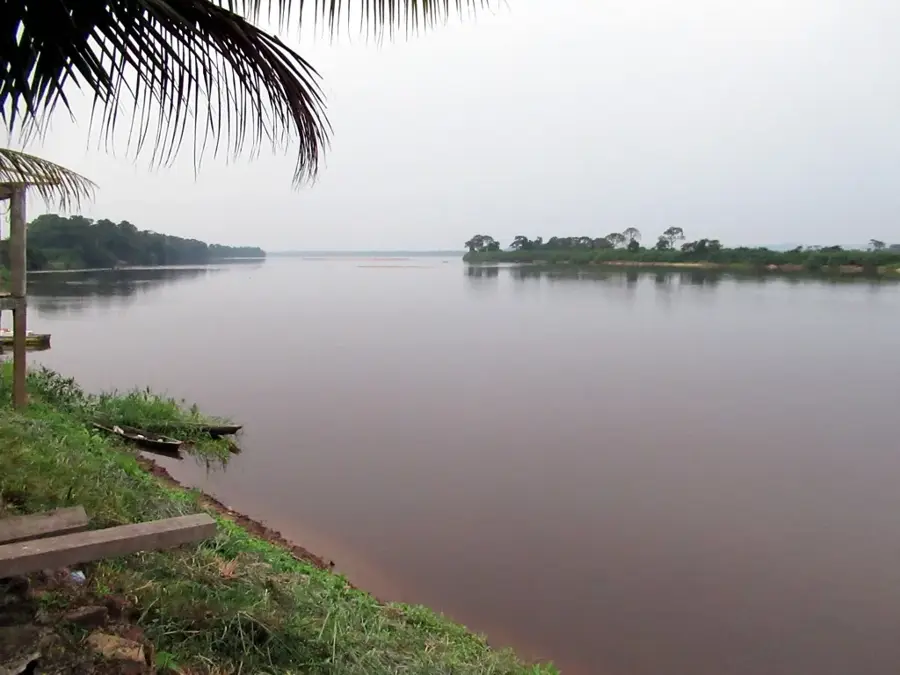
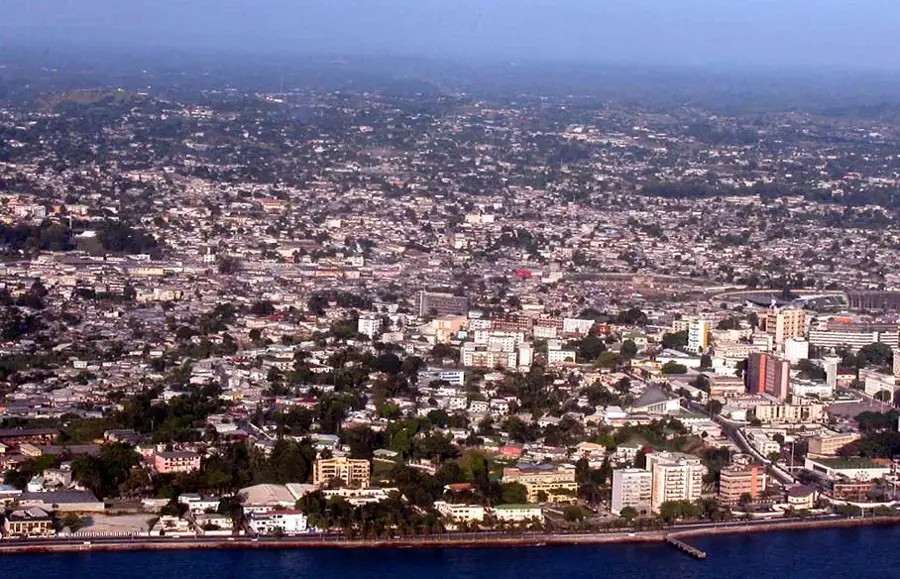
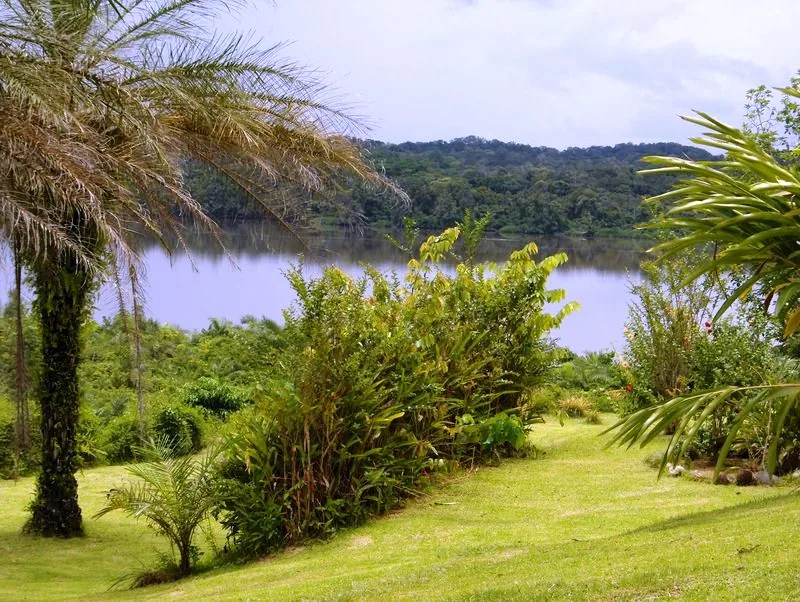
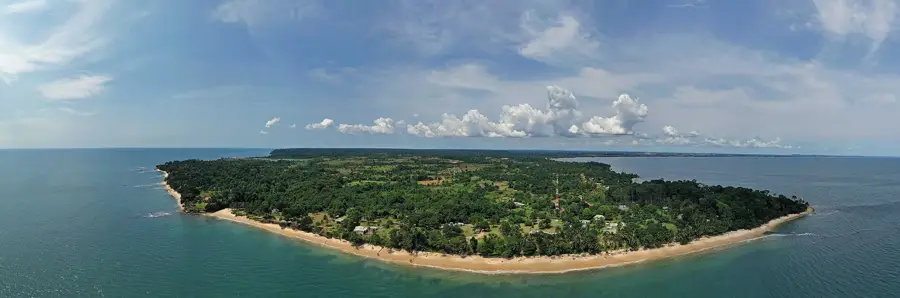
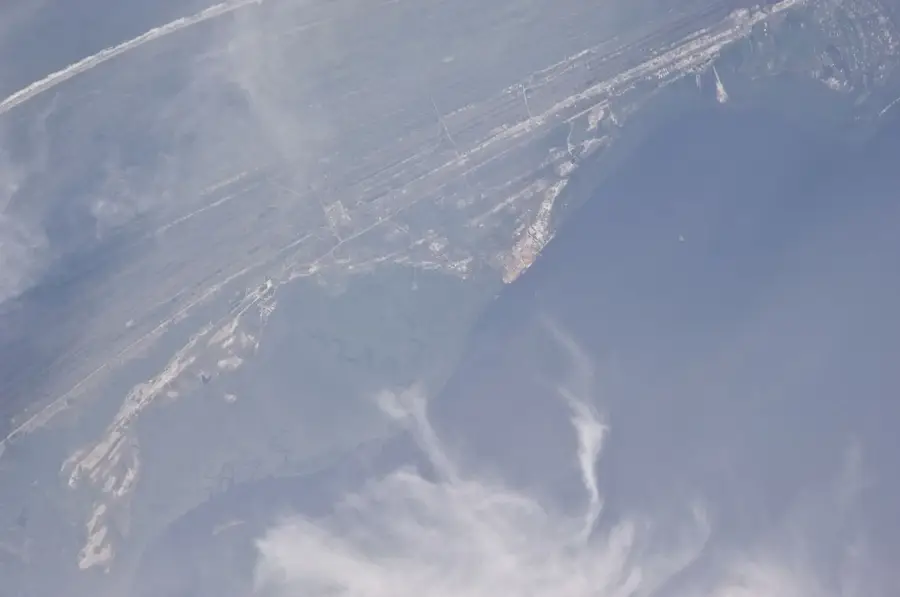
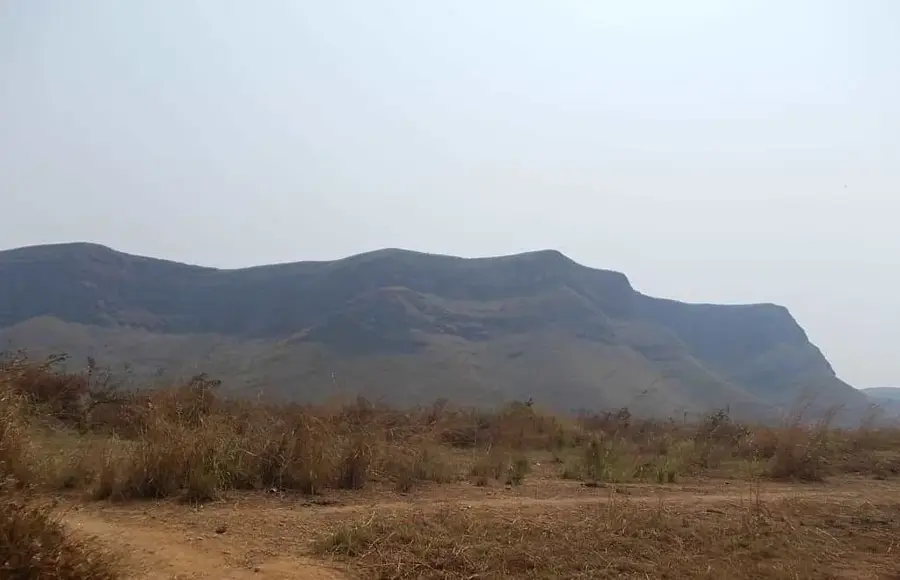
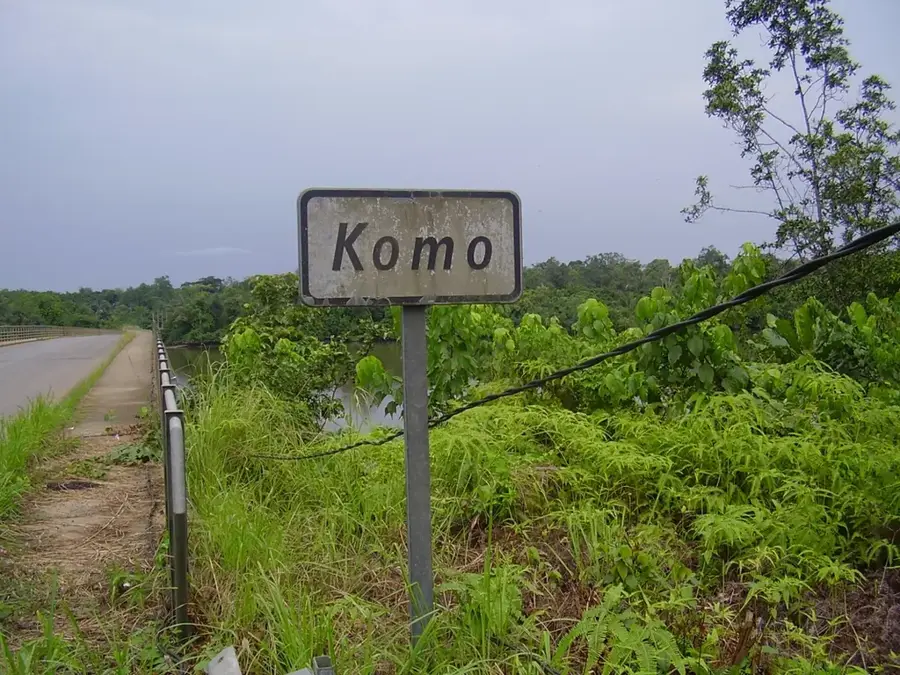
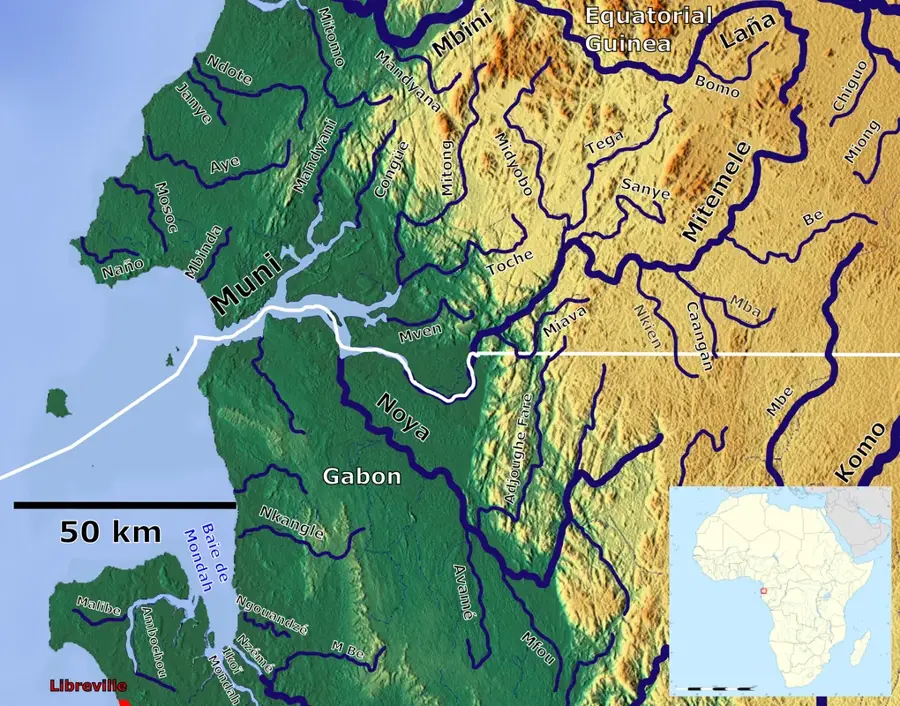
The Komo River is one of Gabon's most significant waterways, originating in the Crystal Mountains in the north of the country. It flows westward and eventually empties into the Gabon Estuary, on whose banks the capital Libreville is situated. The river is geographically important as its lower course serves as a navigable access to the interior, which historically facilitated the development of Gabon. Along its course are significant hydroelectric plants like Kinguélé and Tchimbélé, which generate most of the electricity for the capital region. The banks of the Komo are lined with dense mangrove forests, forming a vital ecosystem for numerous fish species and birds. The river plays a central role in transportation, especially for the timber industry, as logs are floated downstream to the ports. Despite industrial use, the upper course of the Komo remains largely untouched and hosts rich aquatic biodiversity under the protection of adjacent national parks.

Best time to visit & climate

The most pleasant time to visit is Jun–Aug.

JanFebMarAprMayJunJulAugSepOctNovDec
Avg °C262626262625242425252526
Rain mm203190277261195471225112362395228

📋 Practical info

🧭
Getting there
The Komo River is typically explored starting from Libreville, where visitors can arrange boat tours or hire local pirogues to navigate the estuary and river upstream. Road access to the upper reaches of the river is limited and often requires driving on rough logging roads deep into the forest.
📅
Best season
The long dry season, from June to September, is the most comfortable time for boat trips, with less rainfall and lower humidity. The heavy rainy seasons dramatically raise water levels and increase the river's current, which can make navigation more challenging but visually spectacular.
⛰️
Terrain & paths
The river flows through a dense, pristine equatorial rainforest environment, characterized by muddy banks, mangrove swamps near the estuary, and thick vegetation. Exploring on foot near the banks is extremely difficult due to the dense undergrowth and swampy conditions, making boats the primary mode of exploration.
🎒
What to bring
When taking a river trip, quick-drying clothing, a high-quality waterproof bag for electronics, and a rain poncho are absolute necessities. Strong insect repellent, anti-malarial precautions, and sun protection are also critical for enduring the humid, tropical environment.
🅿️
Parking
For boat excursions, vehicles are safely parked at the marinas or designated launch points in Libreville. If attempting to reach inland river sections by road, parking is completely informal, usually involving leaving the vehicle at a remote logging camp or village.
⚠️
Safety
The primary risks involve the dense, remote jungle environment and waterborne travel, meaning life jackets should always be worn on boats. The intense humidity and risk of tropical diseases necessitate comprehensive health preparations and traveling with experienced local guides.
⏱️
Time needed
Most visitors experience the Komo River via a half-day or full-day boat excursion from Libreville. Deep explorations upstream into the heart of the Gabonese rainforest are serious expeditions that can take several days and require extensive logistical support.

Geography

Coordinates
0.16670, 10.11670

Facts

  • Originates in the Crystal Mountains highlands near the Equatorial Guinea border.
  • The Kinguélé and Tchimbélé hydroelectric plants are located on its course.
  • The river flows into the Atlantic after about 230 kilometers near Libreville.
  • The mangroves on the lower course are among the best preserved in Central Africa.
  • Most important transport route for the export of Okoumé timber in colonial times.
  • Its estuary is over 10 kilometers wide at the mouth.

Explore nearby

Notable places around

Route planner — Car & Motorhome

Where do you start? We build the route here, with stops and country notes along the way.

Vehicle
Only stops with (optional):

© OpenStreetMap contributors · OpenRouteService

Sights in the town Komo River (2)

Komo (department)📍 landmark

Komo is a department in Estuaire Province, Gabon, along the Komo River.

Kango📍 landmark

Kango is a town in Estuaire Province, Gabon, on the banks of the Komo River.

Sights nearby

Frequently asked questions

What role does the Komo River play for Libreville?
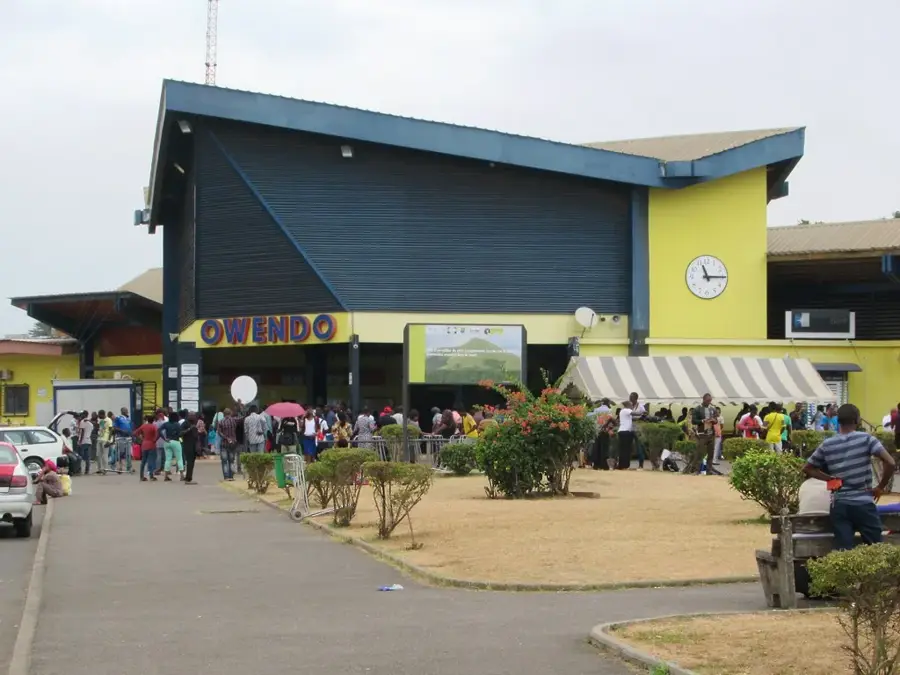
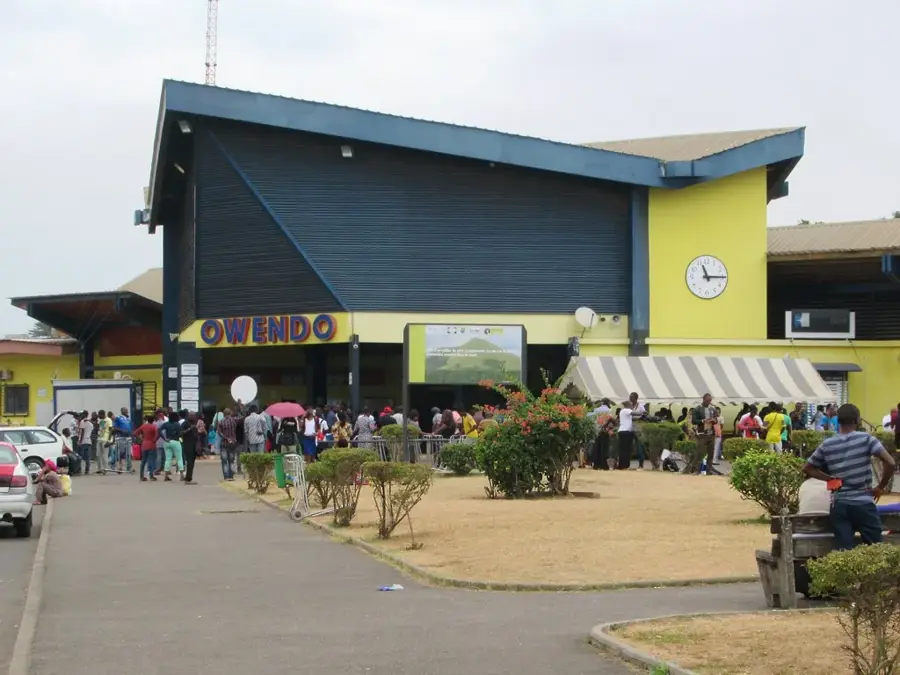
It is a vital transport artery for moving timber and goods to the port of Owendo.
Are boat tours available on the Komo River?
Yes, trips to the mangroves and historical sites like Kango are popular.
What fish are found in the river?
The river is rich in fish species such as the Capitaine (giant perch) and various tilapia species.
Are there bridges over the Komo?
The most important bridge is at Kango, connecting Libreville with the interior of the country.
How far does the Komo estuary extend?
The wide estuary, known as the Gabon Estuary, extends for over 80 km to the Atlantic.
Komo River: where is it located?
Komo River is located in Gabon.
Komo River: what is there to see?
Highlights include Komo (department), Kango.
Komo River: when is the best time to visit?
The most pleasant time to visit is Jun, Aug.
Komo River: why is it worth visiting?
The Komo River is one of Gabon's most significant waterways, originating in the Crystal Mountains in the north of the country.
View on map → The Top 50 Attractions → OpenStreetMap →
Africa
Explore with Plizio Discover more places in Africa
More places in Gabon →

Nearby cities

History & landmarks
Nature
More places