Plizio Visual Lab
Libreville
ℹ️Practical info — Libreville
▾
🌤 Weather — 5 days
📍 Nearby
Sights nearby
💡 Tips
- Taxis are unmetered and shared; state your destination before getting in and negotiate the fare if you want a private ride (déplacement).
- The seafront boulevard (Bord de Mer) is best experienced in the late afternoon when the heat subsides and locals come out to stroll.
- Libreville is quite expensive compared to other African capitals; budget accordingly for dining and transport.
- French is the absolute primary language; knowing basic French phrases is crucial for getting around.
- Always carry your ID or passport copy, as police checks are somewhat frequent.
🍽 Food
Chicken slow-cooked in a rich palm nut sauce; available in local maquis around the Louis district.
Spicy braised fish is a coastal staple. Grab some at the open-air eateries along the beach in Sablière.
The 'Gabonese butter' fruit, usually boiled and eaten with bread, found in street food stalls.
🛍 Shopping · 🧘 Quiet spots
The best place for authentic Gabonese masks, soapstone carvings, and souvenirs. Bargaining is expected.
Gabon's largest market. It's bustling and chaotic; great for fabrics but keep an eye on your valuables.
A dense patch of protected rainforest right in the city offering a quiet, guided botanical escape.
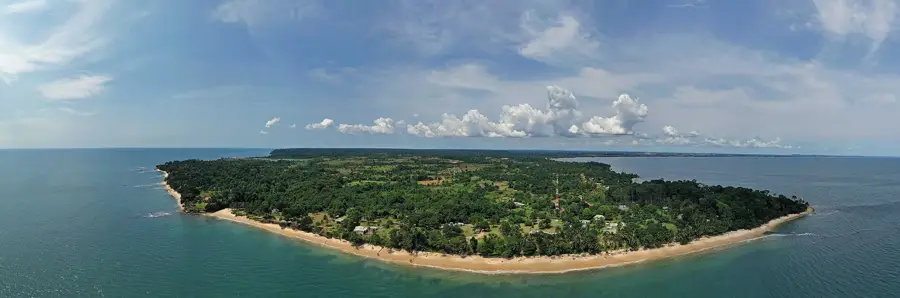
A short boat ride from Michel Marine takes you to this tranquil peninsula, great for a quiet beach day.
The seafront is wonderfully peaceful at sunrise before the city's traffic builds up.
Water temperature…
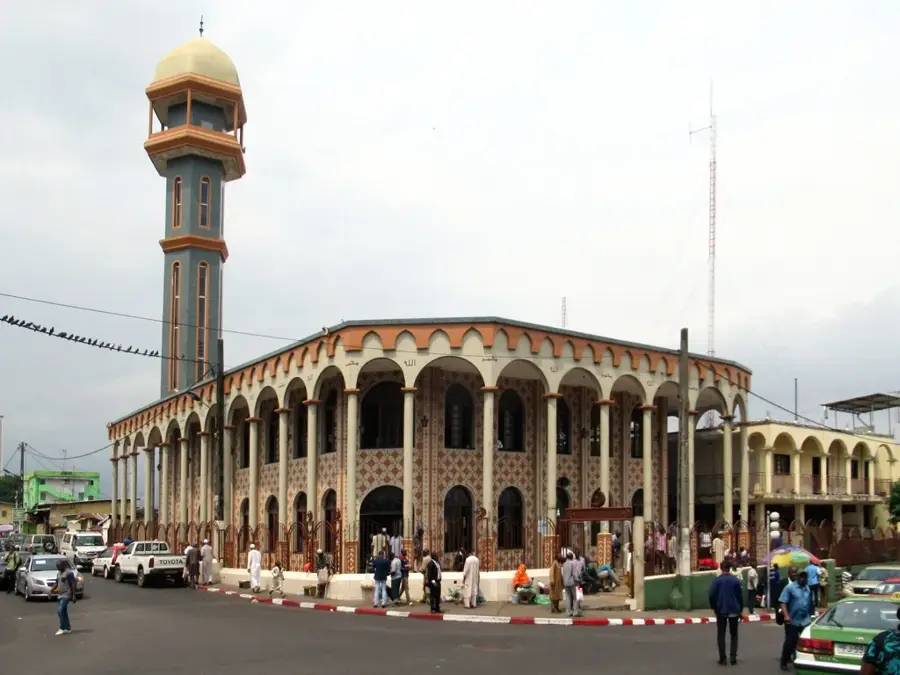
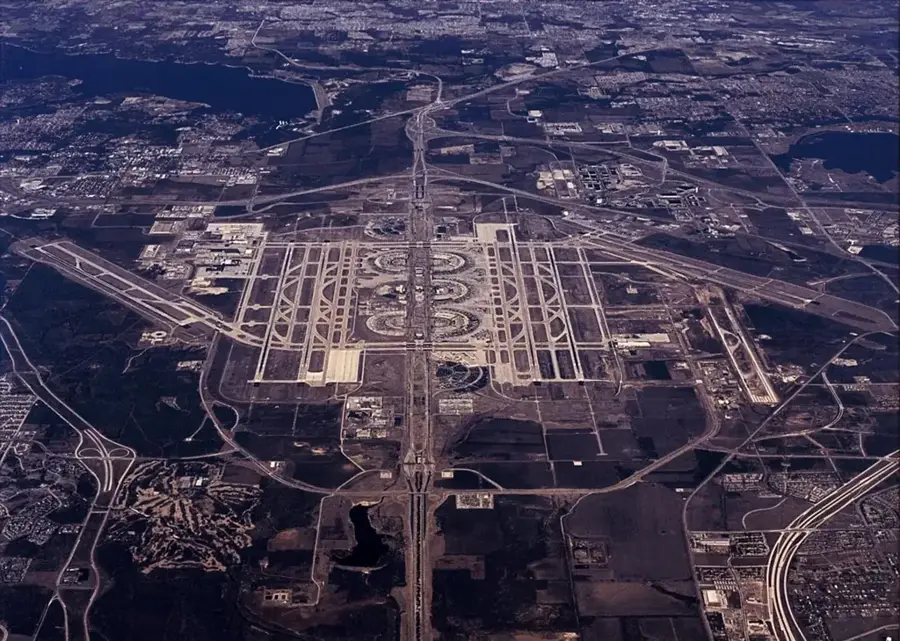
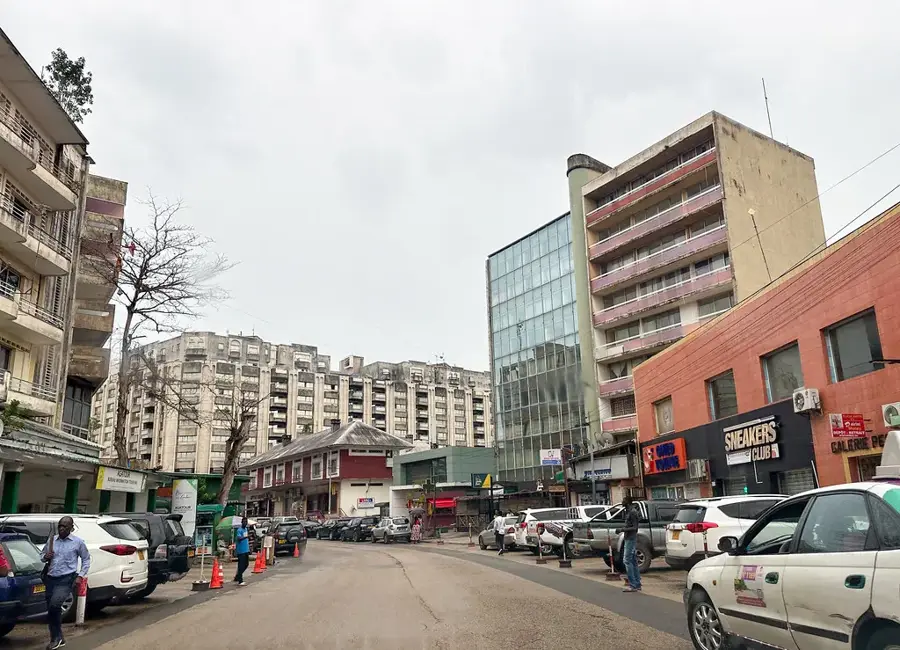
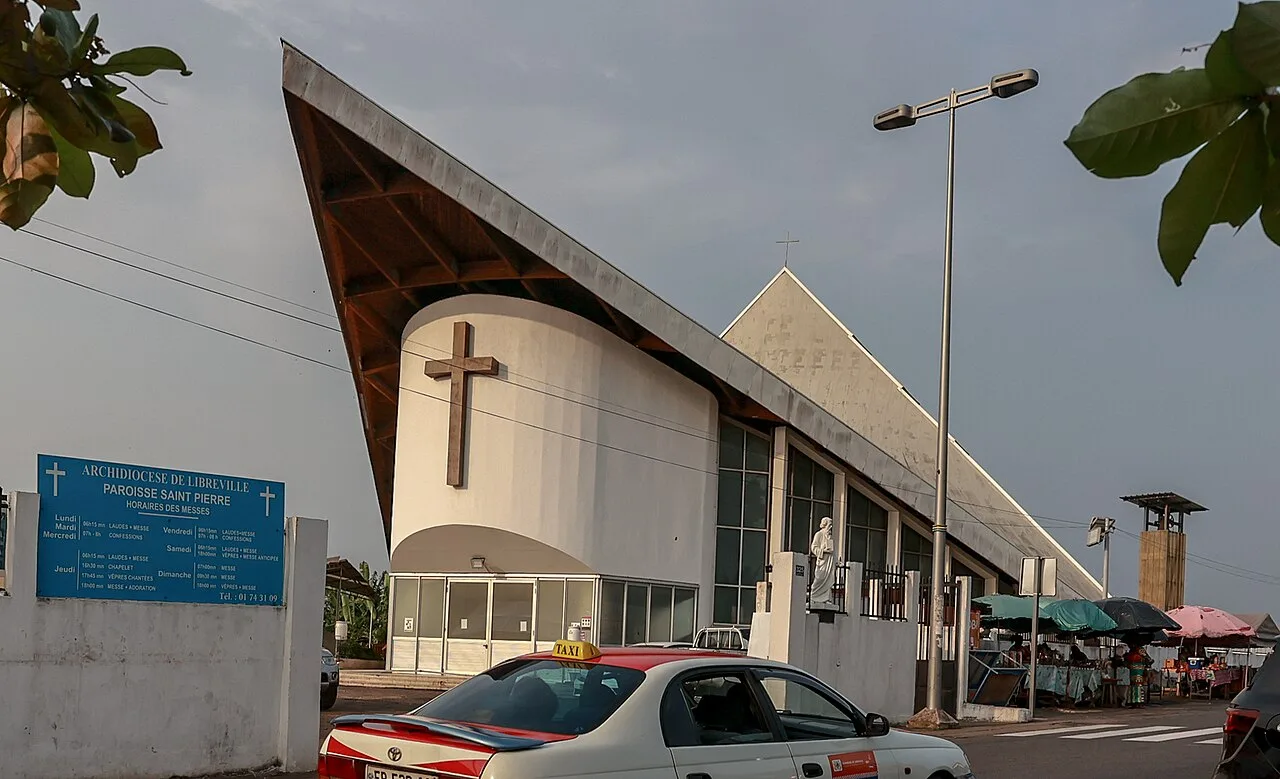
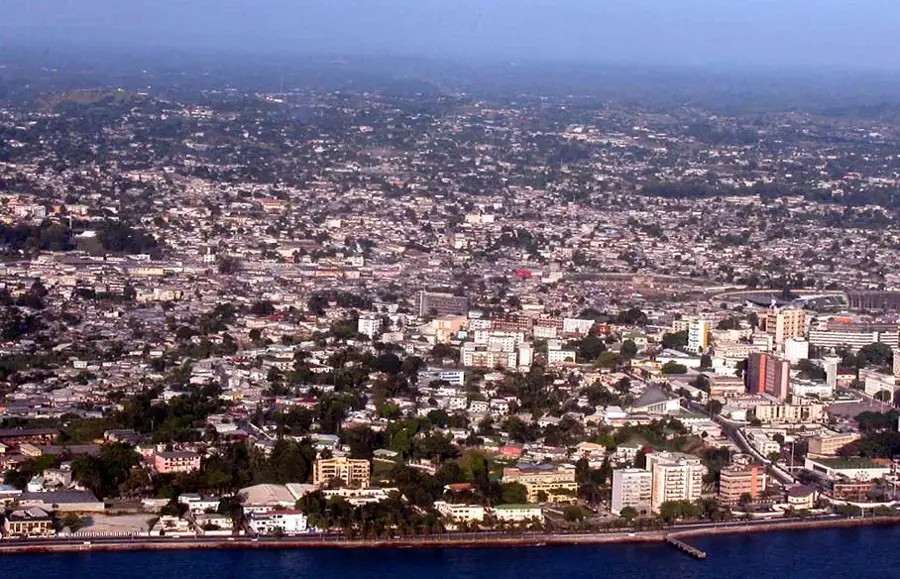
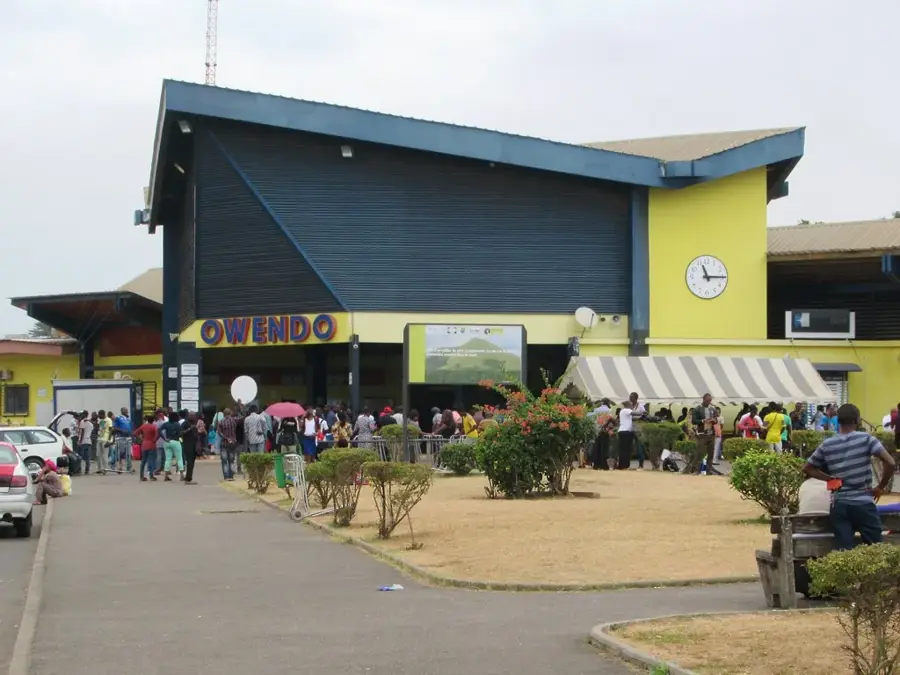
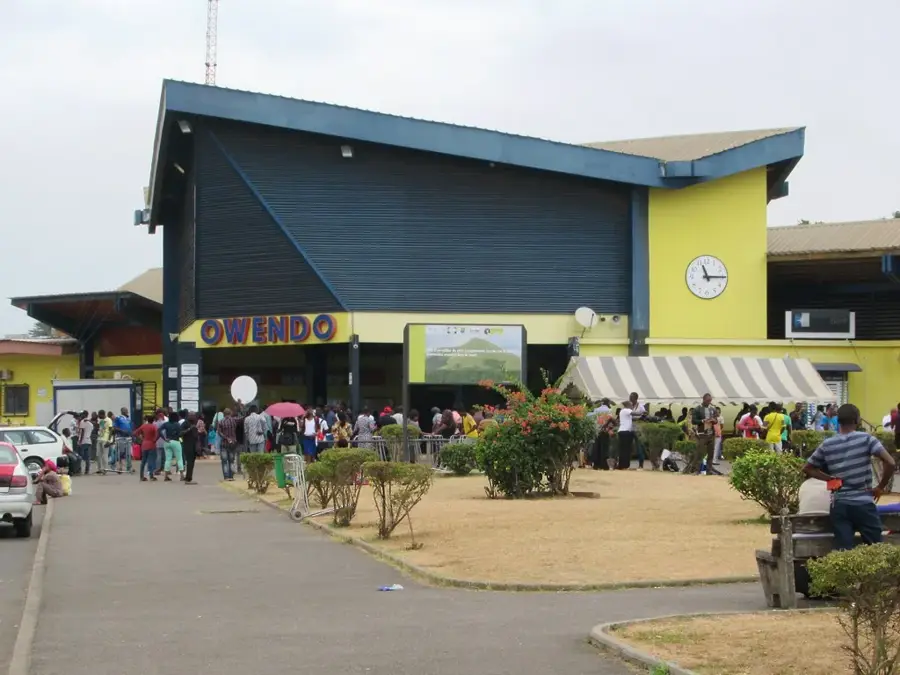
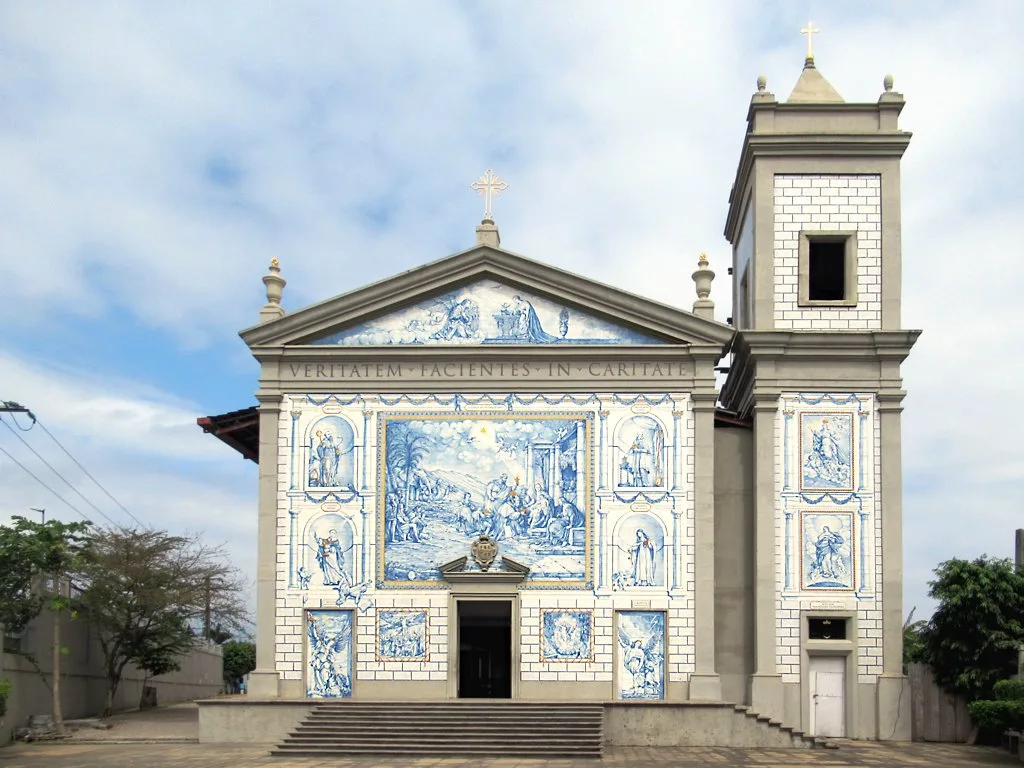
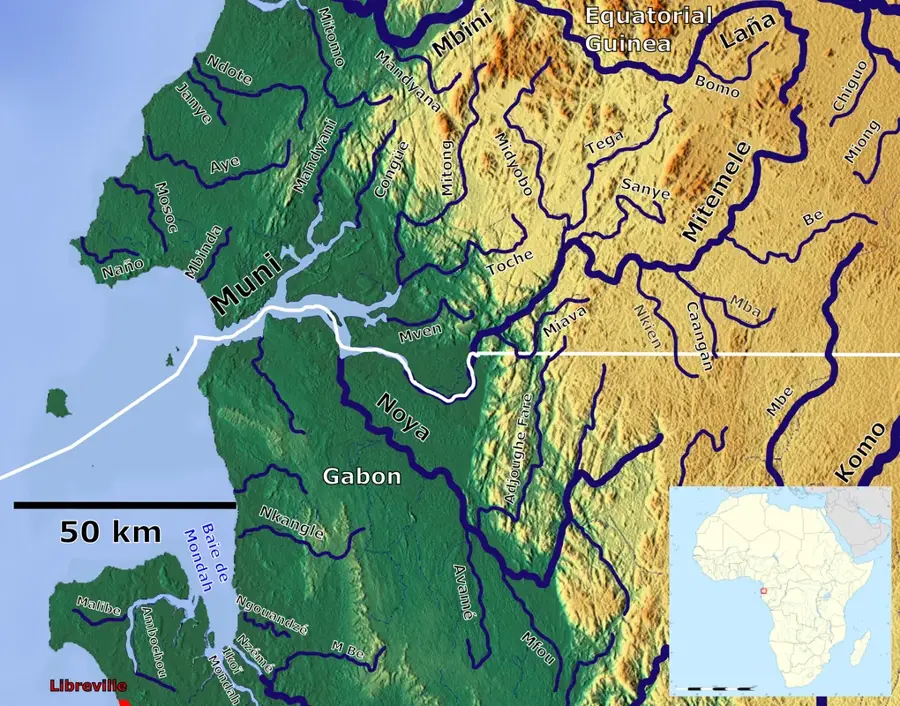
Libreville is the cosmopolitan capital of Gabon, located on the northern shore of the Gabon Estuary near the Gulf of Guinea. Founded in 1849 as a settlement for freed slaves, its name means 'Free Town' in French, reflecting its historical origins as a sanctuary of liberty. Today, it is a bustling administrative and financial center, characterized by modern skyscrapers, manicured public spaces, and the scenic 'Bord de Mer' waterfront promenade. The city is the political heart of the nation, home to the Palais du Bord de Mer (the presidential palace) and various international embassies. Economically, Libreville relies heavily on its port facilities at Owendo, which handle the bulk of Gabon's timber and mineral exports. The city is also a significant academic center, anchored by the Omar Bongo University. Cultural life thrives in the animated Mont-Bouët market, the country's largest, and at the National Museum of Arts and Traditions, which showcases the diverse heritage of ethnic groups like the Fang. Notable landmarks include the historic St. Marie Cathedral and the innovative Arboretum de Sibang, a protected forest area within the city limits. Libreville enjoys a tropical climate with high temperatures year-round and a significant rainy season that sustains the surrounding lush vegetation. The city serves as Gabon's primary transport hub, with the Léon Mba International Airport providing connections across Africa and Europe. Its unique blend of French colonial influence and modern African identity is evident in its upscale boutiques, fine dining scene, and lively nightlife. As the nation's gateway, Libreville continues to evolve as a key player in Central African diplomacy and a major destination for business and eco-tourism alike.
- Location: Gabon
- Nearby: Owendo (11 km)
- Population: ~846.090 (2023)
Best time to visit & climate
The most pleasant time to visit is Jun–Aug.
| Jan | Feb | Mar | Apr | May | Jun | Jul | Aug | Sep | Oct | Nov | Dec | |
|---|---|---|---|---|---|---|---|---|---|---|---|---|
| Avg °C | 27 | 27 | 27 | 27 | 27 | 25 | 24 | 25 | 25 | 26 | 26 | 27 |
| Rain mm | 224 | 207 | 294 | 247 | 188 | 36 | 12 | 24 | 112 | 348 | 391 | 234 |
Geography
Facts
- Libreville was established by 52 freed slaves in the 19th century.
- The city's economy is strongly supported by the oil and manganese sectors.
- Léon Mba International Airport is the busiest in the country.
- The Arboretum de Sibang protects over 400 species of indigenous trees.
- The city's design is heavily influenced by French urban planning.
- Libreville is a major hub for the French military in Central Africa.
- The 'Bord de Mer' features numerous modern sculptures and monuments.
- Most of Gabon's diplomatic and government business is centralized here.
Explore nearby
Notable places around


Route planner — Car & Motorhome
Where do you start? We build the route here, with stops and country notes along the way.
© OpenStreetMap contributors · OpenRouteService
Sights in the town Libreville (1)
Frequently asked questions
What is the main attraction in Libreville?
What local dish should I try?
How do I get to the city from the airport?
Is Libreville safe for tourists?
Are there nice beaches nearby?
Libreville: where is it located?
Libreville: when is the best time to visit?
Libreville: why is it worth visiting?

Nearby cities
History & landmarks
Nature
More places