Sarreguemines Market
The weekly market is held every Tuesday and Friday throughout the year. Please note that holiday adjustments may apply, with the market often moved to the preceding Thursday.
Plizio Visual Lab
Find it in traditional bakeries in the city center.
Enjoy it at a brasserie near the Saar river.
Try them at a local patisserie on the pedestrian streets.
Buy authentic ceramics at the museum shop or local artisan stores.
Held on Tuesday and Friday mornings for fresh regional produce.
A peaceful path along the river blending nature and industrial heritage.
Visit the Winter Garden at the museum site for a relaxing break.
Water temperature…
The weekly market is held every Tuesday and Friday throughout the year. Please note that holiday adjustments may apply, with the market often moved to the preceding Thursday.
Outdoor exhibition. Photographer Boris Becker explores the transformation of the Saar and Moselle river landscapes in this third edition of the cross-border photographic commission.
Learn about the spectacular 1954 discovery of a Celtic woman's tomb in Reinheim. The unearthed gold jewelry, amber, and bronze artifacts are among the most important finds of the Celtic period.
The Arpège Gallery presents a new street art exhibition featuring urbex photography by Marion Garigue, illustrations by Joshua Sucré Zimmermann, and paintings by Wayne Sleeth.
Discover the fascinating sounds and vibrations of the handpan instrument in an introductory workshop with Keapan in Sarreguemines.
The Scotts perform AC/DC hits featuring original drummer Tony Currenti. Tony Moore also takes the stage with his legendary solo show, "AWAKE," for an electrifying night of music.
The biggest wrestling show in Eastern France comes to Woustviller! Featuring over 20 pro wrestlers in an explosive family show full of action and thrills.
Explore the orchards of Wiesviller on a family nature walk with the Archaeopteryx association and meet the birds and animals living in this biodiversity haven.
The cult music quiz is back! Form your team of 4 to 5 people (ages 14+) and dive into legendary challenges, including cover versions and lightning-fast rounds.
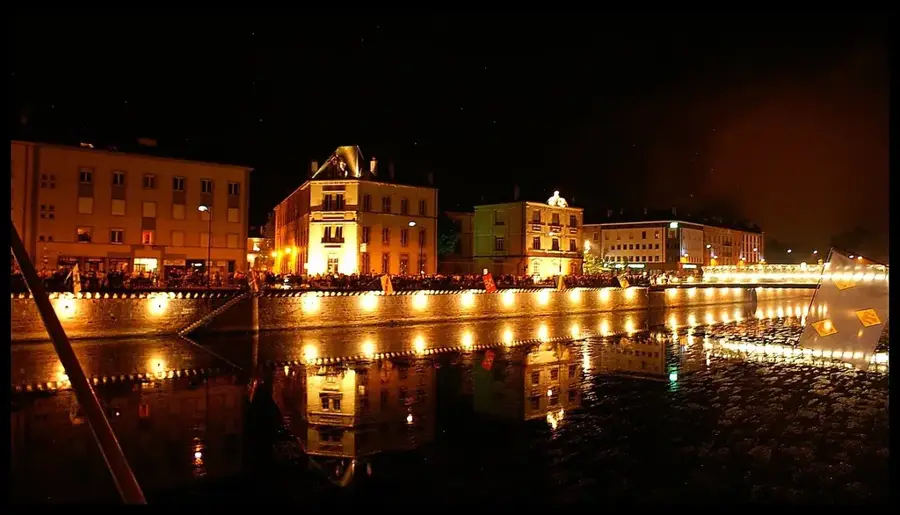
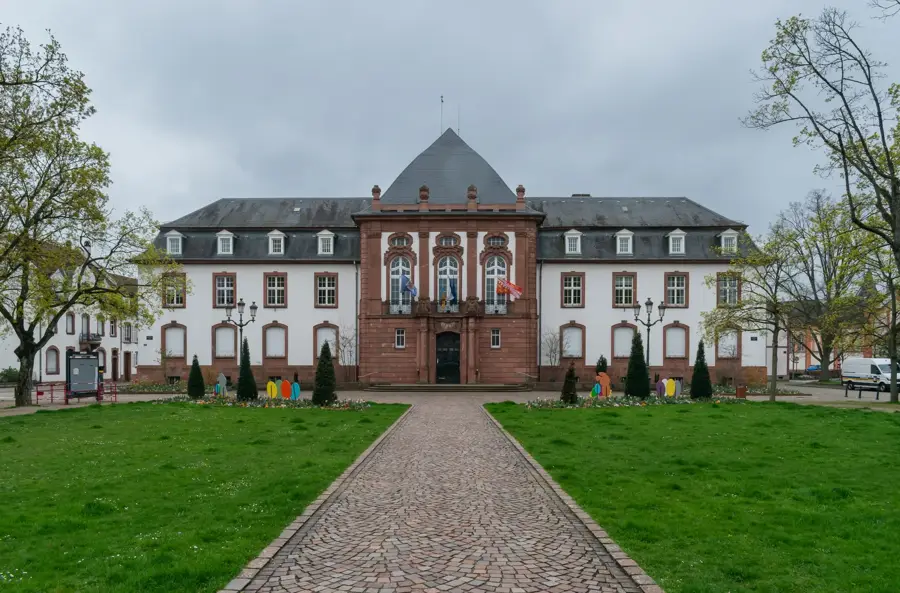
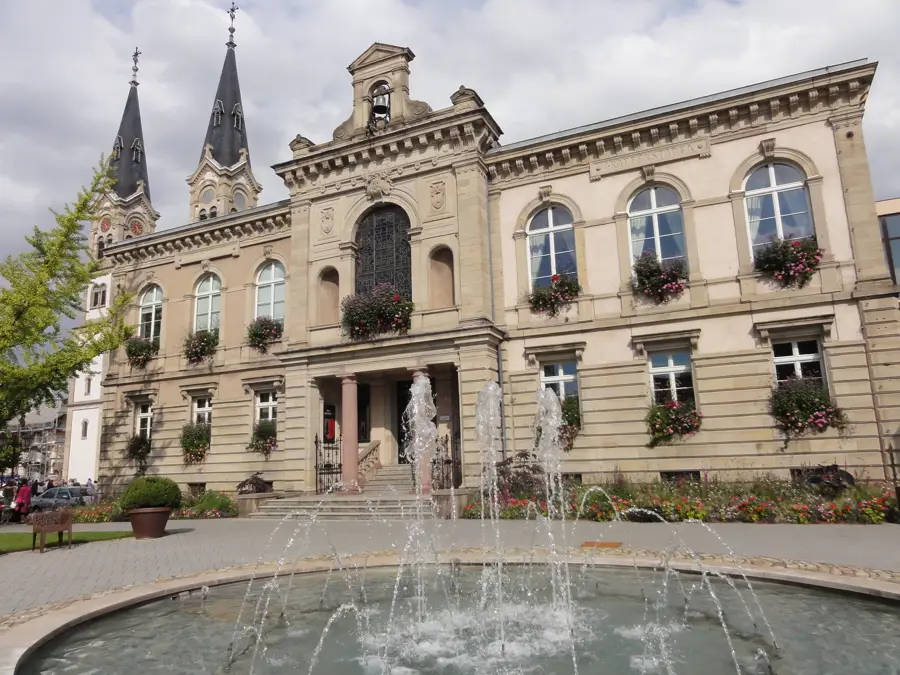
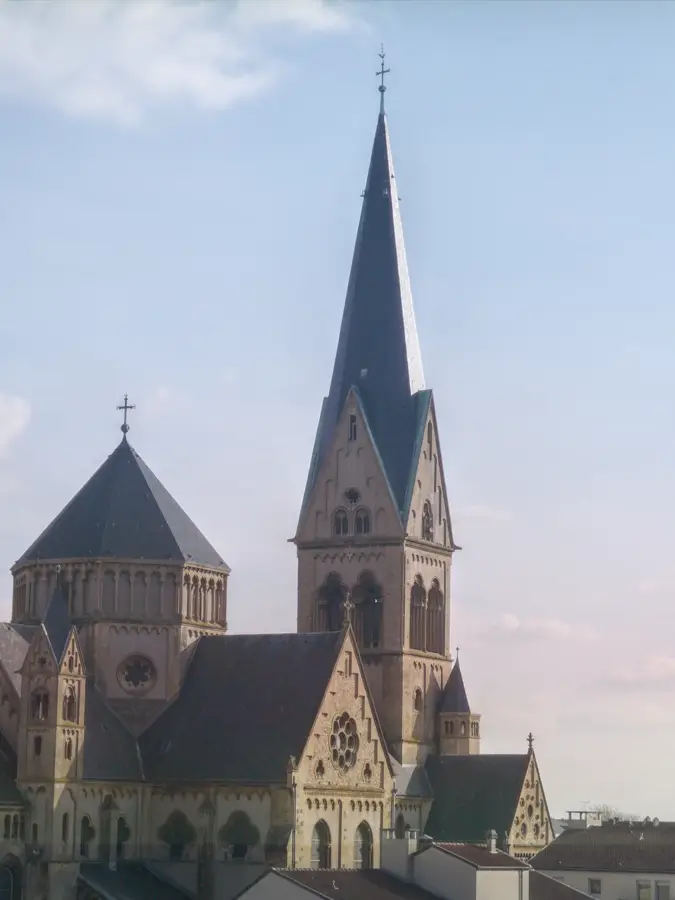
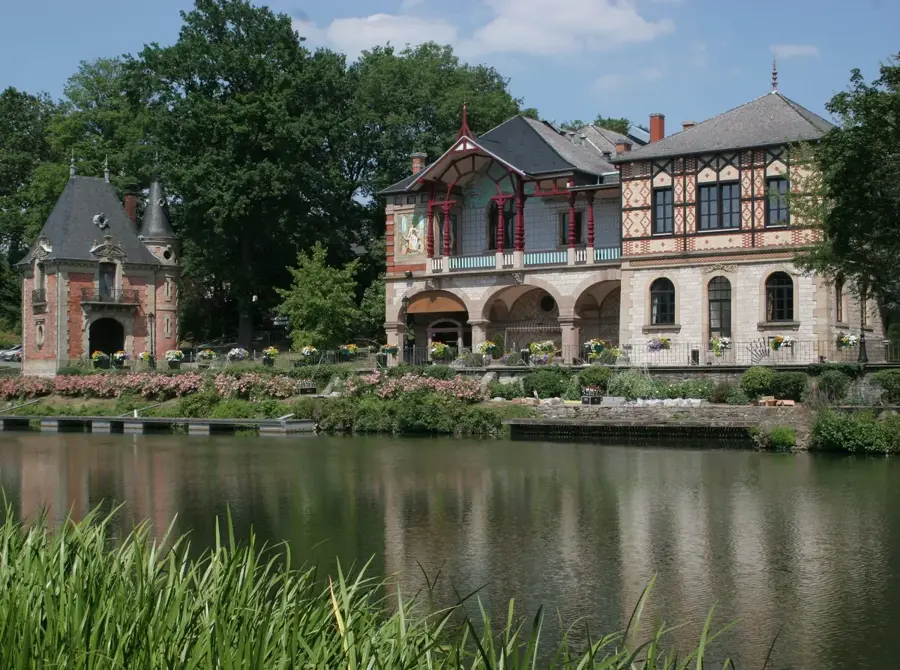
Sarreguemines (German: Saargemünd) is a city steeped in history in the Moselle department, situated directly on the border with the German state of Saarland. Its strategic position at the confluence of the Saar and Blies rivers made it a major trading hub for centuries. However, the city gained worldwide renown through its faience industry, which peaked in the 19th century and produced luxury ceramic goods for customers across the globe. The city's architectural heritage reflects this golden era, most notably in the Casino of the Faience Makers and the Museum of Faience Techniques. The town possesses a strong bicultural identity, evident in its architecture, local gastronomy, and the ongoing use of the Rhine Franconian dialect. Today, Sarreguemines is a modern hub with diverse industries, including tire production (Continental) and logistics. Through the Saarbahn cross-border tram-train connection, the city is closely integrated with the Saarland state capital of Saarbrücken.
The most pleasant time to visit is Jun–Aug.
| Jan | Feb | Mar | Apr | May | Jun | Jul | Aug | Sep | Oct | Nov | Dec | |
|---|---|---|---|---|---|---|---|---|---|---|---|---|
| Avg °C | 1 | 1 | 5 | 9 | 13 | 18 | 20 | 19 | 15 | 10 | 5 | 2 |
| Rain mm | 65 | 54 | 57 | 45 | 73 | 66 | 65 | 71 | 55 | 66 | 66 | 79 |
Notable places around
Where do you start? We build the route here, with stops and country notes along the way.
© OpenStreetMap contributors · OpenRouteService