Algrange Mu’zic Live Weekend
An explosive music weekend featuring live outdoor concerts and a festive atmosphere. Enjoy a variety of bands including Trois Cafés Gourmands and Metallica tributes.
Plizio Visual Lab
Pick up this marinated meat pastry at a bakery on the main street for a quick, authentic lunch.
Enjoy this classic savory tart at the local cafes; it is deeply traditional in this exact region.
A sweet regional specialty from Lorraine that you can find in the town's patisseries.
Visit the traditional butcher shops in the center for regional cured meats and sausages.
Well-suited for picking up locally baked savory pastries before heading out for a hillside hike.
A hillside replica cave offering a deeply peaceful retreat and a great view down over the valley.
Forest paths on the surrounding hills where bustling nature has completely taken over the old industrial sites.
Water temperature…
An explosive music weekend featuring live outdoor concerts and a festive atmosphere. Enjoy a variety of bands including Trois Cafés Gourmands and Metallica tributes.
Explore a small wetland islet and wildlife refuge with guide Nicolas Avril. Waterproof boots are recommended and booking is mandatory.
A festive color run through nature and urban trails in Algrange, Knutange, and Nilvange. A fun, vibrant experience for friends and families.
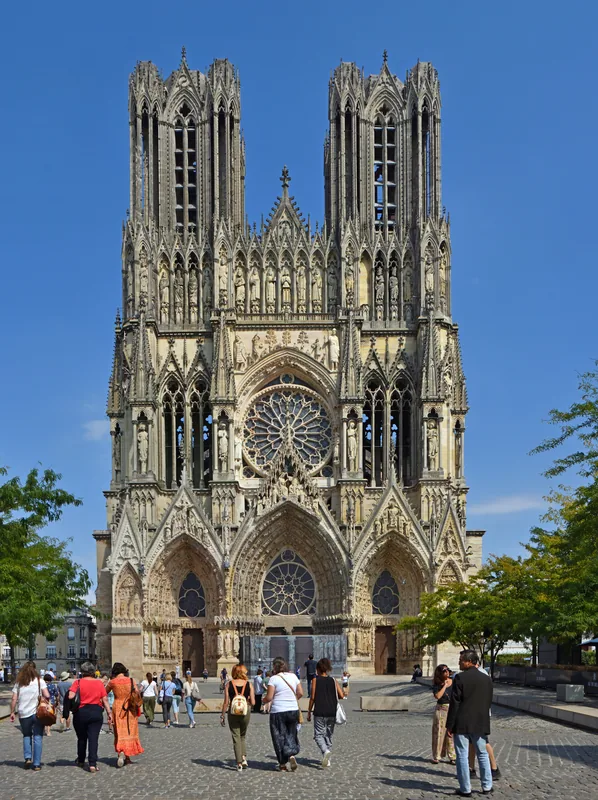
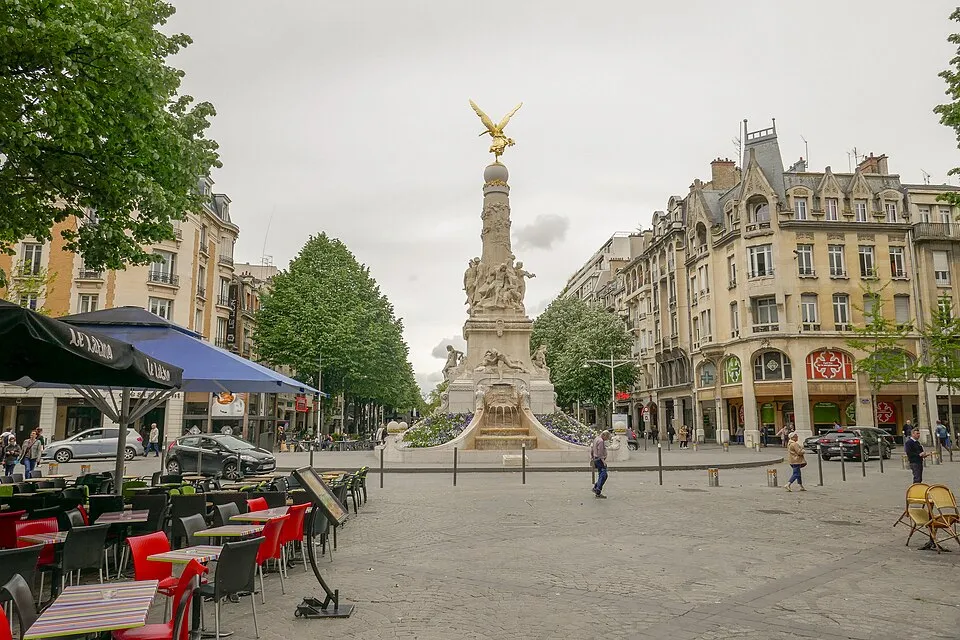
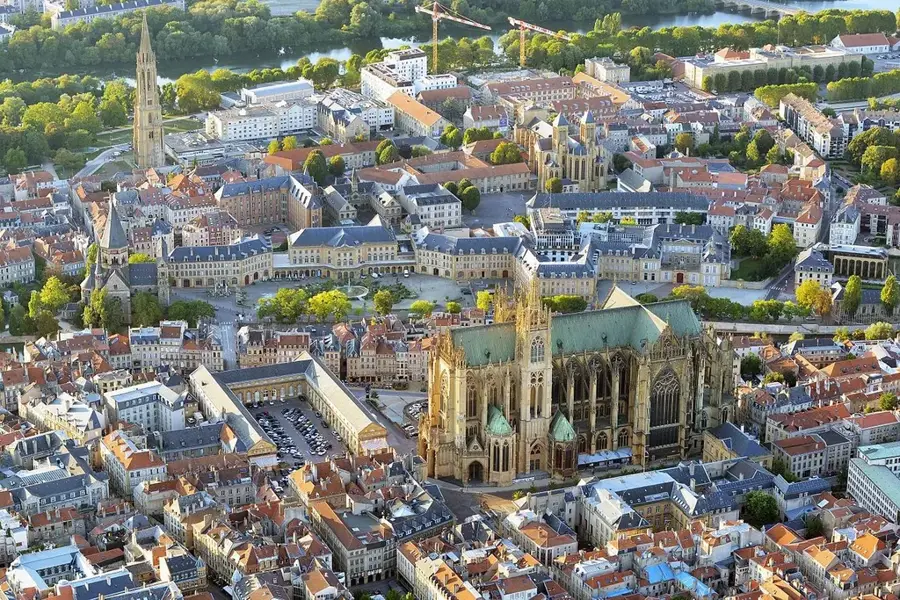
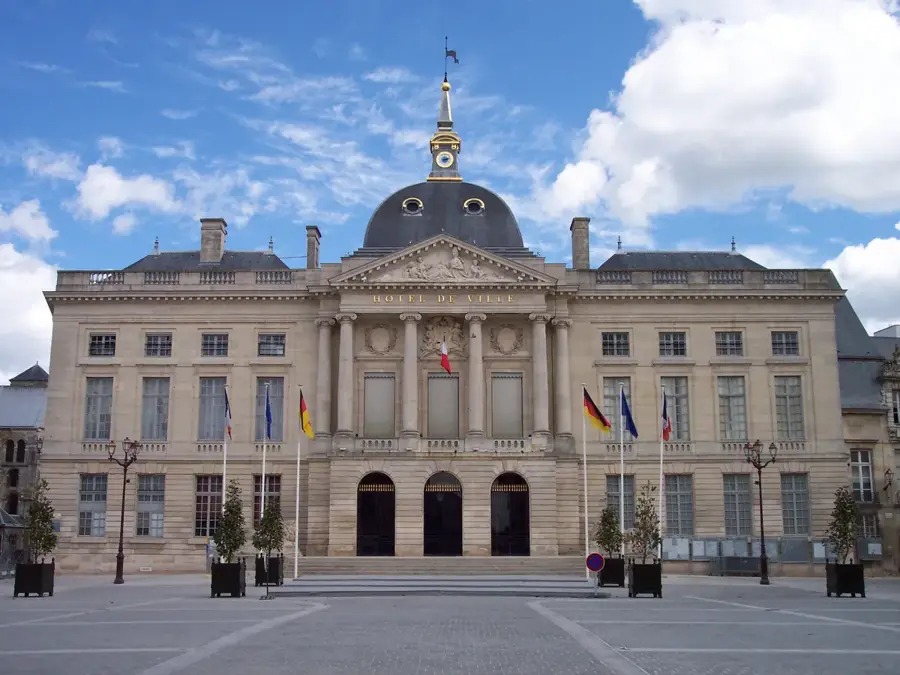
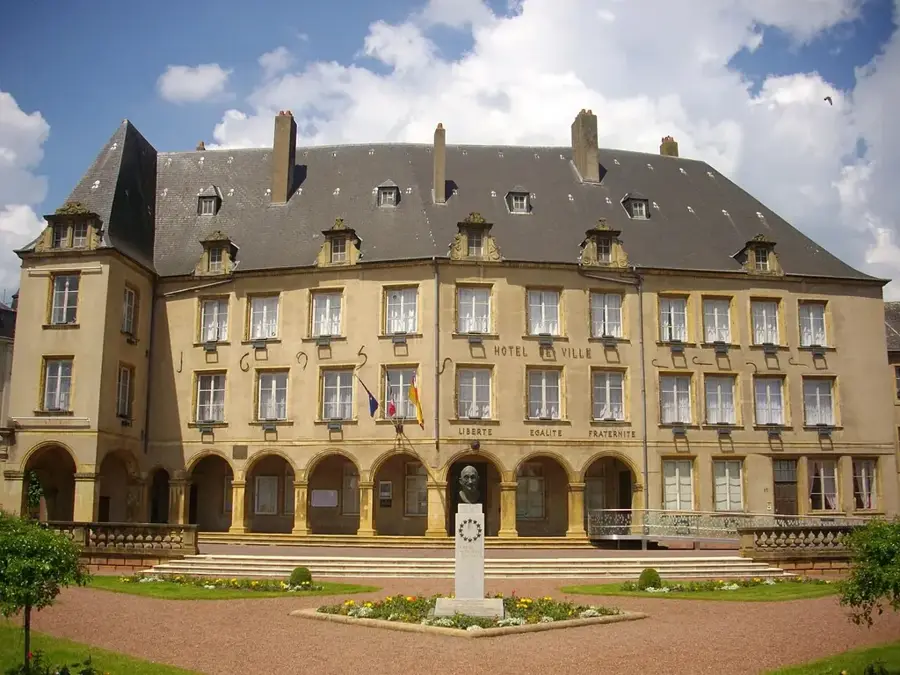
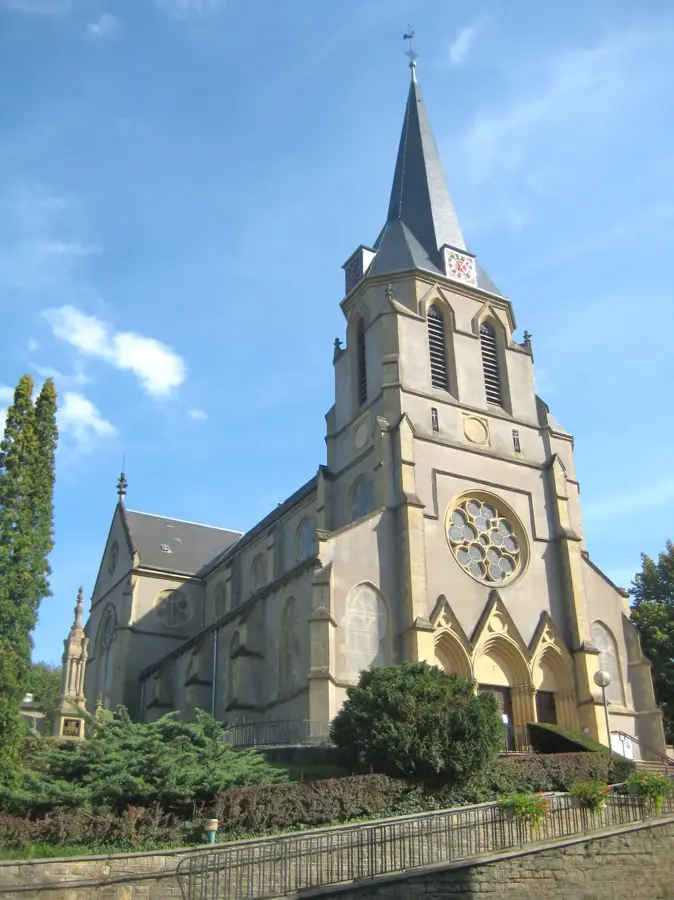
Located deep within the pretty Fensch Valley (Vallée de la Fensch) in the Moselle department, Algrange tells a fascinating story of profound industrial transformation and local resilience. Throughout the 20th century, this municipality served as a highly vital center for iron ore mining, at one point operating four large-scale mines simultaneously and drawing thousands of workers from across Europe. The architectural legacy of this booming era remains clearly visible today, particularly in the grid-like layouts of the historic workers' housing estates and the massive stone administration buildings that now stand as silent monuments to the industrial revolution. Following the complete cessation of mining activities, Algrange has transitioned heavily, now leaning on its direct proximity to the dense surrounding forests. Nature has actively reclaimed many of the former industrial tracts, creating an intriguing landscape for hikers and photographers who appreciate the stark contrast between rusting industrial relics and lush green foliage. A local point of interest is the 'Grotte des Neiges', a small geological feature hidden along the wooded slopes. For travelers interested in social history, the town provides an unvarnished, authentic look at the rugged industrial heritage of the Lorraine region.
The most pleasant time to visit is Jun–Aug.
| Jan | Feb | Mar | Apr | May | Jun | Jul | Aug | Sep | Oct | Nov | Dec | |
|---|---|---|---|---|---|---|---|---|---|---|---|---|
| Avg °C | 1 | 1 | 5 | 9 | 13 | 17 | 19 | 19 | 15 | 10 | 5 | 2 |
| Rain mm | 67 | 57 | 57 | 46 | 70 | 68 | 65 | 72 | 56 | 65 | 68 | 79 |
Notable places around
Where do you start? We build the route here, with stops and country notes along the way.
© OpenStreetMap contributors · OpenRouteService