Plizio Visual Lab

Pallas-Yllästunturi National Park
Plizio editorial teamData Sources
park
—°1
Pallas-Yllästunturi National Park (Finland)

Weather…

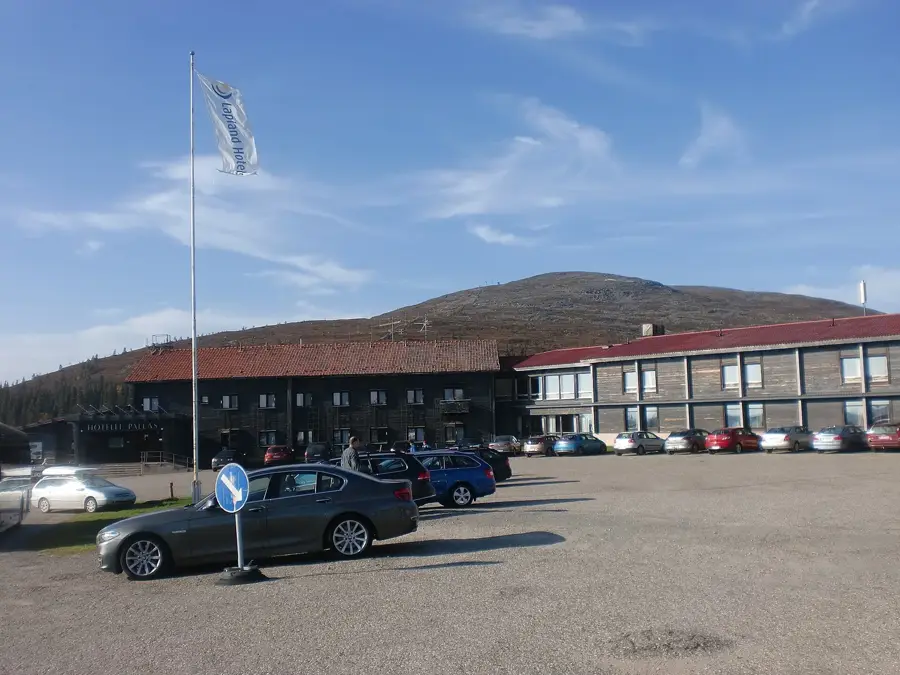
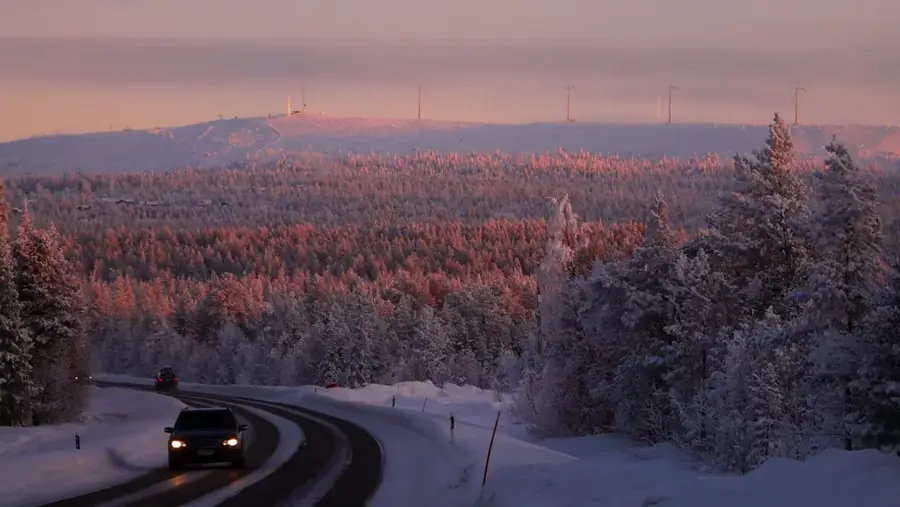
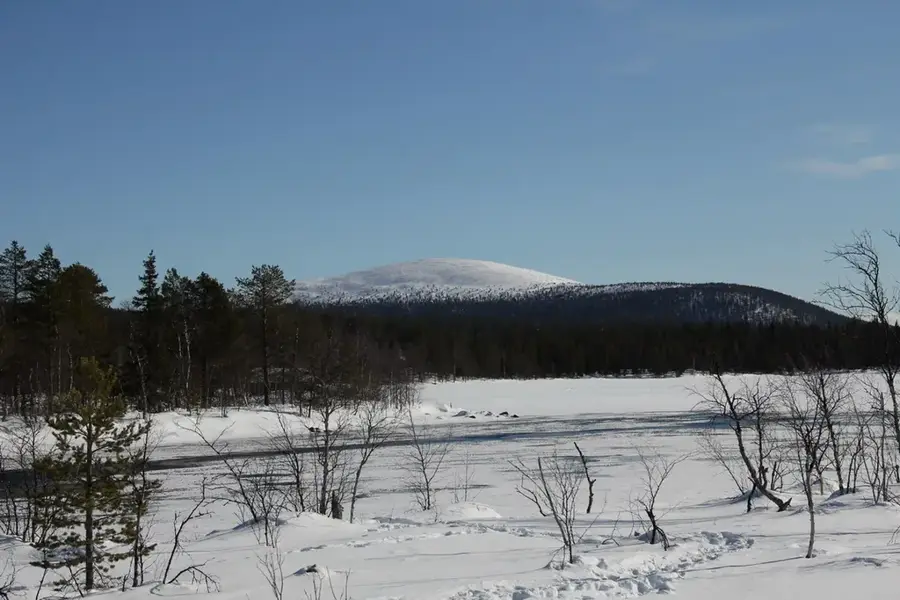
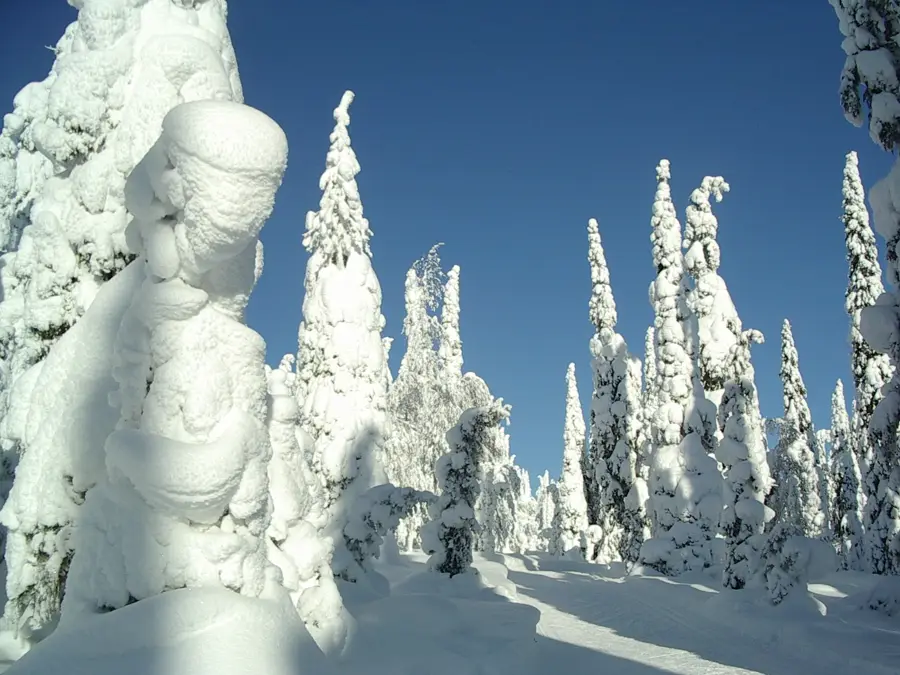
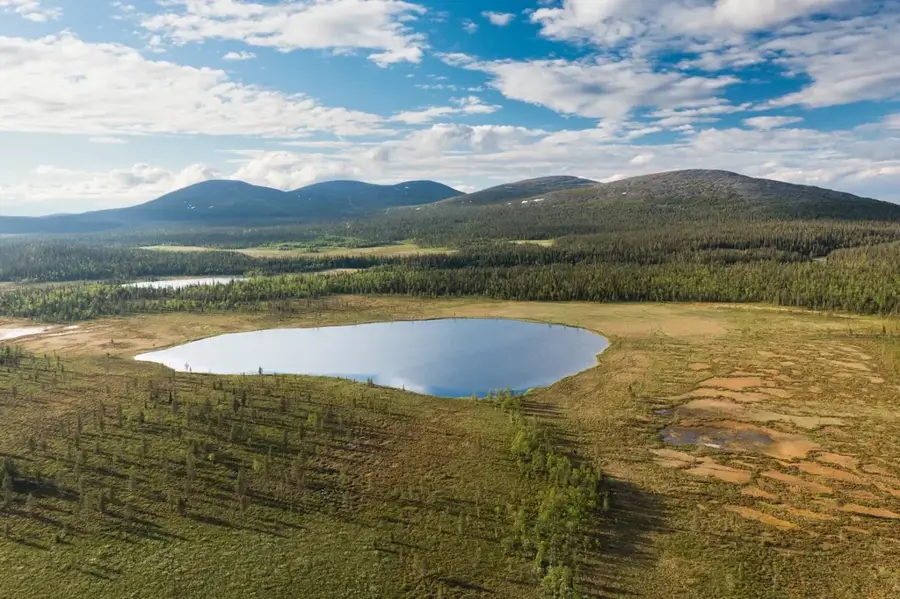
Pallas-Yllästunturi National Park in Finnish Lapland was established in 2005 through the merger of two older parks and is currently the most visited national park in Finland. Covering 1,020 square kilometers, it encompasses a chain of fells over 800 meters high, stretching 100 kilometers from south to north. The area is globally renowned for its exceptionally clean air, which is continuously monitored at a research station on Sammaltunturi fell. Historically, the region holds great significance for early Finnish tourism; the first large-scale fell hotel was opened here as early as 1938. The landscape has a remarkable transition from dense coniferous forests at the base to barren alpine tundra on peaks such as the 807-meter-high Taivaskero. In 1952, the Olympic flame for the Helsinki Games was symbolically lit here using the midnight sun. The park is home to rich arctic flora and fauna, including lemmings, willow grouse, and occasionally arctic foxes. An extensive trail network of over 500 kilometers allows for hiking and skiing through some of the most pristine landscapes in Europe.

Best time to visit & climate

The most pleasant time to visit is Jun–Aug.

JanFebMarAprMayJunJulAugSepOctNovDec
Avg °C-13-13-9-341014126-1-8-11
Rain mm4337344376931119780635351

📋 Practical info

🧭
Getting there
This expansive national park is excellently accessible via several access roads leading to various information centers and holiday villages. Its connection to the transport network typically makes it one of the most easily accessible large parks in Lapland.
📅
Best season
As a central area for outdoor activities, there are typically two main seasons here: the snowy winter for alpine sports and cross-country skiing, and the summer and early autumn for extensive hiking on the distinct fjäll mountains.
⛰️
Terrain & paths
The landscape is strongly dominated by the distinct fjäll mountains, which rise smoothly above the surrounding forests. The trails range from simple, flat sections in the valley to more demanding ascents up to the bare summits of the fjälls.
🎒
What to bring
In summer, reliable hiking boots and wind-resistant clothing are mostly essential for the exposed high altitudes. In winter, one naturally needs adequate winter sports equipment and clothing capable of withstanding extreme sub-zero temperatures.
🅿️
Parking
Thanks to its role as a winter sports center, generous parking facilities are normally available at the main entrances and ski resorts of the park. Even on busy days, there is usually space to be found for day-trippers and long-term vacationers.
⚠️
Safety
The well-marked routes offer a high level of safety in summer, provided one prepares for the changeable fjäll weather. In winter, athletes and hikers must additionally strictly observe the typical avalanche and severe cold warnings on the mountains.
⏱️
Time needed
The diverse opportunities allow visitors to spend anywhere from a few hours to multi-week stays here. Most visitors typically remain for several days in order to thoroughly explore both the summits and the valleys of the park.

Geography

Coordinates
68.00000, 24.00000

Facts

  • Year established: 2005 (predecessor 1938)
  • Total area: 1,020 square kilometers
  • Highest peak: Taivaskero (807 m)
  • Visitor count: Over 500,000 annually
  • Total hiking trails: over 500 kilometers
  • Air quality: Cleanest air measured globally

Explore nearby

Notable places around
Route planner — Car & Motorhome

Where do you start? We build the route here, with stops and country notes along the way.

Vehicle
Only stops with (optional):

© OpenStreetMap contributors · OpenRouteService

Sights in the town Pallas-Yllästunturi National Park (1)

Tar kiln🏺 historical

A historical site in the national park that commemorates traditional tar production.

Sights nearby

Frequently asked questions

What is special about the air here?
Scientific measurements confirm that the cleanest air in the world has been recorded here.
How long is the Hetta-Pallas trail?
This classic hiking trail is about 55 kilometers long and traverses across the fells.
Can you see reindeer here?
Yes, the national park is located in a reindeer husbandry area, and encounters are very common.
When is the best time for Northern Lights?
The best time is from September to March during clear night skies.
Is there an entrance fee?
No, entrance to Finnish national parks is free for visitors.
Pallas-Yllästunturi National Park: where is it located?
Pallas-Yllästunturi National Park is located in Finland.
Pallas-Yllästunturi National Park: when is the best time to visit?
The most pleasant time to visit is Jun, Aug.
Pallas-Yllästunturi National Park: why is it worth visiting?

Pallas-Yllästunturi National Park in Finnish Lapland was established in 2005 through the merger of two older parks and is currently the most visited national park in Finland.
View on map → The Top 50 Attractions → Most beautiful beaches → OpenStreetMap →
Europe
Explore with Plizio Discover more places in Europe
More places in Finland →

Nearby cities

History & landmarks