Plizio Visual Lab
Aksum
ℹ️Practical info — Aksum
▾
🌤 Weather — 5 days
📍 Nearby
Sights nearby
💡 Tips
- Visit the stelae field early in the morning to avoid the midday heat.
- Respect the dress code at religious sites by covering your shoulders and knees.
- Hire an official guide to fully understand the historical context of the ruins.
- Be cautious when buying supposed antiquities on the street, as they are usually fakes.
- Carry enough cash with you, as ATMs can be quite unreliable.
🍽 Food
Try this traditional flatbread served with spicy stews in local eateries near the main street.
Taste this local honey wine at a traditional Tej Bet.
Experience a traditional coffee ceremony at cafes in the city center.
🛍 Shopping · 🧘 Quiet spots
Look for traditional Ethiopian cotton clothes at the local markets.
Small shops around the religious sites sell these aromatic resins.
The Queen of Sheba's Bath is a peaceful spot for a short break.
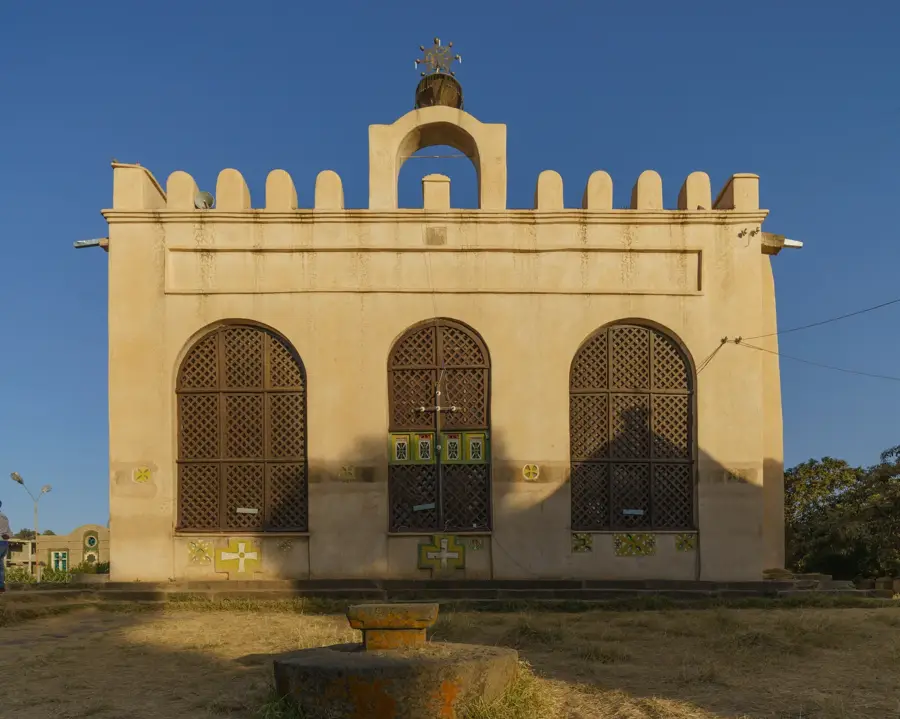
The shady areas outside the restricted zones of the Church of Our Lady Mary of Zion offer tranquility.
Water temperature…
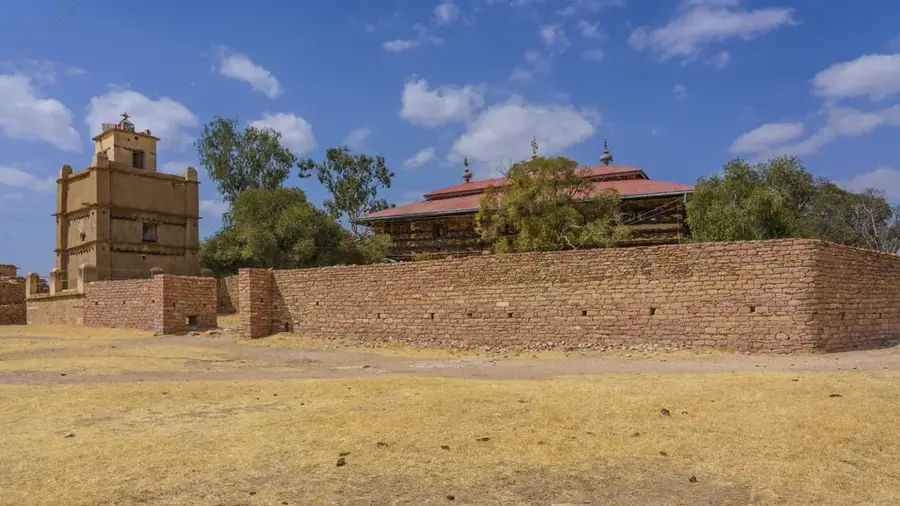
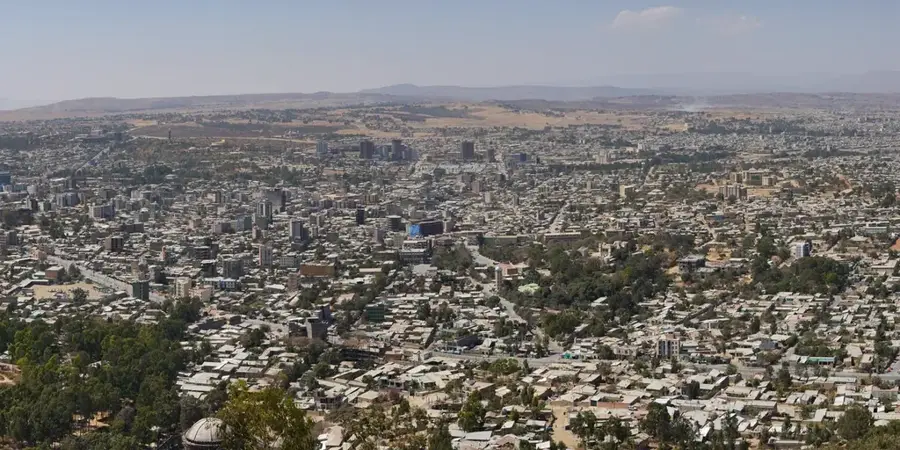
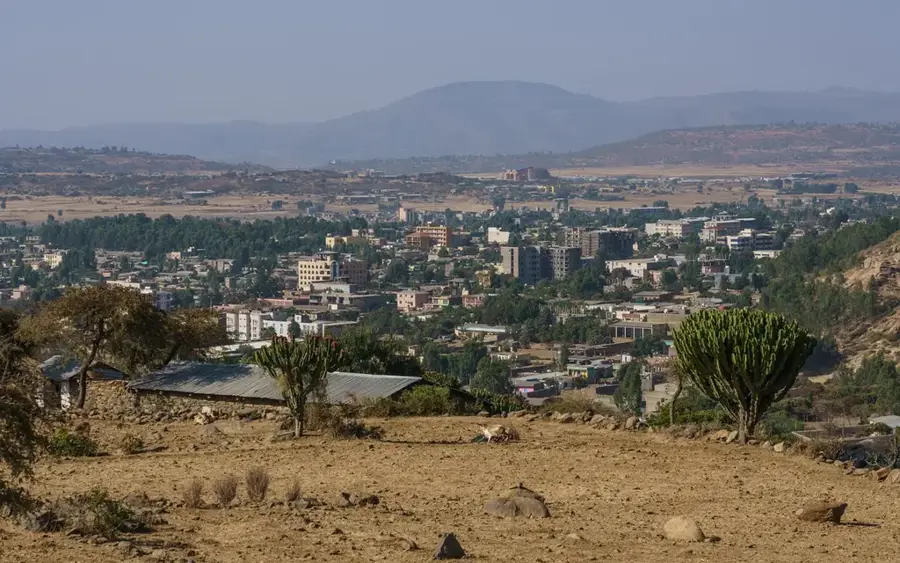
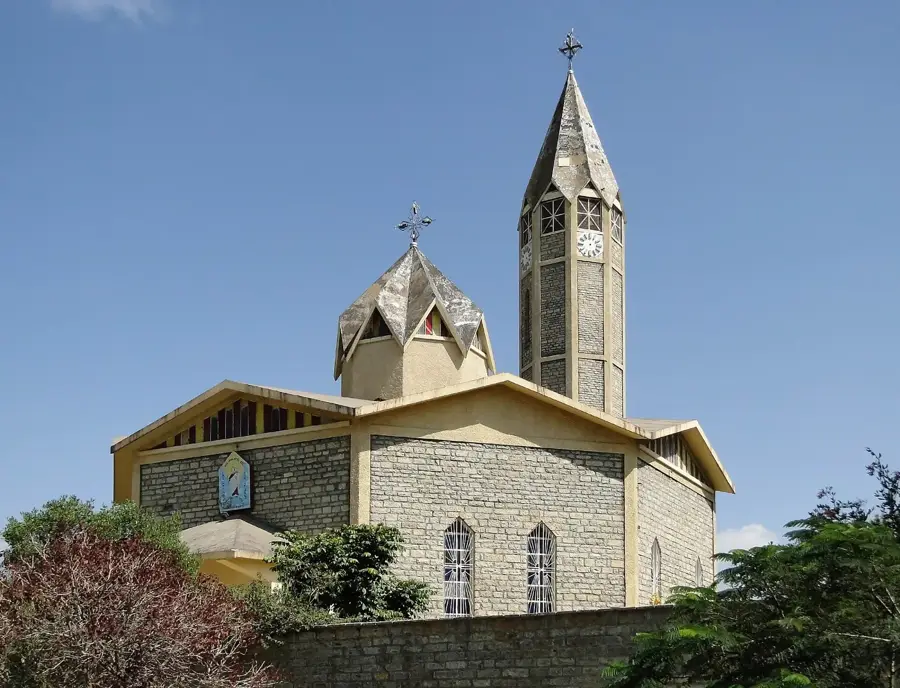
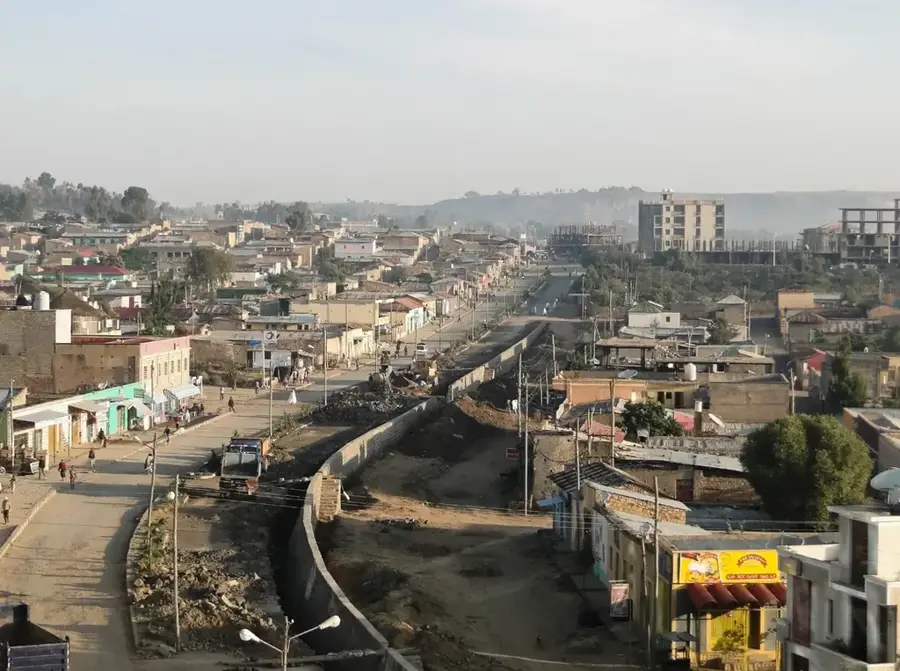
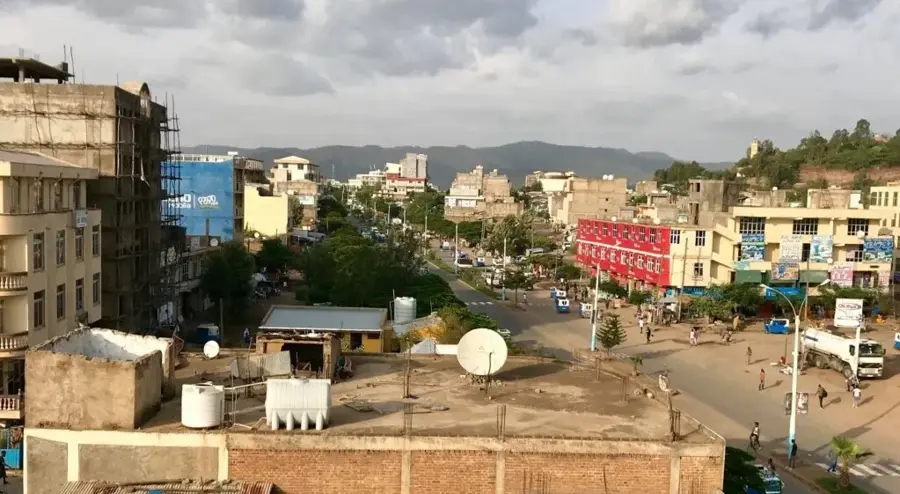
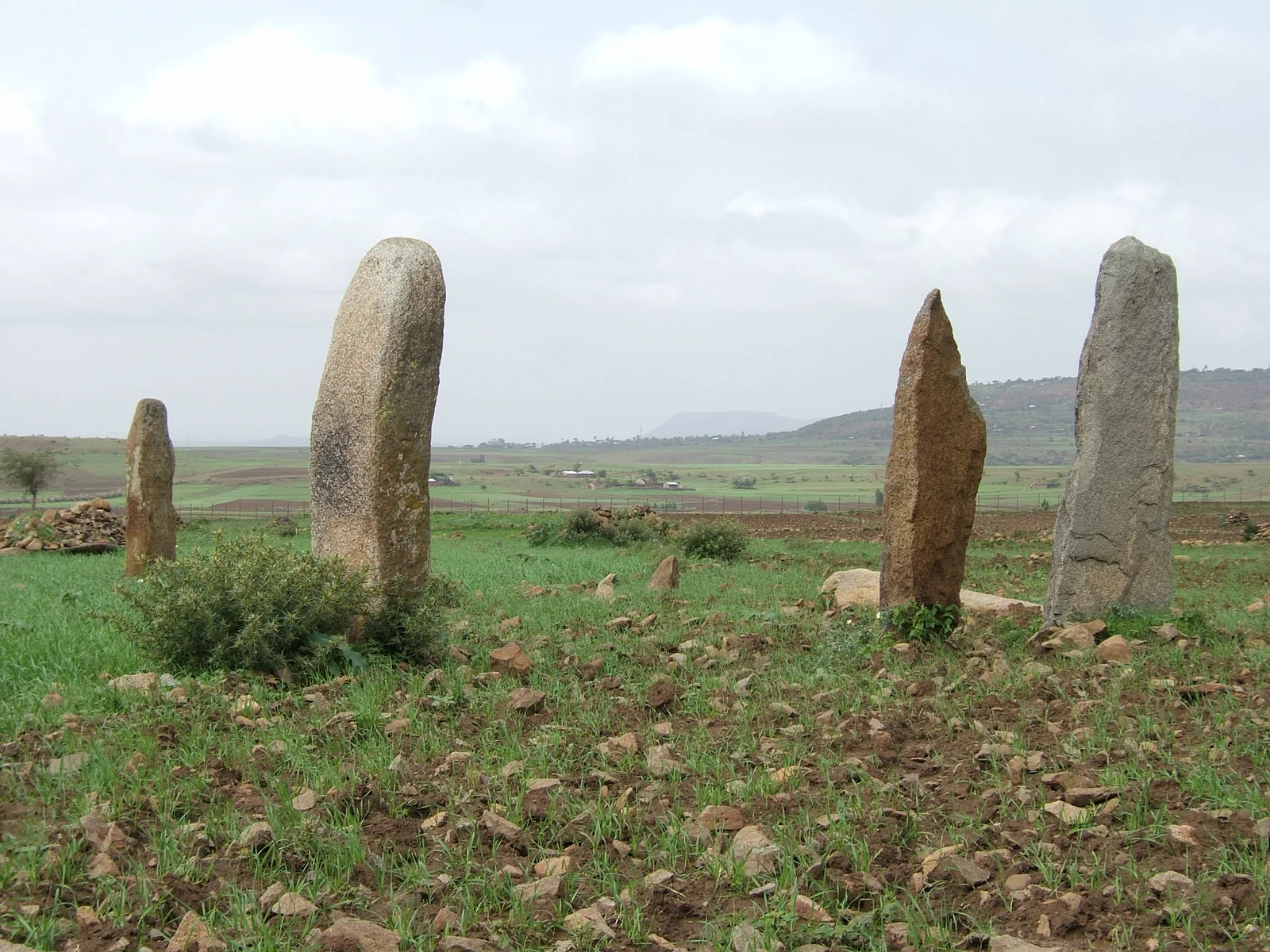
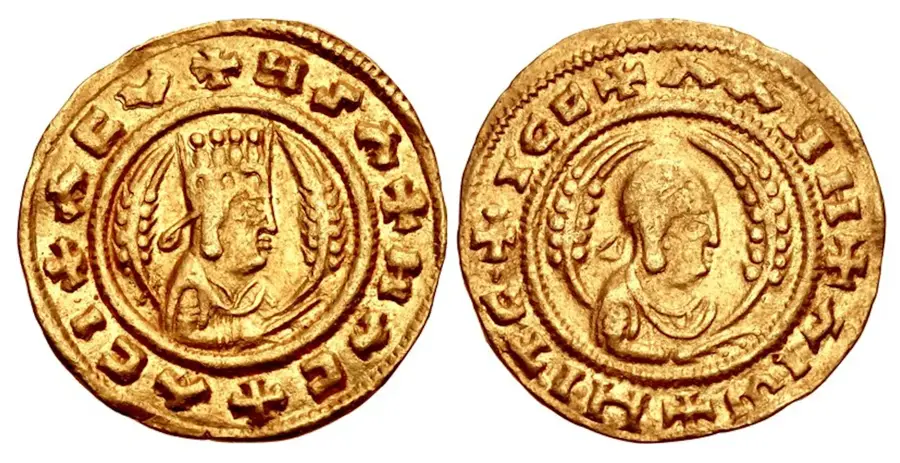
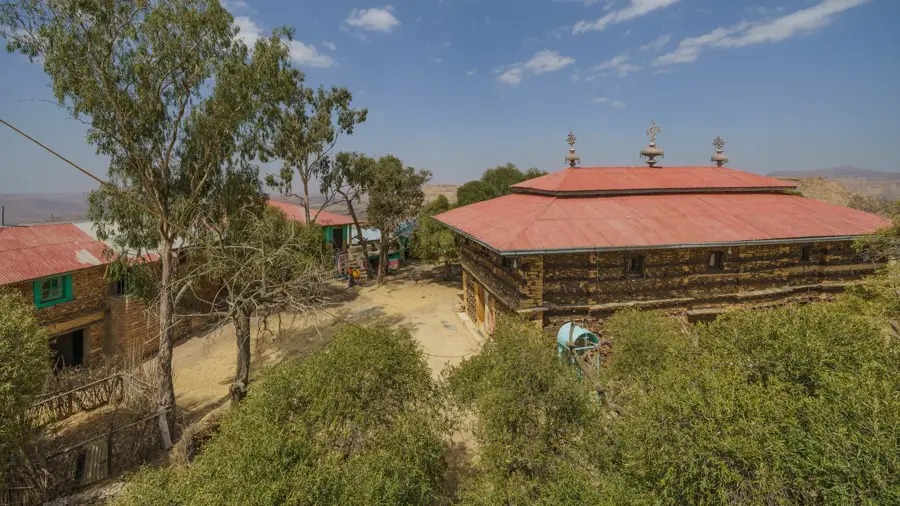
Aksum is one of Ethiopia's most significant historical cities, serving as the center of the Aksumite Empire which flourished from the 4th century BC to the 10th century AD. Located in the Tigray Region at an elevation of 2,131 meters, the city is regarded as the spiritual heart of the Ethiopian Orthodox Tewahedo Church. Its most prominent monuments are the massive monolithic stelae, the largest of which stood over 33 meters high before its collapse. A site of extreme religious importance is the Church of Our Lady Mary of Zion, which local tradition claims houses the biblical Ark of the Covenant. In 1980, Aksum was designated a UNESCO World Heritage Site due to its immense archaeological and historical value. The city serves as a bridge between antiquity and the present, acting as a focal point for both pilgrims and international researchers. Today, Aksum remains a powerful symbol of Ethiopian national identity and its ancient Christian heritage.
- Location: Ethiopia
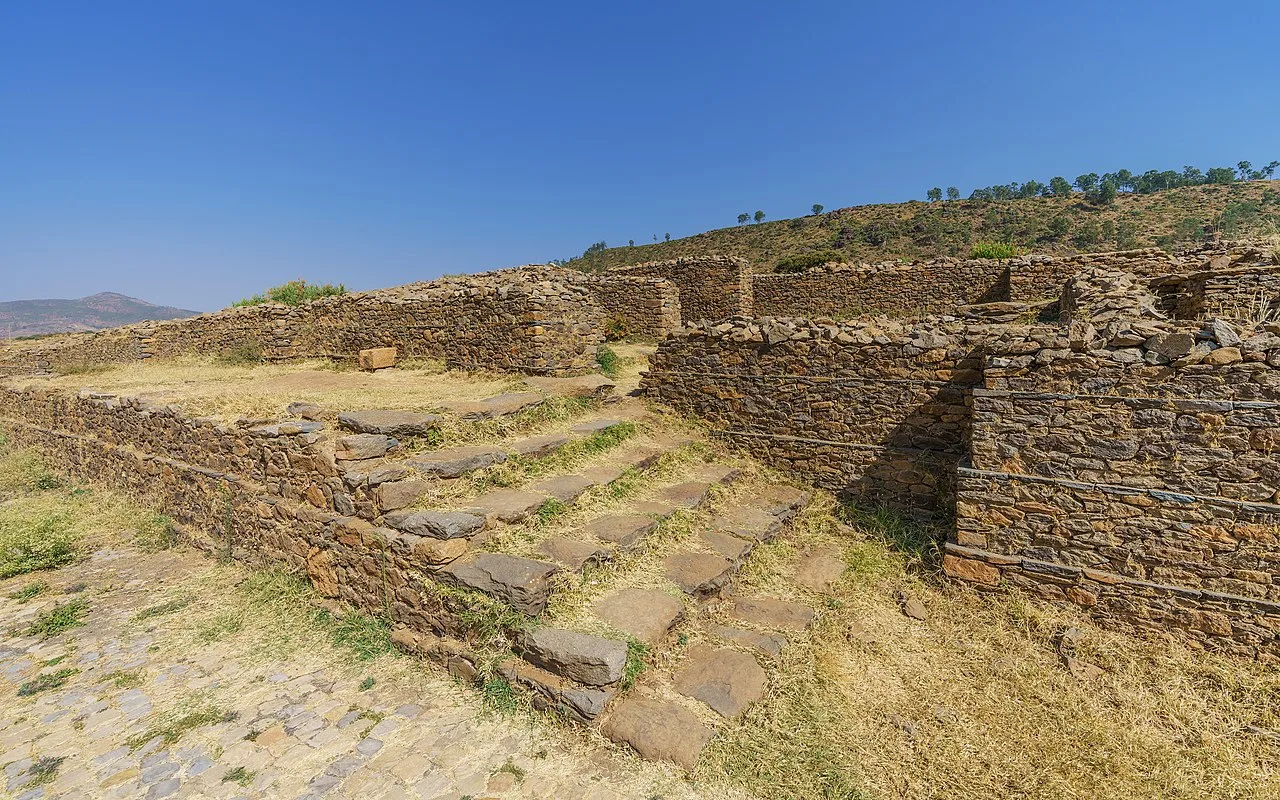
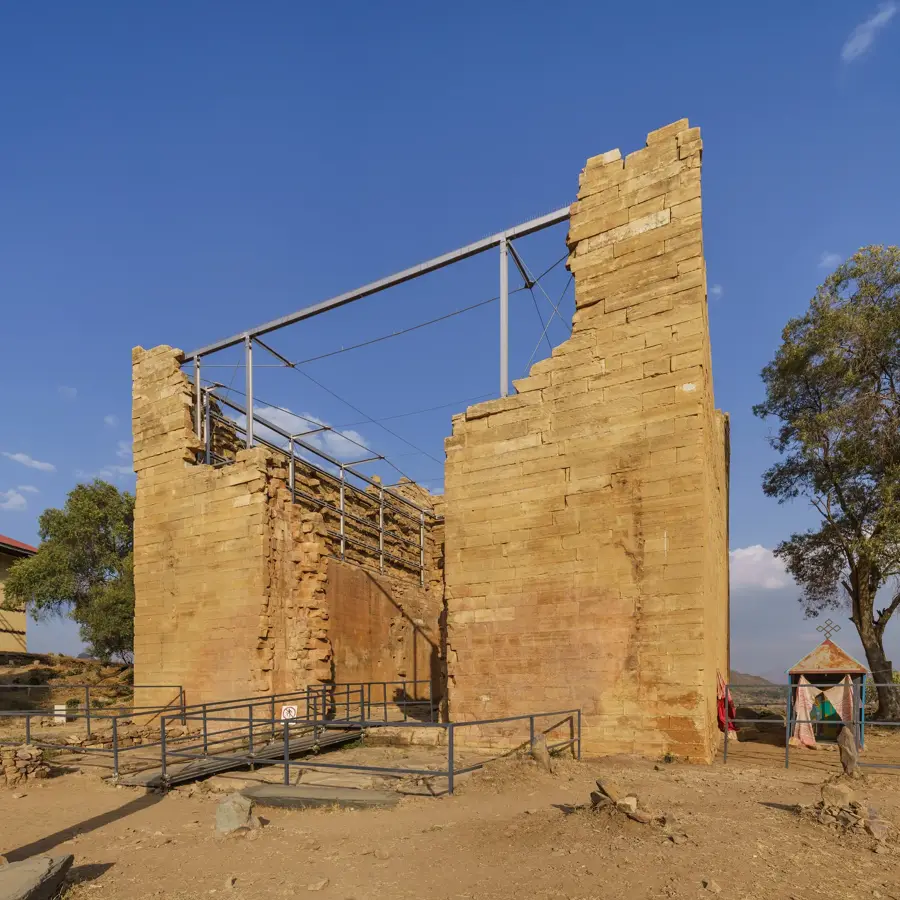
- Top sights: Ezana Inscription · Enda Nebura'ed Palace Ruins · Gudit Stelae Field
- Nearby: Shire (48 km)
- Population: ~94.500 (2023)
Best time to visit & climate
The most pleasant time to visit is Feb, Oct, Nov.
| Jan | Feb | Mar | Apr | May | Jun | Jul | Aug | Sep | Oct | Nov | Dec | |
|---|---|---|---|---|---|---|---|---|---|---|---|---|
| Avg °C | 20 | 21 | 23 | 24 | 25 | 23 | 20 | 20 | 21 | 21 | 20 | 19 |
| Rain mm | 1 | 3 | 8 | 23 | 35 | 41 | 171 | 207 | 65 | 22 | 5 | 3 |
Geography
Facts
- Designated a UNESCO World Heritage Site in 1980.
- Center of the Aksumite Empire for over 800 years.
- King Ezana converted to Christianity around 330 AD.
- The Obelisk of Axum stands at 24 meters in height.
- Located at an elevation of 2,131 meters above sea level.
- Home to the Ezana Stone, inscribed in three ancient languages.
Explore nearby
Notable places around


Route planner — Car & Motorhome
Where do you start? We build the route here, with stops and country notes along the way.
© OpenStreetMap contributors · OpenRouteService
Sights in the town Aksum (10)
Old Museum, Church of Our Lady Mary of Zion🏛 museum
The old museum of the Church of Our Lady Mary of Zion in Aksum houses historical artifacts.
Dungur / Palace of Queen of Sheba
Dungur in Aksum, also called the Palace of the Queen of Sheba, is a ruin site.
Stele 1
Stele 1 in Aksum is a large carved granite stele from the 4th century.
Northern Stelae Field
The Northern Stelae Field in Aksum is an archaeological area with many stelae.
Stele 2
Stele 2 in Aksum is another large granite stele, smaller than Stele 1.
Archaeological Museum🏛 museum
The Archaeological Museum in Aksum displays finds from the Aksumite period.
Frequently asked questions
What is the landmark of Aksum?
Is the Ark of the Covenant really kept there?
Is Aksum a UNESCO World Heritage site?
What was the Aksumite Empire?
What else can you see besides the stelae?
Aksum: where is it located?
Aksum: what is there to see?
Aksum: when is the best time to visit?
Aksum: why is it worth visiting?

Nearby cities
History & landmarks
Nature
More places