Plizio Visual Lab
Mekelle
ℹ️Practical info — Mekelle
▾
🌤 Weather — 5 days
📍 Nearby
Sights nearby
💡 Tips
- Mekelle is situated at over 2,000 meters above sea level; drink plenty of water to help acclimate to the altitude.
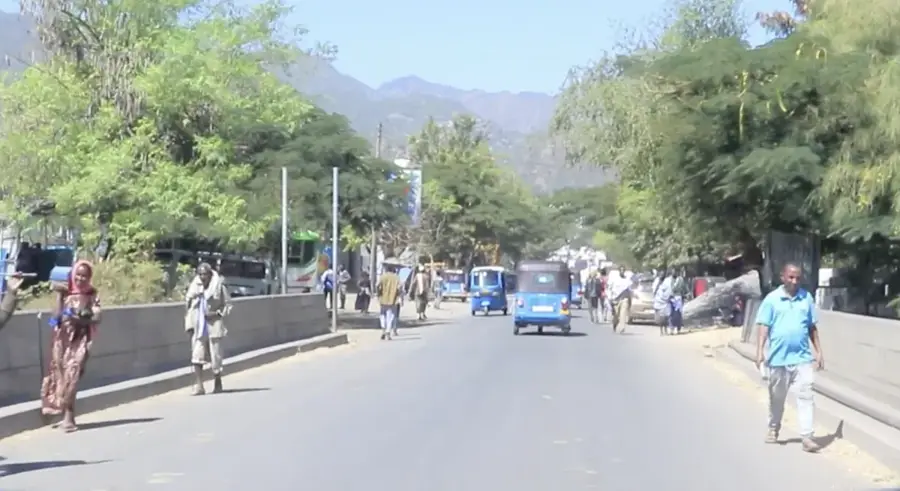
- Blue "bajajs" (tuk-tuks) are the best way to get around, but always agree on the fare before hopping in.
- If you plan to visit the Danakil Depression, always book your expedition through a registered tour agency in the city center.
- Experience a traditional Ethiopian coffee ceremony; it is an integral part of the local hospitality.
🍽 Food
Barley dough balls dipped in meat sauce, a regional specialty served in traditional restaurants.
A spiced chickpea stew available at almost all local eateries.
Try this traditional honey wine at a local "Tej Bet".
🛍 Shopping · 🧘 Quiet spots
Traditional handwoven cotton clothing found at local textile markets.
Purchase authentic Ethiopian coffee from local markets and specialized shops.
The museum gardens offer a peaceful, historic escape from the busy streets.
A relaxing green space for a break in the city center.
Water temperature…
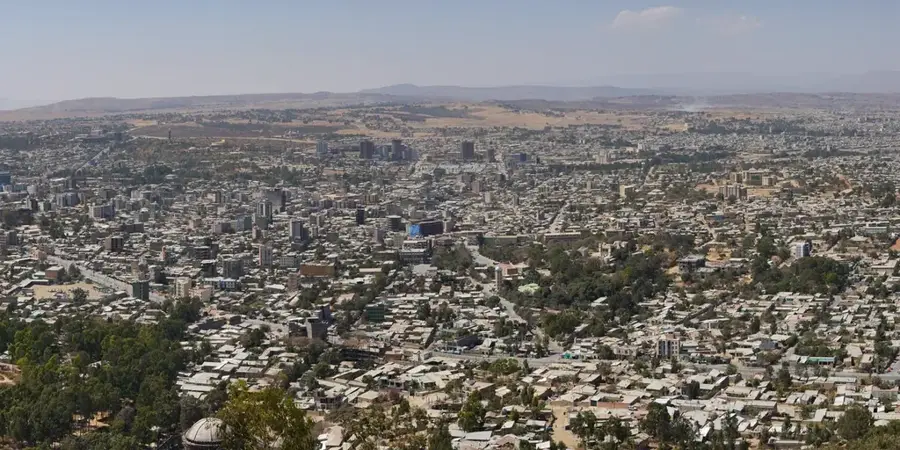
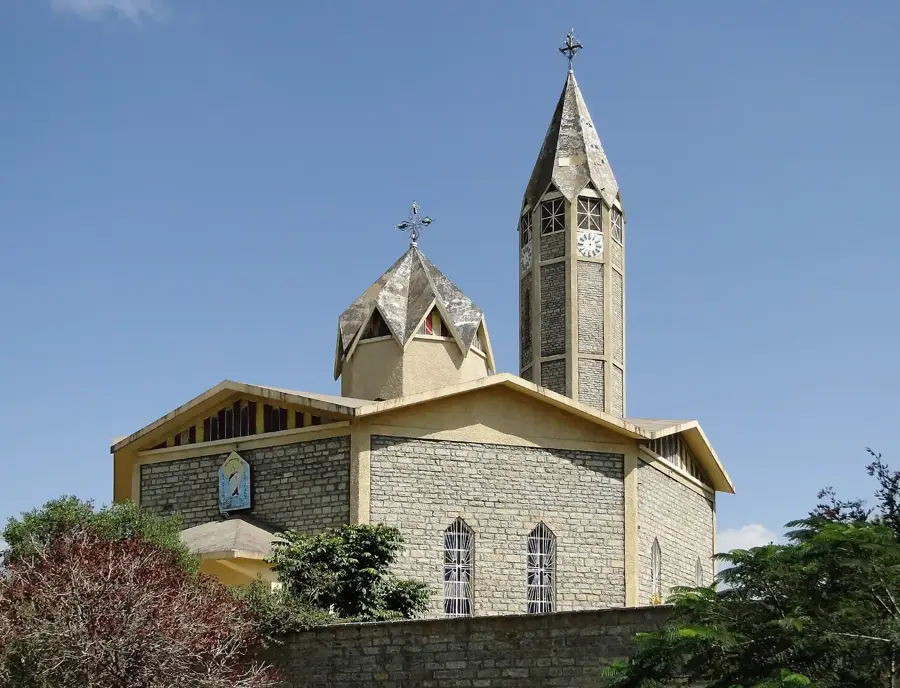
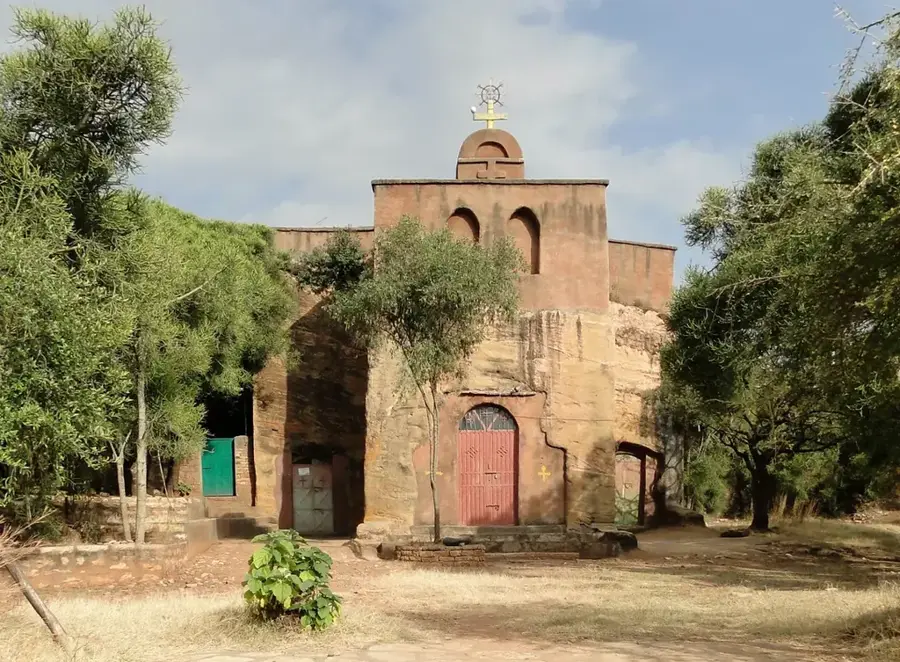
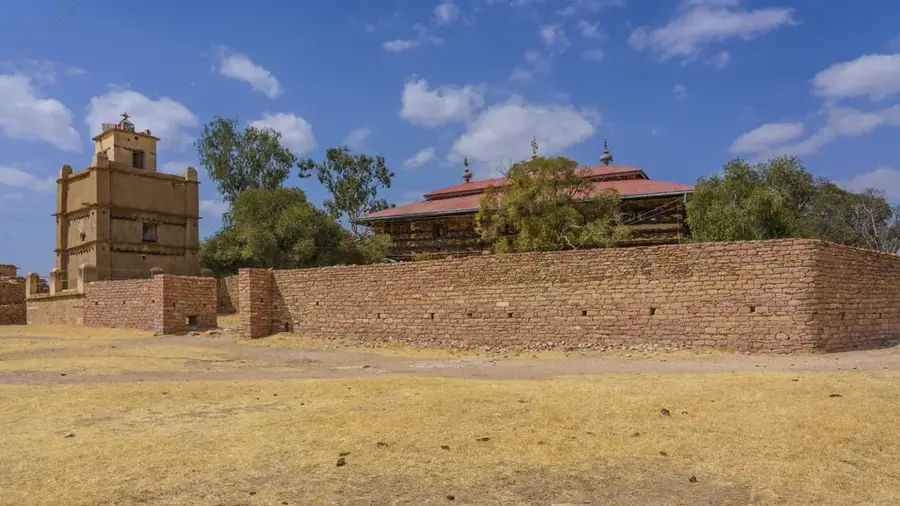
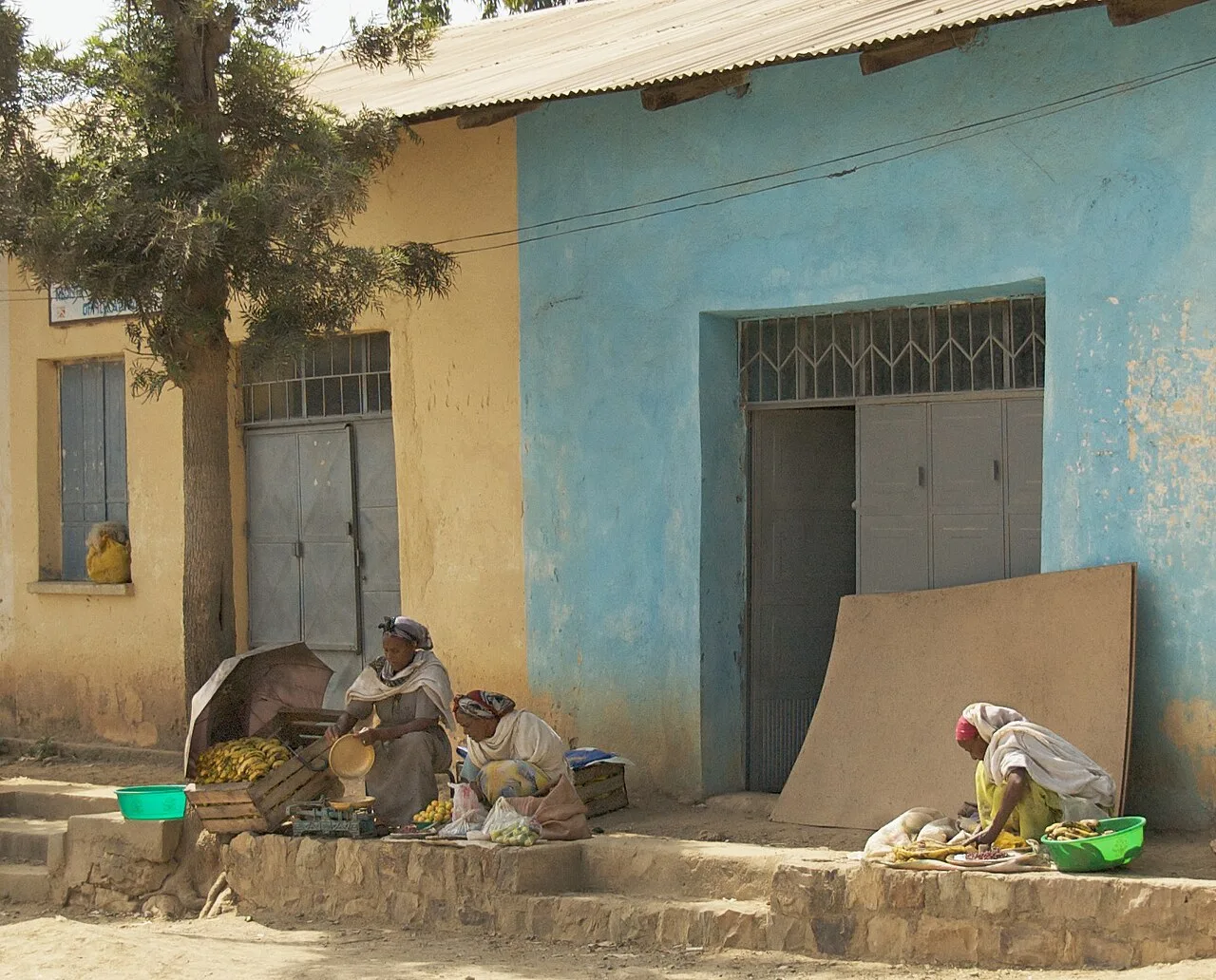
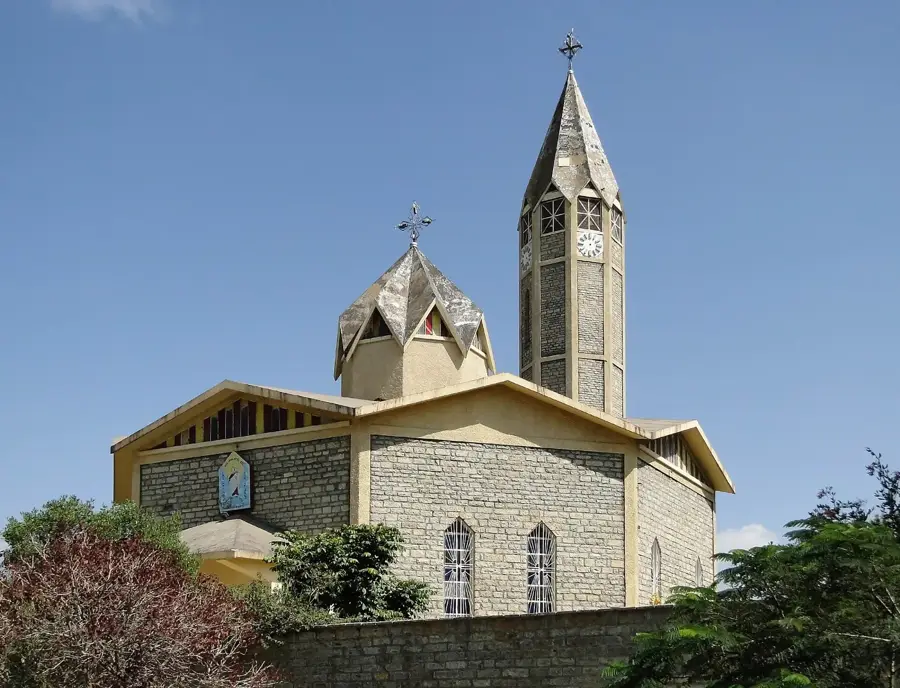
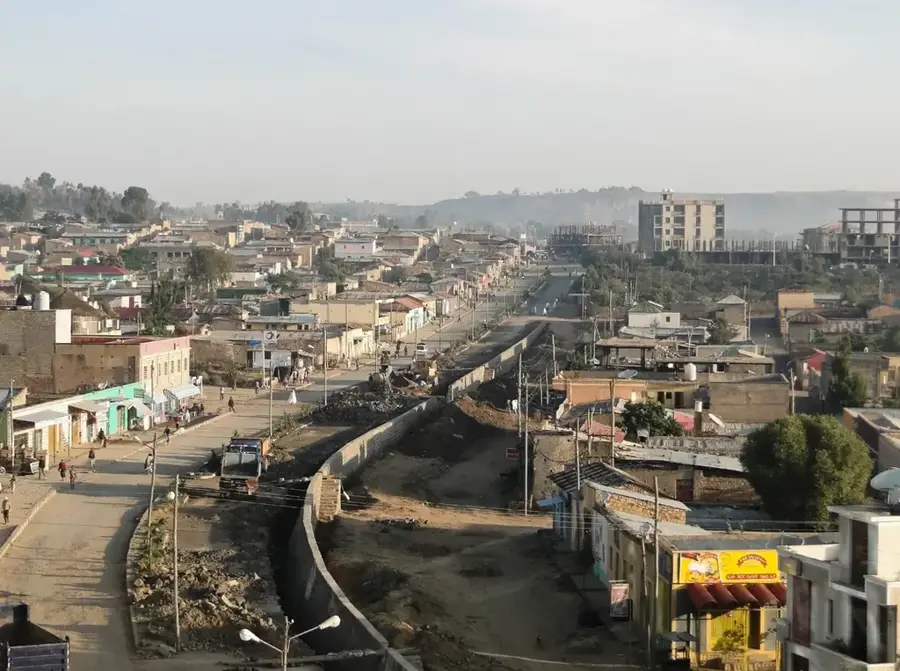
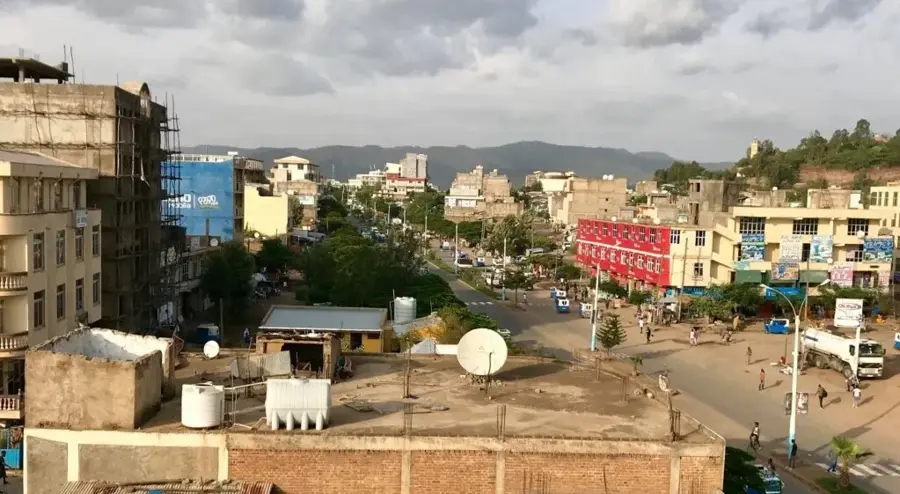
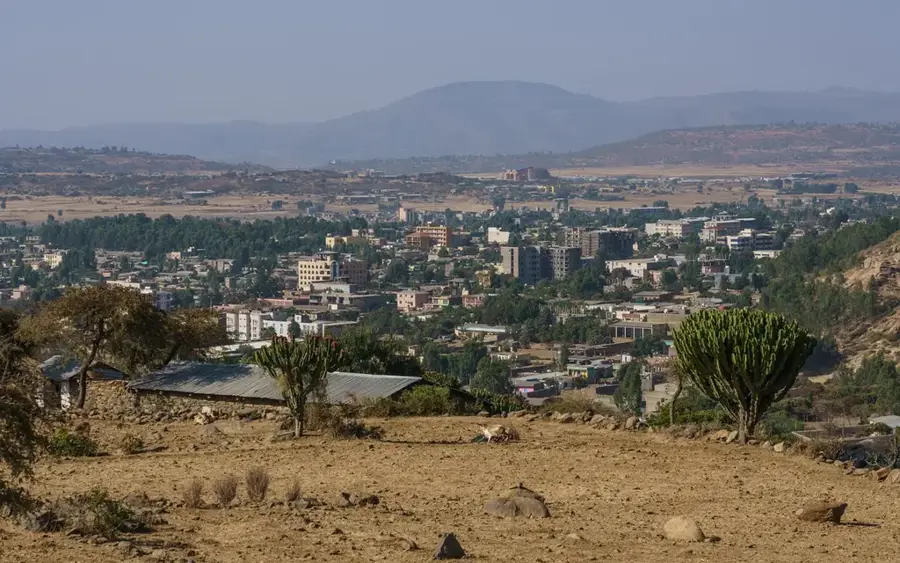
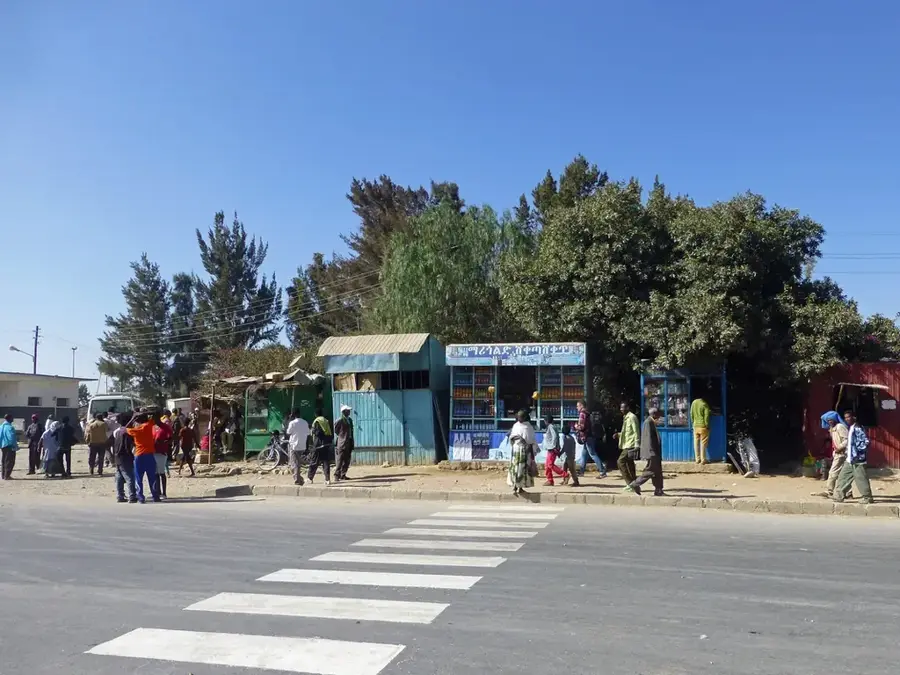
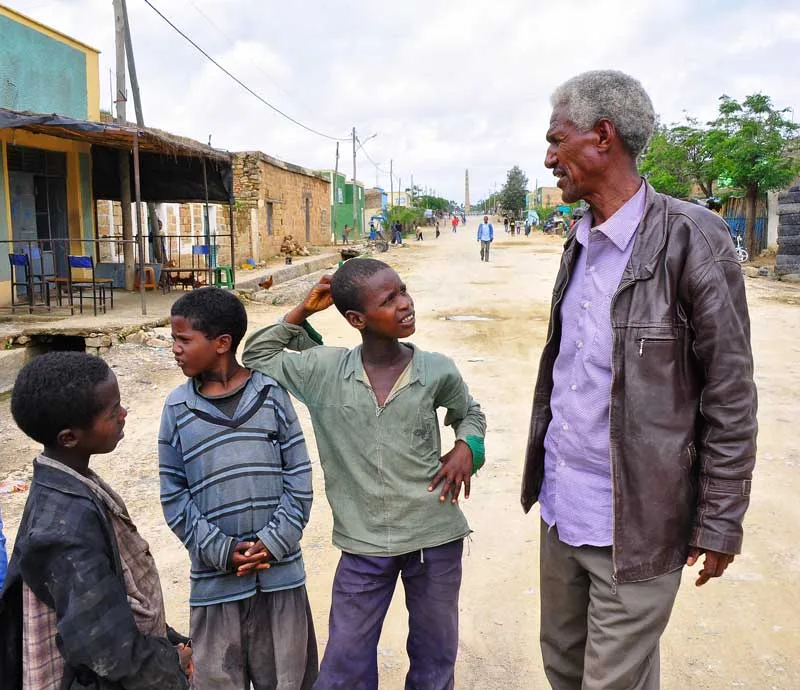
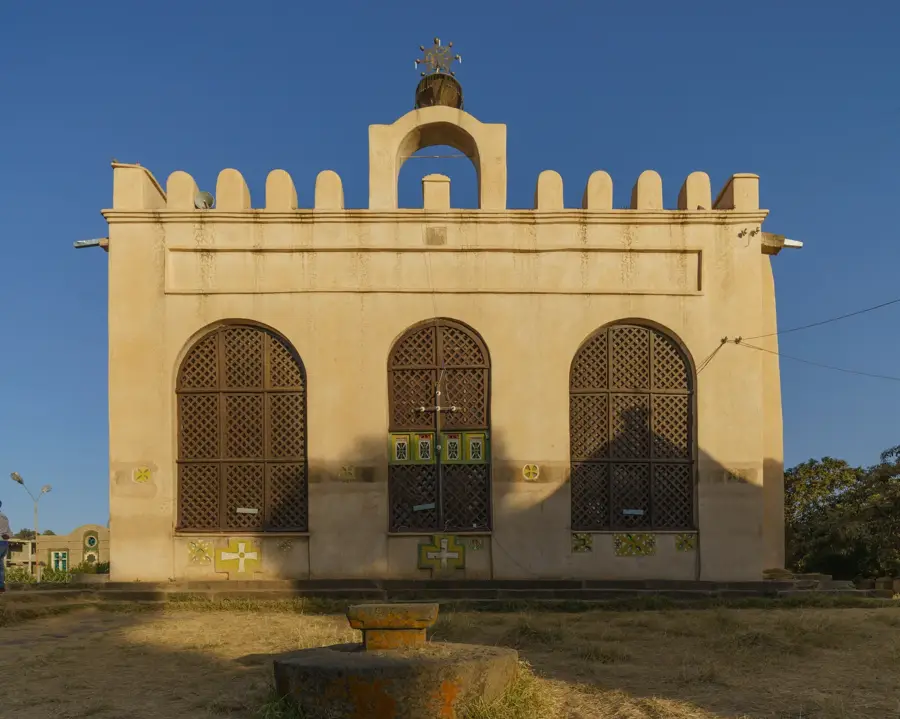
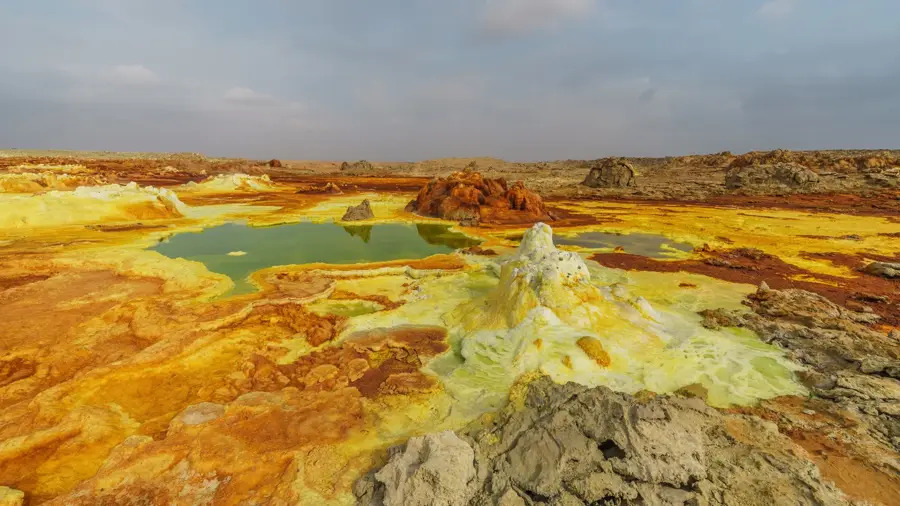
Mekelle is the bustling capital of the Tigray Region and the primary economic hub of northern Ethiopia. Perched on a plateau at an elevation of 2,084 meters, the city bridges the gap between the historic highlands and the arid Danakil Depression. Mekelle's historical significance skyrocketed in the 1870s when Emperor Yohannes IV chose it as his capital. His castle, built in 1884 by Italian architect Giacomo Naretti, remains the city's centerpiece, showcasing a unique blend of Ethiopian and European styles. For centuries, Mekelle was best known as the endpoint for camel caravans bringing salt bars, known as 'amole,' from the salt flats of the Afar region to be traded as currency across the empire. In the 20th and 21st centuries, the city transformed into an industrial powerhouse, home to the Messebo Cement Factory and several textile and manufacturing plants. Mekelle University is a top-tier national institution, fostering a large student population and a thriving intellectual scene. The city is divided into several sub-cities, each featuring a mix of traditional stone masonry and modern glass architecture. A prominent landmark is the Martyrs' Memorial, a massive tower dedicated to those who fought against the Derg regime during the Ethiopian Civil War. Culturally, Mekelle is a stronghold of Tigrayan heritage, where Tigrinya is the primary language and Orthodox Christianity defines the social calendar. The city is a jumping-off point for adventurers traveling to the Dallol volcano and the ancient rock-hewn churches of Tigray. Despite the scars of recent regional conflicts, Mekelle continues to rebuild and asserts itself as a critical pillar of Ethiopian industry, education, and cultural pride, maintaining its status as one of the country's most significant urban centers.
- Location: Ethiopia
- Top sights: Hawzen Square · Emperor Yohannes Palace · Romanat Square
- Nearby: Wukro (28 km)
- Population: ~457.900 (2025)
Best time to visit & climate
The most pleasant time to visit is Mar, May, Jun.
| Jan | Feb | Mar | Apr | May | Jun | Jul | Aug | Sep | Oct | Nov | Dec | |
|---|---|---|---|---|---|---|---|---|---|---|---|---|
| Avg °C | 17 | 18 | 20 | 21 | 22 | 22 | 19 | 19 | 19 | 18 | 17 | 16 |
| Rain mm | 6 | 10 | 16 | 51 | 28 | 41 | 151 | 148 | 40 | 23 | 8 | 10 |
Geography
Facts
- Mekelle is situated at an elevation of 2,084 meters (6,837 feet).
- The city served as the national capital during the reign of Yohannes IV.
- The Yohannes IV Palace was built with red stone from the nearby hills.
- Mekelle is the terminus for the salt trade from the Danakil Depression.
- The city's industrial park covers 75 hectares of land.
- The local airport is named after the 19th-century General Alula Aba Nega.
- Mekelle has one of the highest densities of universities in Ethiopia.
- The annual average rainfall is approximately 600 mm.
Explore nearby
Notable places around
Route planner — Car & Motorhome
Where do you start? We build the route here, with stops and country notes along the way.
© OpenStreetMap contributors · OpenRouteService
Sights in the town Mekelle (7)
Hawelti Museum🏛 museum
Museum in Mekelle with archaeological and cultural exhibits.
Martyrs Monument, Hawelti
Monument to fallen soldiers, located in the Hawelti district.
YAM building
Tall building in Mekelle, offering views over the city.
Frequently asked questions
Where is Mek'ele and how do I get there?
What is Mek'ele historically known for?
How long should I stay in Mek'ele?
What are the main attractions in Mek'ele?
Is Mek'ele a good base for trekking and adventure?
Mekelle: where is it located?
Mekelle: what is there to see?
Mekelle: when is the best time to visit?
Mekelle: why is it worth visiting?
Nearby cities
History & landmarks
Nature
More places