Plizio Visual Lab
Varbla Church
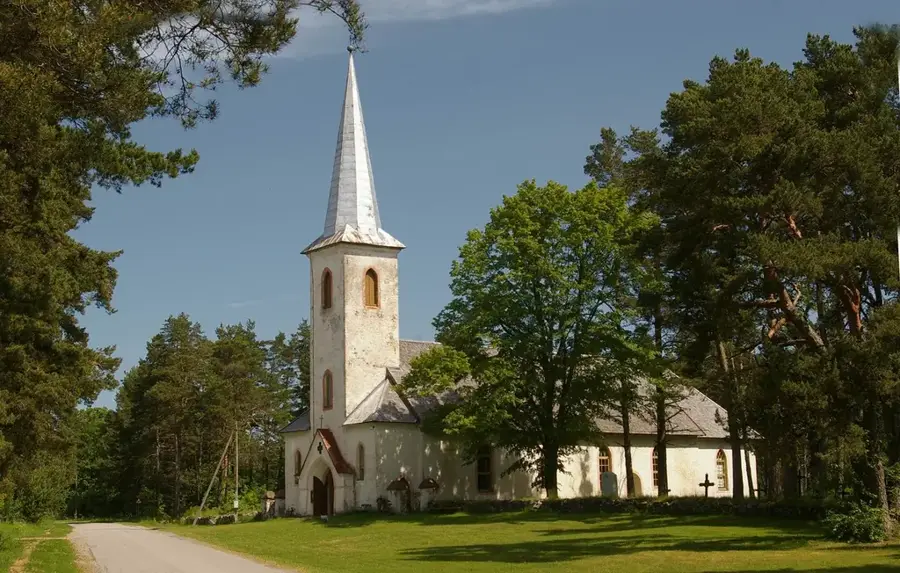
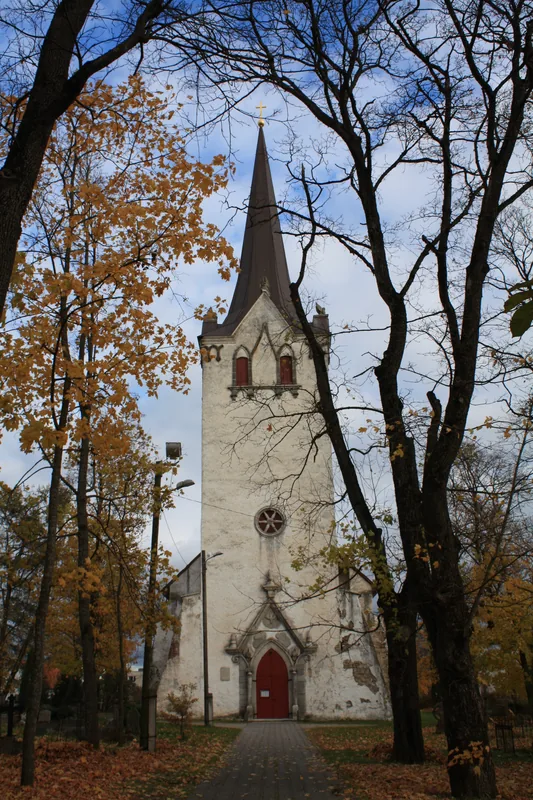
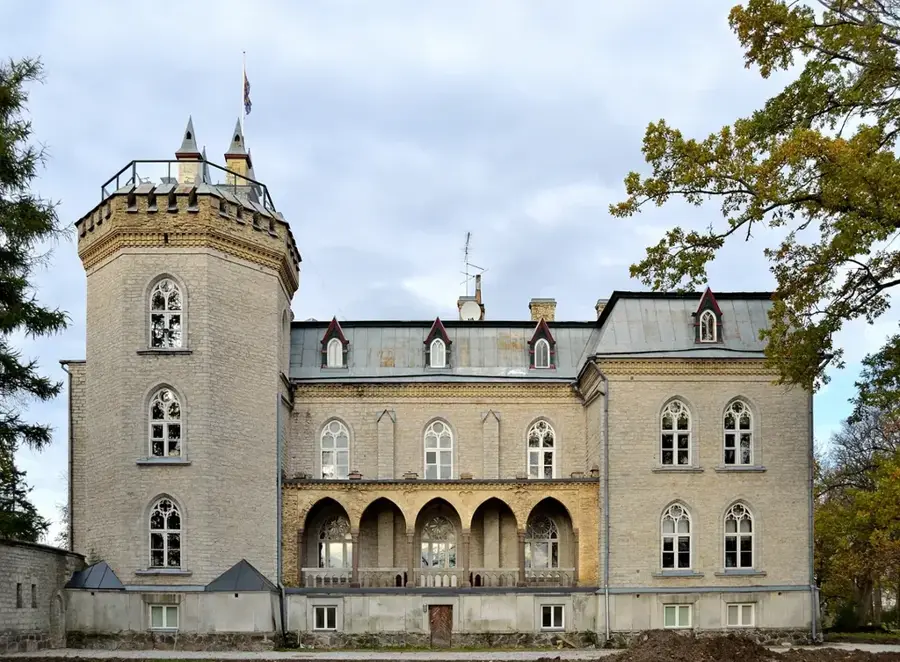
The St. Urbanus Church in Varbla, located in Pärnu County, stands as a prominent example of 19th-century religious architecture in western Estonia. The current stone structure was built between 1860 and 1861, replacing several earlier wooden churches that dated back to the 17th century. Its architectural style reflects a late Classicist influence, characterized by simplicity and functional elegance. The interior is noted for its altar painting from the year of the church's completion and an organ built by the renowned Estonian master August Terkmann in the early 20th century. Historically, the church served as the spiritual center for the local coastal community and the surrounding estates. Today, it remains a protected heritage site, preserving the liturgical traditions and cultural history of the Varbla region.
- Location: Estonia
- Nearby: Tõstamaa (26 km)
Best time to visit & climate
The most pleasant time to visit is Jun–Aug.
| Jan | Feb | Mar | Apr | May | Jun | Jul | Aug | Sep | Oct | Nov | Dec | |
|---|---|---|---|---|---|---|---|---|---|---|---|---|
| Avg °C | -3 | -4 | -1 | 4 | 10 | 15 | 18 | 18 | 14 | 8 | 3 | 0 |
| Rain mm | 52 | 45 | 41 | 40 | 42 | 63 | 63 | 75 | 55 | 66 | 69 | 58 |
📋 Practical info
Geography
Facts
- The current stone church was constructed between 1860 and 1861.
- It is dedicated to Saint Urbanus, the patron saint of vine-growers.
- The organ was built by the famous Estonian master August Terkmann.
- The altar painting dates back to the year of completion in 1861.
- Earlier wooden churches at this site were documented as early as 1611.
- The building features a simple and elegant late Classicist style.
Explore nearby
Notable places around
Route planner — Car & Motorhome
Where do you start? We build the route here, with stops and country notes along the way.
© OpenStreetMap contributors · OpenRouteService
Sights in the town Varbla Church (1)
Sights nearby
Frequently asked questions
When was the current stone church in Varbla built?
Where does the church altar come from?
Are there any special features in the cemetery?
How can the church be reached?
Is photography allowed inside?
Varbla Church: where is it located?
Varbla Church: when is the best time to visit?

Nearby cities
History & landmarks
Nature
More places