Plizio Visual Lab

Pululahua Crater
Plizio editorial teamData Sources
Relief
—°10
Pululahua Crater (Ecuador)

Weather…

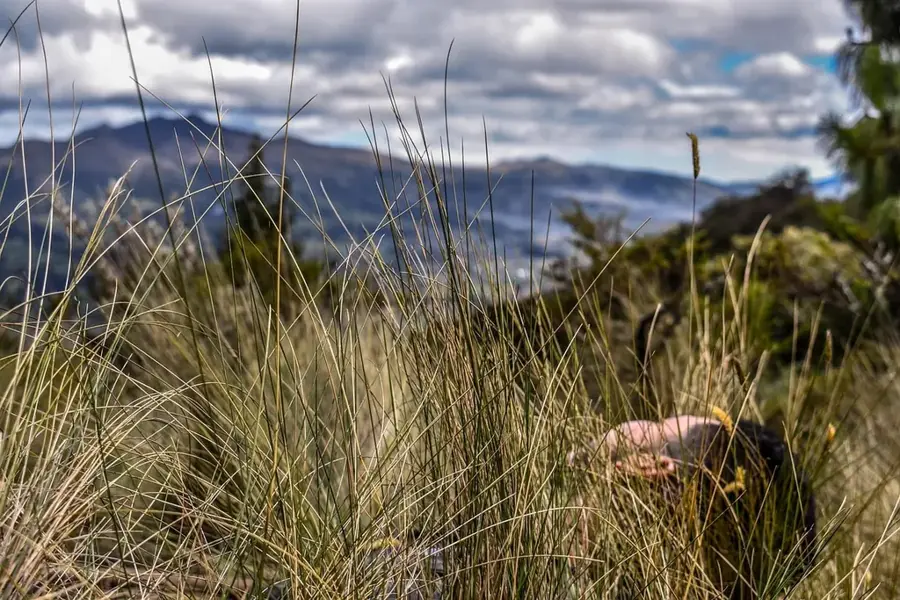
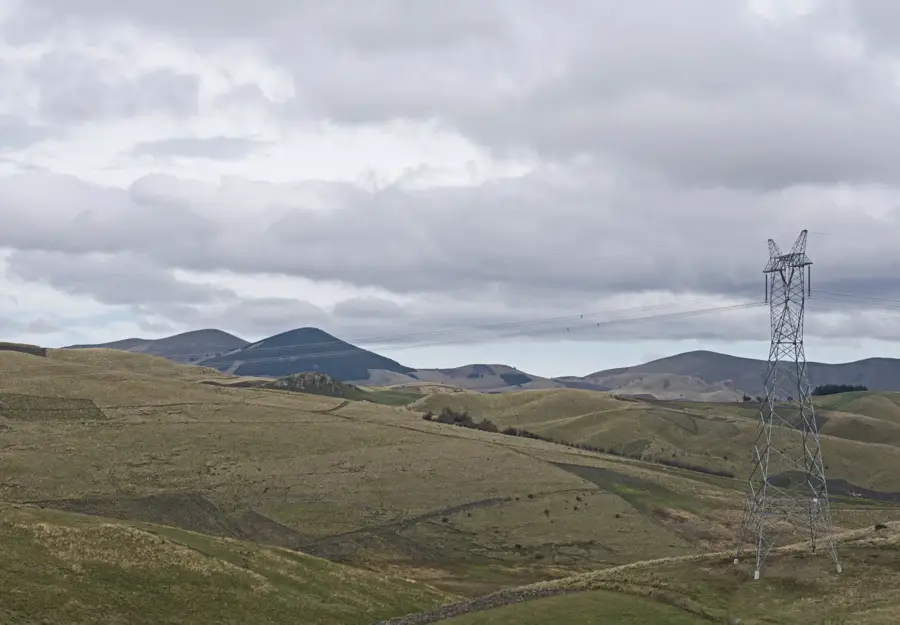
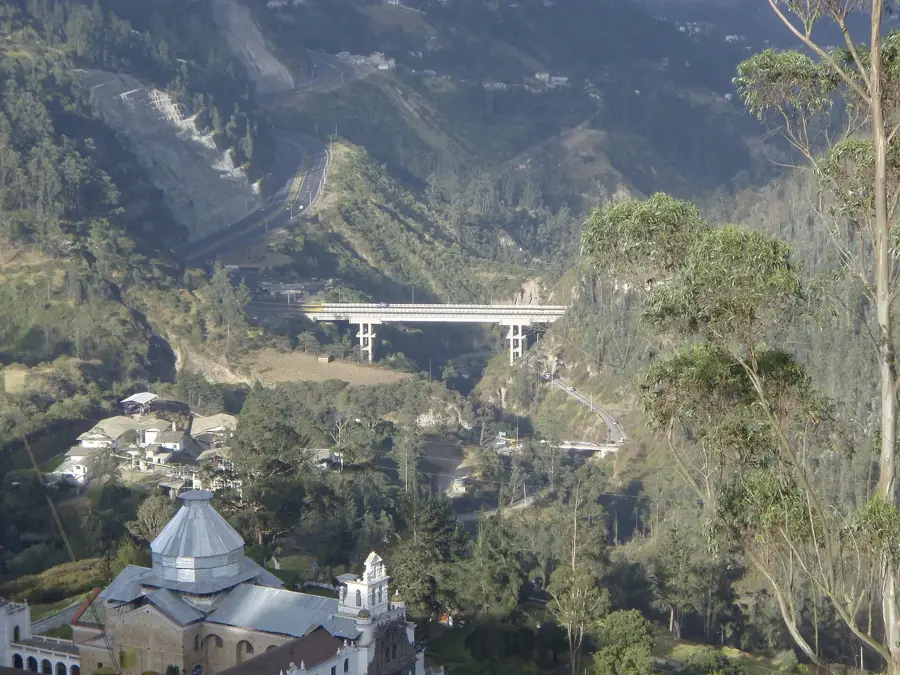
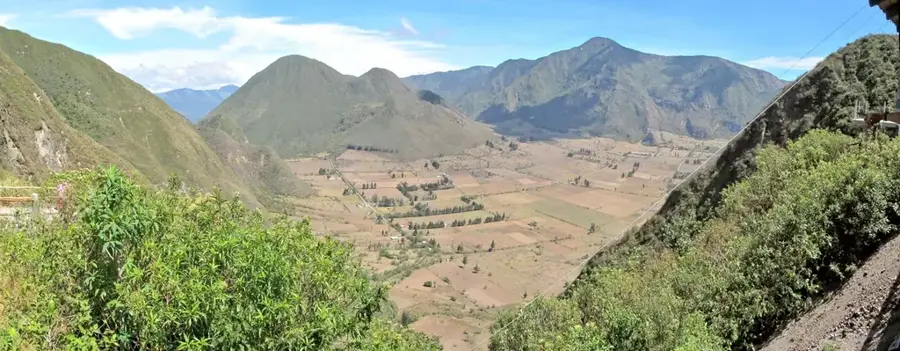
Pululahua Crater is a massive caldera near Quito and one of the few inhabited volcanic craters in the world. The area was declared Ecuador's first geobotanical reserve in 1966, covering an area of over 3,300 hectares. The caldera was formed about 2,500 years ago by the collapse of the volcanic summit following a massive eruption. The floor of the crater is used for agriculture, while the steep walls are covered by dense cloud forest that hosts enormous biodiversity. The name "Pululahua" comes from Kichwa and means "cloud of mist," referring to the frequent cloud formations that drift into the crater. Geologically, the site is fascinating due to its lava domes, such as Pondoña and El Chivo, which formed within the caldera.

Best time to visit & climate

The most pleasant time to visit is Jul–Sep.

JanFebMarAprMayJunJulAugSepOctNovDec
Avg °C171718181818171818171717
Rain mm139143176177123583425387690100

📋 Practical info

🧭
Getting there
The Pululahua Crater is located north of Quito near Mitad del Mundo and is accessible via a paved road to the viewpoint and a gravel track leading into its interior.
📅
Best season
A visit is possible year-round, with mornings typically offering the best visibility before clouds often move into the crater during the afternoon.
⛰️
Terrain & paths
The descent from the crater rim to the floor is steep and follows a zigzag path; the crater floor itself is flat and actively used for farming.
🎒
What to bring
Comfortable hiking shoes are important for the steep path; additionally, bring sun protection and water, as the climb back to the rim can be strenuous.
🅿️
Parking
There is parking available at the viewpoint (Mirador), where most visitors leave their vehicles before starting the walk down into the inhabited crater.
⚠️
Safety
Climbing back up in the midday heat can be taxing on the body; hikers should watch for falling rocks on the slopes and plan for adequate rest breaks.
⏱️
Time needed
For the descent, exploring the floor, and the return climb to the parking area, visitors should allow for a total of approximately 3 to 5 hours.

Geography

Coordinates
0.03000, -78.50000

Facts

  • One of the few inhabited craters worldwide
  • Geobotanical Reserve since 1966
  • Formed approximately 2,500 years ago
  • Area of over 3,300 hectares
  • Name means "cloud of mist" in Kichwa
  • Contains lava domes like Pondoña

Explore nearby

Notable places around

Route planner — Car & Motorhome

Where do you start? We build the route here, with stops and country notes along the way.

Vehicle
Only stops with (optional):

© OpenStreetMap contributors · OpenRouteService

Sights in the town Pululahua Crater (10)

The Fungus Garden📍 landmark

An ecological attraction within the Pululahua Geobotanical Reserve showcasing diverse mushroom and fungi species.

Monumento Mitad del Mundo Calacalí🏺 historical

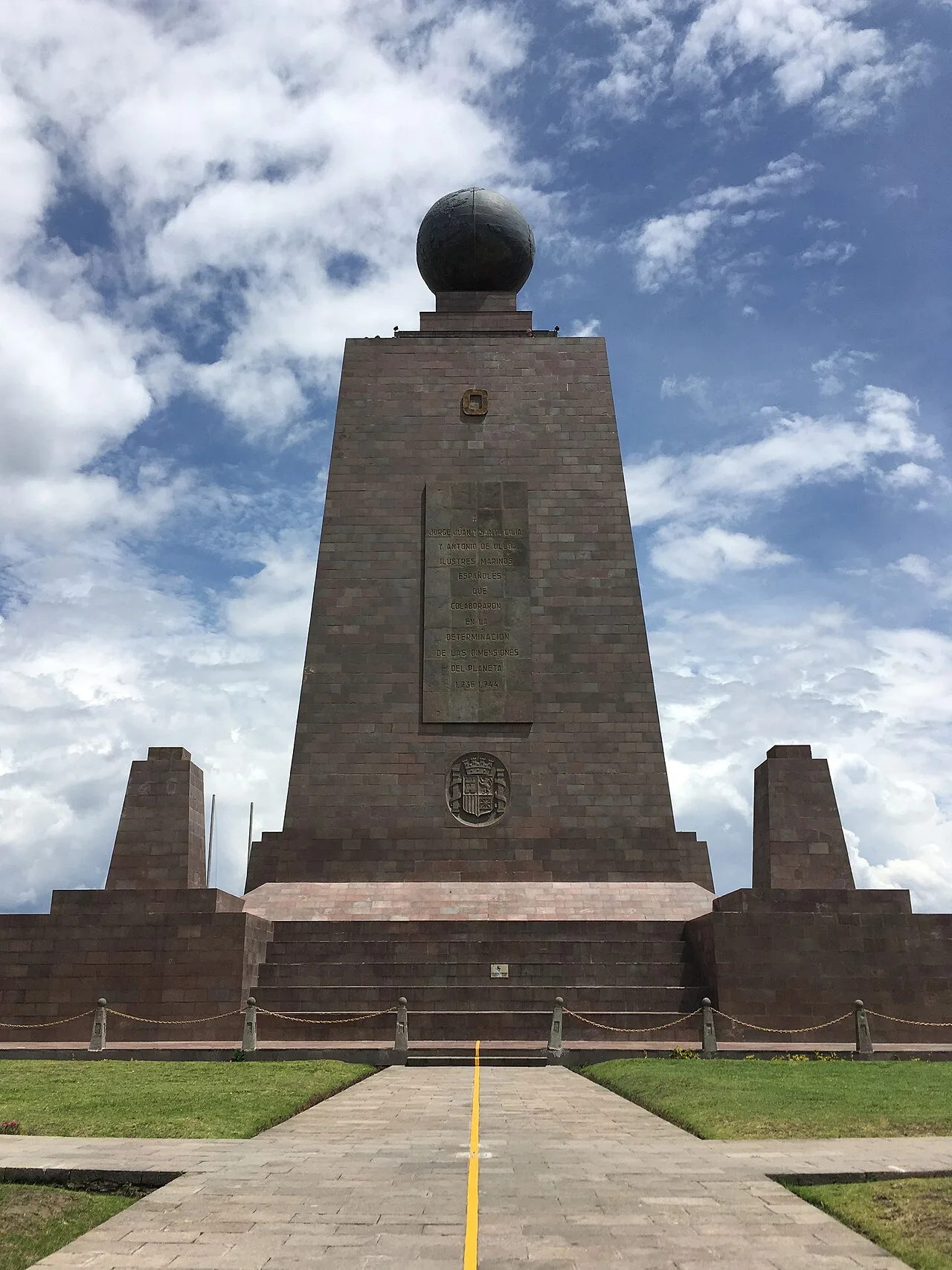
A stone monument in Calacalí marking the equator line, predating the larger Mitad del Mundo complex.

RESERVA GEOBOTÁNICA PULULAHUA📍 landmark

A lush geobotanical attraction set within the crater of an extinct volcano, offering unique microclimates and flora.

El Mirador🌿 nature

A scenic viewpoint offering sweeping panoramas over the lush, misty caldera of the Pululahua volcano.

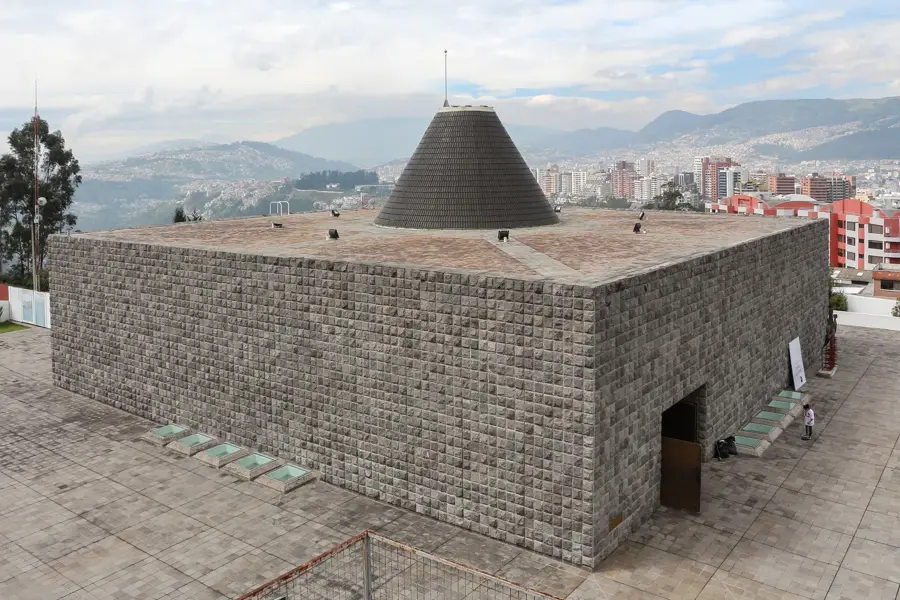
Museo Templo del Sol🏛 museum

A stone temple-museum created by indigenous artist Cristóbal Ortega Maila near the Pululahua crater.

La Reventazón📍 landmark

A geological attraction and hiking spot showcasing the varied volcanic terrain of the Pululahua reserve.

maraksacha🌿 nature

A protected nature reserve area near Pululahua dedicated to preserving the native Andean cloud forest ecosystem.

Bosque Protector Tanlagua🌿 nature

A protected forest reserve near Pululahua featuring rugged highland terrain and native Andean biodiversity.

🕒 Mo-Fr 08:00-17:00

ECUSTARS🎭 culture

A local marketplace near Pululahua where regional vendors offer various goods, foods, and traditional crafts.

🕒 Mo-Su 08:00-18:00

Piscina de aguas minerales temperadas La Merced🎡 recreation

A public bathing facility featuring tempered natural mineral waters near the Pululahua reserve.

Sights nearby

Frequently asked questions

What is special about the Pululahua crater?
It is one of the few inhabited volcanic craters in the world.
How far is it from Quito?
It is about 30 km north of Quito, near the Middle of the World monument.
Can you hike down into the crater?
Yes, there is a steep path leading from the viewpoint down into the village.
Are there accommodations there?
Yes, there are hostels and ecotourism farms inside the crater.
Why is it often foggy there?
Moist air masses from the coast often condense at the crater rim.
Pululahua Crater: where is it located?
Pululahua Crater is located in Ecuador.
Pululahua Crater: what is there to see?
Highlights include The Fungus Garden, Monumento Mitad del Mundo Calacalí, RESERVA GEOBOTÁNICA PULULAHUA.
Pululahua Crater: when is the best time to visit?
The most pleasant time to visit is Jul, Sep.
Pululahua Crater: why is it worth visiting?

Pululahua Crater is a massive caldera near Quito and one of the few inhabited volcanic craters in the world.
View on map → The Top 50 Attractions → OpenStreetMap →
South America
Explore with Plizio Discover more places in South America
More places in Ecuador →

Nearby cities

History & landmarks

More places