Plizio Visual Lab
Lake Assal Salt Extraction
Weather…
Water temperature…
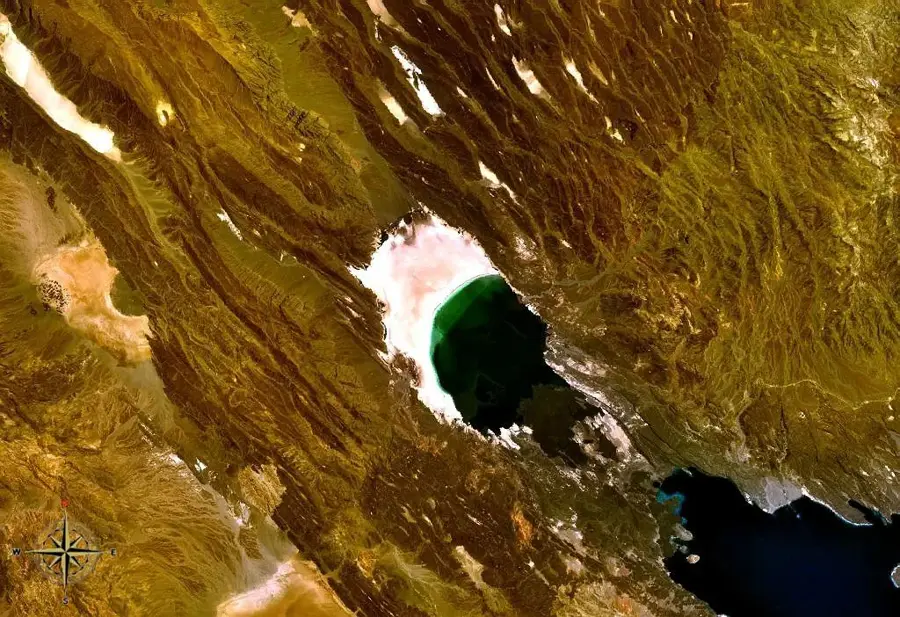
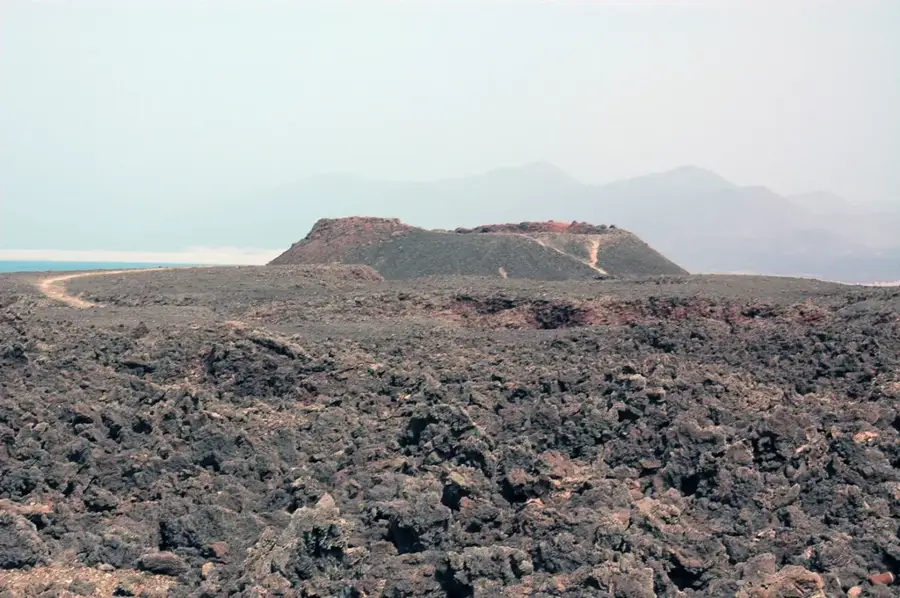
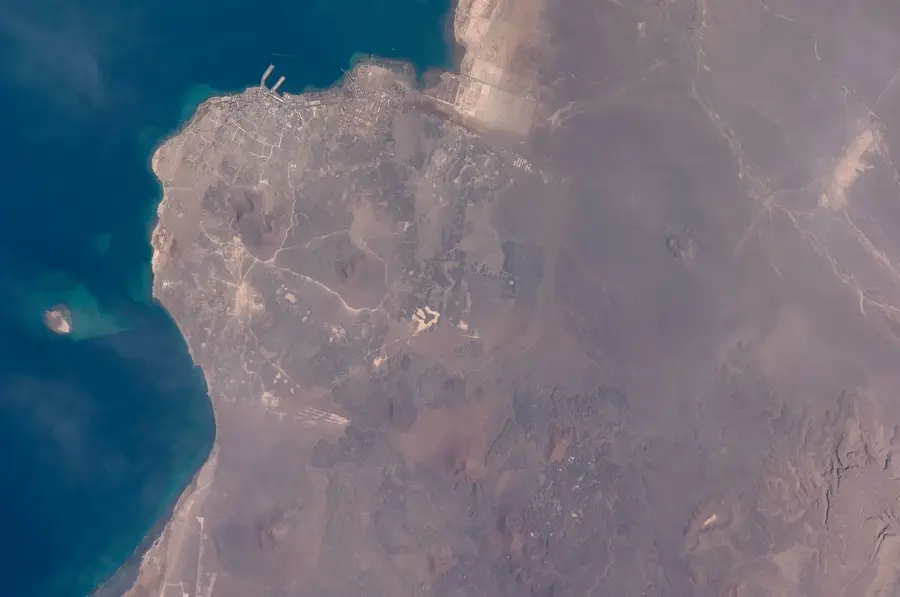
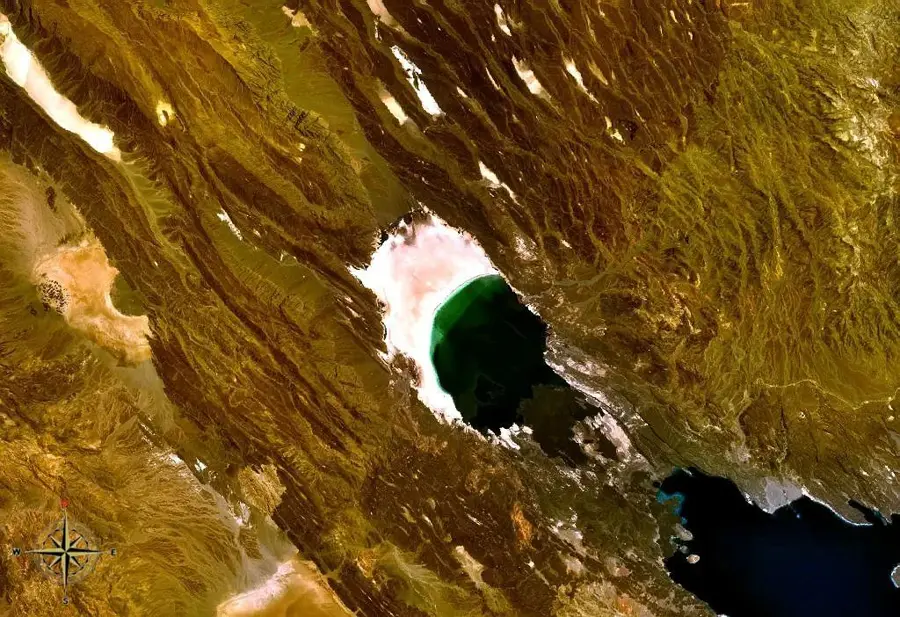
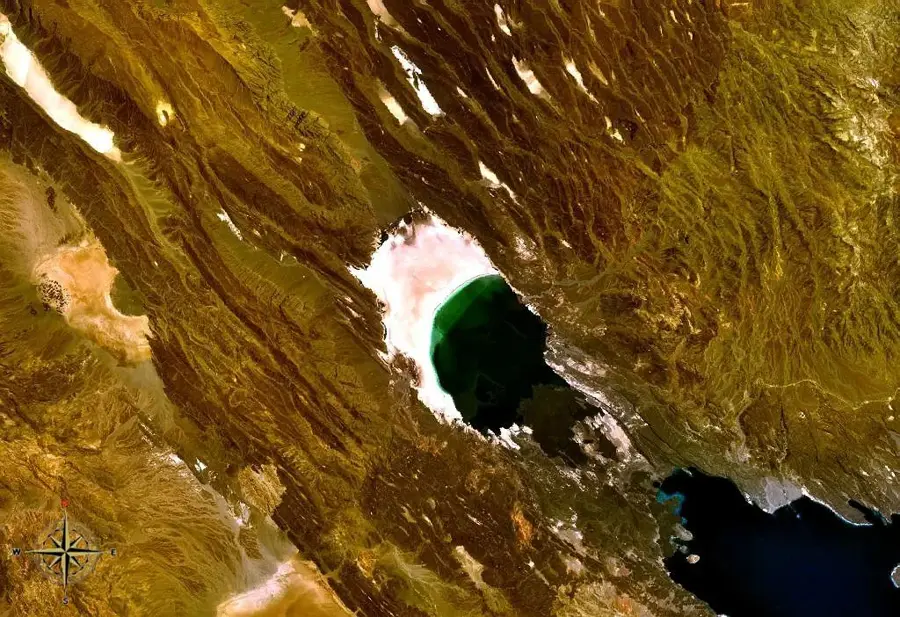
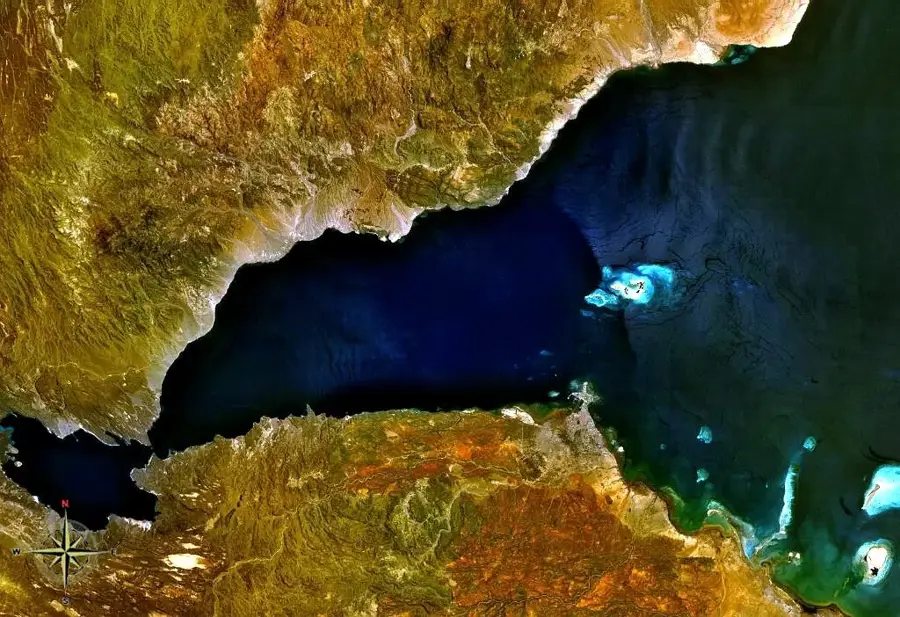
Lake Assal, situated at 155 meters below sea level, is the lowest point in Africa and contains one of the world's largest and most concentrated salt reserves. Industrial salt extraction at the lake has evolved into a key economic pillar for Djibouti, with much of the production designated for export to Ethiopia and China. The water's salinity is approximately 34.8%, ten times that of the ocean, leading to the formation of massive salt crusts that are mechanically harvested. Modern processing facilities on-site refine the raw material into table salt and industrial salt, which is frequently used for road de-icing in Europe and North America. Estimates suggest the lake's salt reserves exceed 100 million tons, ensuring long-term commercial viability for the sector. The proximity to the newly built Port of Ghoubbet optimizes the logistics chain, significantly lowering transport costs for international markets. Despite industrial operations, the area remains a unique geological site characterized by extreme temperatures and stark white landscapes.
- Location: Djibouti
- Top sights: Garrayto Kôma · ‘Asa Kôma · Sablôla le Dabba
- Nearby: Kouta Bouyya (14 km)
Best time to visit & climate
The most pleasant time to visit is Jan, Feb, Dec.
| Jan | Feb | Mar | Apr | May | Jun | Jul | Aug | Sep | Oct | Nov | Dec | |
|---|---|---|---|---|---|---|---|---|---|---|---|---|
| Avg °C | 23 | 24 | 26 | 28 | 31 | 34 | 34 | 33 | 32 | 28 | 26 | 24 |
| Rain mm | 6 | 7 | 24 | 55 | 28 | 7 | 33 | 50 | 39 | 20 | 10 | 14 |
📋 Practical info
Geography
Facts
- Lowest point in Africa at 155 meters below sea level.
- The water's salinity is approximately 34.8 percent.
- Estimated salt reserves of over 100 million tons.
- Major export destinations include Ethiopia and China.
- Processing facilities operated by Salt Investment S.A.
- Linked to the Port of Ghoubbet for streamlined global export.
Explore nearby
Notable places around

Route planner — Car & Motorhome
Where do you start? We build the route here, with stops and country notes along the way.
© OpenStreetMap contributors · OpenRouteService
Sights in the town Lake Assal Salt Extraction (3)
Sights nearby
Frequently asked questions
How is salt extracted at Lake Assal?
Is the salt from Lake Assal edible?
Are tourists allowed at the salt extraction?
How much salt is produced here?
Can you buy souvenirs made of salt?
Lake Assal Salt Extraction: where is it located?
Lake Assal Salt Extraction: what is there to see?
Lake Assal Salt Extraction: when is the best time to visit?
Lake Assal Salt Extraction: why is it worth visiting?

Nearby cities
History & landmarks
Nature
More places