Plizio Visual Lab
Djalelo Wildlife Reserve
Weather…
Water temperature…
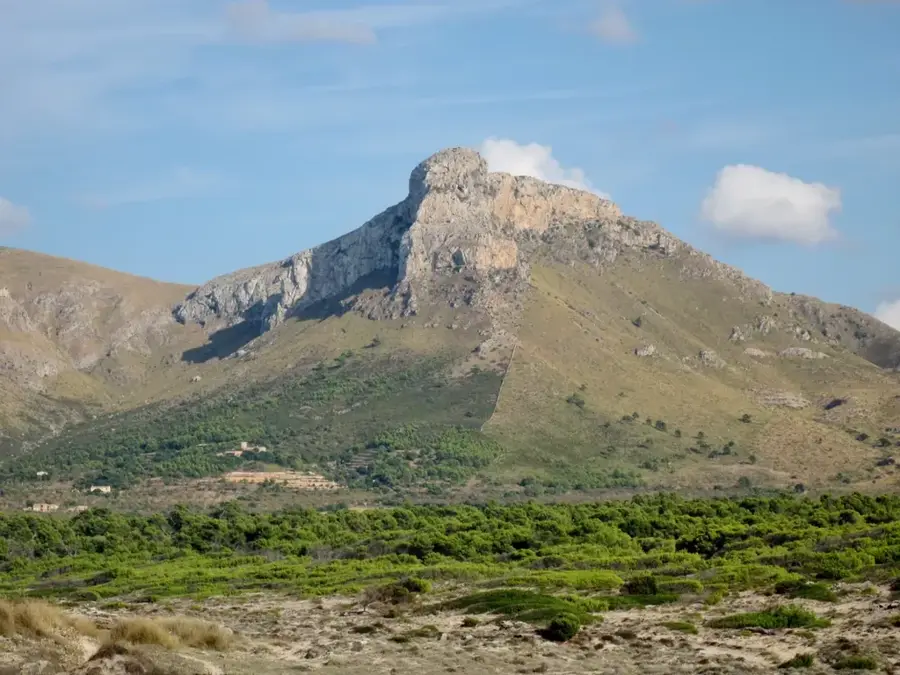
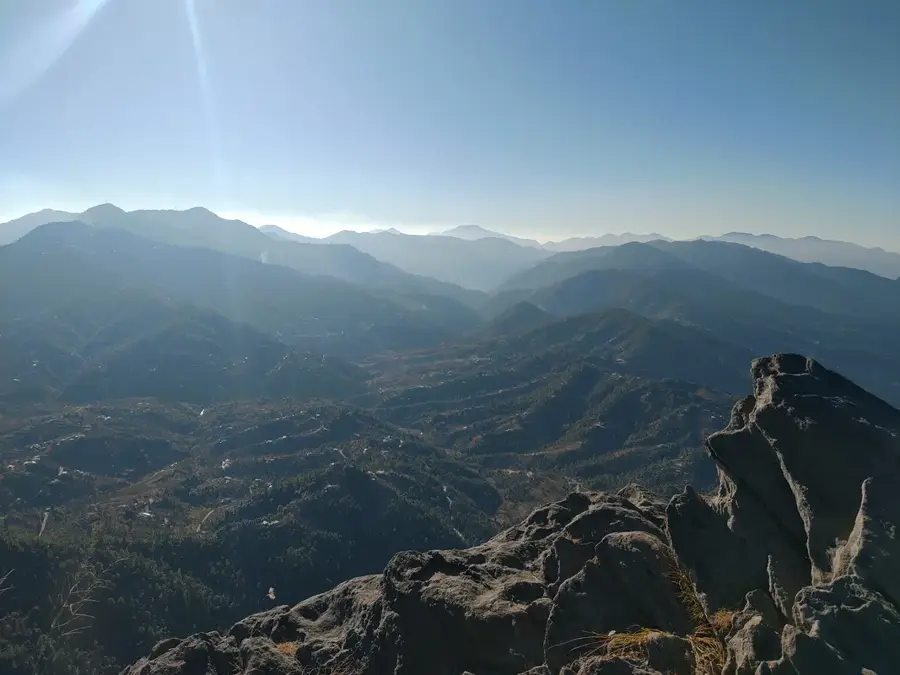
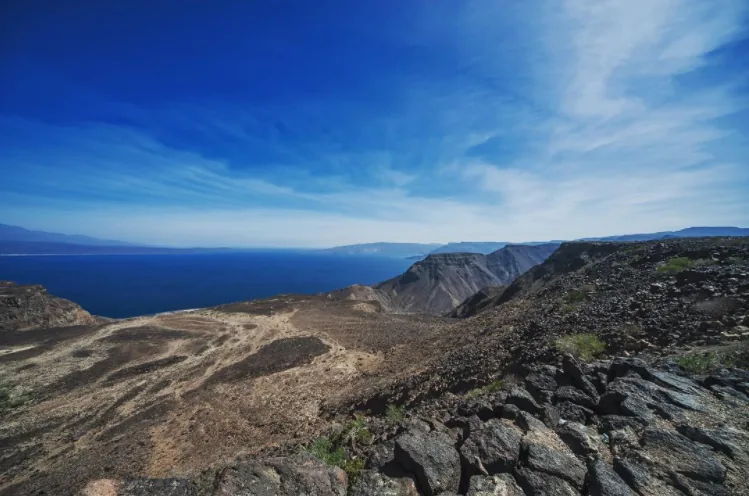
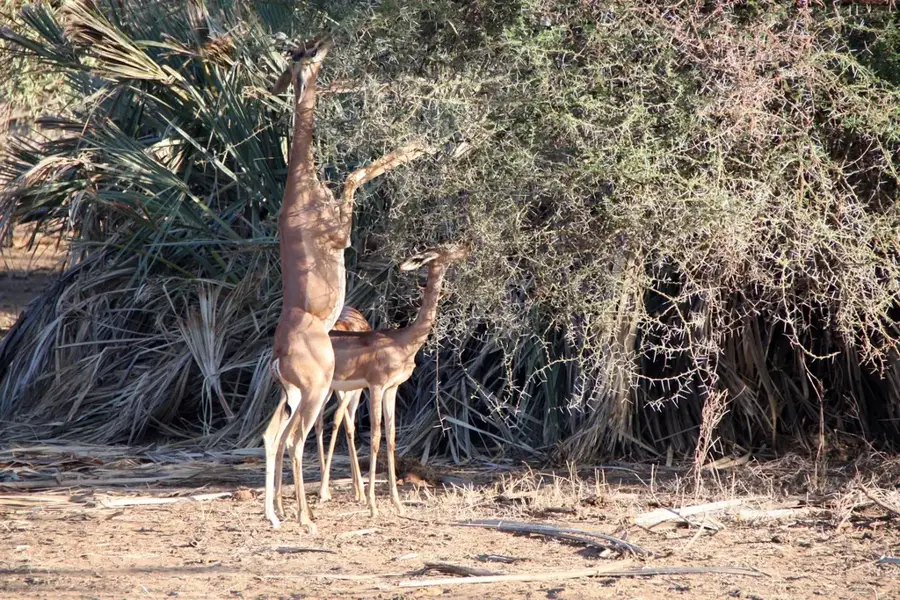
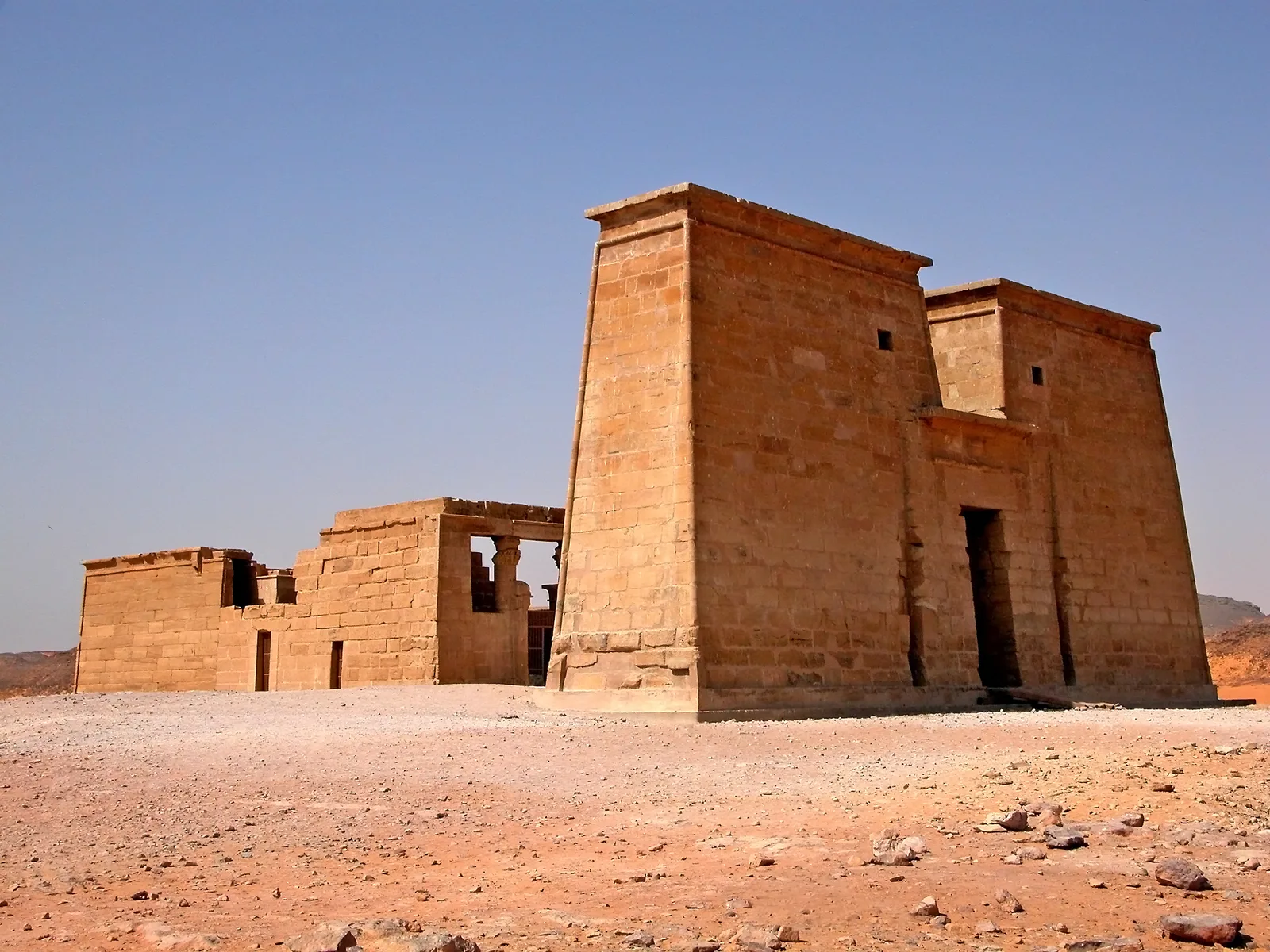
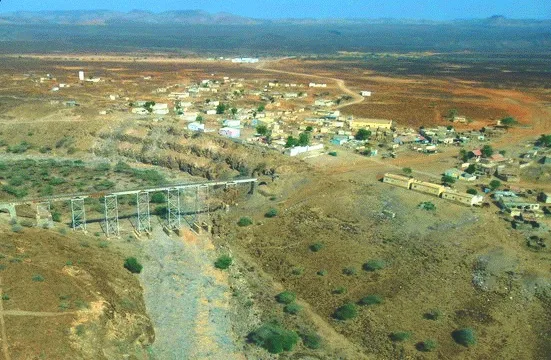
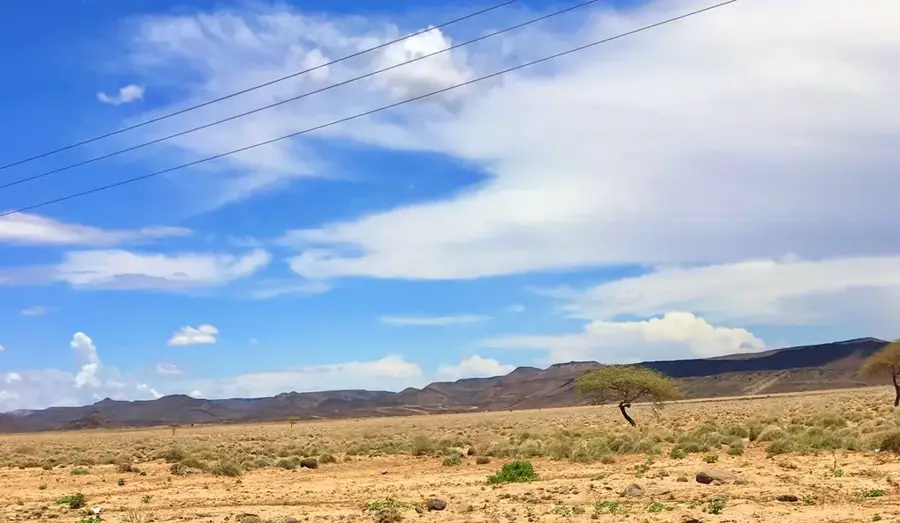
The Djalelo Wildlife Reserve is situated in southern Djibouti and forms an integral part of the nation's ecological protection network. Defined by its dramatic topography, the reserve features deep seasonal riverbeds known as wadis and rugged volcanic mountains. Djalelo is particularly noted for its conservation of various gazelle species, including the Soemmerring's and Pelzeln's gazelles. The diverse habitat also supports small carnivores such as the caracal and the honey badger. Recent initiatives, supported by international conservation groups, have focused on reforesting native acacia species and improving sustainable water management in this arid zone. Beyond its biological value, the area contains significant archaeological sites that offer clues about human habitation dating back thousands of years. The reserve serves as a model for community-based conservation, where local residents directly benefit from controlled ecotourism. The raw beauty of the landscape and the chance to witness rare wildlife in their natural habitat make Djalelo a prime destination for naturalists. Maintaining this reserve is crucial for the preservation of Djibouti's unique genetic heritage.
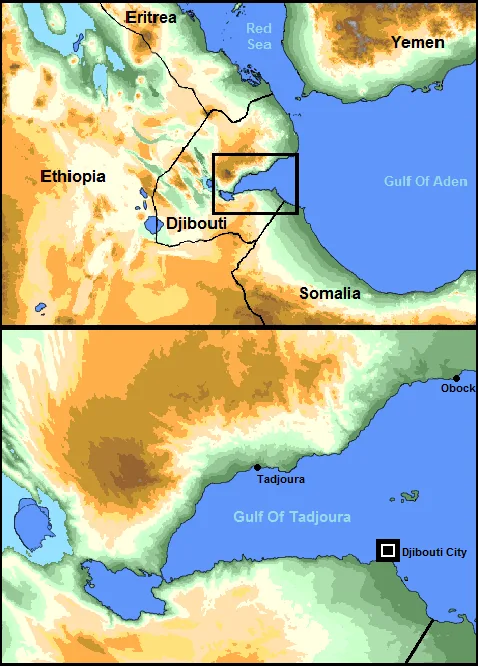
- Location: Djibouti
- Top sights: Gôdirré · ‘Ali ‘Oumar · Rôblé Hâd
- Nearby: We'a (10 km)
Best time to visit & climate
The most pleasant time to visit is Jan, Feb, Dec.
| Jan | Feb | Mar | Apr | May | Jun | Jul | Aug | Sep | Oct | Nov | Dec | |
|---|---|---|---|---|---|---|---|---|---|---|---|---|
| Avg °C | 24 | 25 | 26 | 28 | 31 | 34 | 34 | 34 | 33 | 29 | 27 | 25 |
| Rain mm | 6 | 6 | 20 | 51 | 27 | 7 | 17 | 27 | 31 | 21 | 10 | 14 |
📋 Practical info
Geography
Facts
- Djalelo is a primary sanctuary for the Pelzeln's gazelle, a range-restricted species.
- The reserve features unique geological formations resulting from volcanic activity.
- Several Neolithic archaeological sites have been documented within the reserve.
- Reforestation efforts focus on endemic acacia species to combat desertification.
- The area is part of a larger ecological corridor connecting southern protected zones.
- The reserve experiences high diurnal temperature variations typical of desert climates.
Explore nearby
Notable places around

Route planner — Car & Motorhome
Where do you start? We build the route here, with stops and country notes along the way.
© OpenStreetMap contributors · OpenRouteService
Sights in the town Djalelo Wildlife Reserve (3)
Sights nearby
Frequently asked questions
What can you observe in the Djalelo reserve?
How far is it from the capital?
Is hiking allowed there?
Is there shade in the reserve?
Do you need a special car?
Djalelo Wildlife Reserve: where is it located?
Djalelo Wildlife Reserve: what is there to see?
Djalelo Wildlife Reserve: when is the best time to visit?
Djalelo Wildlife Reserve: why is it worth visiting?

Nearby cities




Nature
More places