Plizio Visual Lab

Pálava Biosphere Reserve
Plizio editorial teamData Sources
park
—°7
Pálava Biosphere Reserve (Czech Republic)

Weather…

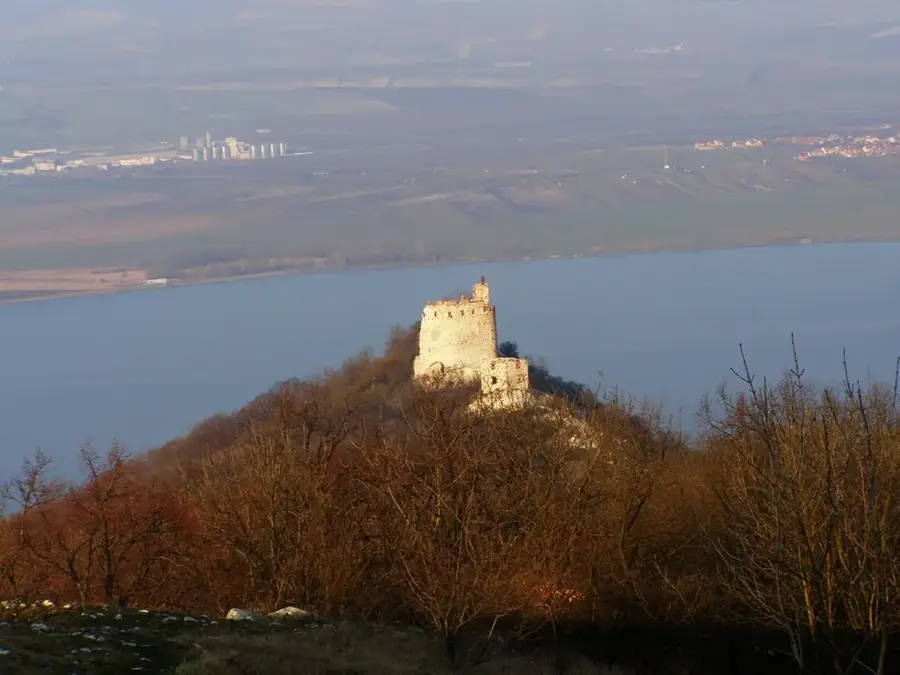
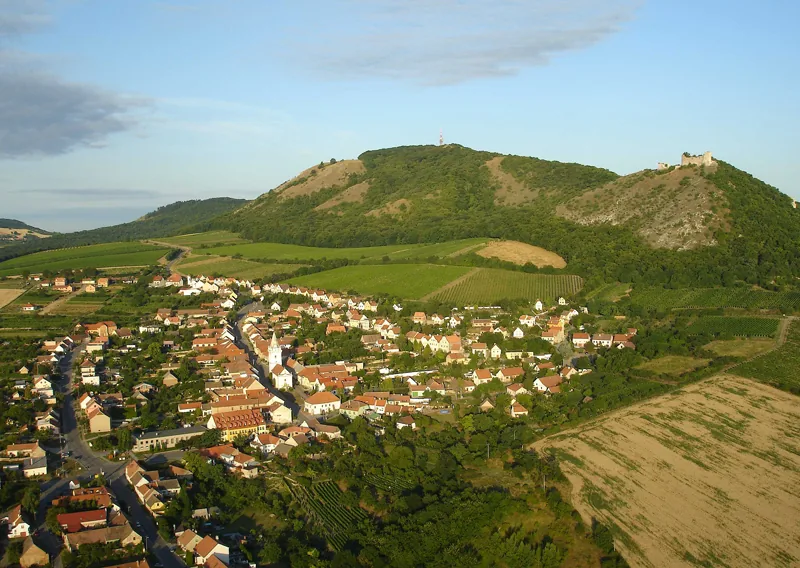
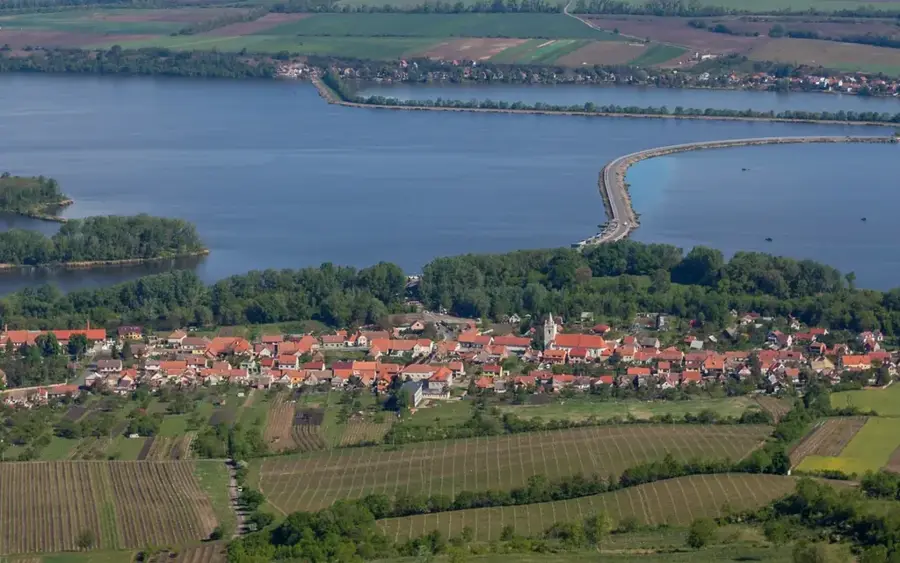
The Pálava Biosphere Reserve encompasses the Pavlov Hills, a prominent limestone formation in South Moravia near the Austrian border. Since 1986, the area has been protected as a UNESCO Biosphere Reserve, characterized by extraordinary biodiversity ranging from sun-drenched steppes to shaded oak forests. The region is not only ecologically precious but also holds immense historical significance, as it was the discovery site of the famous Venus of Dolní Věstonice, one of the world's oldest ceramic figurines. The white limestone cliffs are crowned by castle ruins such as Děvičky, providing expansive views over the Thaya River reservoirs. Pálava is also the heart of Czech viticulture, with its calcareous soils providing well-suited conditions for grape varieties like Welschriesling. The combination of archaeological treasures, rare flora, and centuries-old wine culture makes Pálava one of the most attractive landscapes in Central Europe. Hikers can explore a well-maintained network of trails that showcase both the natural beauty and the cultural history of the region.

Best time to visit & climate

The most pleasant time to visit is Jun–Aug.

JanFebMarAprMayJunJulAugSepOctNovDec
Avg °C-3-149141921201594-1
Rain mm352937347074727061423735

📋 Practical info

🧭
Getting there
The reserve is generally reached via regional roads connecting the photogenic wine-producing villages of South Moravia. Well-maintained trails lead directly from these local settlements up into the prominent and rocky Pavlov Hills.
📅
Best season
Spring and autumn are widely considered the best times to visit, offering mild temperatures handy for hiking and observing the unique steppe vegetation. Autumn also coincides wonderfully with the region's lively grape harvest season.
⛰️
Terrain & paths
The landscape is defined by striking limestone rock formations and rolling hillsides covered in rare flora and extensive vineyards. While many paths are relatively gentle, reaching the higher rocky viewpoints requires navigating steep sections.
🎒
What to bring
Comfortable walking shoes with good grip are necessary for safely ascending the rocky and sometimes uneven limestone trails. Sun protection and adequate drinking water are crucial, especially as the exposed hills can become quite hot.
🅿️
Parking
Official parking spaces are usually found in the villages bordering the reserve, serving as convenient starting points for most hikes. It is advisable to arrive early during peak weekends, as these areas are popular tourist destinations.
⚠️
Safety
Visitors must adhere to strict conservation rules, including staying on marked trails to protect the highly sensitive steppe ecosystems. Exercise caution on the limestone outcrops, which can become slippery when wet.
⏱️
Time needed
Exploring the main highlights of the biosphere reserve typically takes a half to a full day of steady walking and sightseeing. Many visitors combine their nature walks with stays in the surrounding region to appreciate the local wine culture.

Geography

Coordinates
48.86700, 16.65000

Facts

  • UNESCO Biosphere Reserve since 1986
  • Site of the Venus of Dolní Věstonice find
  • Highest point is Děvín hill at 554 m
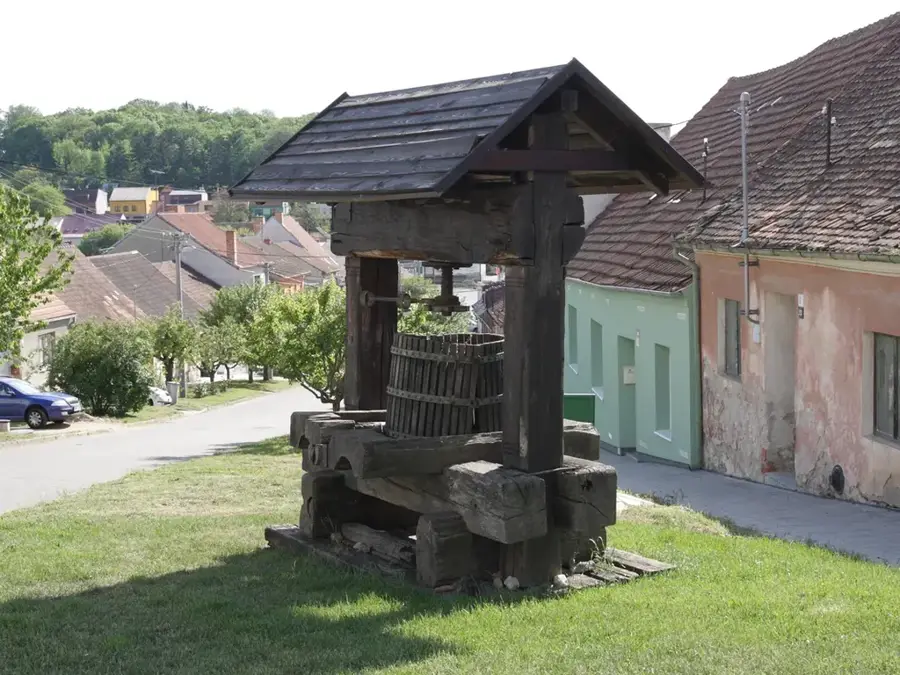
  • Center of the Moravian wine-growing region
  • Home to rare Pannonian steppe flora
  • Děvičky castle ruins date to the 13th century

Explore nearby

Notable places around
Route planner — Car & Motorhome

Where do you start? We build the route here, with stops and country notes along the way.

Vehicle
Only stops with (optional):

© OpenStreetMap contributors · OpenRouteService

Sights in the town Pálava Biosphere Reserve (7)

Archeopark Pavlov🏛 museum

A modern archaeological museum dedicated to the Paleolithic settlement of mammoth hunters.

🕒 Apr,Oct: Fr-Su 09:00-16:00; May,Jun,Sep: Tu-Su 09:00-17:00; 💶

národní přírodní rezervace Děvín – Kotel – Soutěska🌿 nature

A major nature reserve in the Pálava Hills featuring limestone cliffs and steppe vegetation.

národní přírodní památka Kalendář věků🌿 nature

A natural monument near Dolní Věstonice, known for its archaeologically significant loess profiles.

Děvičky🏰 castle

The easy on the eye ruins of a castle perched on a cliff above the Nové Mlýny reservoir.

Dům přírody Pálavy🏛 museum

A visitor center providing information about the nature and landscape of the Pálava Biosphere Reserve.

🕒 Apr,Oct Sa,Su 09:00-16:00; May-Jun Tu-Su 09:00-18:00; Jul-Au💶

Coffee Museum🏛 museum

A small museum dedicated to the history and culture of coffee drinking.

Obora📍 landmark

A mountain peak in the hilly landscape of the Pálava Biosphere Reserve.

Sights nearby

Frequently asked questions

What is Pálava known for?
For its limestone rocks, wine-growing, and archaeological finds (Venus of Dolní Věstonice).
How demanding is the hike to the Děvičky castle ruins?
The climb from Pavlov takes about 30-45 minutes and is steep but rewarding.
Which town is the gateway to Pálava?
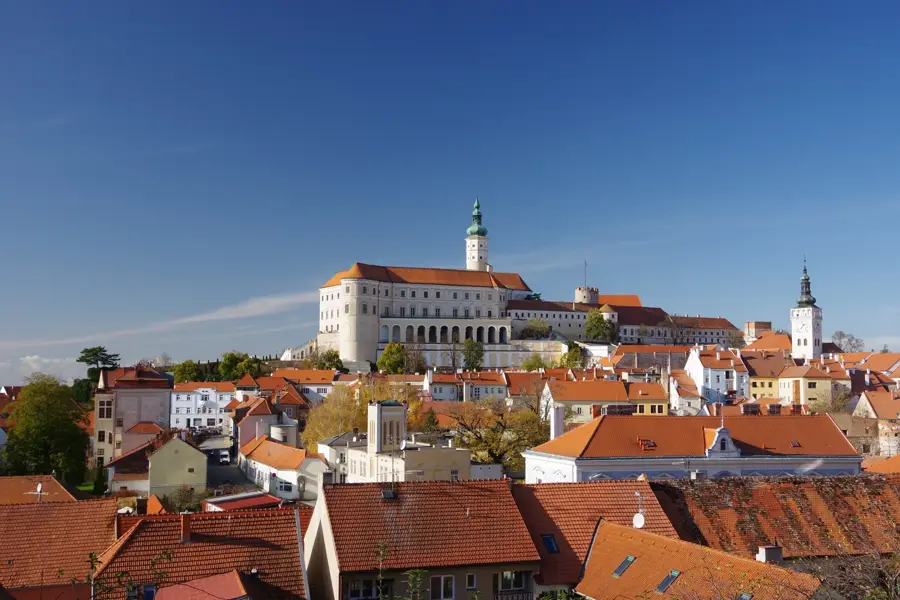
Mikulov is the convenient starting point for visiting the region.
Can you do wine tastings in Pálava?
Yes, the villages of Pavlov and Perná are famous for their wine cellars.
Are there lakes there?
Yes, the Nové Mlýny reservoirs are located right at the foot of the Pálava mountains.
Pálava Biosphere Reserve: where is it located?
Pálava Biosphere Reserve is located in Czech Republic.
Pálava Biosphere Reserve: what is there to see?
Highlights include Archeopark Pavlov, národní přírodní rezervace Děvín, Kotel, Soutěska, národní přírodní památka Kalendář věků.
Pálava Biosphere Reserve: when is the best time to visit?
The most pleasant time to visit is Jun, Aug.
Pálava Biosphere Reserve: why is it worth visiting?

The Pálava Biosphere Reserve encompasses the Pavlov Hills, a prominent limestone formation in South Moravia near the Austrian border.
View on map → The Top 50 Attractions → OpenStreetMap →
Europe
Explore with Plizio Discover more places in Europe
More places in Czech Republic →

Nearby cities

History & landmarks