Plizio Visual Lab
Dolní Věstonice
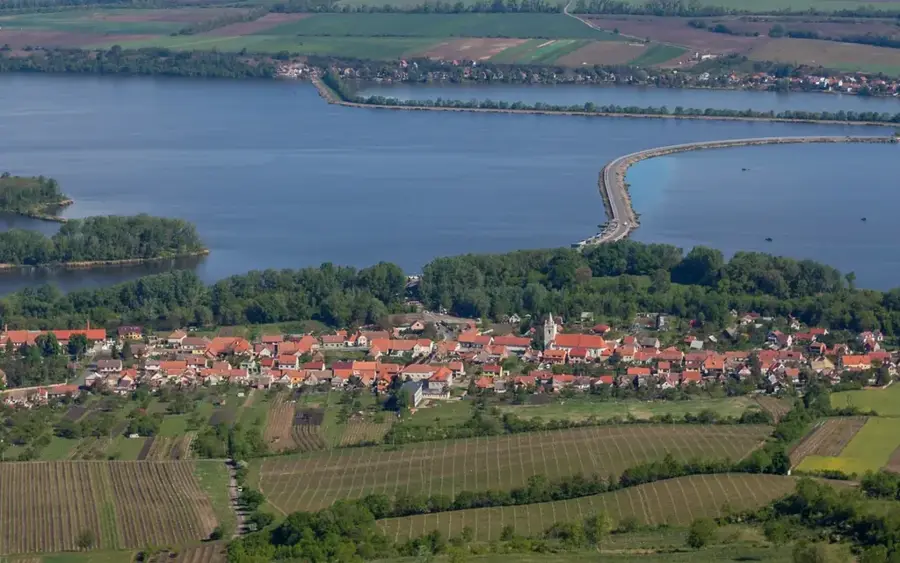
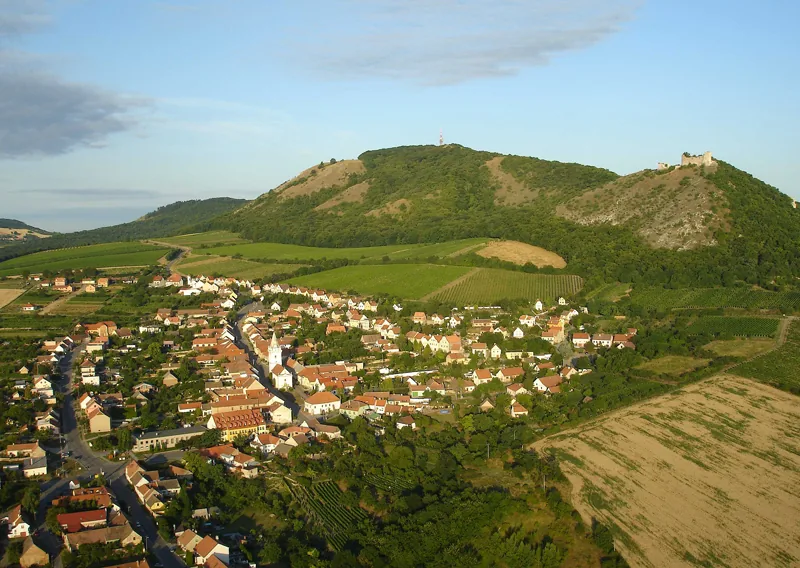
Dolní Věstonice is one of the world's most significant Upper Paleolithic archaeological sites, located at the base of the Pálava Hills in South Moravia. The site gained international fame with the discovery of the 'Venus of Dolní Věstonice', a small ceramic figurine of a nude female dated to approximately 25,000-29,000 BC. This artifact is one of the oldest known examples of fired clay sculpture in human history. Extensive excavations have revealed a settlement of mammoth hunters from the Pavlovian culture, showcasing advanced techniques in tool-making and artistic creation. In addition to the Venus, researchers found numerous animal figurines, remains of dwellings, and a mysterious triple burial that provides clues about Paleolithic social structures. Today, the local museum displays a replica of the Venus alongside many original finds, offering visitors a window into the daily life of Ice Age inhabitants. The site remains a cornerstone for understanding the early development of human art and communal living.
- Location: Czech Republic
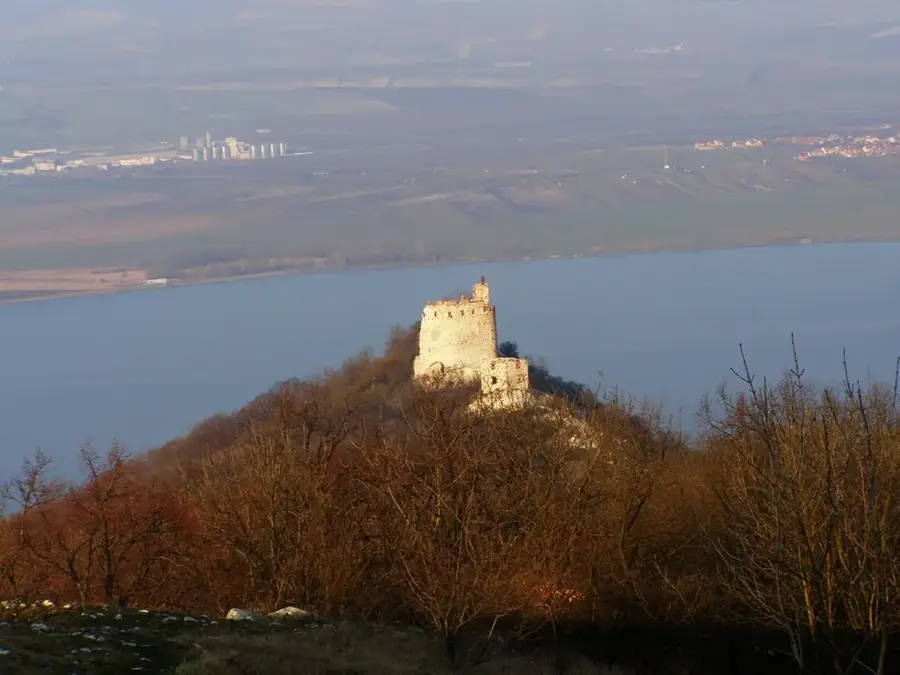
- Top sights: národní přírodní památka Kalendář věků · svatý Michal · Dům přírody Pálavy
- Nearby: Hustopeče (8 km)
Best time to visit & climate
The most pleasant time to visit is Jun–Aug.
| Jan | Feb | Mar | Apr | May | Jun | Jul | Aug | Sep | Oct | Nov | Dec | |
|---|---|---|---|---|---|---|---|---|---|---|---|---|
| Avg °C | -3 | -1 | 4 | 9 | 14 | 19 | 21 | 20 | 15 | 9 | 4 | -1 |
| Rain mm | 35 | 29 | 37 | 34 | 70 | 74 | 72 | 70 | 61 | 42 | 37 | 35 |
📋 Practical info
Geography
Facts
- The Venus of Dolní Věstonice was discovered on July 13, 1925, by archaeologist Karel Absolon.
- The figurine is only 11.1 centimeters tall and is made from a mixture of fired clay and bone ash.
- The site contains what is believed to be the oldest known ceramic kiln in the world.
- The famous triple burial discovered here features three adolescents in a unique ritual position.
- The Pavlovian culture settlement at this site flourished roughly 30,000 years ago.
- Due to its immense value, the original Venus is rarely displayed and is kept in Brno.
Explore nearby
Notable places around
Route planner — Car & Motorhome
Where do you start? We build the route here, with stops and country notes along the way.
© OpenStreetMap contributors · OpenRouteService
Sights in the town Dolní Věstonice (10)
sv. Oldřich
Church building in Strachotín.
Pavlov
Viewpoint overlooking the Pálava hills.
Archeopark Pavlov🏛 museum
Museum in the Czech Republic about Paleolithic archaeology.
sv. Barbory
Church building in Pavlov.
Děvín
Mountain in Břeclav District, Czech Republic, highest of the Pálava range.
Televizní vysílač Děvín🗼 tower
Television transmitter tower on Děvín mountain.
Sights nearby
Frequently asked questions
What is the Venus of Dolní Věstonice?
Can the original Venus be seen?
What does the archaeological museum offer?
Are there wine tastings nearby?
Is the place suitable for hiking?
Dolní Věstonice: where is it located?
Dolní Věstonice: what is there to see?
Dolní Věstonice: when is the best time to visit?
Dolní Věstonice: why is it worth visiting?

Nearby cities