Plizio Visual Lab
Vele Mune
ℹ️Practical info — Vele Mune
▾
🌤 Weather — 5 days
📍 Nearby
Sights nearby
💡 Tips
- Use the village as a base for hiking up Mt. Gomila for a great panoramic view of the karst region.
- Pack a jacket even in summer, as the Ćićarija area is significantly cooler than the coastal towns.
- Check border regulations if exploring nearby trails, as the village is very close to the Slovenian border.
- Visit in winter to experience the traditional 'Munski zvončari' (bell-ringers) folklore event.
🍽 Food
A hearty bean and corn stew, often enriched with dried meat, typical for this mountain village.
Due to the forested surroundings, local inns often serve wild boar or venison goulash.
A traditional curd cheese made from sheep or cow milk, sourced from the Ćićarija pastures.
🛍 Shopping · 🧘 Quiet spots
A dark, aromatic honey produced in the untouched forests of the Ćićarija mountain range.
Dried herbs for teas, hand-collected by locals from the surrounding mountain meadows.
Numerous trails lead through dense beech forests, offering absolute silence and fresh air.
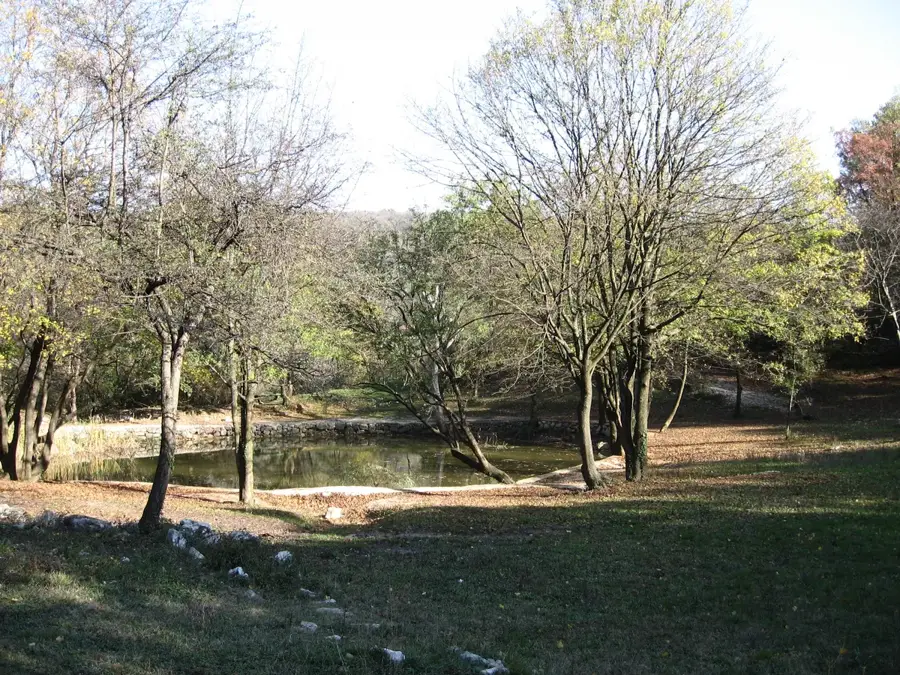
A quiet spot under old trees, well-suited for observing the traditional architecture of the settlement.
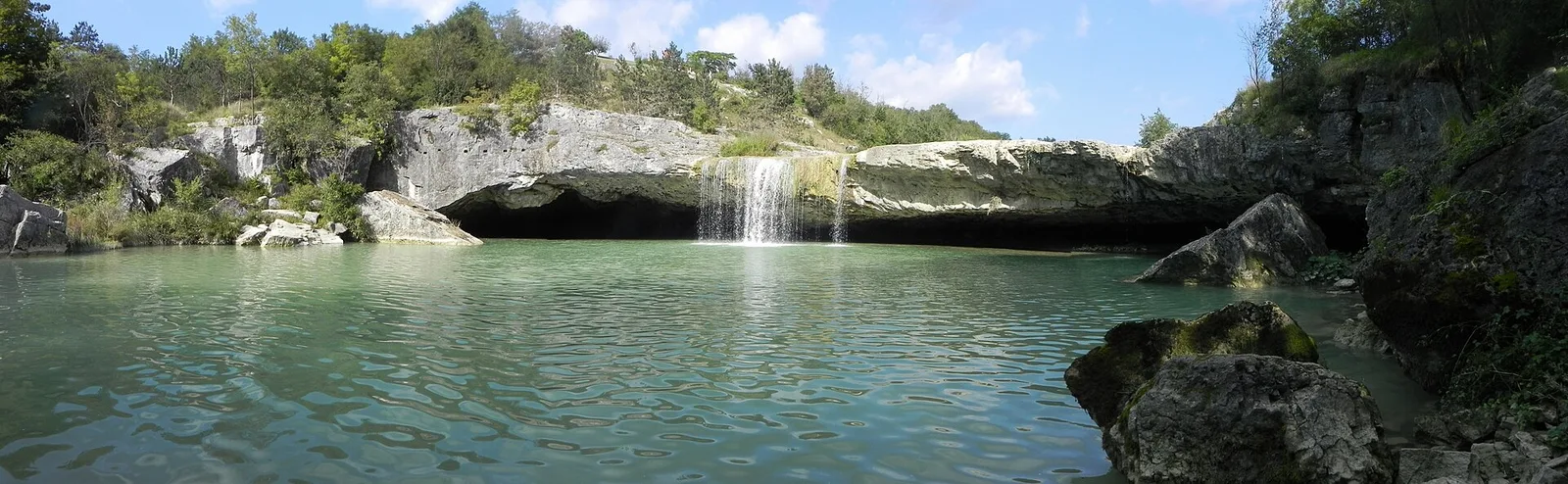
Water temperature…
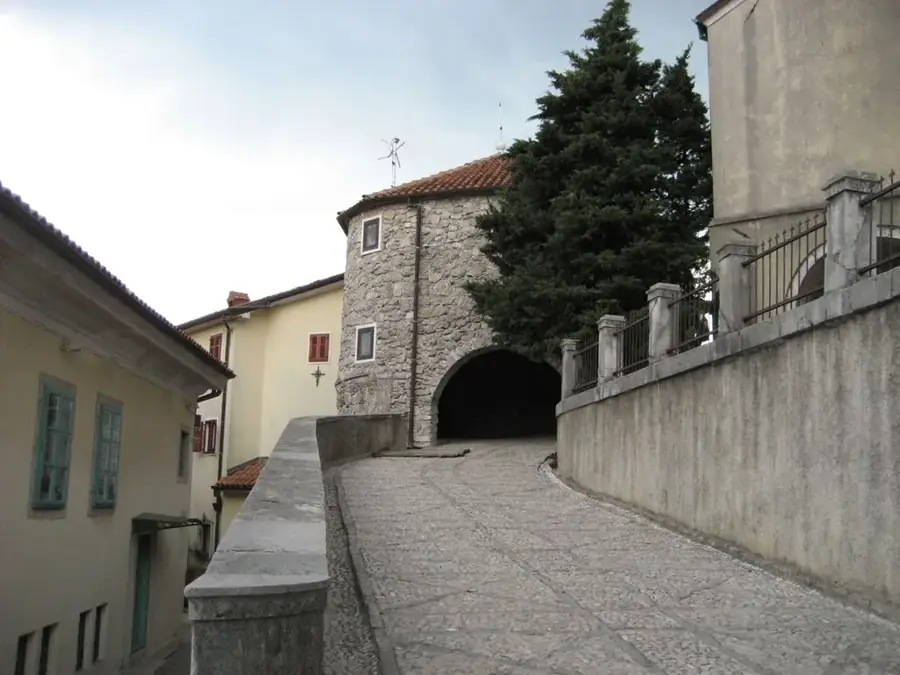
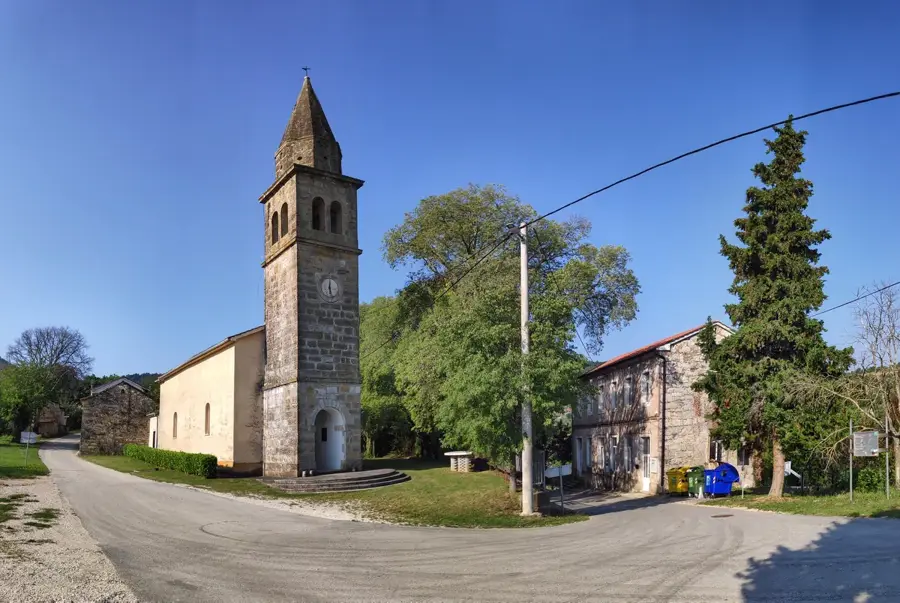
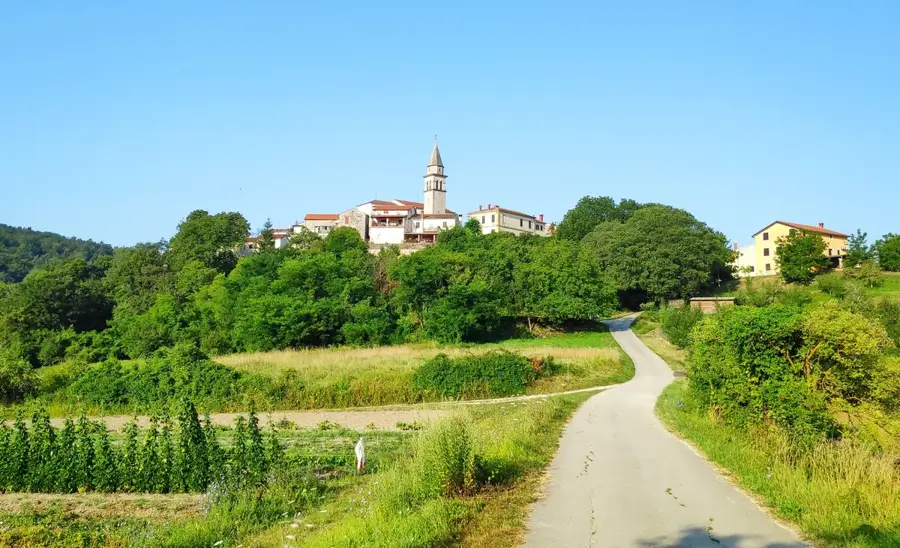
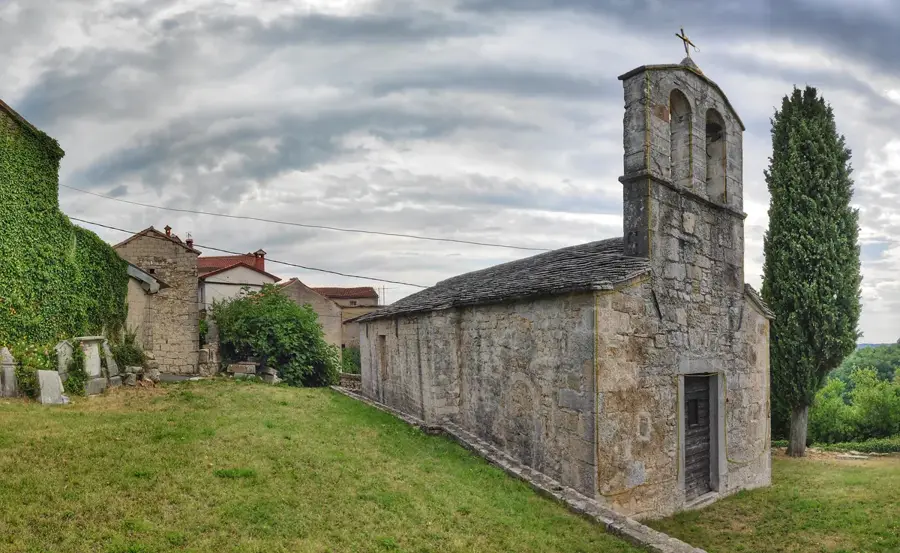
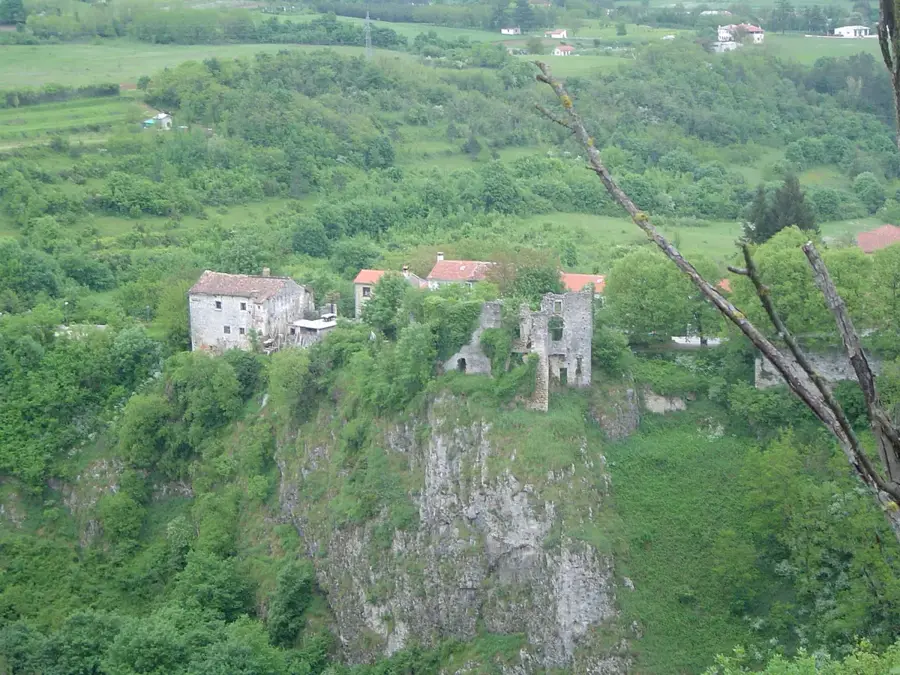
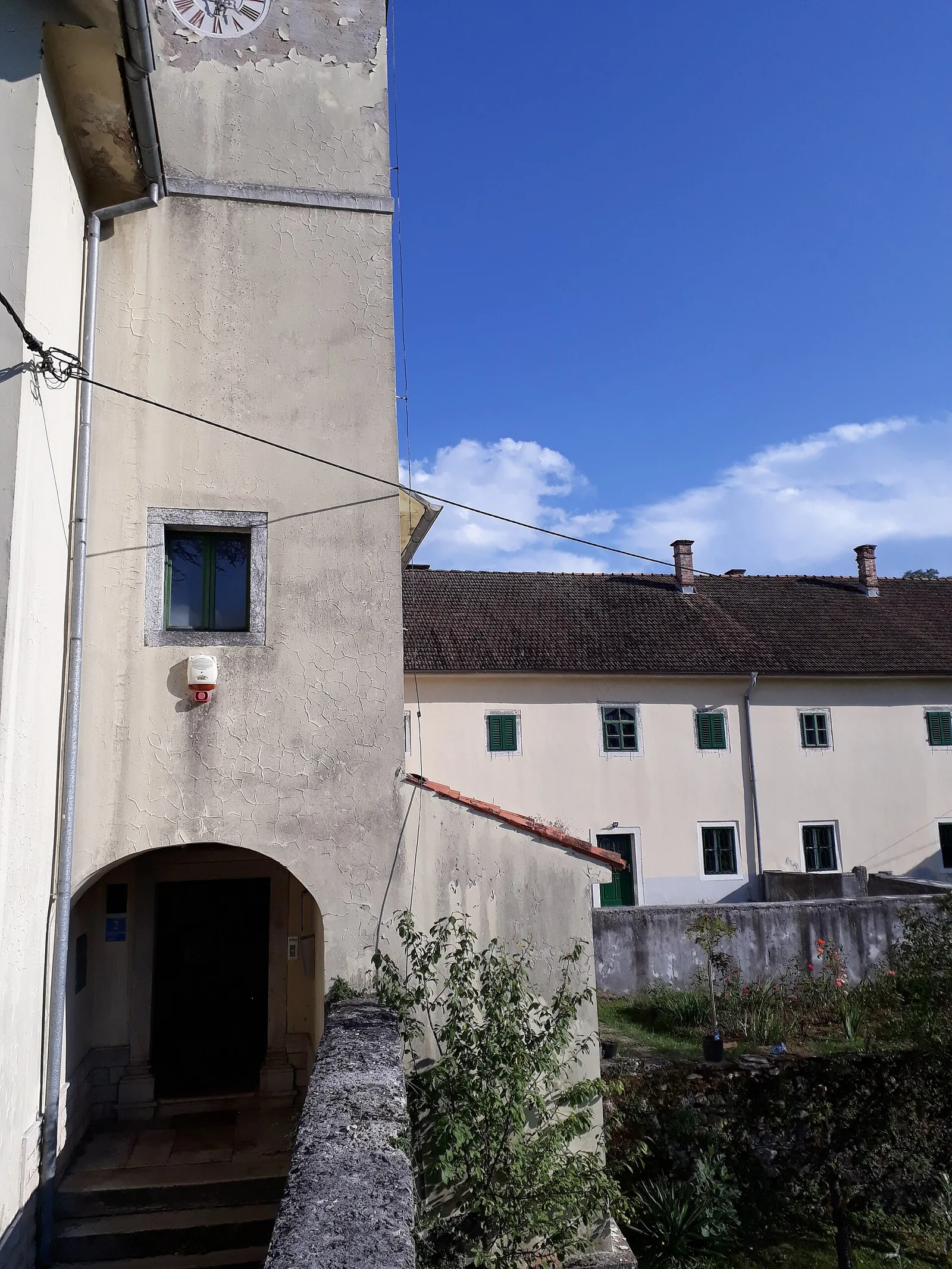
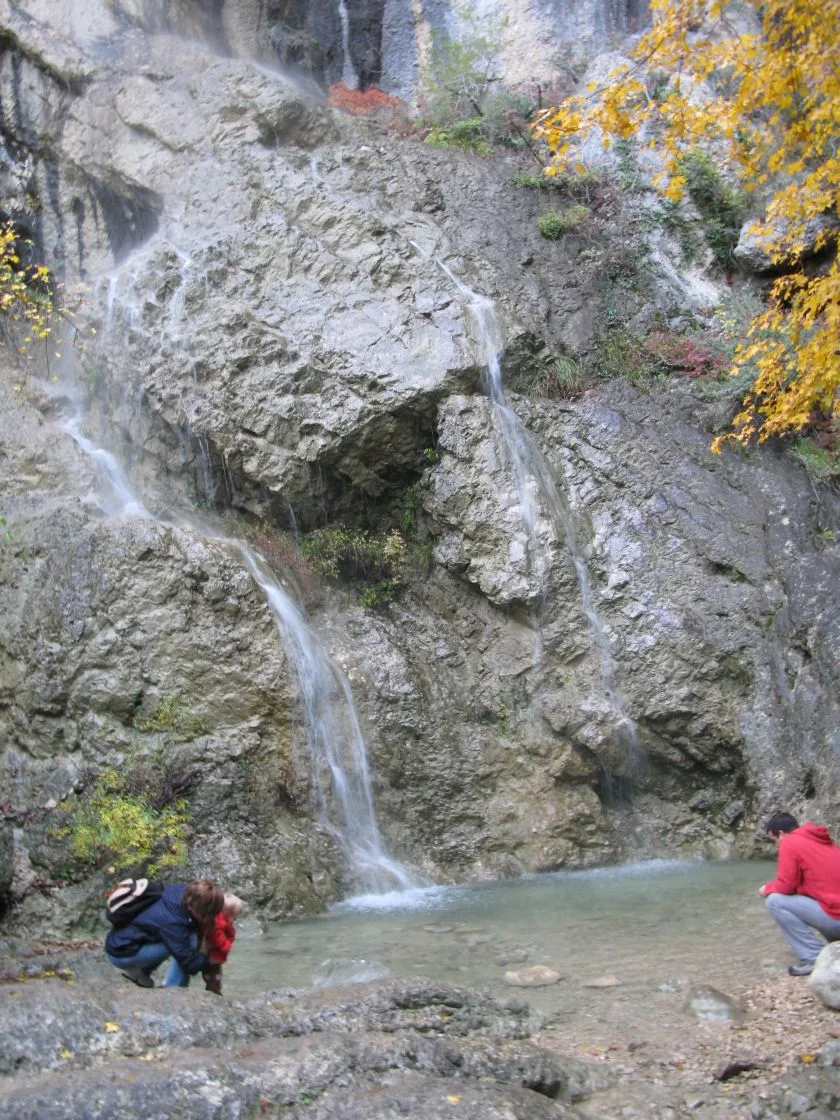
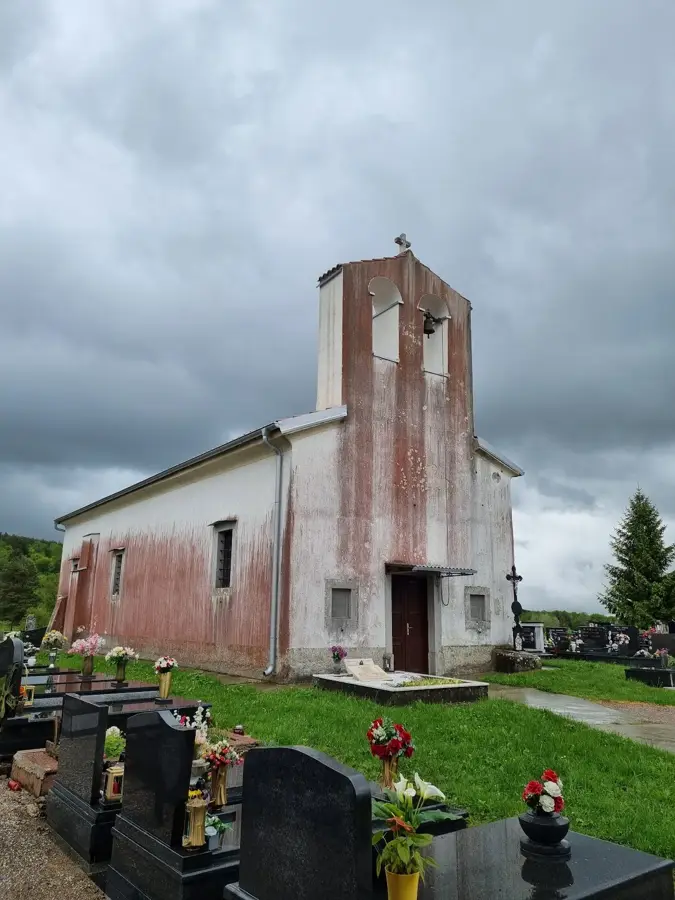
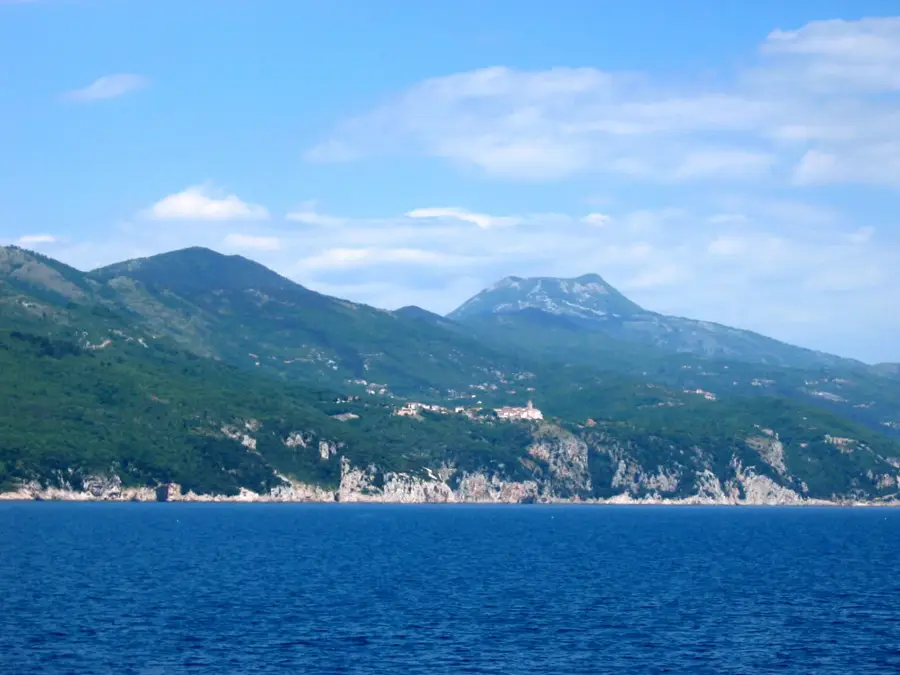
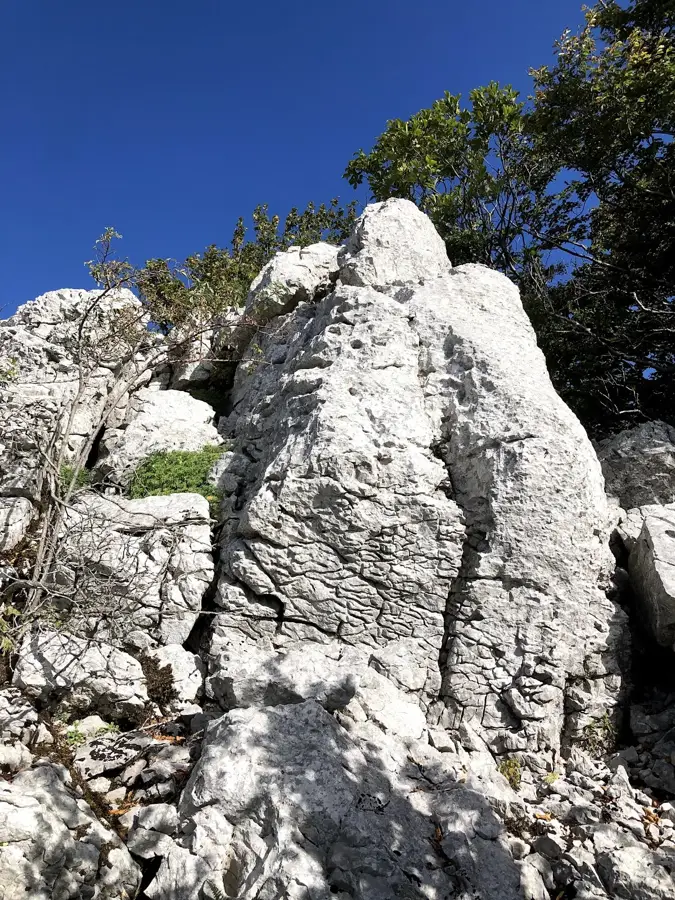
Vele Mune is located in the northern part of Primorje-Gorski Kotar County, near the border with Slovenia. The village sits on a high plateau of the Ćićarija mountains and is surrounded by an impressive karst landscape. Historically, the place was an important hub for trade between the Istrian hinterland and Central Europe. The architecture is solid and functional, characterized by stone buildings that withstand the harsh mountain winters. Vele Mune has preserved its rustic charm and cultural identity over the centuries. The region is particularly known for its 'Zvonečari' (bell ringers) tradition, which is part of the UNESCO intangible world heritage. Even if the main centers of this tradition are closer to Matulji, the spirit of this custom is alive in Vele Mune. The village is an excellent starting point for hikes to the surrounding peaks such as Žbevnica or through the untouched forests of Ćićarija. The flora here is unique, with many endemic alpine flowers thriving on the calcareous soils. Gastronomy in Vele Mune is down-to-earth and nutritious. Specialties such as jota (stew with beans and sauerkraut), homemade cheese, and honey are typical of the region. There are no large hotels, but some authentic guesthouses allow for a return to nature. The climate is refreshing in summer, offering a welcome cool-down from the heat of the nearby Opatija Riviera. Those who visit Vele Mune immerse themselves in a world of silence, tradition, and Croatia's rugged alpine beauty.
- Location: Croatia
- Nearby: Pasjak (6 km)
- Population: ~119
Best time to visit & climate
The most pleasant time to visit is Jun–Aug.
| Jan | Feb | Mar | Apr | May | Jun | Jul | Aug | Sep | Oct | Nov | Dec | |
|---|---|---|---|---|---|---|---|---|---|---|---|---|
| Avg °C | 4 | 4 | 8 | 12 | 16 | 21 | 23 | 23 | 18 | 14 | 9 | 5 |
| Rain mm | 68 | 83 | 72 | 69 | 89 | 74 | 60 | 79 | 113 | 102 | 123 | 96 |
Geography
Facts
- Ćićarija mountains
- Near Slovenia
- Zvonečari tradition
- High plateau location
- Žbevnica hiking trails
- Karst flora
- Border history
- Fresh mountain climate
Explore nearby
Notable places around
Route planner — Car & Motorhome
Where do you start? We build the route here, with stops and country notes along the way.
© OpenStreetMap contributors · OpenRouteService
Frequently asked questions
Where is Vele Mune located?
Which mountain range is nearby?
What is the weather like there?
Can you go cycling there?
Are there historical buildings?
Vele Mune: where is it located?
Vele Mune: when is the best time to visit?
Vele Mune: why is it worth visiting?

Nearby cities