Plizio Visual Lab
Žejane
ℹ️Practical info — Žejane
▾
🌤 Weather — 5 days
📍 Nearby
Sights nearby
💡 Tips
- Visit on January 6th (Epiphany) at midnight to witness the start of the Carnival season and the 'Zvončari' bell-bearers ritual.
- Listen for the unique Istro-Romanian language (Žejanski), a severely endangered Romance language still spoken here.
- Check out the Heritage Center in the old school building for a small but fascinating ethnographic collection.
- Visit in early August for the local folklore festival to see traditional dances and hear the ancient 'bugarenje' singing style.
- Use the village as a base for hiking the Ćićarija mountains, which offer a wilder experience than the Učka peaks.
🍽 Food
A traditional mountain dish made of pickled turnips and cabbage, usually served with dried meats.
Look for local producers of sage, heather, or forest honey, famous for its medicinal properties.
A hard, flavorful cheese made from sheep grazing on the high-altitude pastures.
🛍 Shopping · 🧘 Quiet spots
Handmade replicas of the traditional bell-bearers' hats with long paper ribbons.
Buy directly from 'OPG' signs in the village for the most authentic mountain honey.
The nearby town market is the best place for a wider variety of Istrian oils and pasta.
A moderate trail through beech forests leading to a peak with a memorable view of the Kvarner Bay.
A 4.2 km paved path circling the village, first-rate for a peaceful walk in the karst valley.
The highest peak of the Ćićarija massif, much less crowded than the popular Učka trails.
Water temperature…
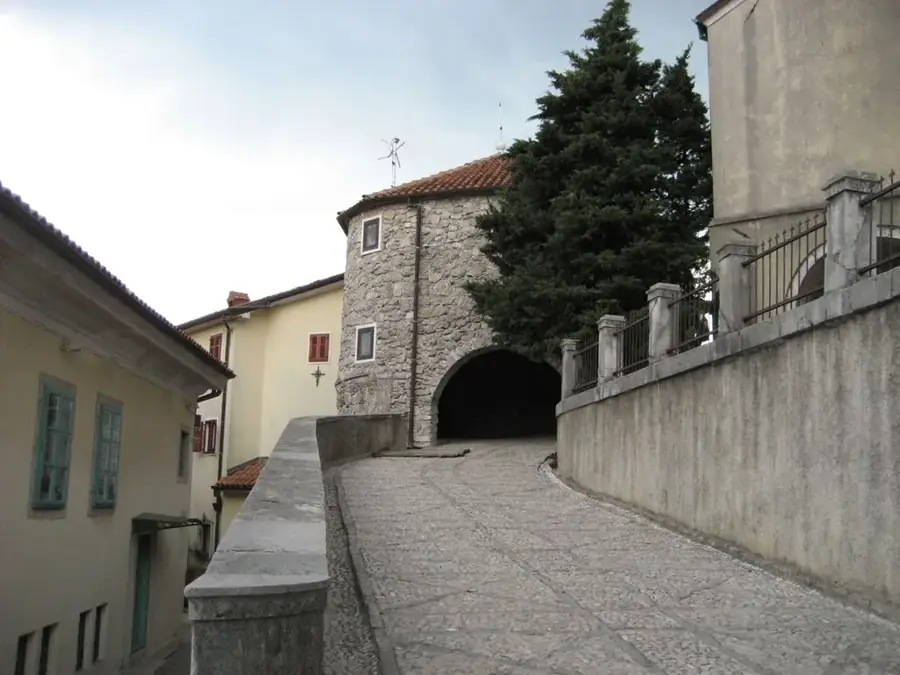
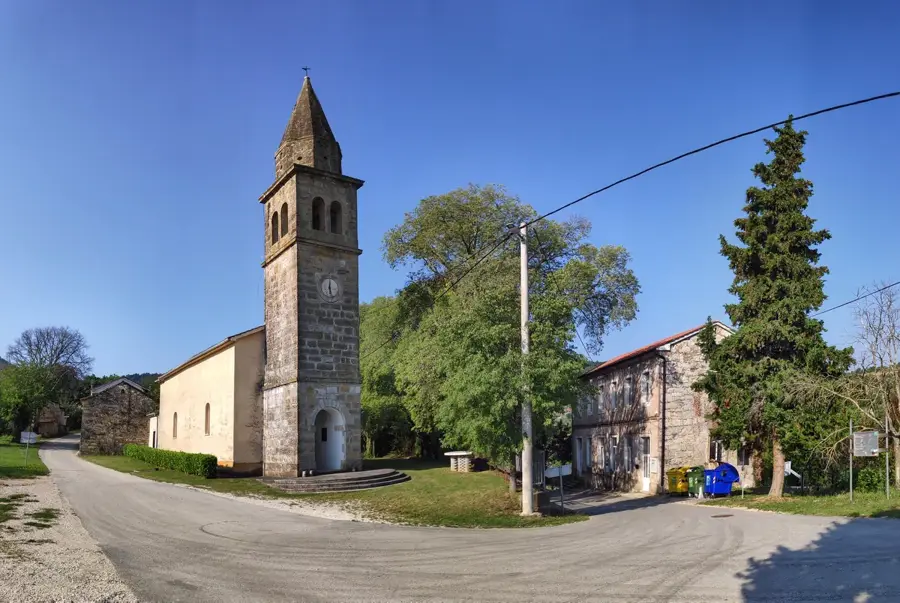
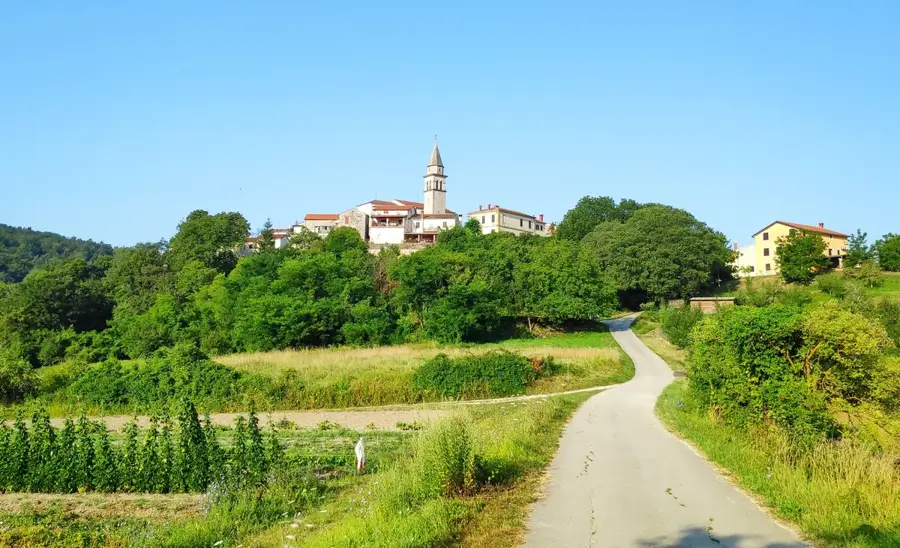
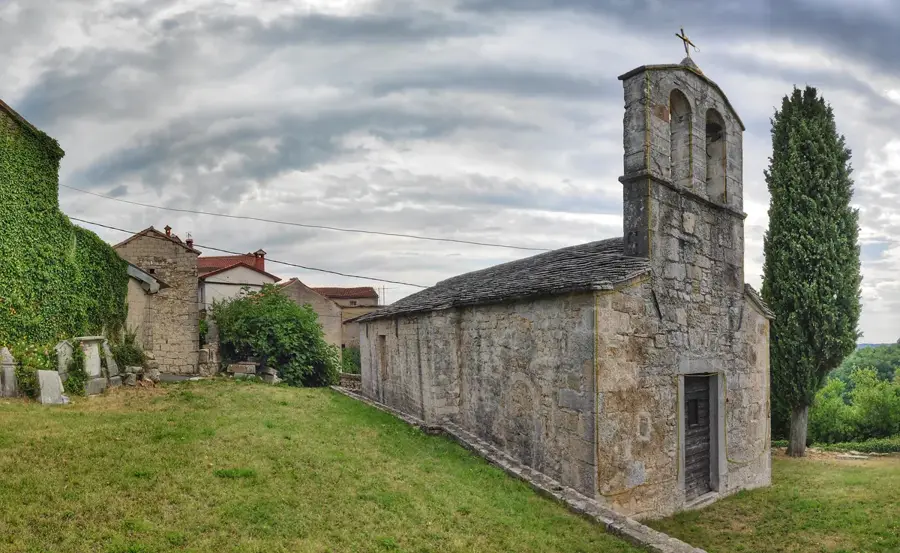
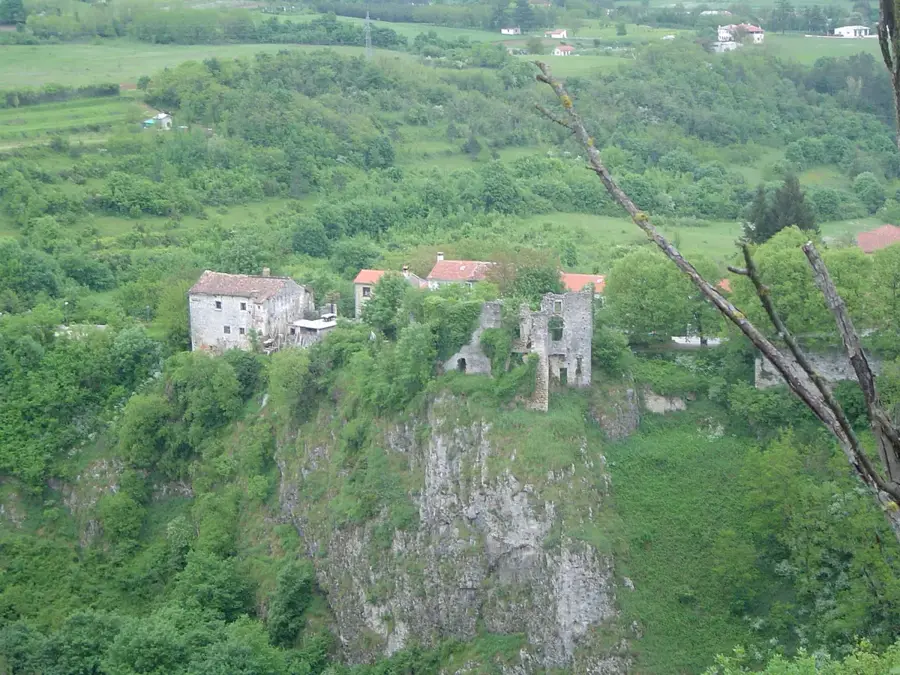
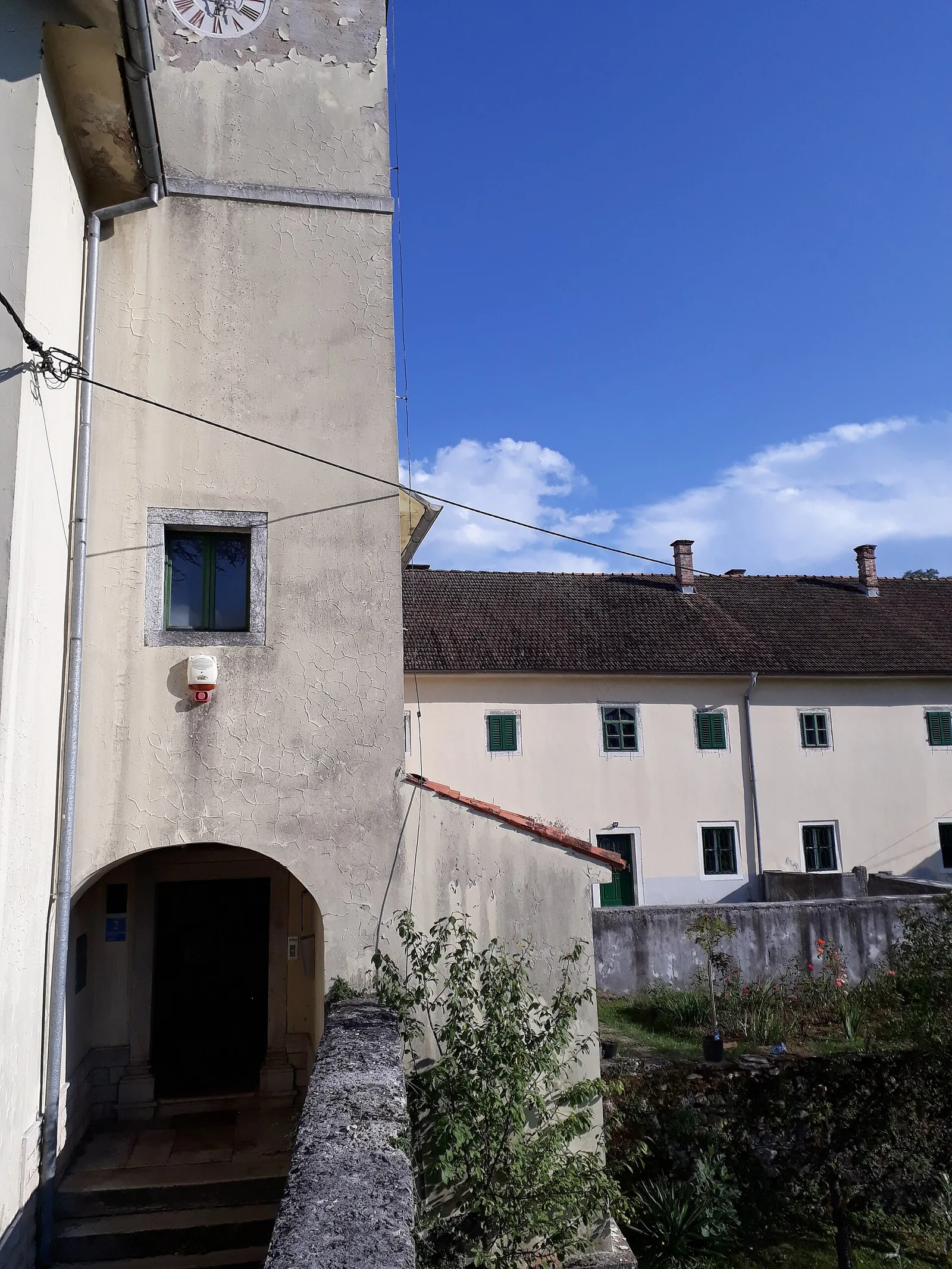
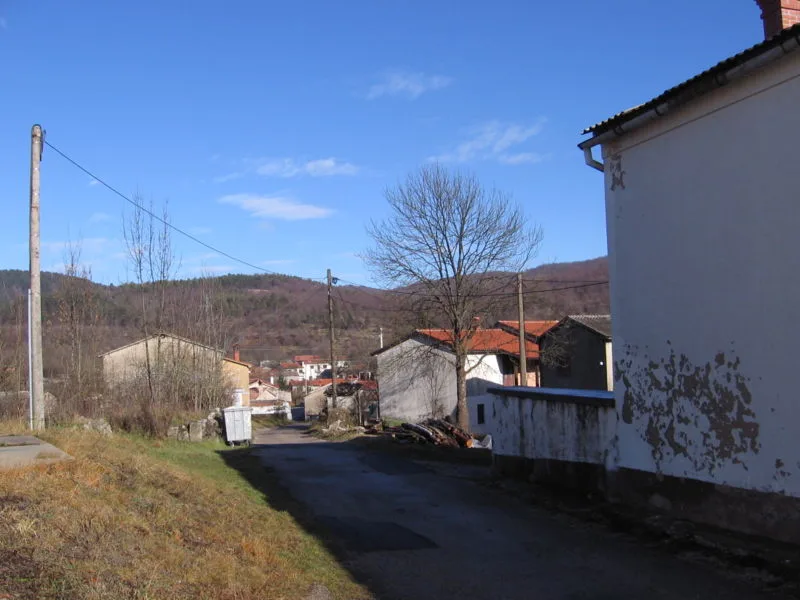
Žejane is located in the lonely heights of Ćićarija in the north of the Istrian peninsula. The village is of inestimable cultural value as it is home to the Istro-Romanian language (Žejanski), which is on the verge of extinction. This linguistic uniqueness makes the place a destination for researchers and culture enthusiasts from all over Europe. Žejane is most famous for its carnival tradition. The Žejanski Zvončari wear characteristic masks with sheepskins and large bells to drive away winter. Their rhythmic dance through the village is an archaic spectacle that takes place every year in January and February. The surroundings offer excellent opportunities for mountain hiking and mountain biking in an almost alpine landscape. Traditional dishes of the region are based on forest fruits, mushrooms, and hearty stews. The architecture is characterized by simple mountain houses that withstand the region's harsh winters. A visit to Žejane is a journey back in time to an almost forgotten piece of Europe.
- Location: Croatia
- Nearby: Pasjak (6 km)
- Population: ~105
Best time to visit & climate
The most pleasant time to visit is Jun–Aug.
| Jan | Feb | Mar | Apr | May | Jun | Jul | Aug | Sep | Oct | Nov | Dec | |
|---|---|---|---|---|---|---|---|---|---|---|---|---|
| Avg °C | 4 | 4 | 8 | 12 | 16 | 21 | 23 | 23 | 18 | 14 | 9 | 5 |
| Rain mm | 68 | 83 | 72 | 69 | 89 | 74 | 60 | 79 | 113 | 102 | 123 | 96 |
Geography
Facts
- Ćićarija mountains
- Istro-Romanian language
- Zvončari tradition
- Carnival location
- Mountain houses
- Hiking paradise
- Archaic customs
- Near Učka Nature Park
Explore nearby
Notable places around
Route planner — Car & Motorhome
Where do you start? We build the route here, with stops and country notes along the way.
© OpenStreetMap contributors · OpenRouteService
Sights in the town Žejane (1)
Frequently asked questions
What is special about the language in Žejane?
What folk custom is famous in Žejane?
Where is Žejane located?
What can you do in the surroundings?
Are there accommodation options?
Žejane: where is it located?
Žejane: when is the best time to visit?
Žejane: why is it worth visiting?

Nearby cities