Plizio Visual Lab
Splitska
ℹ️Practical info — Splitska
▾
🌤 Weather — 5 days
📍 Nearby
Sights nearby
💡 Tips
- Hike to the ancient Rasohe quarry to see the relief of Hercules carved directly into the rock face.
- Splitska's harbor was the shipping point for the stone used to build Diocletian's Palace in Split.
- Walk along the coastal path to Postira (approx. 45 minutes); the route gives great views and small swimming coves.
- Park in the village center only in marked areas, as the narrow streets by the harbor are often closed to traffic.
- Look for the 16th-century fortified Cerinić family manor in the heart of the village.
🍽 Food
An ancient Brač specialty made from lamb offal, which should be pre-ordered in local taverns.
A traditional nut-rich cake from the Dol/Splitska area, made to resemble the local stone.
Taste the oil in the small presses around the area; it is considered one of Croatia's best.
🛍 Shopping · 🧘 Quiet spots
Small bowls, mortars, or candle holders made from the famous white Brač stone.
Available directly from winemakers in surrounding villages like Škrip or Postira.
A quiet bay not far from the center, convenient for swimming in peaceful surroundings.
The ruins of the early medieval church offer a solitary place of silence.
Water temperature…
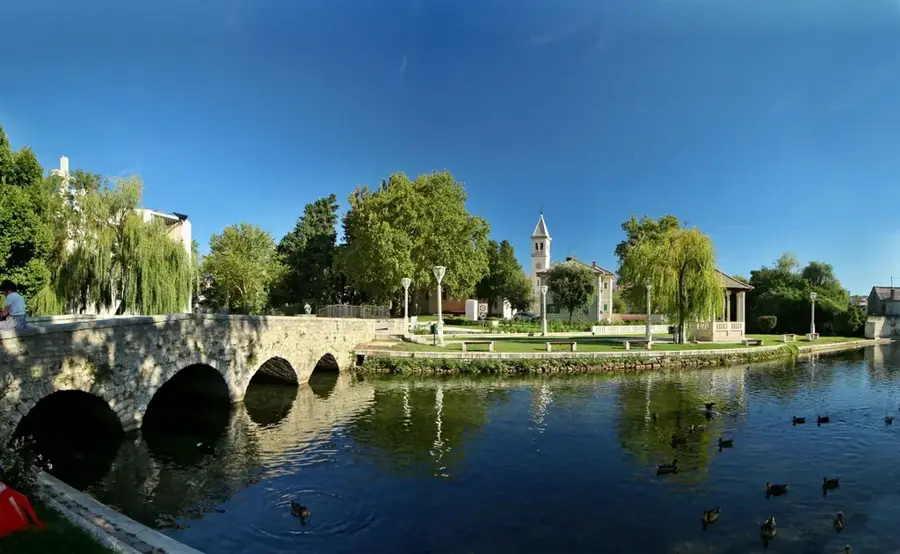
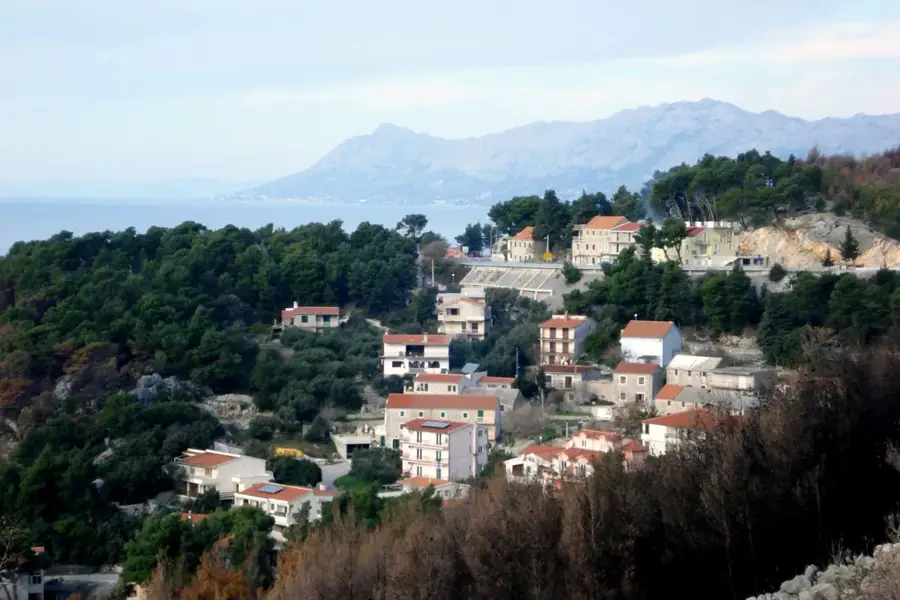
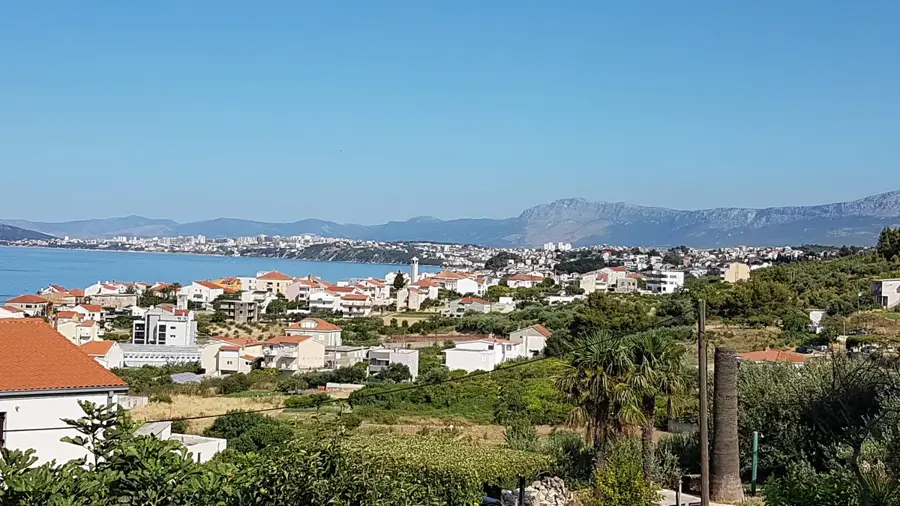
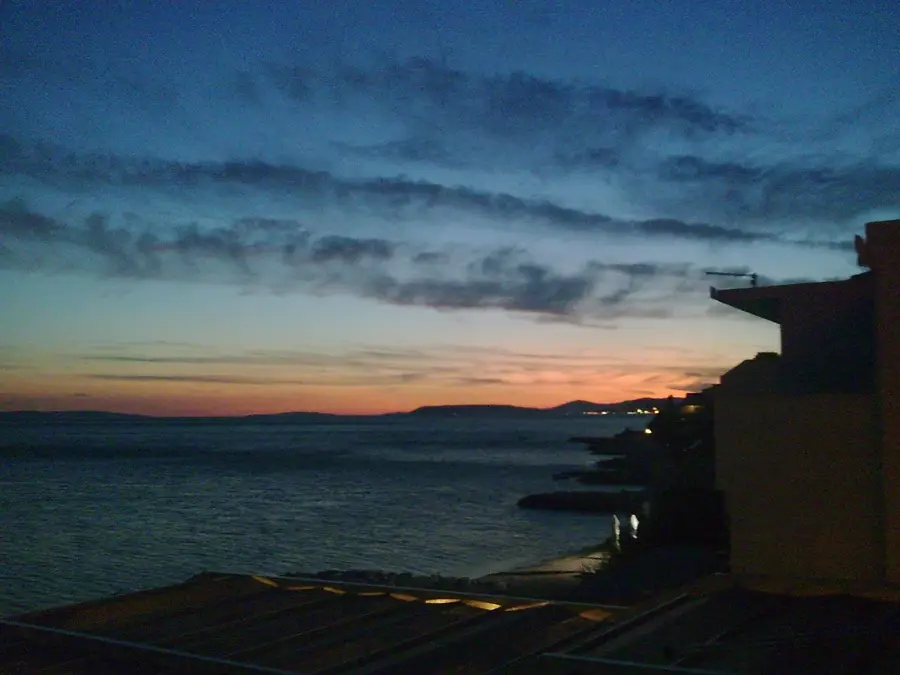
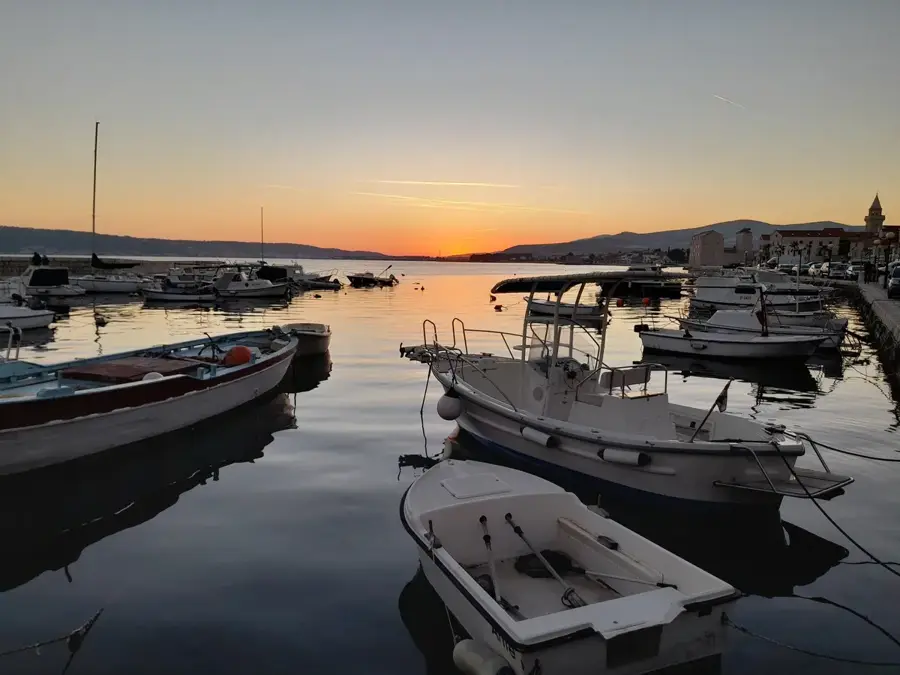
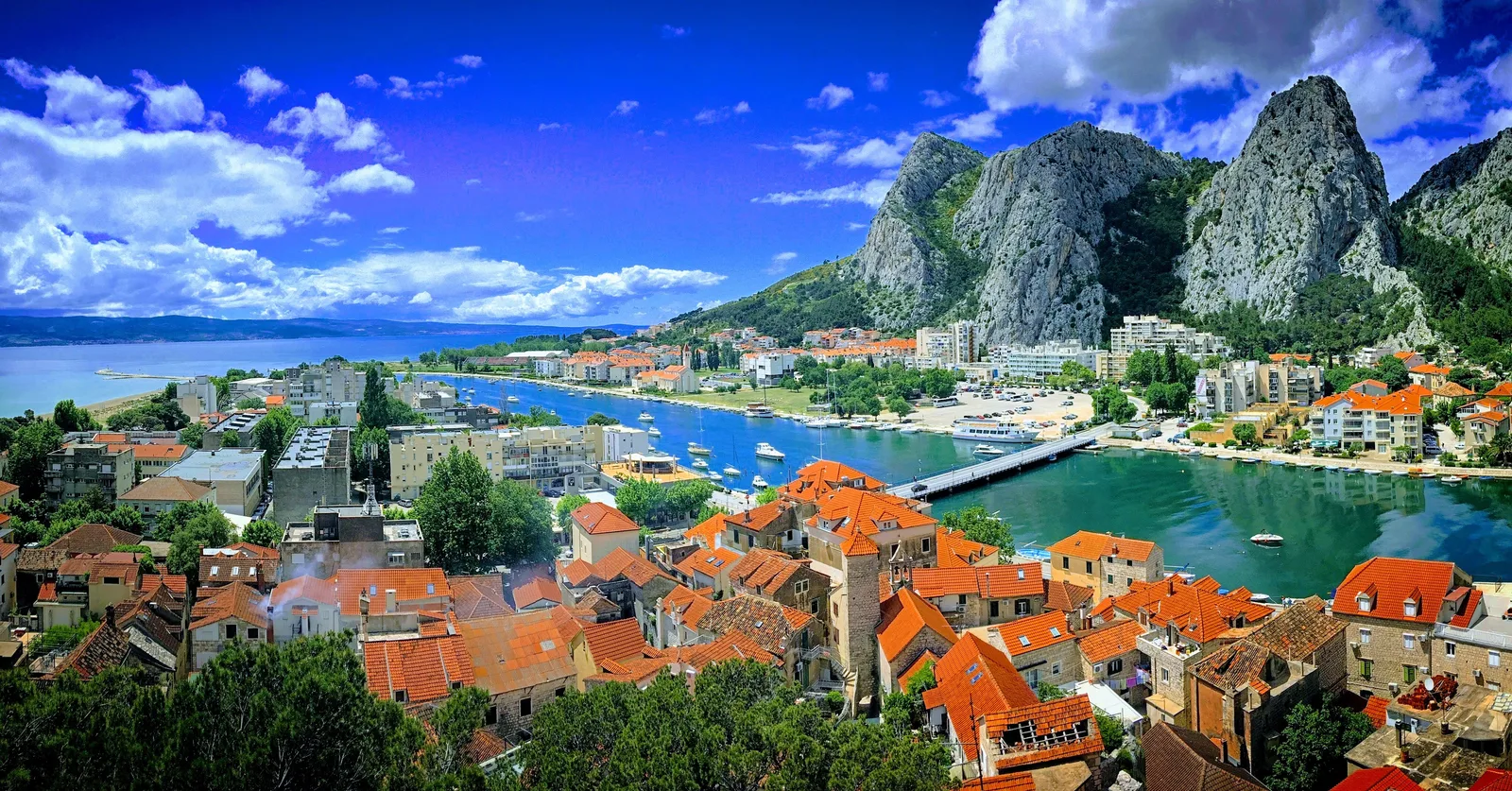
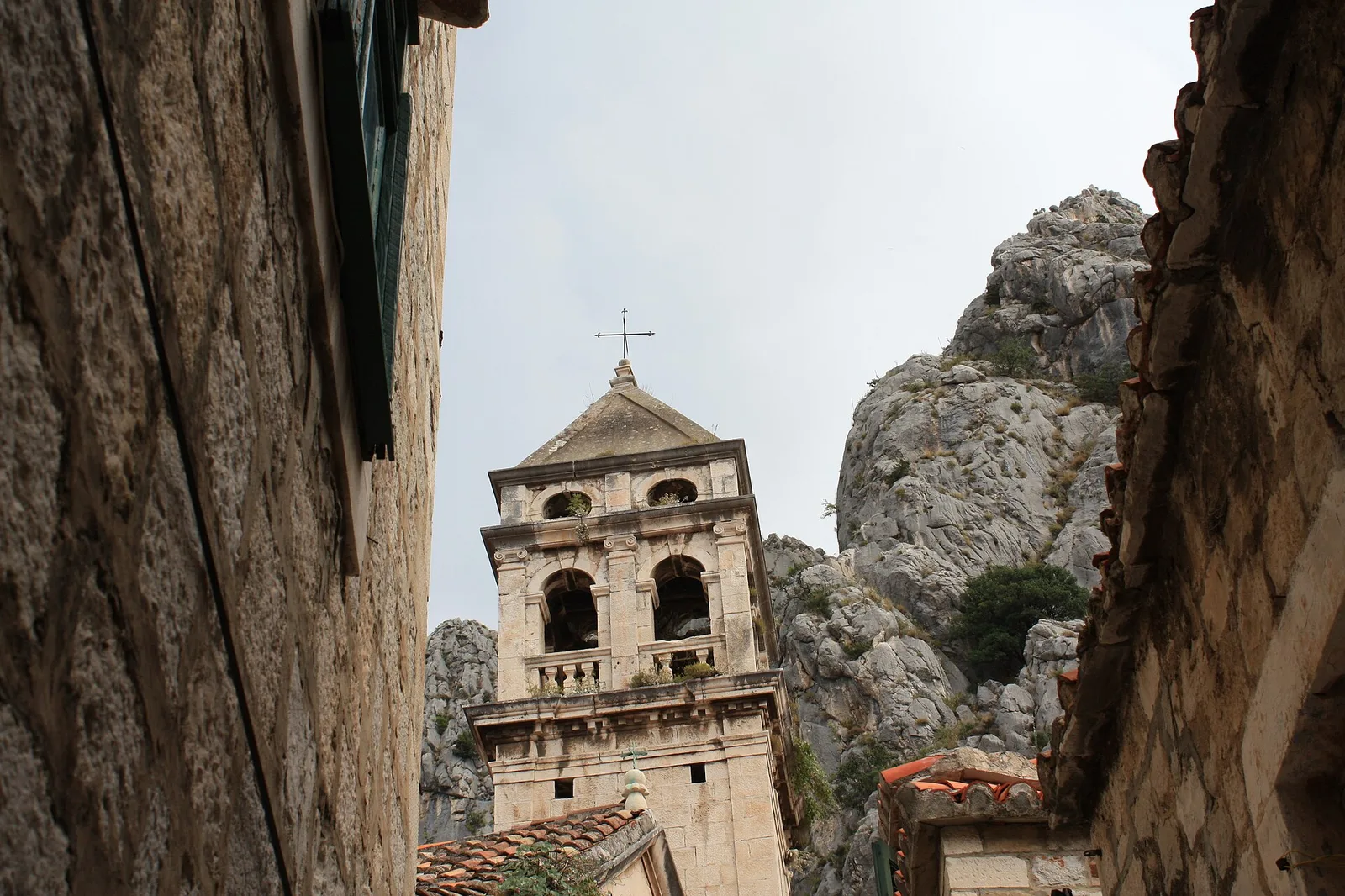
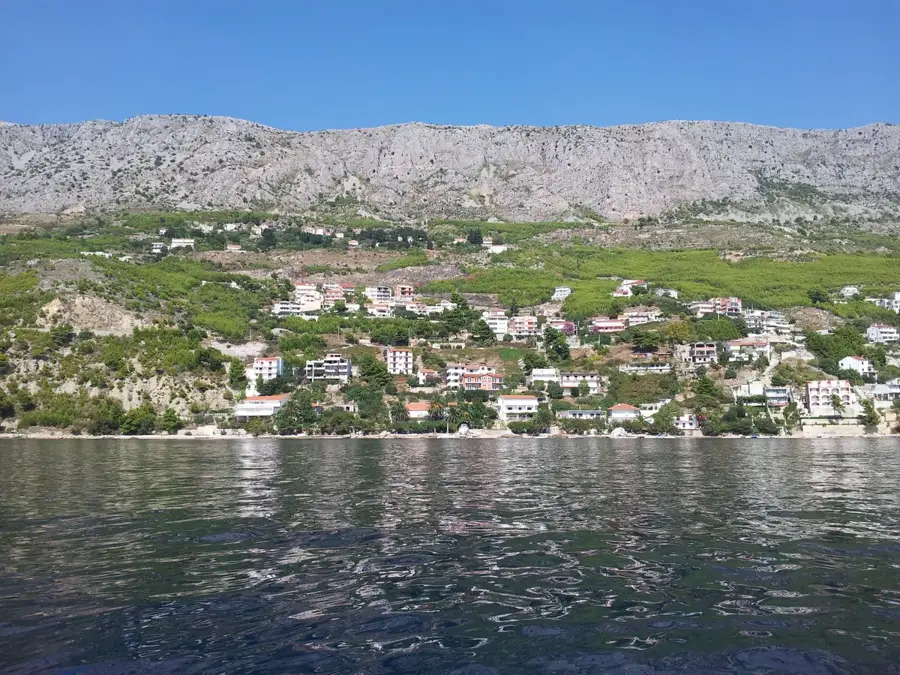
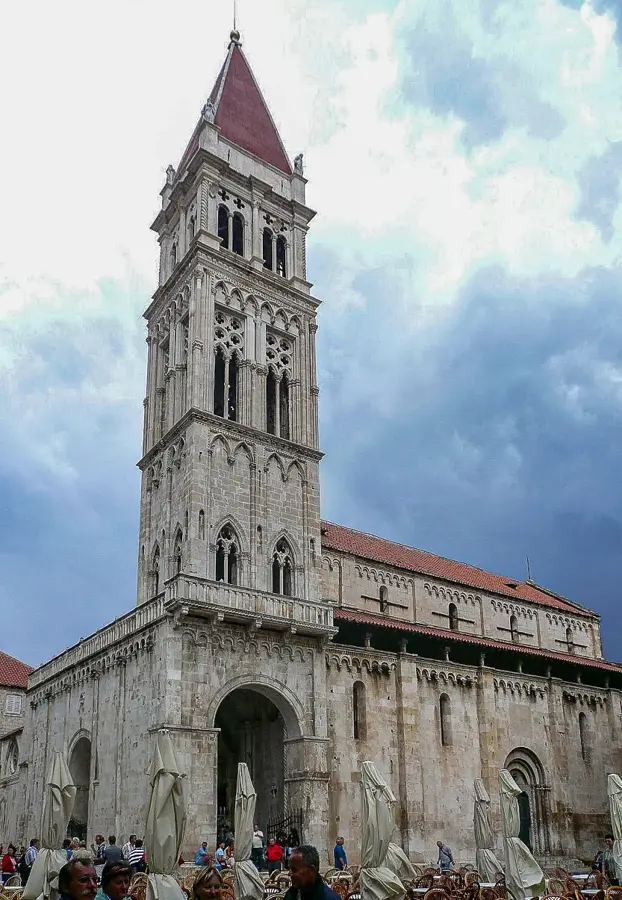
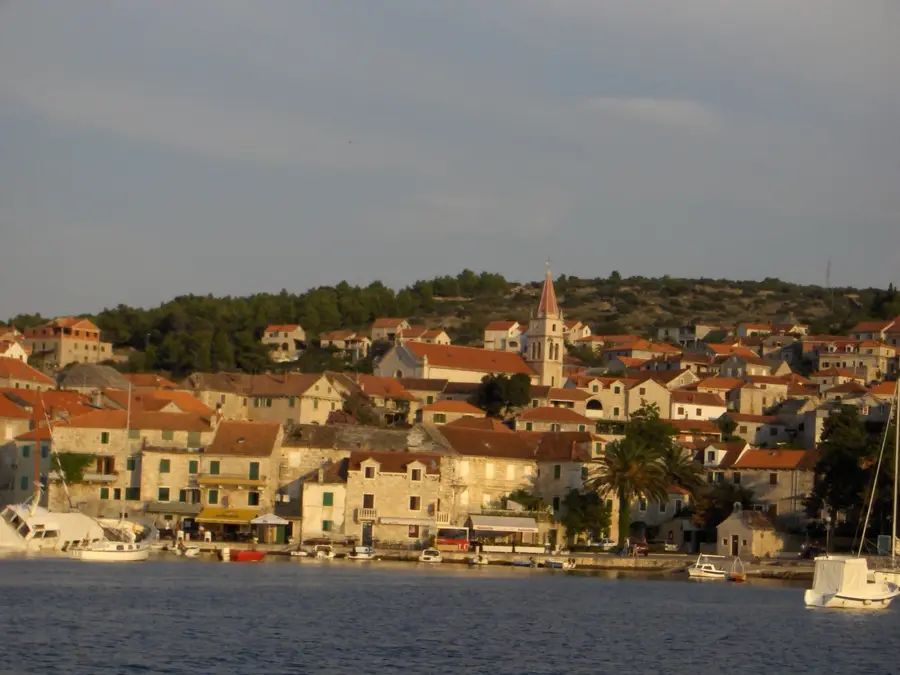
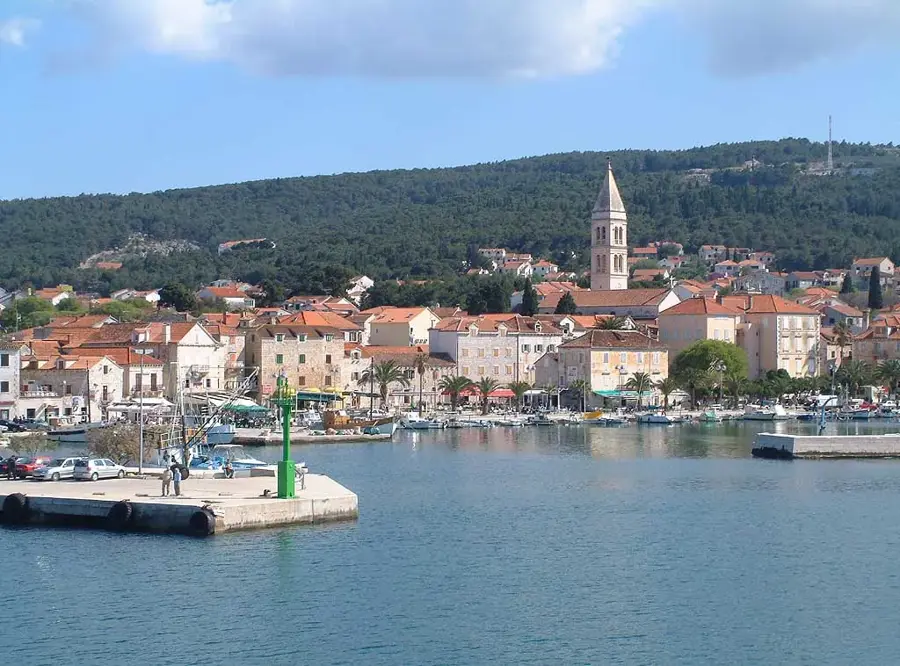
Splitska is located in a deep, forested bay on the north coast of Brač island. The village has a fascinating history: in antiquity, it served as a port for transporting the famous white Brač stone used for the construction of Diocletian's Palace in Split. Near the village, the ancient quarries of Rasohe can still be found today, where a relief of Hercules carved directly into the rock by Roman stonemasons can be admired. The village landscape is characterized by grand Renaissance houses and an elegant waterfront promenade. The most prominent building is the Church of St. Mary in the village center. Splitska is known for its tranquility and is a well-suited place for guests wanting to escape the hustle of larger tourist centers. Nearby bays offer secluded swimming spots under pine trees. Culinary-wise, Splitska pampers its visitors with lamb specialties typical of Brač island, along with excellent wine and olive oil. A walk to neighboring Postira or a hike through olive groves in the hinterland provides wonderful views of the Brač channel and the Biokovo mountain massif on the mainland.
- Location: Croatia
- Top sights: Hercules · Punta Vrilo · Žalo
- Nearby: Supetar (4 km)
- Population: ~352
Best time to visit & climate
The most pleasant time to visit is Jun, Jul, Sep.
| Jan | Feb | Mar | Apr | May | Jun | Jul | Aug | Sep | Oct | Nov | Dec | |
|---|---|---|---|---|---|---|---|---|---|---|---|---|
| Avg °C | 7 | 7 | 10 | 13 | 18 | 22 | 25 | 25 | 21 | 17 | 13 | 8 |
| Rain mm | 91 | 89 | 78 | 65 | 57 | 51 | 29 | 41 | 90 | 88 | 126 | 116 |
Geography
Facts
- Brač island
- Ancient quarry of Rasohe
- Relief of Hercules
- Stone source for Diocletian's Palace
- Renaissance summer houses
- Church of St. Mary
- Protected forested bay
- Typical Brač lamb dishes
Explore nearby
Notable places around
Route planner — Car & Motorhome
Where do you start? We build the route here, with stops and country notes along the way.
© OpenStreetMap contributors · OpenRouteService
Sights in the town Splitska (6)
Frequently asked questions
Why is Splitska historically significant?
Can the Roman quarries be visited?
Are there swimming spots in Splitska?
How do you get from Supetar to Splitska?
Is the village suitable for a quiet holiday?
Splitska: where is it located?
Splitska: what is there to see?
Splitska: when is the best time to visit?
Splitska: why is it worth visiting?

Nearby cities