Plizio Visual Lab

Kornati Islands
Plizio editorial teamData Sources
park
—°1
Kornati Islands (Croatia)

Weather…

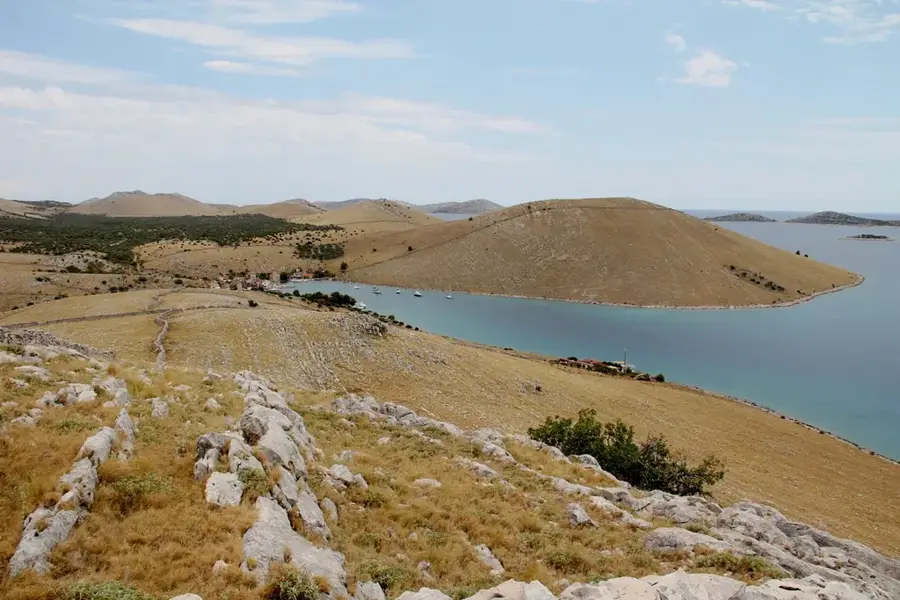
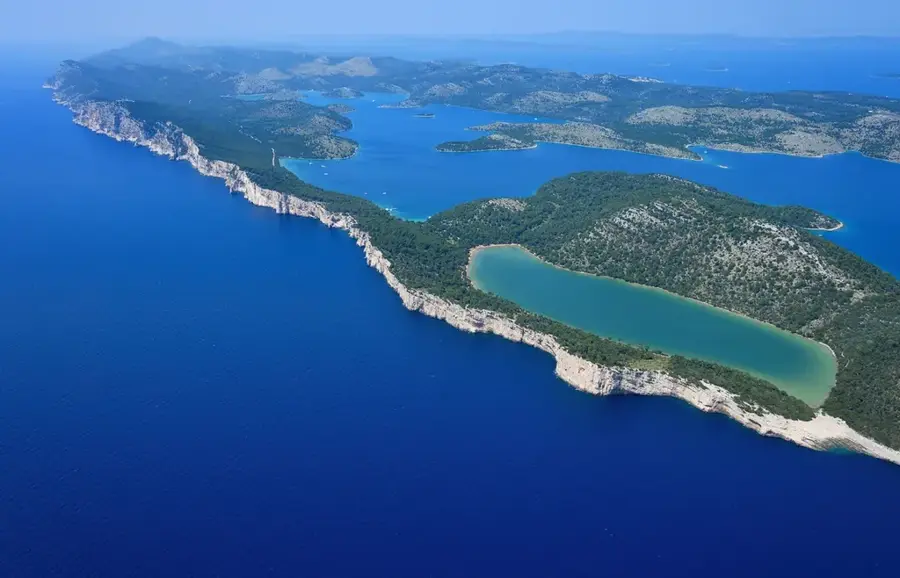
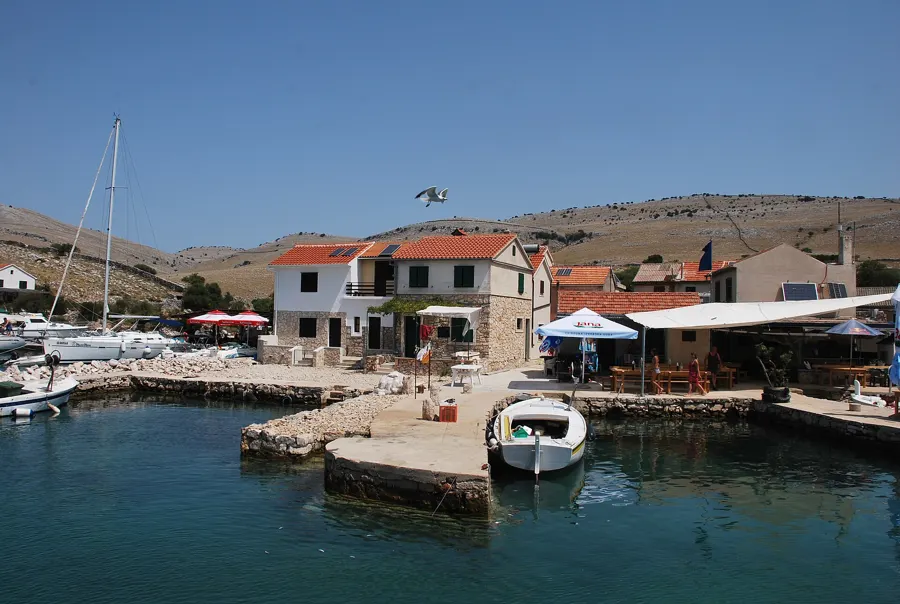
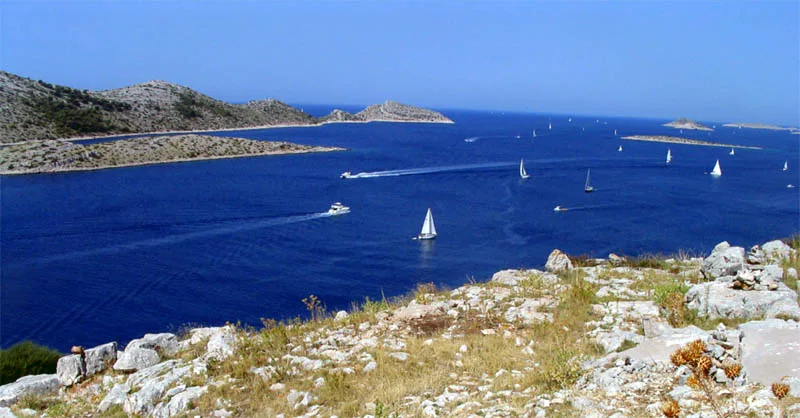
The Kornati Archipelago is the densest island group in the Mediterranean, consisting of 89 islands, islets, and reefs. The Kornati National Park was established in 1980 and covers an area of approximately 217 square kilometers in the central part of the Croatian Adriatic. The islands are predominantly made of karst limestone and are famous for their barren, moon-like landscape and the striking vertical cliffs known as crowns. These cliffs can rise up to 80 meters above sea level and extend deep underwater. Despite the apparent aridity, the islands host over 850 species of flora and fauna, while the underwater world is renowned for its immense biodiversity. Historically, the Kornati islands have been used since the Neolithic period, as evidenced by the remains of Illyrian forts and Roman villas. The absence of permanent settlements and modern light sources makes the park a convenient location for astronomical observations and nautical tourism. The park's management prioritizes the protection of marine ecosystems and the preservation of traditional dry-stone wall architecture.

Best time to visit & climate

The most pleasant time to visit is Jun, Jul, Sep.

JanFebMarAprMayJunJulAugSepOctNovDec
Avg °C56913172225252015117
Rain mm908975686655405010296129110

📋 Practical info

🧭
Getting there
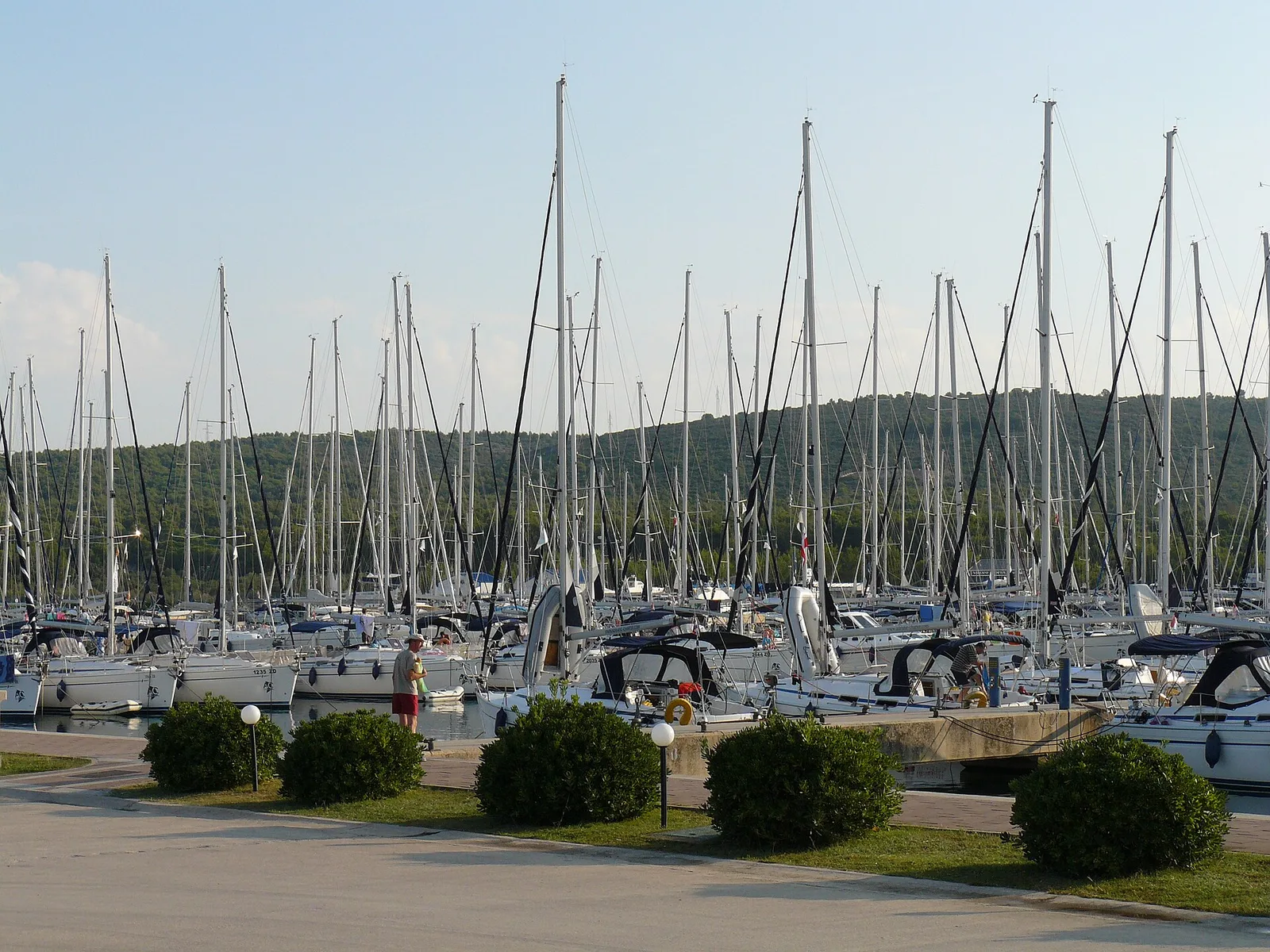
Access to this memorable archipelago is exclusively by sea, typically via organized boat excursions departing from coastal towns like Murter or Zadar. Independent sailors can enter but must purchase a nautical park ticket in advance.
📅
Best season
The optimal season for visiting is between late spring and early autumn when the Adriatic is calm enough for smooth boat travel. Mid-summer is peak season, offering first-rate conditions for swimming, though the landscape will be sun-scorched.
⛰️
Terrain & paths
The terrain of the islands is incredibly arid, featuring sparse vegetation, sharp karst rocks, and dramatic high cliffs known as 'crowns'. Ashore, there are few formal trails, so walking involves navigating loose, rocky, and uneven ground.
🎒
What to bring
If planning to step ashore, sturdy, closed-toe walking shoes are necessary to handle the sharp, loose rocks. Essential gear includes abundant drinking water, high-factor sunscreen, and a hat, as there is virtually no shade on the islands.
🅿️
Parking
For typical visitors taking excursion boats, parking is handled at the marinas or designated lots in the mainland departure towns. Independent boaters will find designated, safe mooring buoys and anchorages within the national park limits.
⚠️
Safety
Navigation requires extreme care due to the numerous reefs, shallow waters, and unpredictable winds characteristic of the archipelago. When walking ashore, stay well away from the edges of the high vertical cliffs facing the open sea.
⏱️
Time needed
Organized boat tours generally take a full day, spanning about eight to ten hours including travel time from the mainland. Independent sailors often spend several days navigating between the various protected bays and reefs.

Geography

Coordinates
43.81670, 15.31670

Facts

  • National park status since 1980.
  • Consists of 89 islands and reefs.
  • The highest cliff reaches 82 meters.
  • 80% of the park's area is marine.
  • The total length of dry-stone walls exceeds 300 km.
  • There are no natural freshwater sources on the islands.

Explore nearby

Notable places around
Route planner — Car & Motorhome

Where do you start? We build the route here, with stops and country notes along the way.

Vehicle
Only stops with (optional):

© OpenStreetMap contributors · OpenRouteService

Sights in the town Kornati Islands (1)

Metlina📍 landmark

The highest peak in the Kornati Islands, offering views over the archipelago.

Sights nearby

Frequently asked questions

What is the best way to visit the Kornati islands?
With organized boat tours from Zadar, Murter, or Vodice, or with your own boat.
Are there residents on the islands?
There are no permanent settlements, only seasonal houses of fishermen and shepherds.
What are the 'crowns' of the Kornati?
High cliffs dropping vertically into the sea on the outer sides of the islands.
Is diving allowed anywhere?
Diving is only allowed with a permit and through licensed diving centers.
Where can you get entrance tickets?
Online, at the national park offices, or directly from the rangers at sea.
Kornati Islands: where is it located?
Kornati Islands is located in Croatia.
Kornati Islands: when is the best time to visit?
The most pleasant time to visit is Jun, Jul, Sep.
Kornati Islands: why is it worth visiting?

The Kornati Archipelago is the densest island group in the Mediterranean, consisting of 89 islands, islets, and reefs.
View on map → The Top 50 Attractions → Most beautiful beaches → OpenStreetMap →
Europe
Explore with Plizio Discover more places in Europe
More places in Croatia →

Nearby cities