Plizio Visual Lab

Ocetá Páramo
Plizio editorial teamData Sources
Relief
—°17
Ocetá Páramo (Colombia)

Weather…

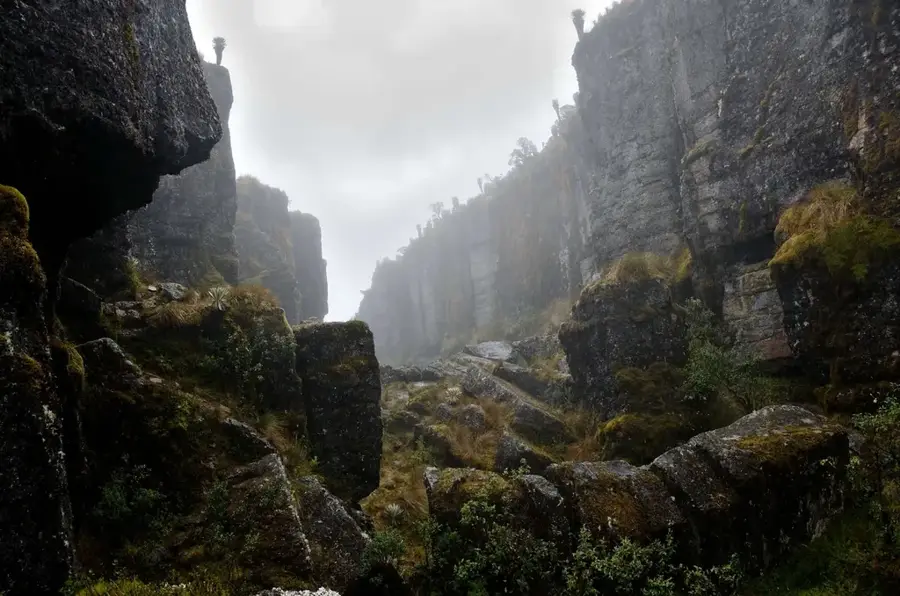
The Ocetá Páramo is considered one of the best-preserved high-altitude ecosystems in the world, located in the Eastern Cordillera of the Colombian Andes at an altitude of 3,000 to 4,000 meters above sea level. It spans the territory of the municipality of Monguí in the Boyacá department and is characterized by its unique flora, particularly the numerous Espeletia plants, also known as frailejones. These plants play a crucial role in the region's water balance by absorbing moisture from the clouds and releasing it into the soil in a controlled manner. The area's geological formations include impressive rock structures such as the 'Ciudad de Piedra', a natural arrangement of monoliths. In addition to its ecological importance, the area also has historical relevance, as it was once sacred land for the indigenous Muisca people. The climate is marked by low temperatures and frequent fog, which enhances the mystical atmosphere of this alpine tundra.

Best time to visit & climate

The most pleasant time to visit is Jan, Feb, Dec.

JanFebMarAprMayJunJulAugSepOctNovDec
Avg °C131414141313121213131313
Rain mm385612921223919317314913020317591

📋 Practical info

🧭
Getting there
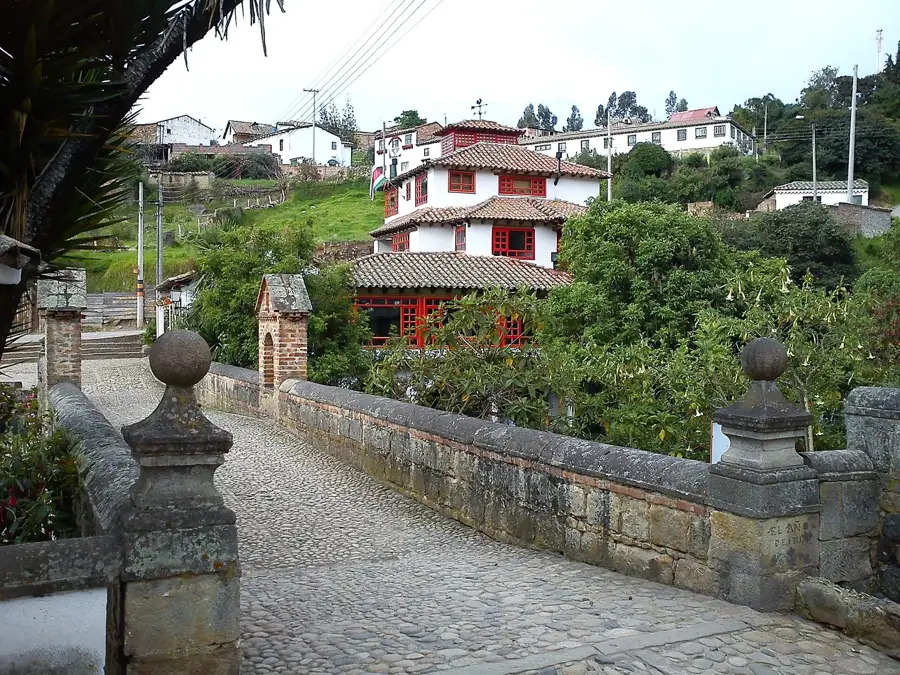
Reaching this spectacular highland area generally starts from the scenic colonial town of Monguí. From the town square, visitors either begin their ascent immediately on foot or arrange local transport to reach slightly higher starting trailheads.
📅
Best season
To fully appreciate the spirited colors of the unique flora, visiting during the drier stretch from December to March is well-suited. Touring during the prolonged rainy seasons means battling severe mud and missing the iconic landscapes hidden behind thick fog.
⛰️
Terrain & paths
The upward path initially winds through steep farmland before revealing an otherworldly environment populated with towering frailejones and intricate stone formations. The ground is inherently spongy and uneven, requiring careful, deliberate foot placement.
🎒
What to bring
Rubber boots or high-quality waterproof trekking shoes are the most critical gear for tackling the notoriously waterlogged terrain. Packing versatile layers, including a sturdy rain jacket and warm gloves, is necessary to combat the chilling mountain winds.
🅿️
Parking
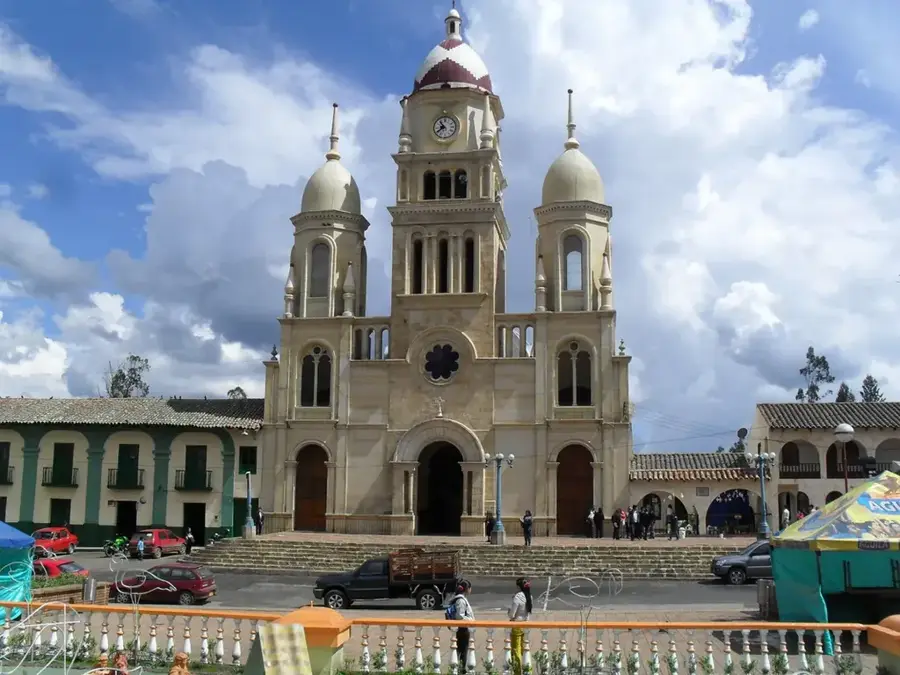
Travelers usually park their vehicles around the main plaza in Monguí or at their chosen accommodations within the town. Leaving cars in the established village infrastructure is highly practical and ensures safety while you are out exploring the high moors.
⚠️
Safety
The altitude of the region requires a moderate level of physical fitness and an awareness of potential altitude sickness symptoms. To protect the fragile ecosystem and avoid wandering off into the thick mists, accompanied walks with a local guide are best.
⏱️
Time needed
The standard circuit starting from Monguí up to the scenic rock gardens and back constitutes a full day hike lasting roughly seven to nine hours. It is crucial to start the trek early in the morning to guarantee return before the late afternoon clouds settle in.

Geography

Coordinates
5.70000, -73.00000

Facts

  • The maximum altitude of the area is approximately 4,000 meters.
  • Monguí, the base for treks, is located at 2,900 meters.
  • Frailejones grow extremely slowly, often only 1 centimeter per year.
  • The 'City of Stone' (Ciudad de Piedra) consists of limestone rocks.
  • The area is a vital water reservoir for the Boyacá department.
  • It was once part of the territory of the Muisca indigenous kingdom.

Explore nearby

Notable places around
Route planner — Car & Motorhome

Where do you start? We build the route here, with stops and country notes along the way.

Vehicle
Only stops with (optional):

© OpenStreetMap contributors · OpenRouteService

Sights in the town Ocetá Páramo (17)

Museo La Troja🏛 museum

A rural heritage museum near the Páramo de Ocetá showcasing traditional farming tools and high-altitude peasant life.

Artesanias de Boyaca🏛 museum

An exhibition space highlighting the traditional woven textiles, ceramics, and handicrafts of the Boyacá region.

Museo Diocesano de Arte Religioso Julio Franco Arango🏛 museum

A museum preserving colonial Catholic art, ecclesiastical vestments, and historic religious artifacts from the Boyacá region.

🕒 Tu-Su 08:00-17:00

Usamena🏺 historical

Pre-Columbian indigenous archaeological ruins located in the high-altitude Andean landscape of the Páramo de Ocetá.

La Quesera🏺 historical

An ancient archaeological site near the Páramo de Ocetá containing early traces of indigenous settlements or rock shelters.

La Media Luna🏺 historical

A crescent-shaped archaeological feature revealing the early indigenous history embedded in the Páramo de Ocetá.

Teatro Tibasosa🎭 culture

Teatro Tibasosa is a central cultural venue in the town, hosting local dramatic performances and community events in a traditional architectural setting.

Virgen⛪ religious

This hillside Marian shrine features a venerated statue of the Virgin Mary, serving as a quiet pilgrimage spot for local believers.

La Iglesia de Jesucristo de los Santos de los Últimos Días⛪ religious

This local branch of the LDS Church provides a modern meetinghouse for Mormon congregations in the Andean highlands.

Iglesia Nuestra Señora del Rosario⛪ religious

The Iglesia Nuestra Señora del Rosario is a stately colonial-era Catholic church known for its ornate religious altarpieces and traditional masonry.

Plaza de Mercado🎭 culture

The bustling Plaza de Mercado serves as the agricultural heart of the community, where farmers gather to trade fresh Andean produce and regional cheeses.

La Misericordia de Dios📍 landmark

La Misericordia de Dios is a modern Christian worship center dedicated to charismatic prayer services and community outreach in the high plateau.

iglesia el Rosario📍 landmark

The Iglesia el Rosario is an enduring Christian parish characterized by its rustic colonial whitewashed walls and regular devotional gatherings.

Parroquia Nuestra Señora del Carmen📍 landmark

This Christian parish is dedicated to the patron saint of drivers, recognizable by its central belfry and spirited celebrations during July's patronal feast.

Mirador de Osos🌿 nature

Set high in the cloud forest, the Mirador de Osos provides visitors with sweeping views and occasional sightings of the native Andean spectacled bear.

Mirador Guátika🌿 nature

Overlooking the expansive Sugamuxi valley, Mirador Guátika functions as both a scenic observation deck and part of an ecological zoological park.

Reserva Natural Semillas🌿 nature

The Reserva Natural Semillas protects dense tracts of high-altitude frailejón plants and vital watersheds essential to the local Andean ecosystem.

Sights nearby

Frequently asked questions

Is Páramo de Ocetá considered one of the most beautiful?
Yes, it is often called the most beautiful páramo in the world.
From which town does the hike start?
The hike usually starts in the photogenic village of Monguí.
What is the 'Stone City' (Ciudad de Piedra)?
An impressive natural rock formation within the páramo.
How long does the hike take?
A full day (approx. 6-8 hours) for the classic route.
Which plants are particularly beautiful there?
The lupines and the various species of frailejones.
Ocetá Páramo: where is it located?
Ocetá Páramo is located in Colombia.
Ocetá Páramo: what is there to see?
Highlights include Museo La Troja, Artesanias de Boyaca, Museo Diocesano de Arte Religioso Julio Franco Arango.
Ocetá Páramo: when is the best time to visit?
The most pleasant time to visit is Jan, Feb, Dec.
Ocetá Páramo: why is it worth visiting?
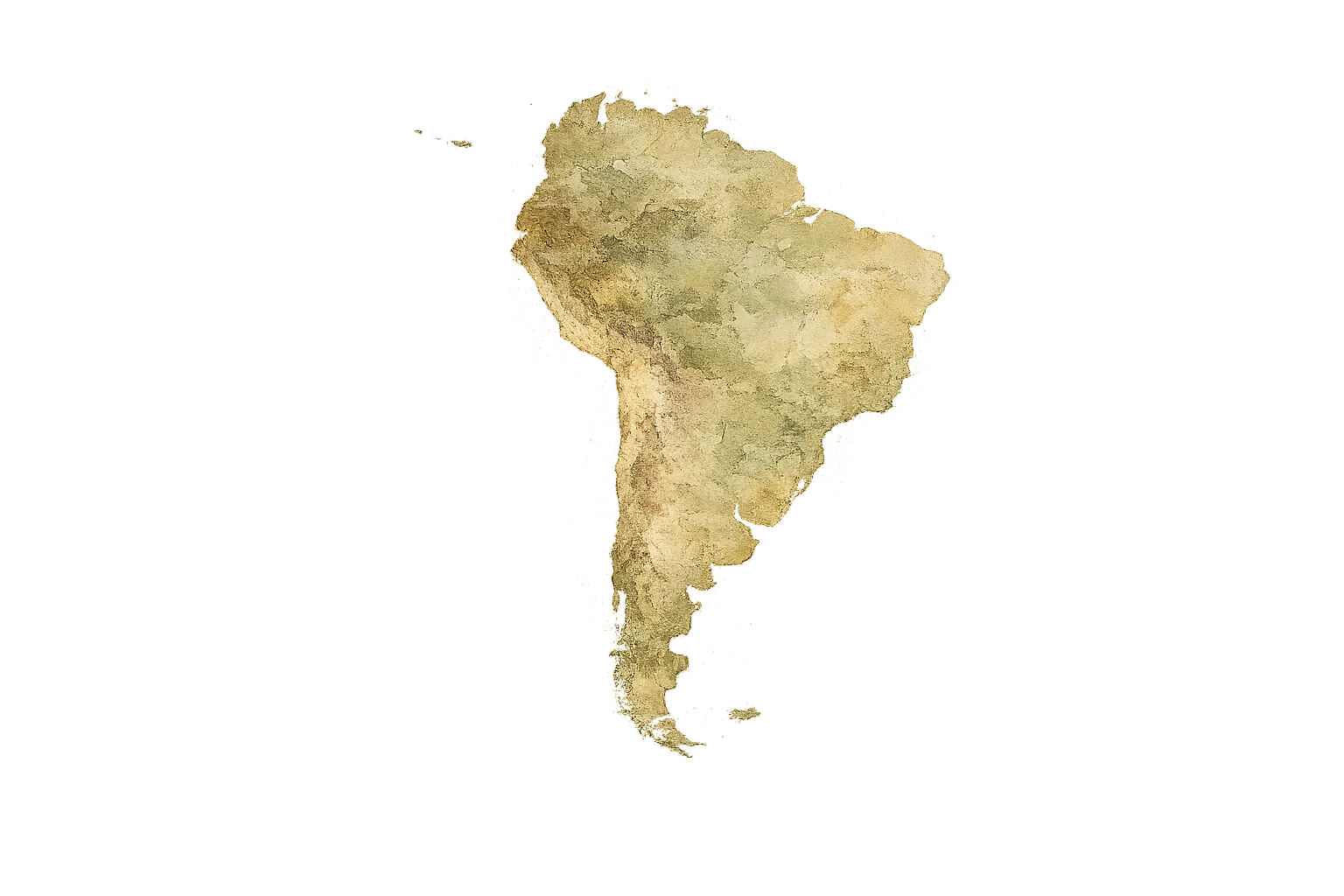
The Ocetá Páramo is considered one of the best-preserved high-altitude ecosystems in the world, located in the Eastern Cordillera of the Colombian Andes at an altitude of 3,000 to 4,000 meters above sea level.
View on map → The Top 50 Attractions → OpenStreetMap →
South America
Explore with Plizio Discover more places in South America
More places in Colombia →

Nearby cities

History & landmarks

Nature

More places