Plizio Visual Lab
Lhotse
Weather…
Water temperature…
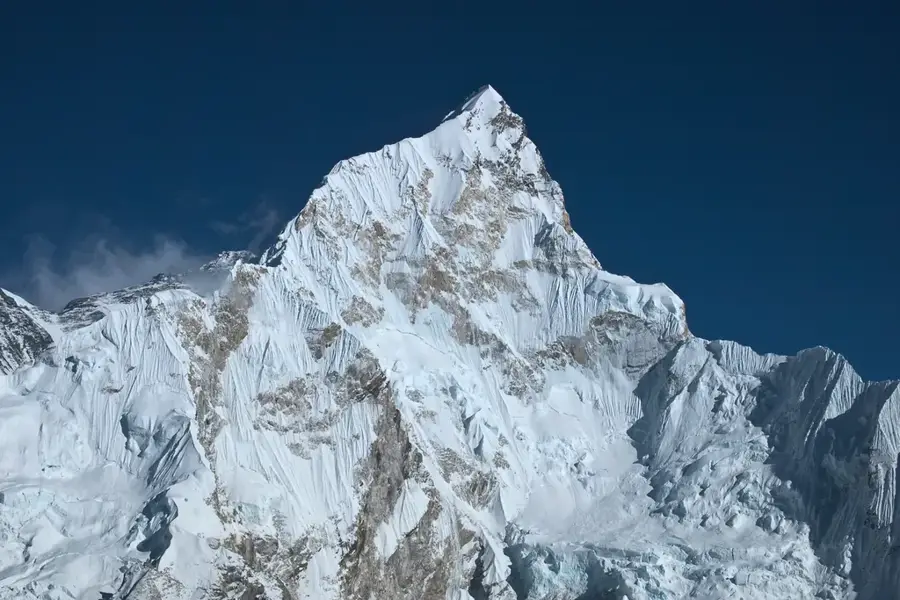
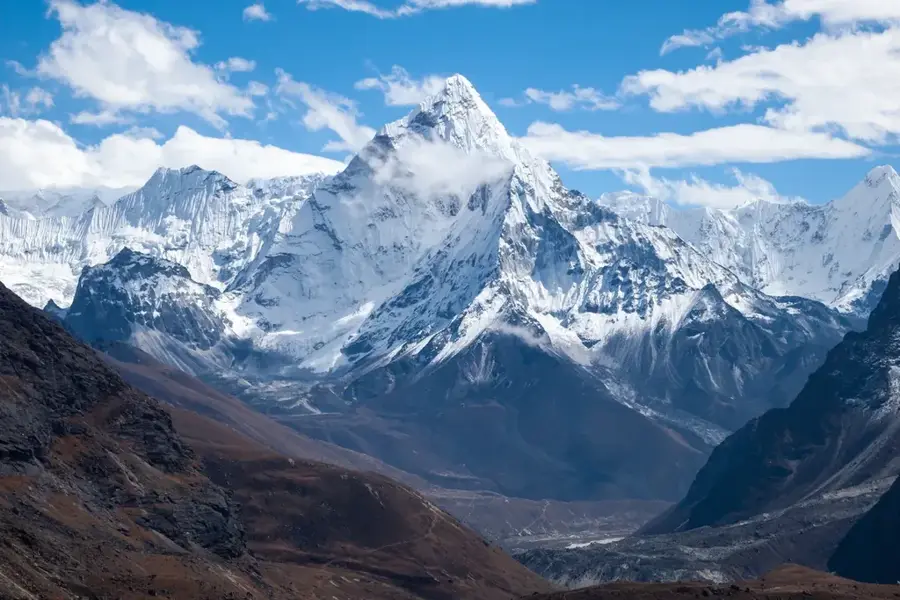
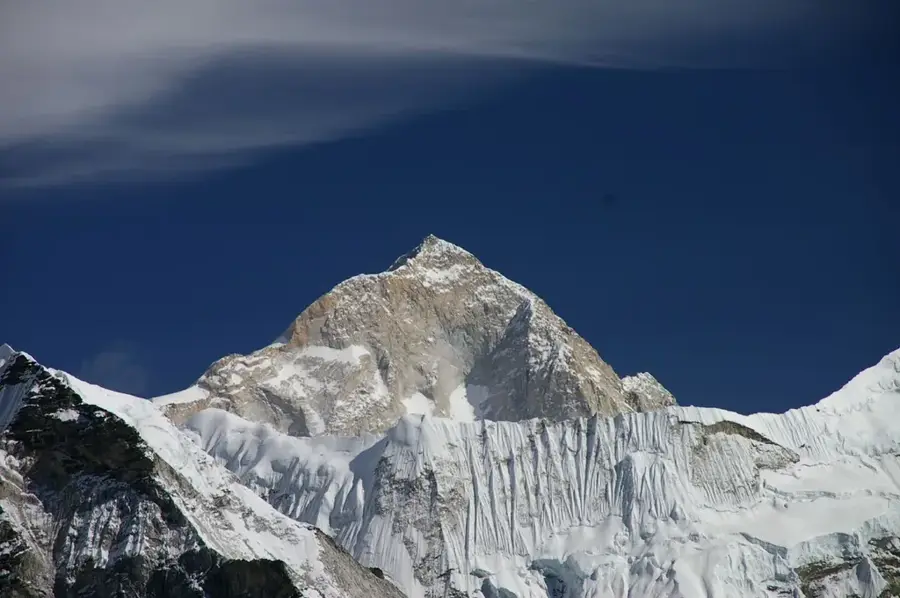
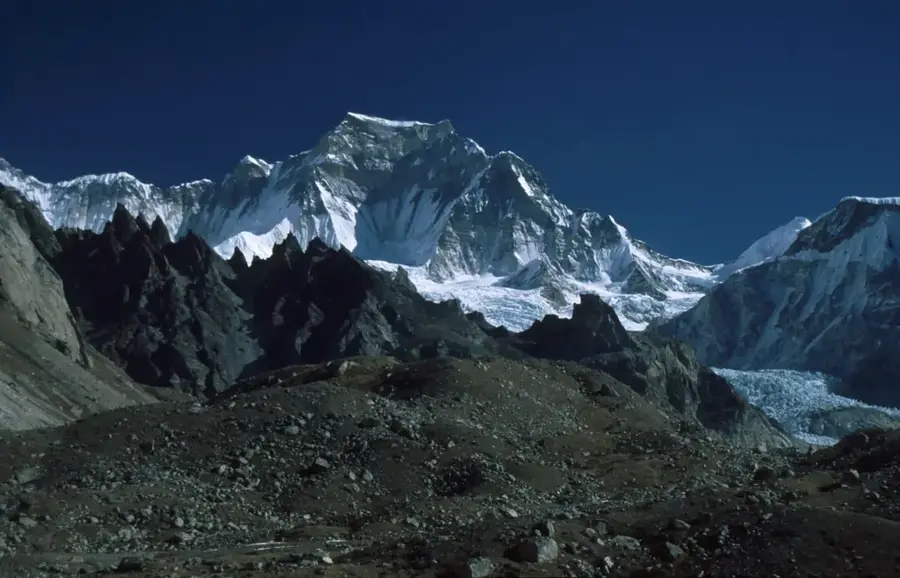
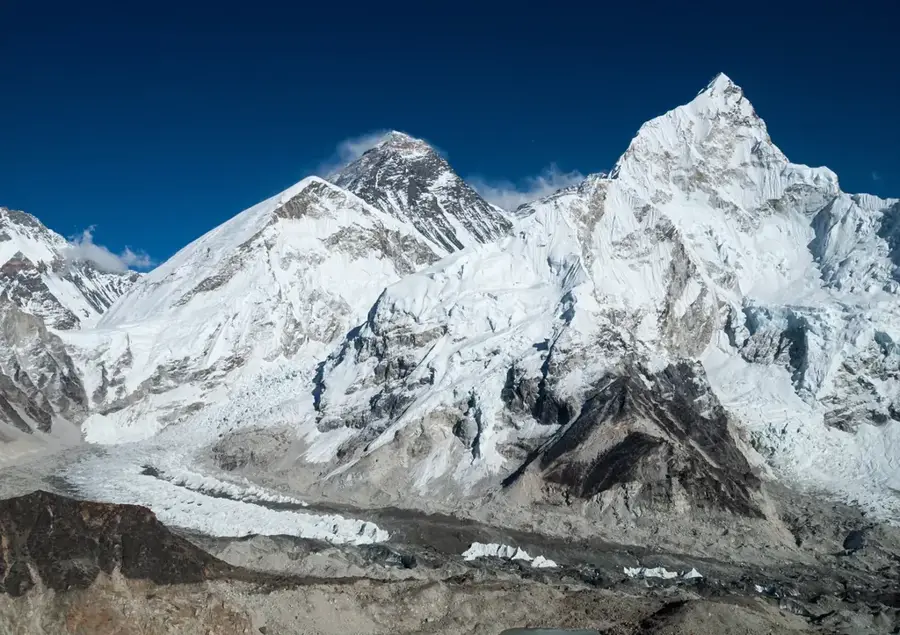
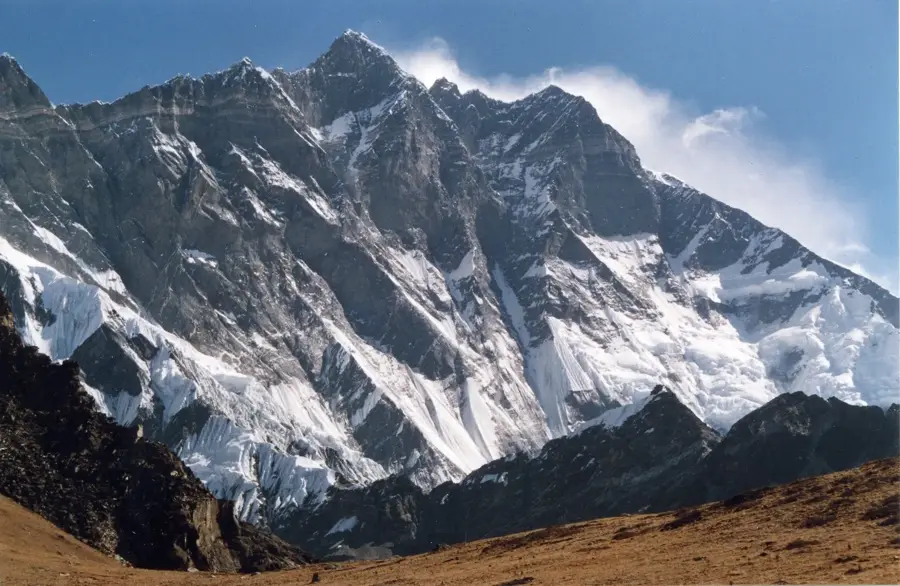
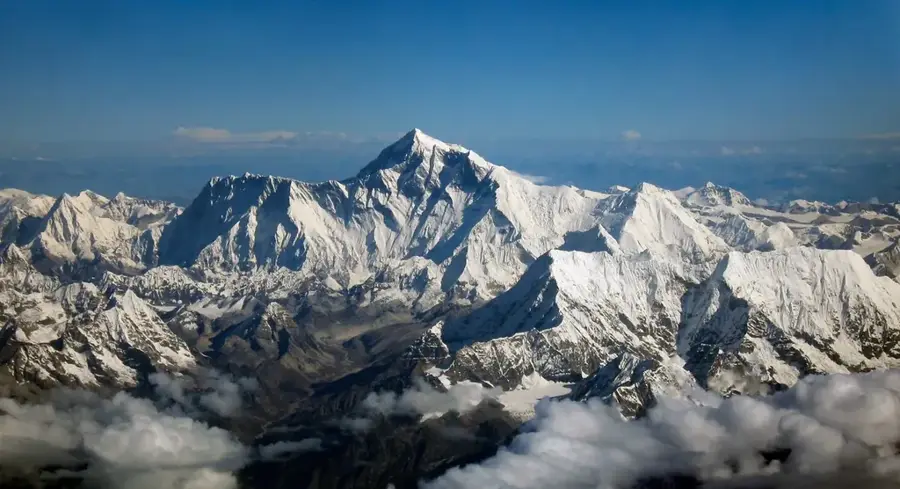
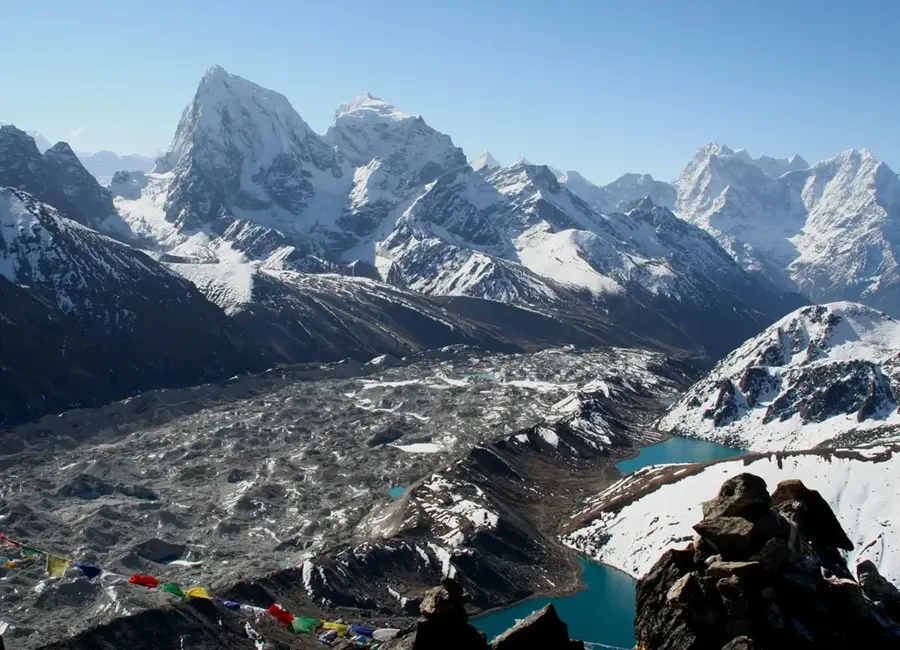
Lhotse, standing at 8,516 meters (27,940 ft), is the fourth highest mountain in the world, situated on the border between Nepal and Tibet. It is part of the Mahalangur Himalaya and is directly connected to Mount Everest via the South Col. Its name, which means 'South Peak' in Tibetan, reflects its immediate proximity to its northern neighbor. The mountain consists of three main summits: the main peak, Lhotse Middle (8,414 m), and Lhotse Shar (8,383 m). The western flank of Lhotse is an integral part of the standard South Col route to the summit of Everest. Conversely, the South Face is legendary in the climbing world as one of the most formidable and steepest mountain faces on Earth, rising over 3,200 meters. The first successful ascent was made in 1956 by Swiss climbers Ernst Reiss and Fritz Luchsinger. Lhotse remains a significant challenge for high-altitude mountaineers due to its technical ice sections and extreme altitude.
- Location: Nepal
- Top sights: Lhotse · Imja Tse · Lhotse Middle I
- Nearby: Rajbiraj (22 km)
Best time to visit & climate
The most pleasant time to visit is May, Jun, Sep.
| Jan | Feb | Mar | Apr | May | Jun | Jul | Aug | Sep | Oct | Nov | Dec | |
|---|---|---|---|---|---|---|---|---|---|---|---|---|
| Avg °C | -12 | -11 | -8 | -3 | 0 | 4 | 6 | 5 | 3 | -2 | -6 | -10 |
| Rain mm | 4 | 7 | 11 | 19 | 47 | 70 | 164 | 145 | 76 | 19 | 2 | 3 |
📋 Practical info
Geography
Facts
- The fourth highest peak in the world at 8,516 meters.
- First climbed on May 18, 1956, by a Swiss expedition.
- Connected to Mount Everest by the South Col at 7,906 m.
- Features three summits: Lhotse Main, Middle, and Shar.
- The South Face rises 3,200 meters in a near-vertical wall.
- Located in the Mahalangur range of the Himalayas.
Explore nearby
Notable places around
Route planner — Car & Motorhome
Where do you start? We build the route here, with stops and country notes along the way.
© OpenStreetMap contributors · OpenRouteService
Sights in the town Lhotse (3)
Sights nearby
Frequently asked questions
How difficult is the climb?
Best time to travel?
Dangers?
How long does it take?
Tourism?
Lhotse: where is it located?
Lhotse: what is there to see?
Lhotse: when is the best time to visit?
Lhotse: why is it worth visiting?

Nearby cities
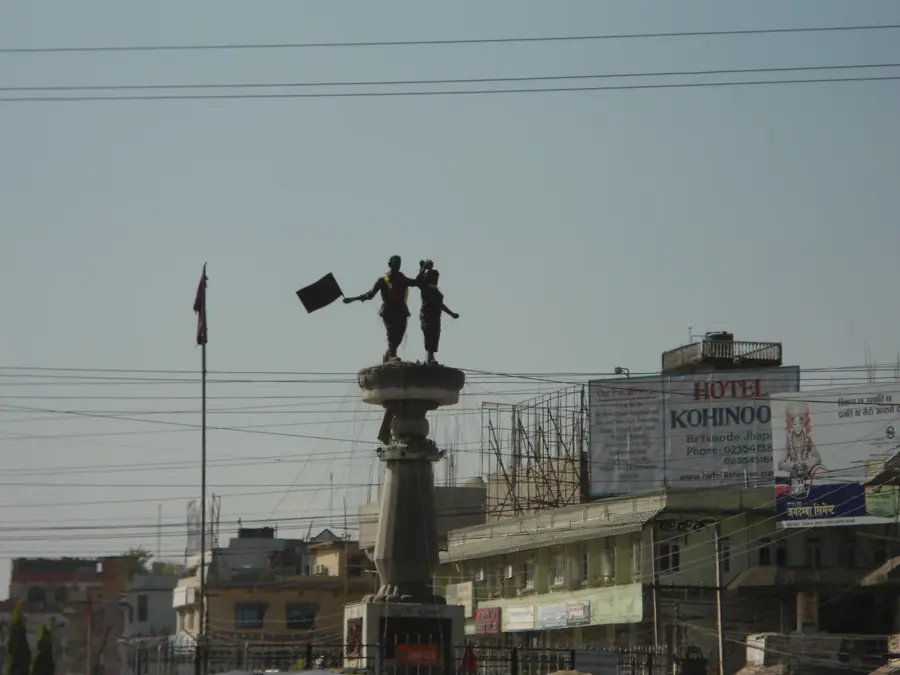
History & landmarks
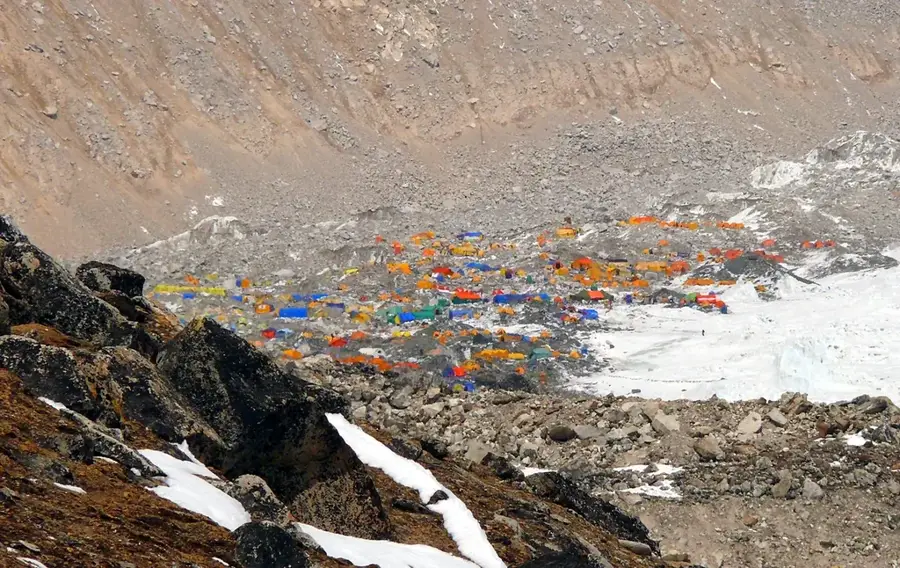
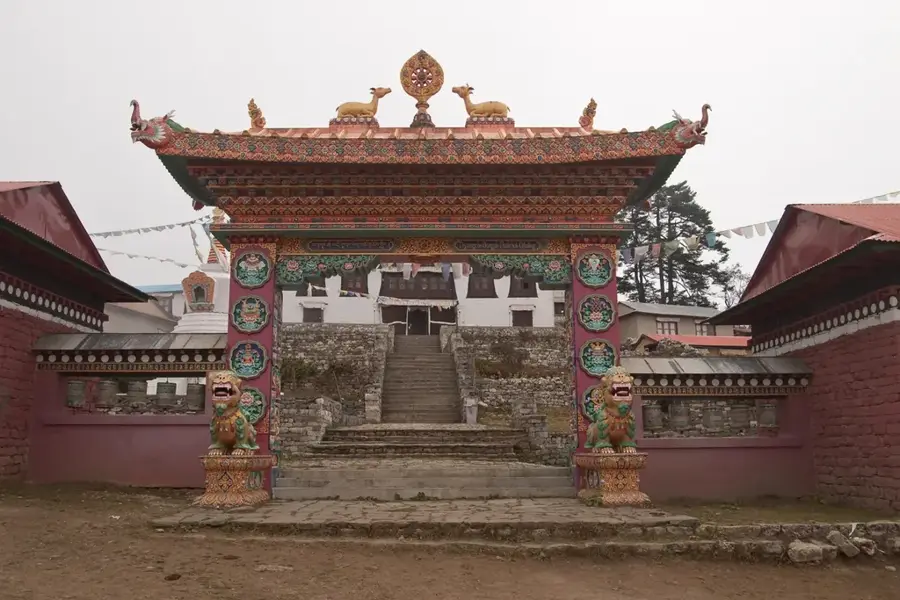
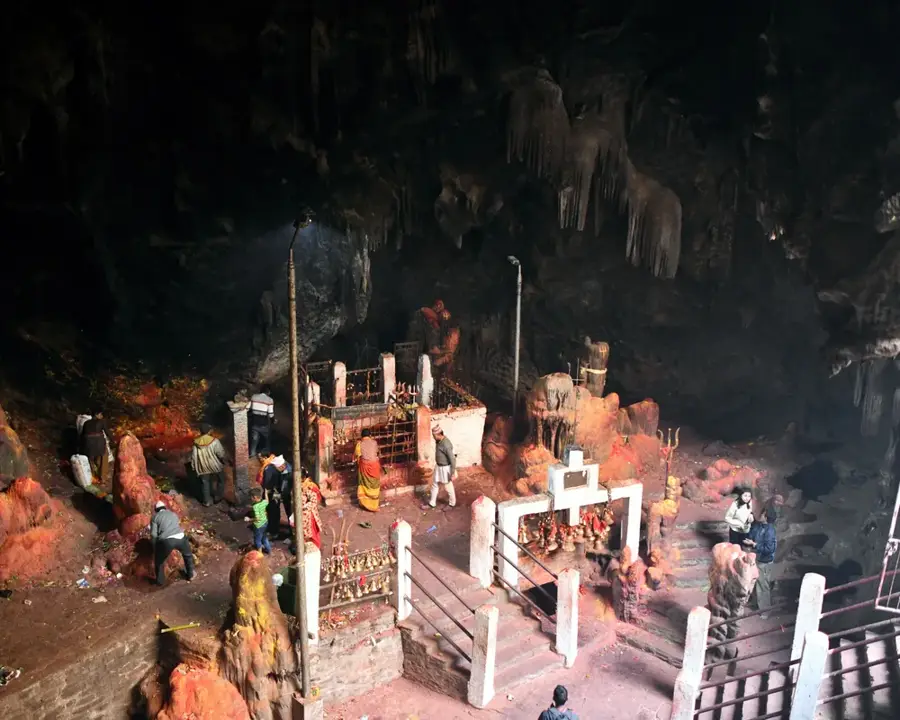
Nature
More places