Plizio Visual Lab
Kampot Salt Fields
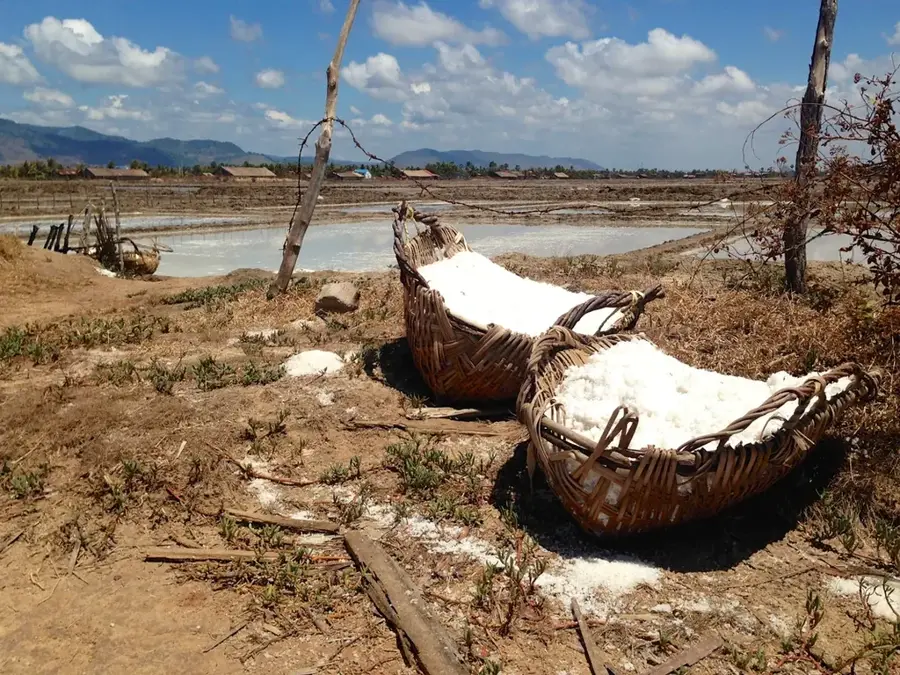
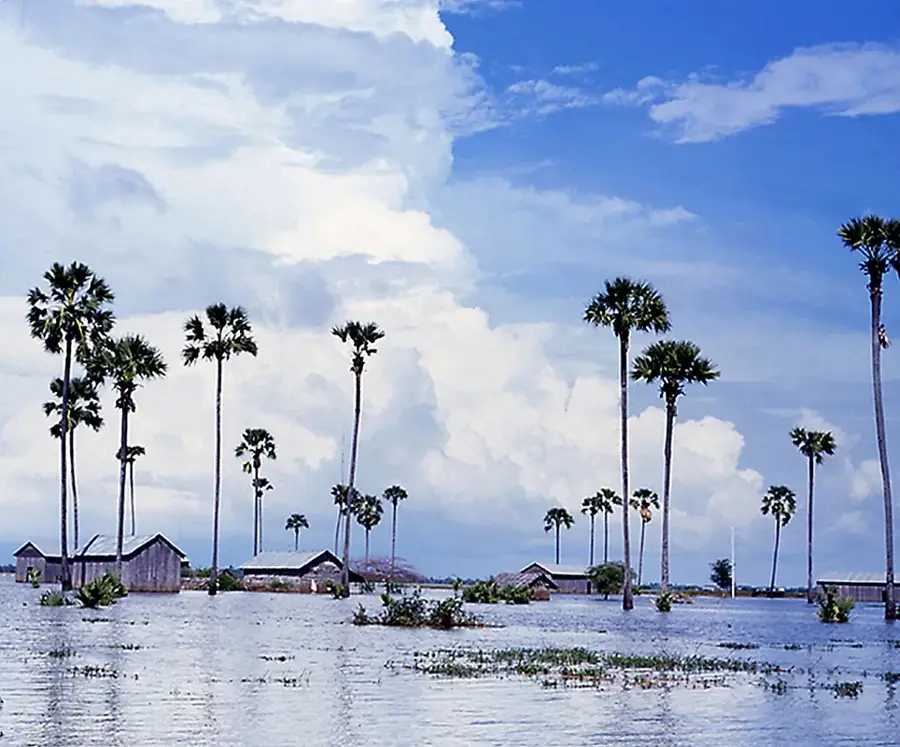
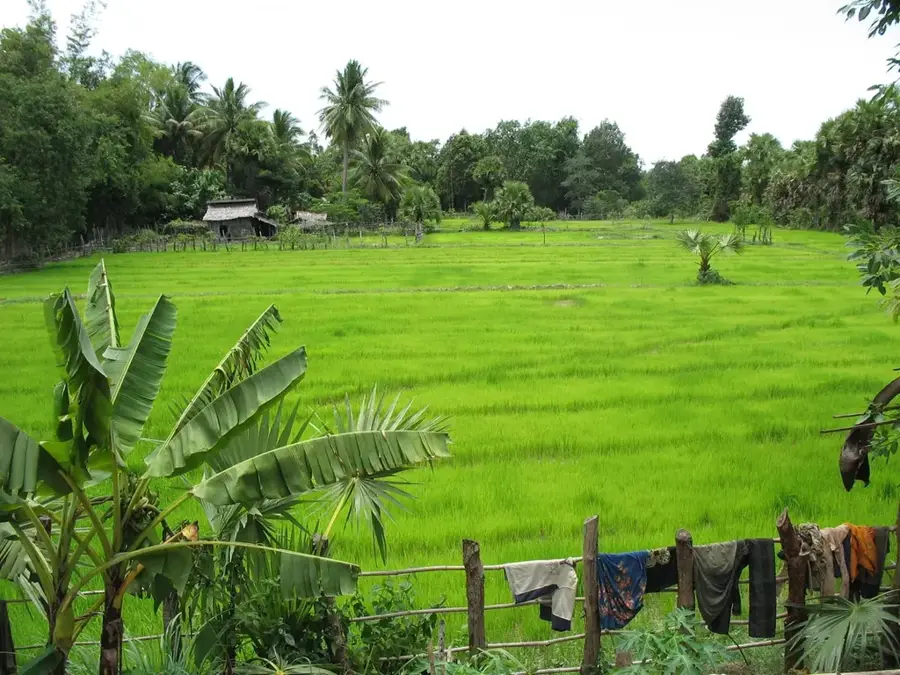
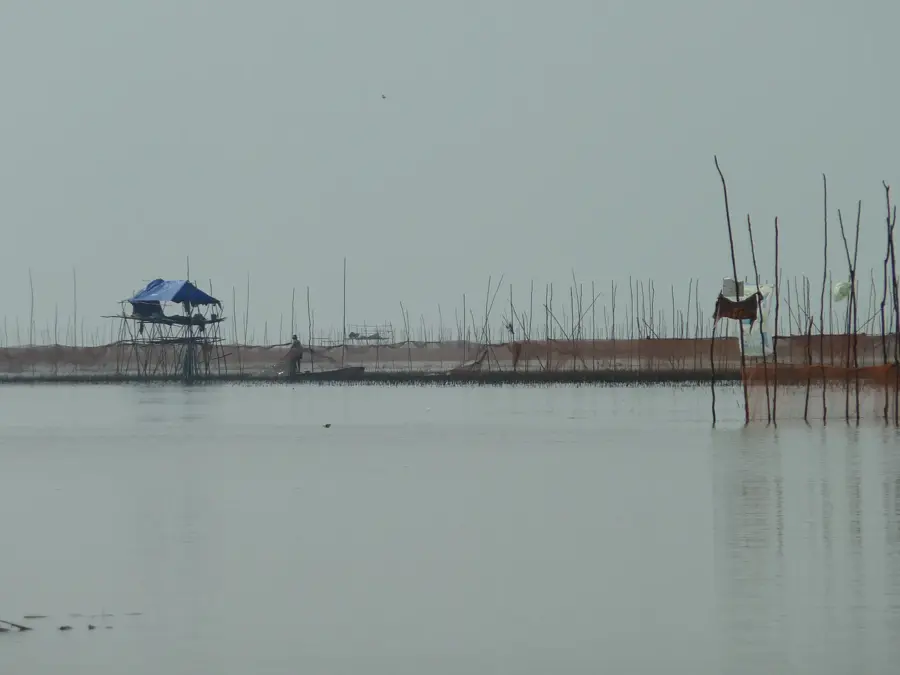
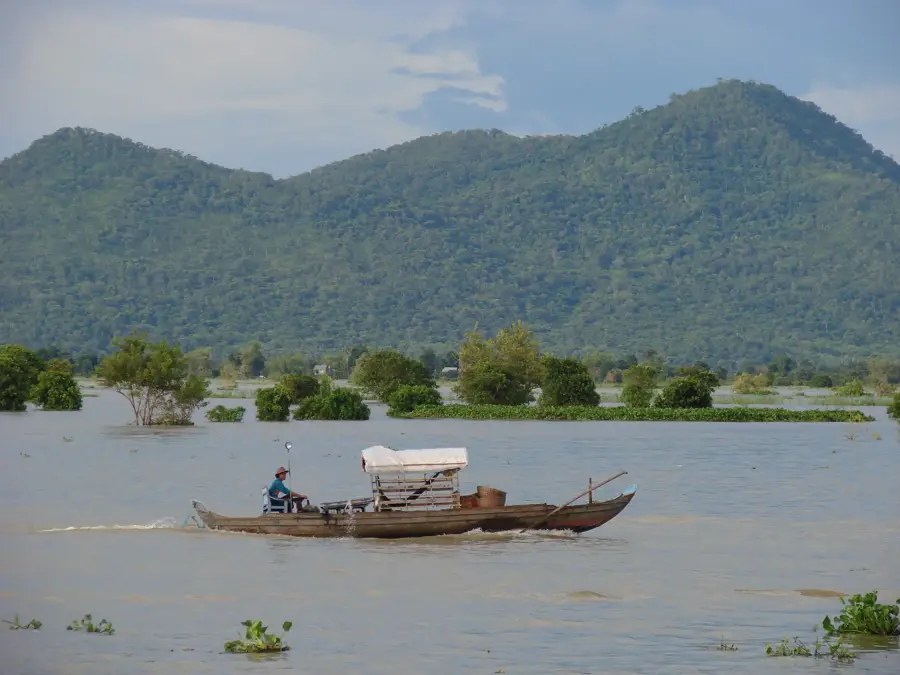
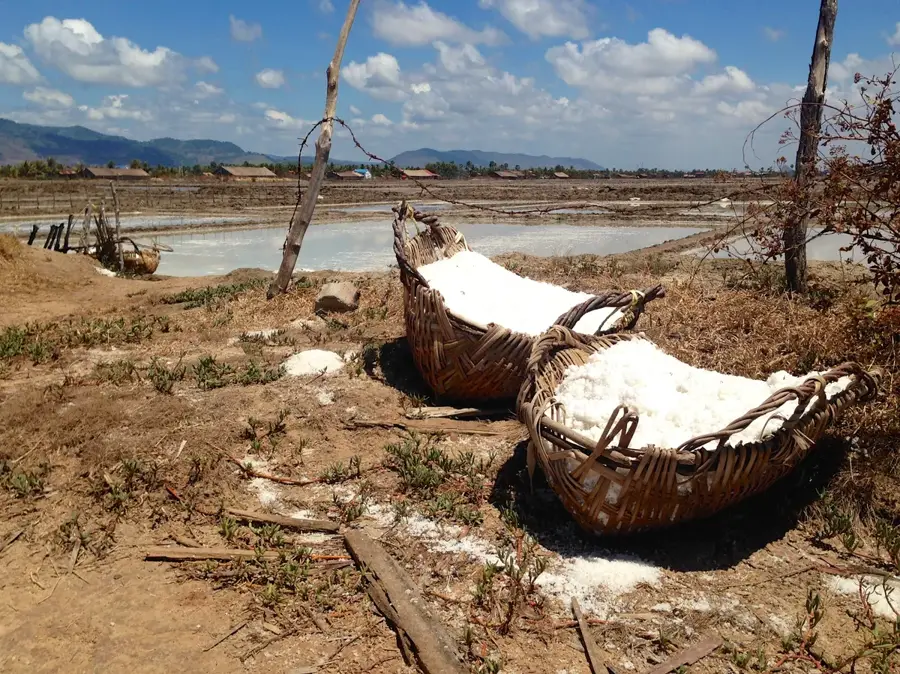
The salt fields of Kampot stretch along the coastline of the Gulf of Thailand and constitute a vital part of the regional economy in Southern Cambodia. Salt production here follows traditional methods through the solar evaporation of seawater in extensive, shallow clay pans. The process commences during the dry season between January and May, when seawater is directed into the fields and the intense sun gradually evaporates the liquid. Remaining pure salt crystals are manually raked into conical mounds and stored in large wooden barns. The quality of Kampot salt is determined by the purity of the seawater and the mineral composition of the coastal soil. During the rainy season, production ceases as the fields become flooded and may be utilized for rice cultivation or other purposes. This seasonal labor has shaped the lives of local communities for generations, requiring significant physical exertion under the tropical sun. The harvested salt satisfies much of Cambodia's domestic demand and is increasingly recognized internationally as a premium gourmet product.
- Location: Cambodia
- Nearby: Kep (14 km)
Best time to visit & climate
The most pleasant time to visit is Jan, Feb, Dec.
| Jan | Feb | Mar | Apr | May | Jun | Jul | Aug | Sep | Oct | Nov | Dec | |
|---|---|---|---|---|---|---|---|---|---|---|---|---|
| Avg °C | 26 | 27 | 28 | 29 | 29 | 28 | 27 | 27 | 27 | 27 | 27 | 26 |
| Rain mm | 27 | 24 | 72 | 134 | 248 | 380 | 444 | 373 | 426 | 253 | 125 | 48 |
📋 Practical info
Geography
Facts
- Salt production occurs strictly during the dry season from January to May.
- Seawater is channeled into shallow, compacted earth pans for evaporation.
- Kampot salt is entirely natural and contains no chemical anti-caking agents.
- One hectare of salt field can yield several tons of raw salt per season.
- Following harvest, salt is stored in specialized wooden barns to protect it from rain.
- The Kampot region, together with Kep, is the only salt producer in Cambodia.
Explore nearby
Notable places around


Route planner — Car & Motorhome
Where do you start? We build the route here, with stops and country notes along the way.
© OpenStreetMap contributors · OpenRouteService
Sights in the town Kampot Salt Fields (1)
Sights nearby
Frequently asked questions
When is the best time to visit the salt fields?
Where exactly are the salt fields located?
Do I have to pay an entrance fee?
How is the salt produced?
Can you buy salt there?
Kampot Salt Fields: where is it located?
Kampot Salt Fields: when is the best time to visit?
Kampot Salt Fields: why is it worth visiting?

Nearby cities
History & landmarks
Nature
More places