Plizio Visual Lab
German Ruins of Kayanza
Weather…
Water temperature…
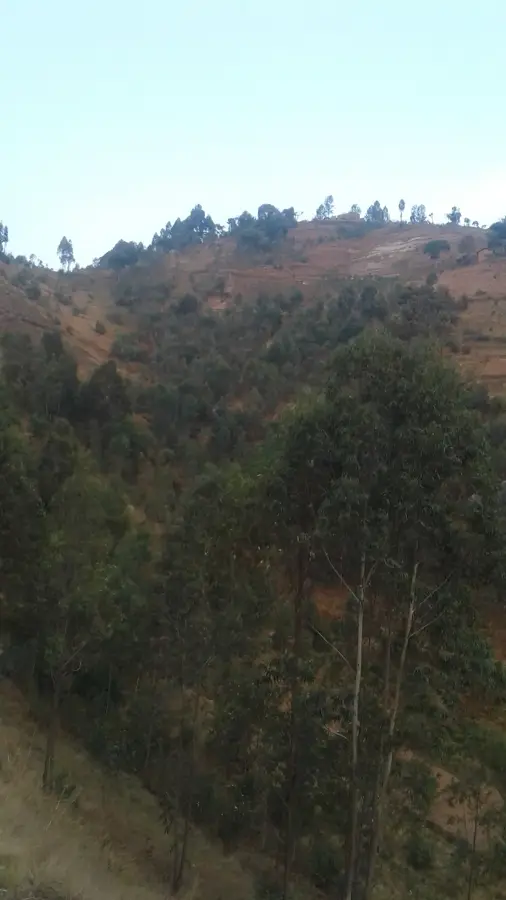
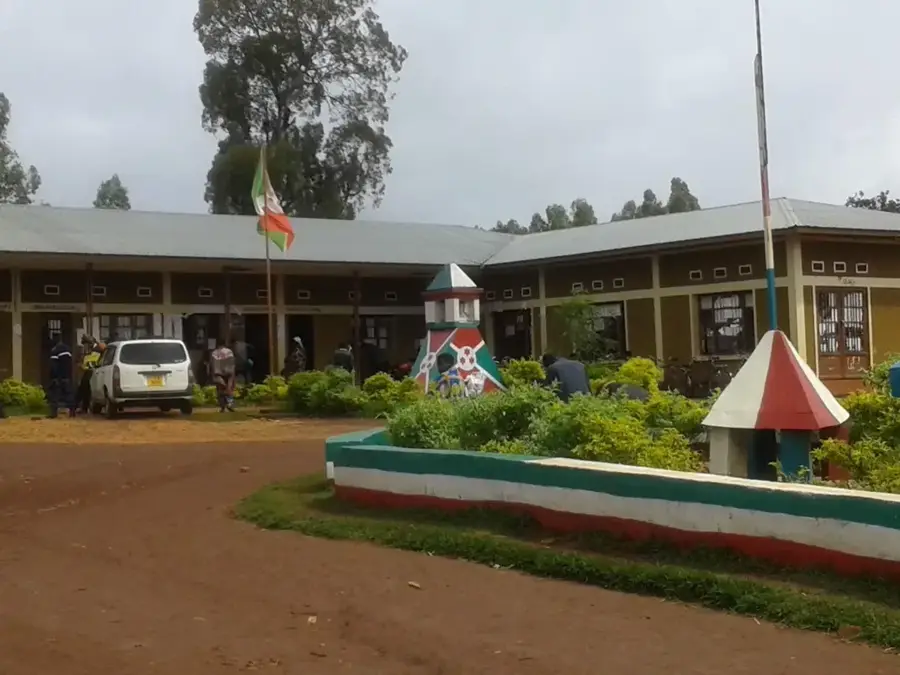
The German ruins of Kayanza in northern Burundi are relics of colonial infrastructure dating back to the era of German East Africa. At the turn of the 20th century, German officials established an administrative post here to consolidate control over the fertile highland regions. The buildings were constructed using local stone and bricks, serving as residences, warehouses, and defensive installations. Kayanza was a strategically vital point for colonial administration due to its proximity to the border with Rwanda. Following the German retreat in 1916 during World War I, many of these structures fell into disrepair, yet foundations and some ruins remain visible today. They offer a rare glimpse into early colonial construction and the German attempts to institutionalize their rule in Central Africa. For historians, these ruins represent an important record of the brief but impactful German presence in Burundi.
- Location: Burundi
- Top sights: Kayanza Province · Kayanza
- Nearby: Gatara (8 km)
Best time to visit & climate
The most pleasant time to visit is Jun–Aug.
| Jan | Feb | Mar | Apr | May | Jun | Jul | Aug | Sep | Oct | Nov | Dec | |
|---|---|---|---|---|---|---|---|---|---|---|---|---|
| Avg °C | 21 | 21 | 21 | 20 | 20 | 19 | 20 | 21 | 22 | 21 | 21 | 21 |
| Rain mm | 158 | 132 | 184 | 175 | 83 | 34 | 19 | 49 | 95 | 157 | 284 | 175 |
📋 Practical info
Geography
Facts
- The ruins date back to the German East Africa period (1890–1916).
- Kayanza was a major administrative post in the north of the country.
- The buildings were primarily constructed from locally fired bricks.
- In 1916, Belgian troops occupied the Kayanza region.
- The ruins are located in one of the most significant coffee-growing regions.
- German officials used the site to monitor the border with Rwanda.
Explore nearby
Notable places around


Route planner — Car & Motorhome
Where do you start? We build the route here, with stops and country notes along the way.
© OpenStreetMap contributors · OpenRouteService
Sights in the town German Ruins of Kayanza (2)
Sights nearby
Frequently asked questions
What are the German ruins of Kayanza?
Can the ruins be visited?
What condition are the buildings in?
Why were the Germans in Kayanza?
Are there guided tours available?
German Ruins of Kayanza: where is it located?
German Ruins of Kayanza: what is there to see?
German Ruins of Kayanza: when is the best time to visit?
German Ruins of Kayanza: why is it worth visiting?

Nearby cities





History & landmarks
More places