Plizio Visual Lab

Maritsa River
Plizio editorial teamData Sources
River
—°9
Maritsa River (Bulgaria)

Weather…

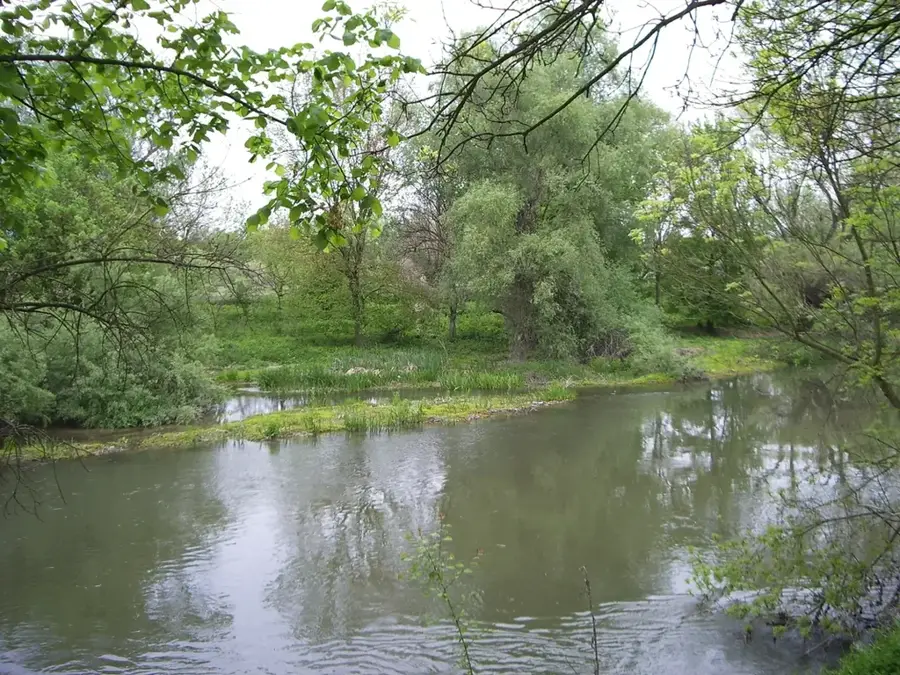
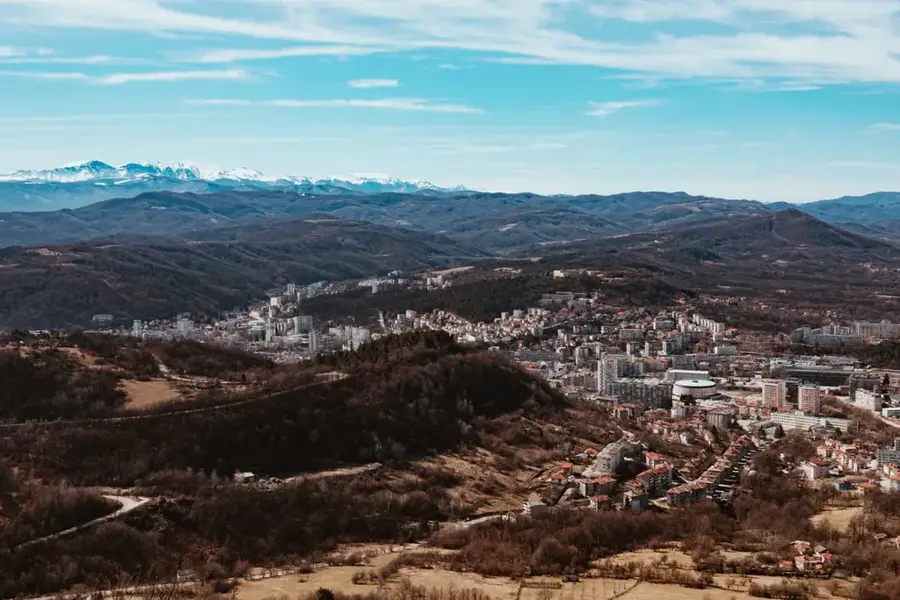
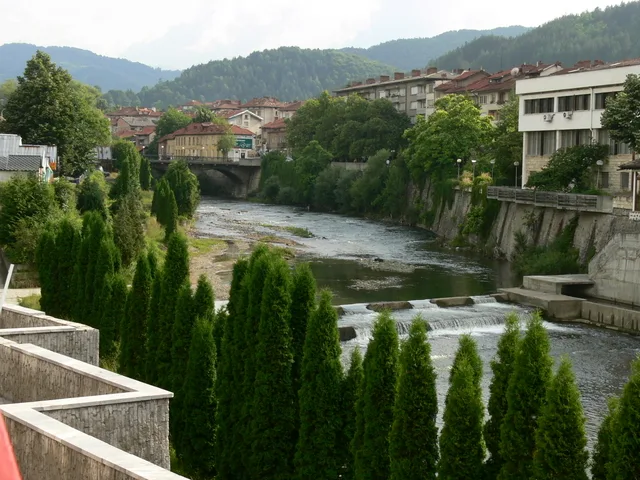
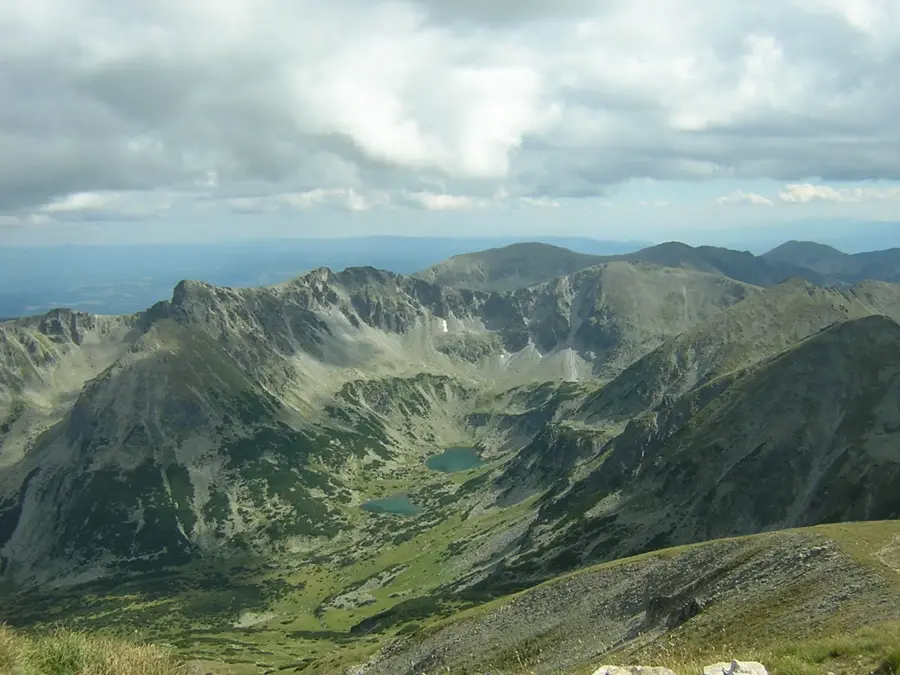
The Maritsa River is one of the most significant and water-rich rivers in the Balkan Peninsula, spanning a total length of 480 kilometers across Bulgaria, Greece, and Turkey. It originates at the Marichini Lakes in the Rila Mountains at an altitude of 2,378 meters, flowing eastward through the vast Upper Thracian Plain. The river passes through major historical cities like Plovdiv, significantly influencing local urban development and climate. In its lower reaches, the Maritsa serves as a natural border between Bulgaria, Greece, and Turkey before emptying into the Aegean Sea. Known as the Hebrus in antiquity, it was a vital trade route and a site of numerous historical battles and settlements. The fertile valley it irrigates is Bulgaria's primary agricultural hub, supporting intensive crops of rice, fruit, and vineyards. Ecologically, the river's riparian forests and wetlands serve as a critical migratory corridor for birds and a sanctuary for diverse freshwater species.

Best time to visit & climate

The most pleasant time to visit is Jun, Aug, Sep.

JanFebMarAprMayJunJulAugSepOctNovDec
Avg °C2471217232626211494
Rain mm745552415250371746655570

📋 Practical info

🧭
Getting there
As one of the longest rivers in the region, the Maritsa is easily accessible from numerous towns and highways across southern Bulgaria. Typical starting points for recreational visits include urban riverfronts in cities like Plovdiv or designated rural rest stops.
📅
Best season
The river and its banks can be enjoyed throughout the year. Spring features high water levels and blooming riparian nature, while autumn gives beautiful colors. Summer is great for evening walks, though midday can be very hot on exposed sections.
⛰️
Terrain & paths
The terrain naturally varies from rugged and mountainous near its source in the Rila Mountains to very flat, broad, and slow-moving plains in its middle and lower stretches. Walking paths in urban areas are paved, whereas rural sections feature natural, uneven dirt trails.
🎒
What to bring
Appropriate gear highly depends on the specific location visited. Urban river strolls require only comfortable shoes, while exploring the wilder, rural stretches or its mountainous source demands sturdy walking shoes, weather-appropriate clothing, and perhaps binoculars for birdwatching.
🅿️
Parking
In cities and larger towns along the river, regular public parking lots and street spaces are generally available. In rural areas, visitors usually park in small laybys near bridges or at designated scenic resting spots situated safely away from the main road traffic.
⚠️
Safety
When outside urban embankments, exercise caution near the water's edge as banks can unexpectedly collapse or be extremely slippery. It is generally not recommended to swim in the main river channel due to unpredictable undercurrents and varying water quality.
⏱️
Time needed
A casual visit to simply view the river or enjoy a short riverside walk might take one to two hours. Dedicated nature excursions, particularly to find specific bird species along the rural stretches, can easily become a comprehensive half-day itinerary.

Geography

Coordinates
41.70000, 26.50000

Facts

  • The Maritsa River flows for a total of 480 kilometers.
  • It originates at an elevation of 2,378 meters in the Rila Mountains.
  • A stretch of 322 kilometers of the river is within Bulgarian borders.
  • In ancient times, the river was famously known as the Hebrus.
  • The river flows into the Aegean Sea near the Turkish town of Enez.
  • The total drainage basin of the Maritsa covers 53,000 square kilometers.

Explore nearby

Notable places around
Route planner — Car & Motorhome

Where do you start? We build the route here, with stops and country notes along the way.

Vehicle
Only stops with (optional):

© OpenStreetMap contributors · OpenRouteService

Sights in the town Maritsa River (9)

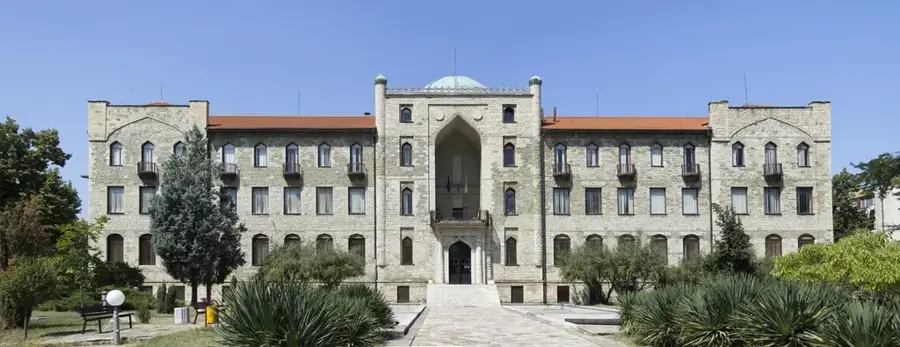
Sultan II.Beyazıd Külliyesi ve Sağlık Müzesi🏛 museum

A historical Ottoman complex in Edirne that now houses a museum of medical history.

Eski Kadın Höyüğü🏺 historical

An archaeological site with traces of settlements located near the Maritsa River.

Çardaklı/Eski Değirmen Yolu🏺 historical

A historical archaeological site along an old road near the Maritsa River.

Edirne Balkan Tarihi Müzesi🏛 museum

Edirne Balkan History Museum on the Maritsa River.

💶

Kazan Bridge📍 landmark

A historical aqueduct or bridge spanning the Maritsa River.

Edirne Central Military Hospital🏺 historical

The ruins of the former central military hospital of Edirne on the Maritsa River.

Kum Kasrı Hamamı🎡 recreation

A historical public bath located on the banks of the Maritsa River.

Mahmudiye Kışlası Hamamı🎡 recreation

A traditional bath near the Maritsa River, associated with the former barracks.

Topkapı Hamamı🎡 recreation

A public bath near the Maritsa River, providing traditional bathing facilities.

Sights nearby

Frequently asked questions

Where does the Maritsa River originate?
It originates in the Rila Mountains at the Maritsa Lakes, at an altitude of about 2378 m.
Is the Maritsa navigable?
It is no longer navigable today, although it was used for timber transport in the past.
Which major cities are located along the Maritsa?
Important cities include Pazardzhik, Plovdiv, Dimitrovgrad, and Svilengrad.
Which sea does the river flow into?
The Maritsa flows into the Aegean Sea (Thracian Sea) near Enez.
What wildlife can be found along the river?
The riverbanks provide habitat for herons, cormorants, and numerous fish species like barbel.
Maritsa River: where is it located?
Maritsa River is located in Bulgaria.
Maritsa River: what is there to see?
Highlights include Sultan II.Beyazıd Külliyesi ve Sağlık Müzesi, Eski Kadın Höyüğü, Çardaklı/Eski Değirmen Yolu.
Maritsa River: when is the best time to visit?
The most pleasant time to visit is Jun, Aug, Sep.
Maritsa River: why is it worth visiting?

The Maritsa River is one of the most significant and water-rich rivers in the Balkan Peninsula, spanning a total length of 480 kilometers across Bulgaria, Greece, and Turkey.
View on map → The Top 50 Attractions → OpenStreetMap →
Europe
Explore with Plizio Discover more places in Europe
More places in Bulgaria →

Nearby cities

History & landmarks