Plizio Visual Lab

Balkan High Plateau
Plizio editorial teamData Sources
Mountain
—°1
Balkan High Plateau (Bulgaria)

Weather…

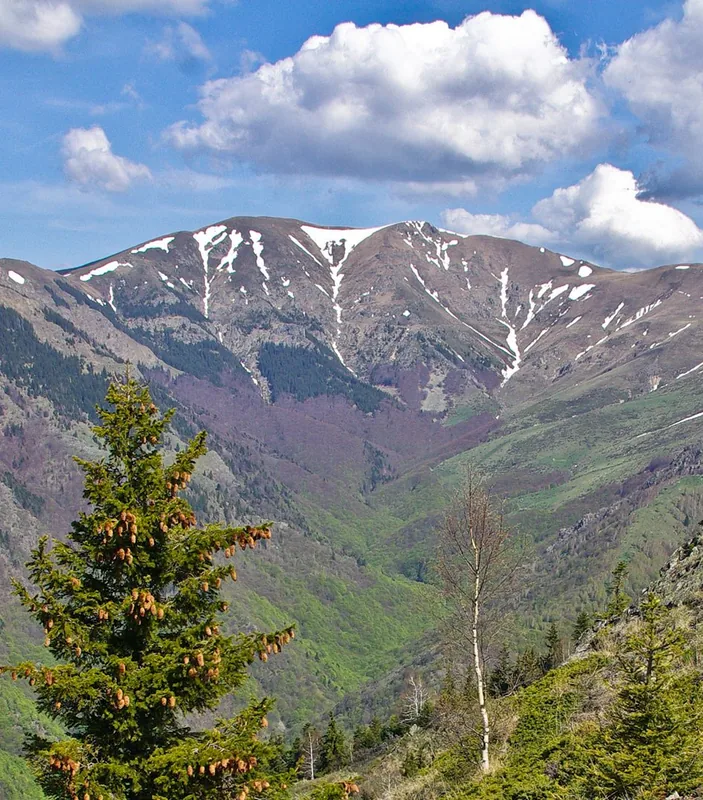
The Balkan High Plateau refers to the extensive, high-altitude karst and pasture surfaces in the central part of the Balkan Mountains. Geomorphologically, this region is characterized by flat summit forms and vast high plateaus, often situated above 2000 meters. The relief is the result of long-term tectonic uplift and subsequent planation and erosion, leading to the plateau formation. Karst phenomena are particularly characteristic in the Central Balkan range, where limestone formations have weathered into complex surface shapes due to precipitation. These uplands have served for centuries as traditional summer pastures for sheep and horses, a practice known as transhumance. The vegetation primarily consists of alpine grasses and endemic mountain flora, as the harsh climate and powerful winds inhibit tree growth. The plateau is a core part of the Central Balkan National Park and provides a critical habitat for protected species such as the brown bear and the griffon vulture.

Best time to visit & climate

The most pleasant time to visit is Jun–Aug.

JanFebMarAprMayJunJulAugSepOctNovDec
Avg °C-1151016202222171160
Rain mm444251528990815457563646

📋 Practical info

🧭
Getting there
Gaining access to this lofty highland plateau usually involves driving up lengthy, twisting mountain roads that gradually ascend above the dense tree line. Visitors typically leave their vehicles at high-altitude passes, mountain refuges, or designated elevated parking zones before beginning their hikes.
📅
Best season
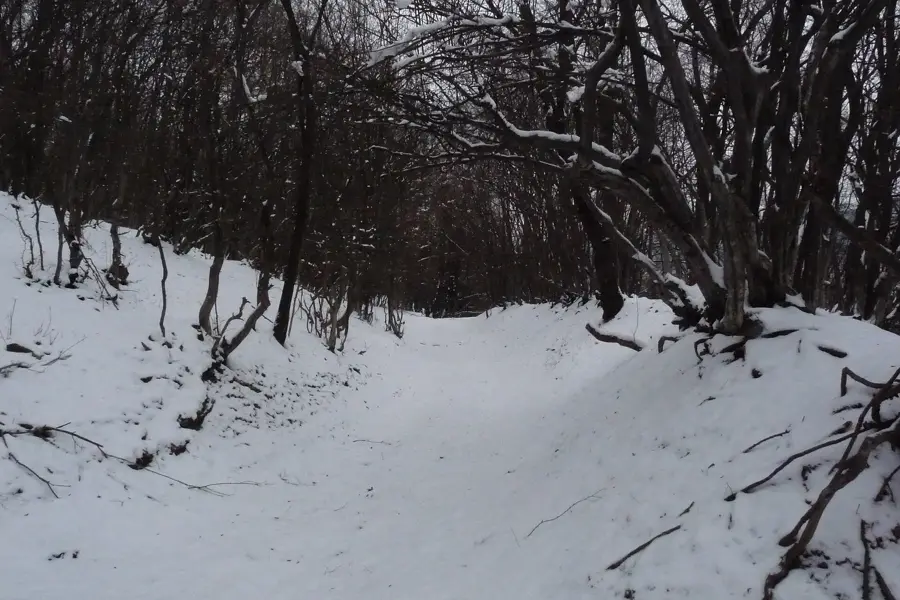
High summer is undoubtedly the absolute best window to experience this terrain, featuring extensively blooming alpine meadows and comfortable clear days. Winter introduces violently extreme weather conditions, transforming the exposed plateau into a totally inaccessible and hazardous frozen expanse.
⛰️
Terrain & paths
The high-altitude environment is defined by overwhelmingly vast, undulating grassy plains that stretch endlessly towards the distant mountain horizons. Although technically lacking steep aggressive inclines, traversing this immense flat expanse still requires substantial stamina due to the sheer vast distances.
🎒
What to bring
Robust windproof outer clothing and very reliable sun protection are incredibly crucial, as the entirely treeless plateau features absolutely zero natural shelter. A detailed, dependable map or GPS device is highly recommended since sudden mountain fogs can rapidly obscure visual navigation across the plains.
🅿️
Parking
Visitors typically leave their cars at designated large parking spaces situated right alongside the high mountain lodges or near the primary communication masts. Ensuring your vehicle's handbrake is firmly applied and avoiding parking on overly soft alpine grass is strongly advised by local mountain authorities.
⚠️
Safety
The predominant danger is the notoriously unpredictable high-altitude weather, which can violently shift from bright hot sunshine to severe freezing conditions within minutes. Thunderstorms present an incredibly acute risk on this exposed terrain, requiring hikers to immediately descend at the very first sign of ominous dark clouds.
⏱️
Time needed
While a brief, refreshing high-altitude walk near the main parking area might last merely an hour, properly traversing the expansive plateau commands a full demanding day. Many enthusiastic trekkers treat this magnificent open grassland as a thrilling multi-day expedition, sleeping securely within established mountain huts.

Geography

Coordinates
42.90000, 24.60000

Facts

  • The high plateaus of the Central Balkans sit at an average elevation of over 2,000 meters.
  • It is home to Raysko Praskalo, the highest waterfall in Bulgaria at 124.5 meters.
  • The plateau region hosts over 1,900 species of vascular plants, many endemic.
  • The area is part of the Central Balkan National Park, established in 1991.
  • The plateau contains the highest concentration of alpine meadows in the range.
  • More than 30 peaks exceeding 2,000 meters are clustered along this high relief section.

Explore nearby

Notable places around
Route planner — Car & Motorhome

Where do you start? We build the route here, with stops and country notes along the way.

Vehicle
Only stops with (optional):

© OpenStreetMap contributors · OpenRouteService

Sights in the town Balkan High Plateau (1)

Koman waterfall📍 landmark

Koman waterfall is an impressive natural attraction located on the Balkan High Plateau.

Sights nearby

Frequently asked questions

Where is the Balkan high plateau located?
In the highest parts of the Balkan Mountains, especially the central part.
What is the landscape like?
Barren, windswept, with alpine meadows.
Are there wind turbines?
Large wind farms have been built along some ridges.
Can you camp there?
Only in designated spots, as it is often a protected area.
Are there water sources?
Water is often scarce on the plateau; carry supplies.
Balkan High Plateau: where is it located?
Balkan High Plateau is located in Bulgaria.
Balkan High Plateau: when is the best time to visit?
The most pleasant time to visit is Jun, Aug.
Balkan High Plateau: why is it worth visiting?

The Balkan High Plateau refers to the extensive, high-altitude karst and pasture surfaces in the central part of the Balkan Mountains.
View on map → The Top 50 Attractions → OpenStreetMap →
Europe
Explore with Plizio Discover more places in Europe
More places in Bulgaria →

Nearby cities

History & landmarks