Plizio Visual Lab

Tijuca Forest
Plizio editorial teamData Sources
Forest
—°10
Tijuca Forest (Brazil)

Weather…

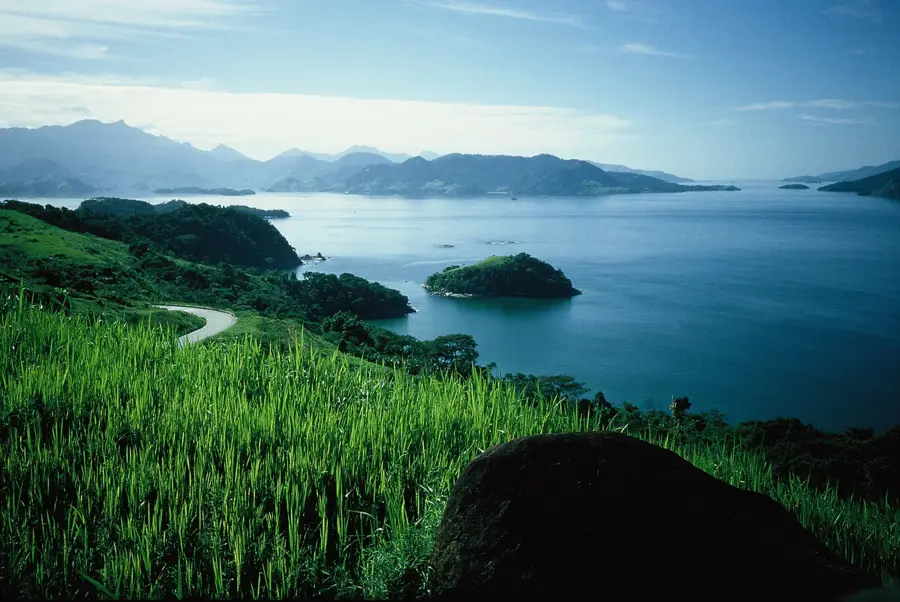
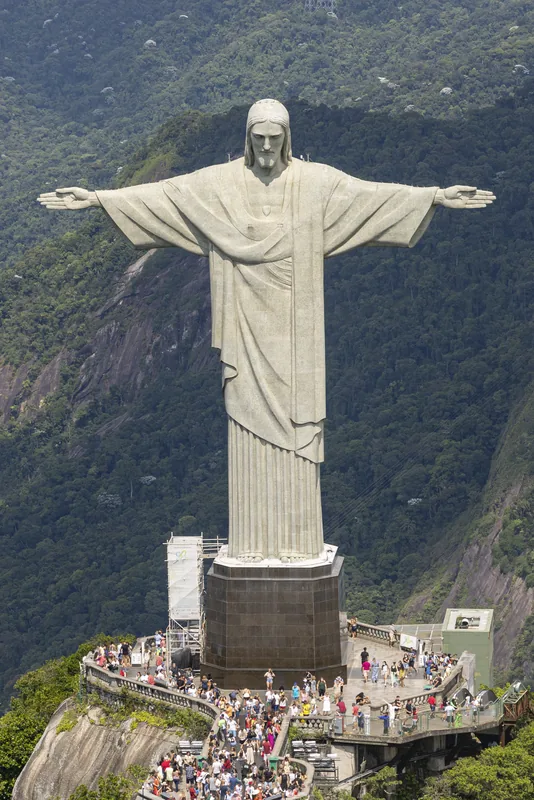
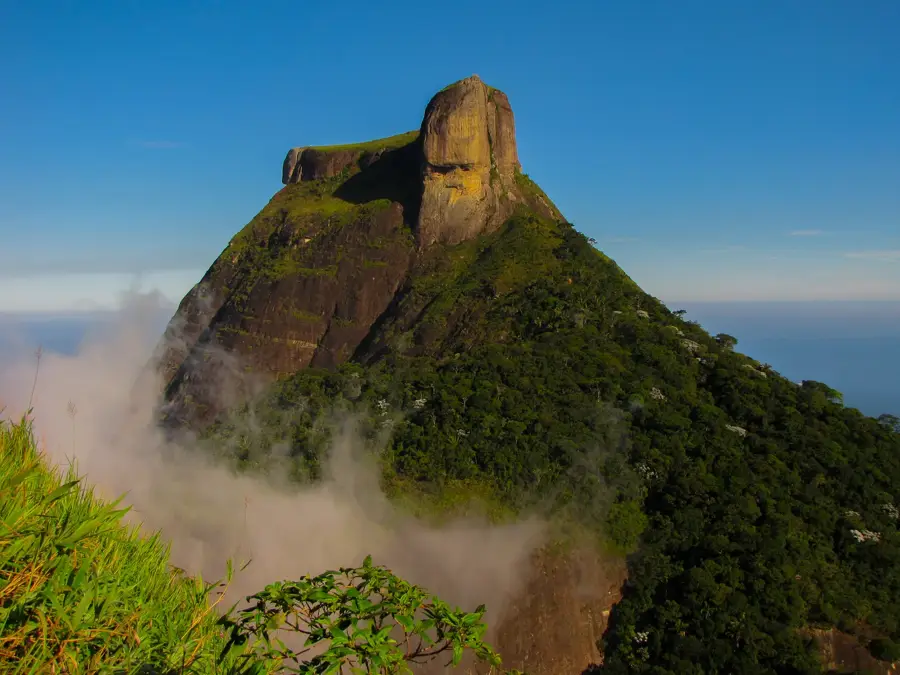
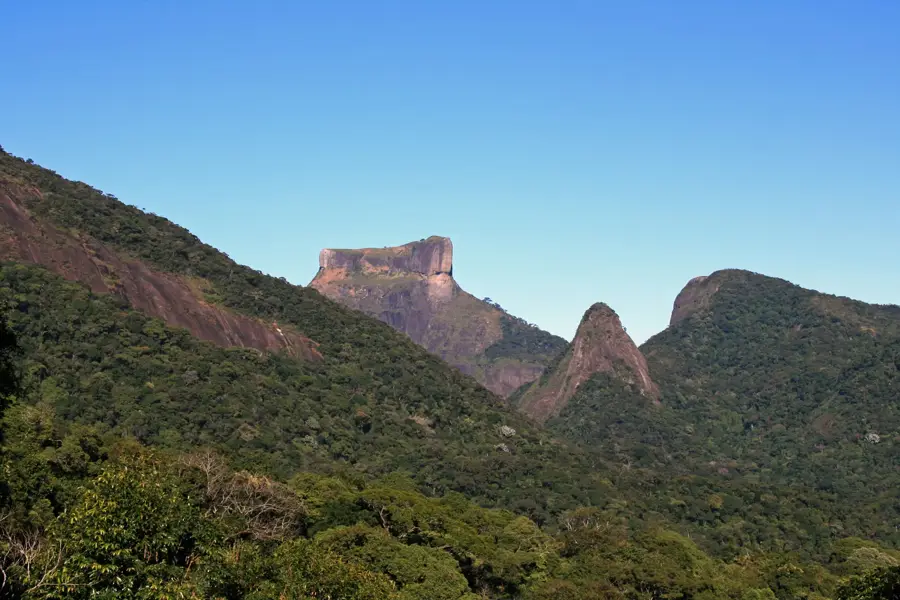
The Tijuca Forest in Rio de Janeiro is considered one of the largest urban forests in the world and serves as a remarkable example of successful ecological restoration. During the 18th and early 19th centuries, the original forest area was almost entirely cleared to make way for coffee plantations and charcoal production. This led to severe water shortages in the city, prompting Emperor Pedro II to order the reforestation of the area in 1861. Under the leadership of Major Manuel Archer, over 100,000 seedlings were planted during the following 13 years, predominantly native species of the Atlantic Forest. Today, the area is protected as the Tijuca National Park and covers an area of approximately 39.5 square kilometers. The park hosts prominent geological formations such as Pico da Tijuca (1,021 m) and the famous Corcovado mountain with the Christ the Redeemer statue. In addition to providing recreation for millions, the forest acts as a vital water reservoir and regulates the microclimate of Rio de Janeiro by lowering temperatures in surrounding neighborhoods.

Best time to visit & climate

The most pleasant time to visit is Jun–Aug.

JanFebMarAprMayJunJulAugSepOctNovDec
Avg °C262625242221212122232425
Rain mm2131771831097048454172117217231

📋 Practical info

🧭
Getting there
Multiple entrance gates exist across Rio, with the most popular largely situated in Alto da Boa Vista. Many sectors can be comfortably reached by car, official taxi, or guided open-air jeep tours.
📅
Best season
Typically remarkably pleasant year-round, reliably offering a cooler, shaded retreat from the intense city heat during summer. The slightly drier winter months are generally much better for safely hiking the steeper peaks.
⛰️
Terrain & paths
Contains a remarkably diverse mix of paved scenic roads, well-trodden local dirt trails, and unexpectedly steep rocky ascents. The environment is heavily humid and constantly shaded by the immense Atlantic rainforest canopy.
🎒
What to bring
Bring absolute plenty of pure drinking water, strong insect repellent, and shoes with noticeably good traction for incredibly muddy paths. A light functional rain jacket is always highly useful due to the dense forest's unique microclimate.
🅿️
Parking
Designated safe parking areas are usually clearly available near major impressive attractions like the visitor center or popular waterfalls. Spaces can practically be very severely limited on especially sunny, pleasant weekends.
⚠️
Safety
Stick exclusively to the strictly marked official trails to completely avoid dangerously getting terribly lost in the immensely thick vegetation. It is largely strongly advised to mostly visit during daylight hours and purely avoid openly carrying flashy valuables.
⏱️
Time needed
A typical enjoyable visit easily ranges flexibly from a quick two-hour beautiful scenic drive to a thrilling full-day extreme hiking adventure. Most excellent guided local tours generally spend roughly three to four hours widely exploring the most main historic sights.

Geography

Coordinates
-22.96000, -43.27000

Facts

  • The official reforestation project began in 1861.
  • Major Manuel Archer planted over 100,000 trees in 13 years.
  • The Tijuca National Park covers about 39.5 square kilometers.
  • Pico da Tijuca is the highest point at 1,021 meters.
  • The Christ the Redeemer statue on Corcovado is inside the park.
  • There are more than 30 waterfalls within the park's boundaries.

Explore nearby

Notable places around
Route planner — Car & Motorhome

Where do you start? We build the route here, with stops and country notes along the way.

Vehicle
Only stops with (optional):

© OpenStreetMap contributors · OpenRouteService

Sights in the town Tijuca Forest (10)

Museu Histórico da Cidade do Rio de Janeiro🏛 museum

Set within the forested borders of Tijuca, this museum preserves historical artifacts detailing the development of Rio de Janeiro.

🕒 Tu-Fr 10:00-16:00; Sa-Su, PH 10:00-15:00

GRESE Império da Tijuca📍 landmark

This notable samba school is an animated cultural institution celebrating Brazilian carnival traditions in the Tijuca region.

Pico do Perdido🌿 nature

This prominent mountain peak rises steeply above the dense Atlantic rainforest canopy of Tijuca.

Morro do Céu🌿 nature

Known as the 'Hill of the Sky', this elevated summit provides panoramic views across the Tijuca Forest.

Pico da Tijuca🌿 nature

As the highest point in the Tijuca Forest, this prominent summit is accessed via steps carved into the solid rock.

Museu do Açude🏛 museum

Located in a historical estate in the Tijuca Forest, this museum showcases art collections surrounded by lush gardens.

Igreja de Nossa Senhora da Penna⛪ religious

Founded in 1661, this historic Christian church stands as a venerable site of worship in the Tijuca region.

Capela São Gerardo⛪ religious

This small, dedicated religious chapel serves as a serene place of worship amid the Tijuca surroundings.

Cachoeira das Almas📍 landmark

This easy on the eye natural waterfall cascades gently through a rocky gorge in the Tijuca Forest.

Lago das Fadas📍 landmark

Known as the 'Fairy Lake', this tranquil natural water body is positioned within the verdant Tijuca Forest.

Sights nearby

Frequently asked questions

What is the Tijuca Forest?
It is one of the world's largest urban forests, located in the heart of Rio de Janeiro. It was artificially reforested.
How do you get there?
Best by taxi, Uber, or guided jeep tours from the Zona Sul. There are several entrances to the park.
What are the highlights?
The Christ the Redeemer statue on Corcovado, the Cascatinha Taunay waterfall, and the Vista Chinesa viewpoint.
Is hiking safe there?
Stay on the main trails and preferably hike in groups or with a guide. The park is patrolled during the day.
How much is the entrance fee?
Access to the national park itself is free. However, there are fees to visit the Christ the Redeemer statue.
Tijuca Forest: where is it located?
Tijuca Forest is located in Brazil.
Tijuca Forest: what is there to see?
Highlights include Museu Histórico da Cidade do Rio de Janeiro, GRESE Império da Tijuca, Pico do Perdido.
Tijuca Forest: when is the best time to visit?
The most pleasant time to visit is Jun, Aug.
Tijuca Forest: why is it worth visiting?

The Tijuca Forest in Rio de Janeiro is considered one of the largest urban forests in the world and serves as a remarkable example of successful ecological restoration.
View on map → The Top 50 Attractions → OpenStreetMap →
South America
Explore with Plizio Discover more places in South America
More places in Brazil →

Nearby cities

History & landmarks
More places