Plizio Visual Lab

Museum of Tomorrow
Plizio editorial teamData Sources
Landmark
—°13
Museum of Tomorrow (Brazil)

Weather…

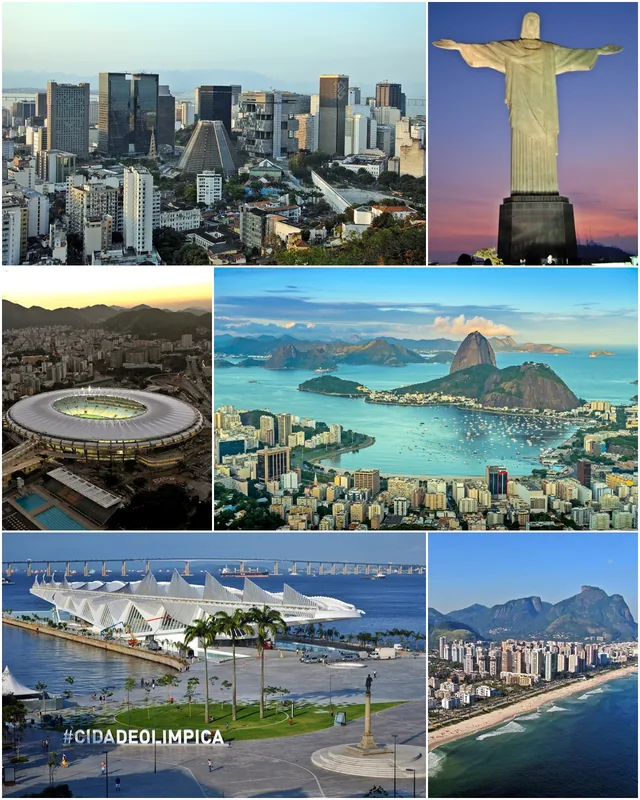
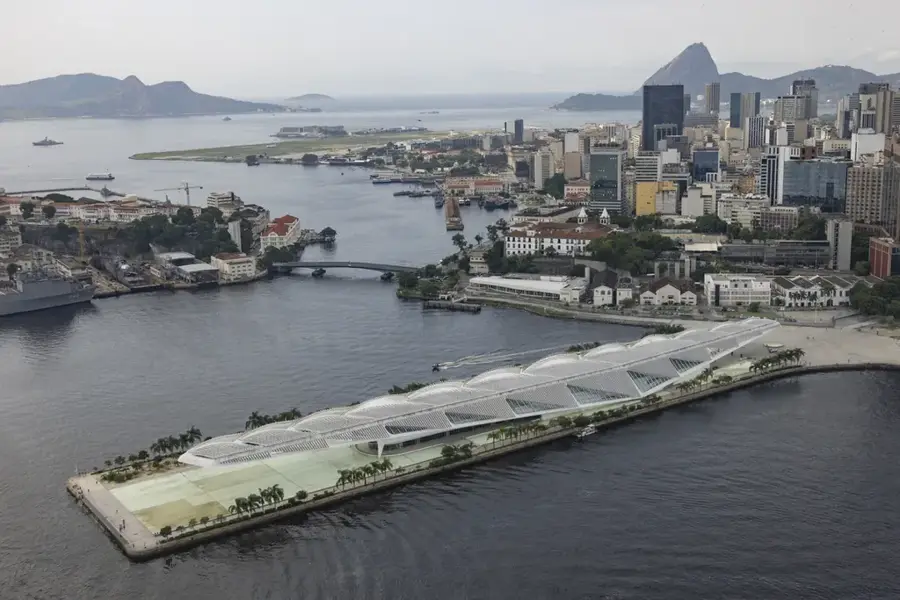
The Museum of Tomorrow (Museu do Amanhã) in Rio de Janeiro is a cutting-edge science museum focused on sustainability and the potential future of humanity. Designed by the acclaimed Spanish architect Santiago Calatrava, it was opened in December 2015 as part of the Porto Maravilha harbor redevelopment project. The building features a remarkable neofuturistic design, characterized by a cantilevered roof with mobile solar panels that move like wings to follow the sun. Its interactive exhibits use digital media to explore global themes such as climate change, population growth, and technological evolution. Ecological efficiency is a core part of the design, with the structure using water from Guanabara Bay for its cooling system and recycling rainwater. Located on Pier Mauá, the museum has expansive views of the bay and has received numerous international awards for its architecture and environmental commitment. It serves as a visual icon of Rio's modern urban renewal.

Best time to visit & climate

The most pleasant time to visit is Jun–Aug.

JanFebMarAprMayJunJulAugSepOctNovDec
Avg °C262625242222212122232325
Rain mm2081521731017149454269108220232

📋 Practical info

🚪
Visiting
The Museum of Tomorrow is open daily to visitors, except Mondays. The permanent and temporary exhibitions are accessible to wheelchair users.
🕒
Typical hours
The museum typically opens Tuesday through Sunday at 10:00 am and closes at 5:00 or 6:00 pm. Last entry is about one hour before closing.
📷
Photography
Photography is allowed in exhibition areas without flash. In some interactive zones, photography may be restricted for conservation reasons.
⏱️
Time needed
An average museum visit takes about two hours. Science enthusiasts should allow three hours to explore all stations.
Combine with
Combine your visit with the nearby AquaRio or MAR (Museu de Arte do Rio). The area also gives nice walks along the bay.
🧭
Getting there
The museum is located in the port area (Porto Maravilha), reachable by metro (Carioca or Cinelândia station plus a walk). Buses and VLT (light rail) also stop nearby.
💡
Insider tip
Visit the museum on a weekday to avoid crowds. The rooftop observation platform gives a fantastic view of Guanabara Bay.

Geography

Coordinates
-22.89430, -43.18130

Facts

  • Opened to the public on December 17, 2015.
  • The cantilevered roof extends 75 meters beyond the pier.
  • It incorporates 5,492 mobile solar panels on its exterior.
  • The building uses 9.2 million liters of bay water daily for cooling.
  • It attracted over 1.4 million visitors in its first year of operation.
  • The project was a central part of the 'Porto Maravilha' initiative.

Explore nearby

Notable places around
Route planner — Car & Motorhome

Where do you start? We build the route here, with stops and country notes along the way.

Vehicle
Only stops with (optional):

© OpenStreetMap contributors · OpenRouteService

Sights in the town Museum of Tomorrow (13)

Morro do Ouro🌿 nature

A forested hill in Rio's port district, offering a quiet viewpoint over the city center.

Morro do Cabaceiro🌿 nature

An urban elevation in Rio de Janeiro, part of the historic chain of hills near Guanabara Bay.

Morro do Zumbi🌿 nature

A historic hill in the port zone, named after the legendary leader of the resistance against slavery.

Visconde de Mauá🏺 historical

A bronze monument erected in 1910 by Rodolfo Bernardelli, honoring the major Brazilian industrial pioneer.

Praia da Engenhoca🎡 recreation

A small, quiet beach on Guanabara Bay, well-suited for shorefront walks away from the crowds.

Lona Cultural Renato Russo🎭 culture

A colorful cultural tent named after the legendary rock singer, offering concerts and classes for the community.

Candinho (Centro Cultural Cândido José de Araújo)🎭 culture

A cultural center in the port district dedicated to Afro-Brazilian history and the legacy of black football.

Museum of Tomorrow🏛 museum

Designed by Santiago Calatrava, this futuristic science museum on Pier Mauá focuses on sustainability and the future of the planet.

🕒 Mo,Tu,Th-Su 10:00-18:00💶

Igreja Presbiteriana da Ribeira⛪ religious

A Presbyterian house of worship in the Ribeira neighborhood, characterized by its simple Protestant architecture.

🕒 Th 07:00-08:00; Tu 19:00-20:30; Su 19:00-21:00

Communidade Cristã Evangélica📍 landmark

A modern evangelical Christian community center known for its animated worship services in Rio.

Igreja Batista de Neves📍 landmark

A Baptist church located in the Neves district, dedicated to Christian mission and community outreach.

Our Lady of the Snows Parish📍 landmark

This Catholic parish is dedicated to Our Lady of the Snows and serves as a hub for local religious life.

A Igreja de Jesus Cristo dos Santos dos Últimos Dias⛪ religious

A Mormon meetinghouse notable for its modern architecture and assembly rooms for the Latter-day Saints.

Sights nearby

Frequently asked questions

What is the Museum of Tomorrow about?
It is a science museum focused on sustainability and the future of the planet.
Do I need to buy tickets online?
Yes, tickets must be purchased exclusively online for fixed time slots.
Is there a day with free entry?
Tuesdays used to be free; check their website for current promotions.
Who is the architect of the building?
The futuristic building was designed by Spanish architect Santiago Calatrava.
How much time should I plan for the visit?
Plan for about 2 to 3 hours to enjoy the interactive exhibits.
Museum of Tomorrow: where is it located?
Museum of Tomorrow is located in Brazil.
Museum of Tomorrow: what is there to see?
Highlights include Morro do Ouro, Morro do Cabaceiro, Morro do Zumbi.
Museum of Tomorrow: when is the best time to visit?
The most pleasant time to visit is Jun, Aug.
Museum of Tomorrow: why is it worth visiting?
The Museum of Tomorrow (Museu do Amanhã) in Rio de Janeiro is a cutting-edge science museum focused on sustainability and the potential future of humanity.
View on map → The Top 50 Attractions → OpenStreetMap →
South America
Explore with Plizio Discover more places in South America
More places in Brazil →

Nearby cities

History & landmarks
More places