Plizio Visual Lab
Rio de Janeiro
ℹ️Practical info — Rio de Janeiro
▾
🌤 Weather — 5 days
📍 Nearby
Sights nearby
💡 Tips
- To visit Christ the Redeemer, take the earliest train of the day to avoid the immense midday crowds.
- Use the Metrô Rio for getting around the South Zone and downtown; it's clean, air-conditioned, and very safe.
- When at the beach, do not leave your belongings unattended in the sand, even for a quick swim.
- Uber or registered taxi apps are highly recommended for evening travel instead of flagging down random cabs.
🍽 Food
Brazil's national dish of black beans and pork, traditionally eaten on Saturdays in traditional botecos or samba clubs.
A refreshing bowl of frozen açaí berry purée with granola, available at nearly every beach kiosk and juice bar.
The classic beach snack: light manioc biscuits washed down with sweet, ice-cold mate tea sold by beach vendors.
🛍 Shopping · 🧘 Quiet spots
A lively Sunday market at Praça General Osório featuring local art, leather goods, and street food.
A sprawling downtown bazaar area where you can buy Carnival gear, clothes, and souvenirs at local prices.
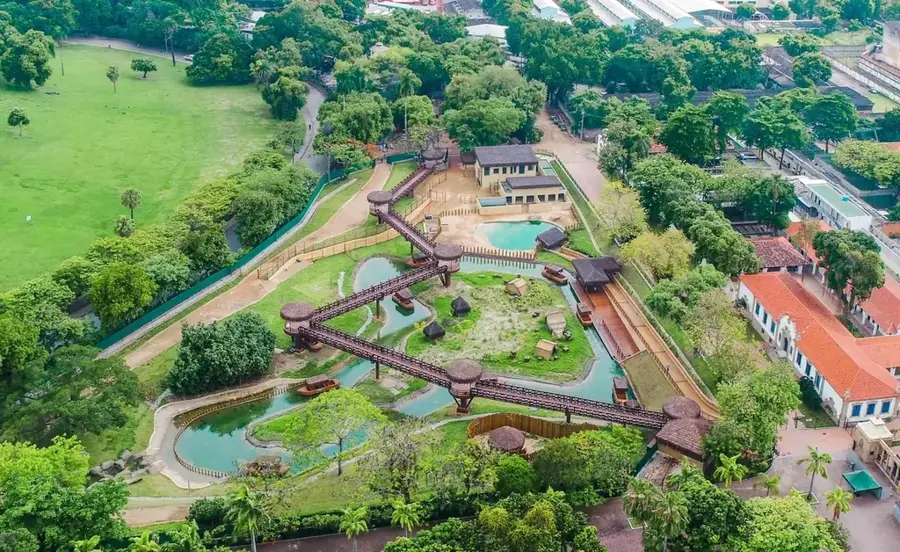
Walk along the famous Avenue of Royal Palms in this vast, peaceful botanical garden tucked away under Corcovado.
Located in Santa Teresa, it has a serene atmosphere and spectacular panoramic views without the massive crowds.
A huge, landscaped waterfront park convenient for a quiet morning cycle or walk with views of Sugarloaf.
Water temperature…
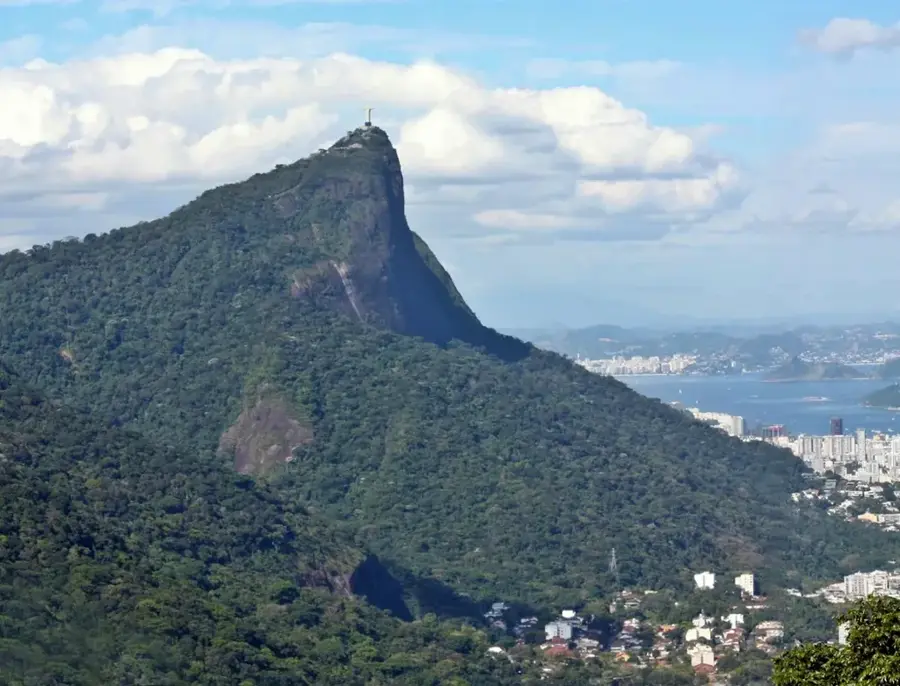
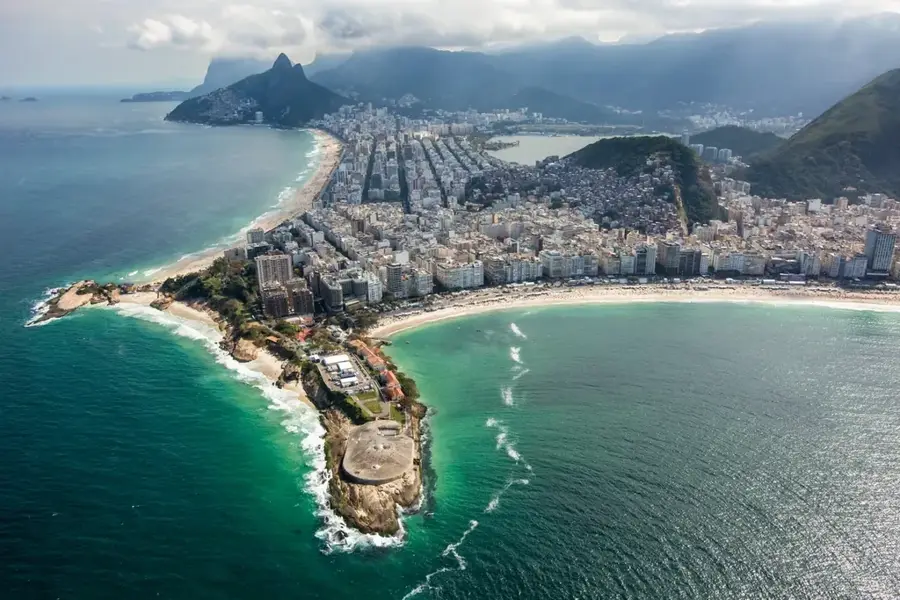
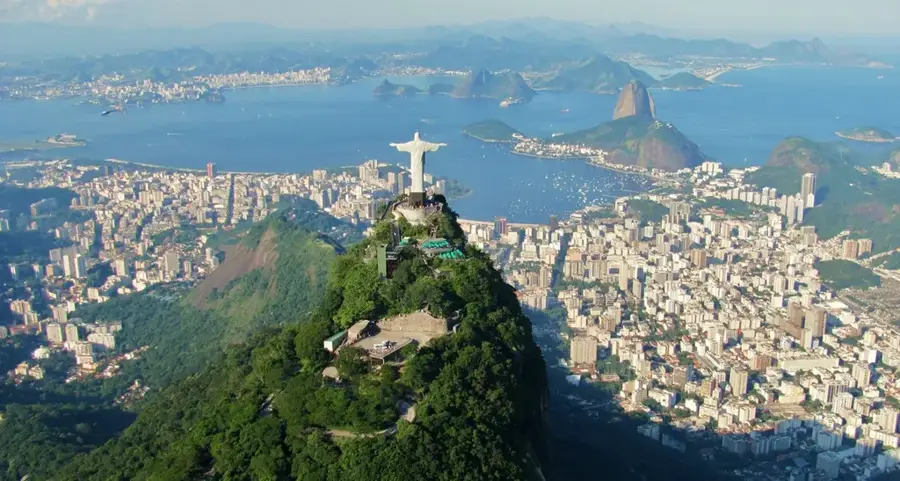
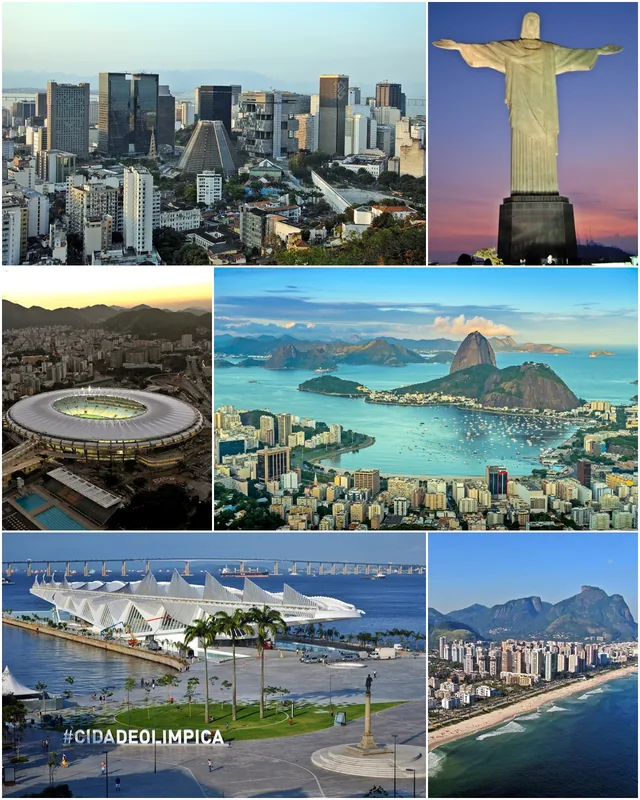
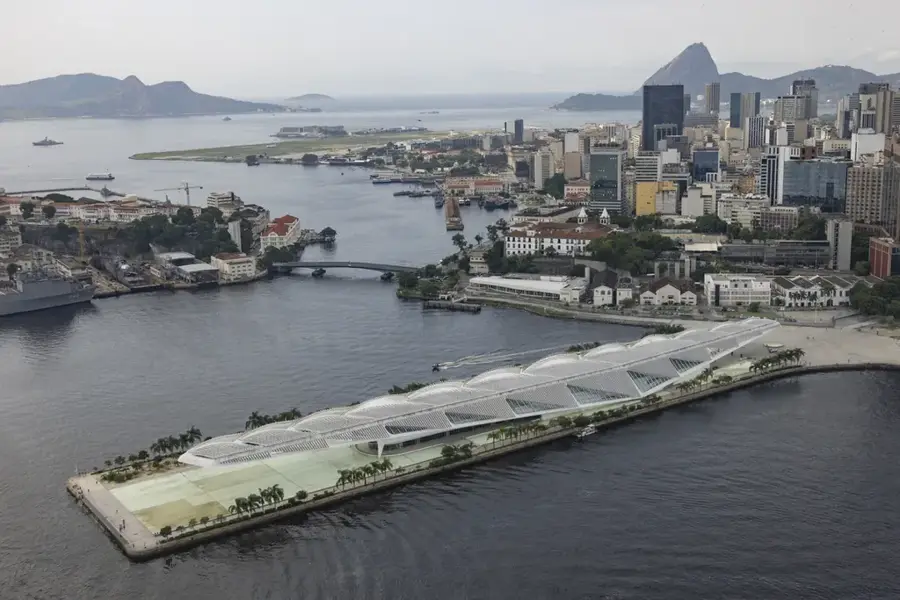
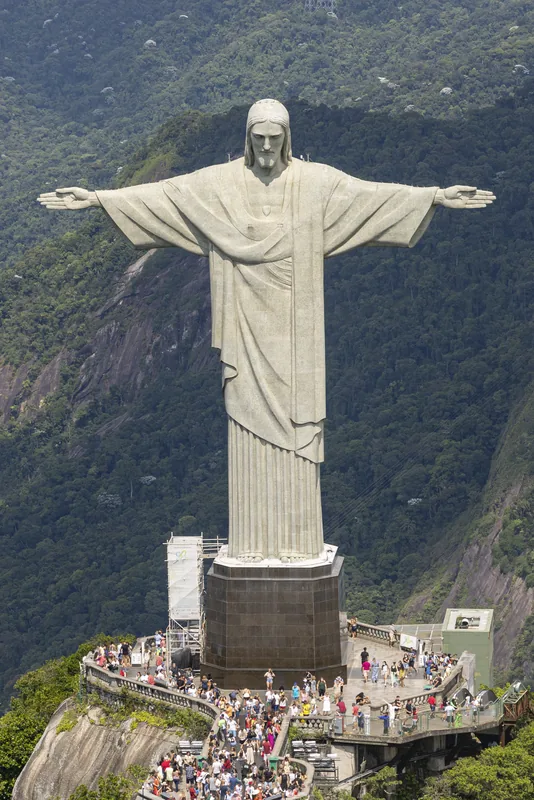
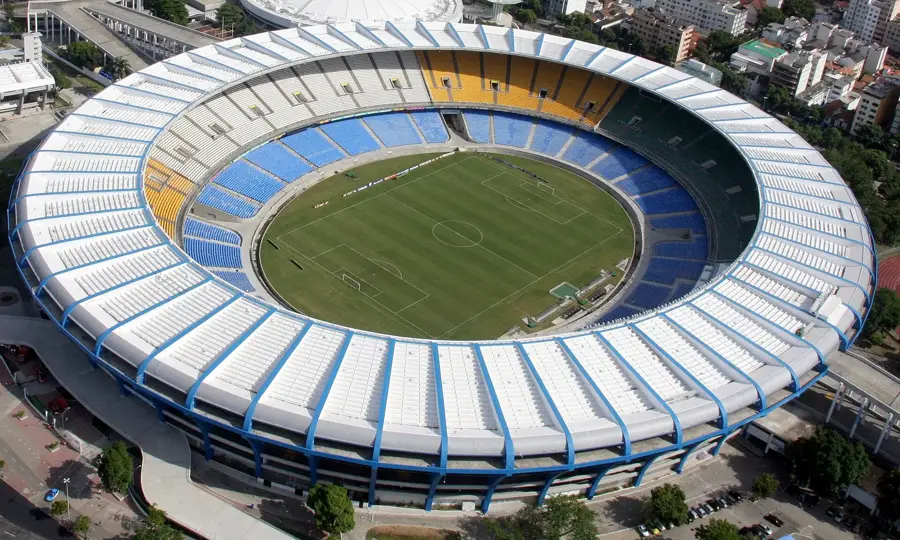
Rio de Janeiro, the second-largest city in Brazil and a global cultural icon, is situated on the South Atlantic coast against a backdrop of steep, forest-clad mountains. Founded in 1565 by Portuguese colonists, it rose to prominence as a major port for gold and diamonds before serving as the capital of Brazil for 197 years. Its geography is legendary, featuring iconic granite monoliths like Sugarloaf Mountain and the Corcovado, the latter crowned by the world-famous Christ the Redeemer statue. The city's coastal strip is lined with some of the world's most famous beaches, including Copacabana and Ipanema, which serve as central hubs for social life and sports. Economically, Rio is a heavyweight in the petroleum and energy sectors, serving as the operational heart of the Brazilian oil industry. It is also a powerhouse of media and entertainment, being the home of the Globo network. Culturally, Rio is the spiritual home of Samba and was the birthplace of Bossa Nova in the 1950s. The Rio Carnival is internationally recognized as the world's largest street party, a massive display of music, choreography, and costume. The city's social fabric is famously complex, characterized by the proximity of high-end real estate and sprawling favelas, which have developed their own unique cultural and artistic movements. Rio hosted the 2014 FIFA World Cup final and the 2016 Summer Olympics, leading to significant urban redevelopment, particularly in the historic port area. As a center of education and research, it hosts the Federal University of Rio de Janeiro and various national institutes. The residents, known as Cariocas, are celebrated for their outgoing nature and their deep-seated passion for football and the outdoors. Rio de Janeiro remains an essential symbol of Brazilian national identity, blending natural beauty with a dynamic, if challenging, urban reality.
- Location: Brazil
- Top sights: Museu Naval · Museu Histórico Nacional · Paço Imperial
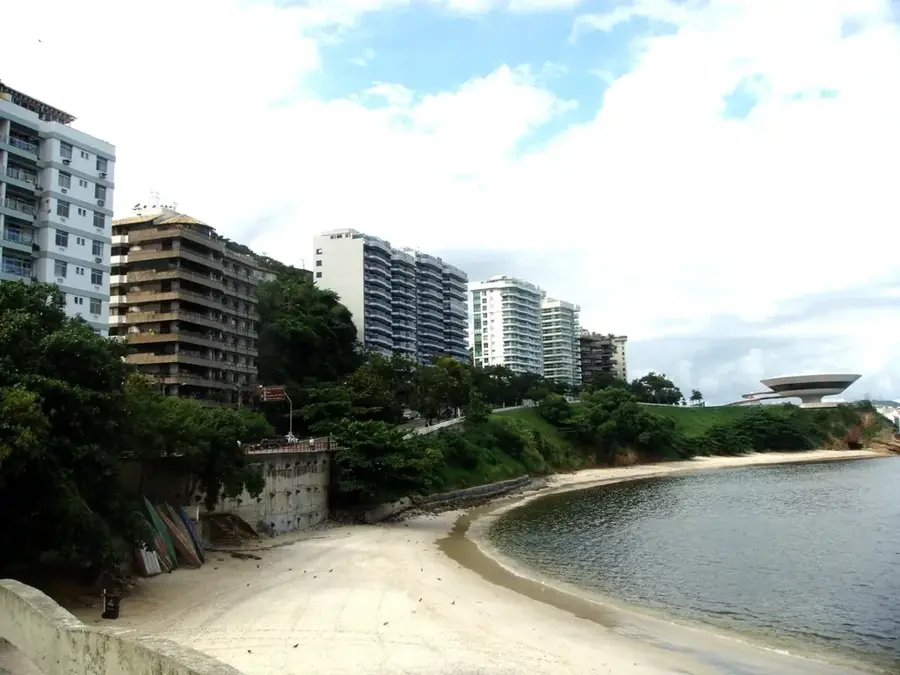
- Nearby: Niterói (6 km)
- Population: ~6.747.815 (2026)
Best time to visit & climate
The most pleasant time to visit is Jun–Aug.
| Jan | Feb | Mar | Apr | May | Jun | Jul | Aug | Sep | Oct | Nov | Dec | |
|---|---|---|---|---|---|---|---|---|---|---|---|---|
| Avg °C | 26 | 26 | 25 | 24 | 22 | 22 | 21 | 21 | 22 | 23 | 23 | 25 |
| Rain mm | 208 | 152 | 173 | 101 | 71 | 49 | 45 | 42 | 69 | 108 | 220 | 232 |
Geography
Facts
- Rio's coastline stretches for about 246 kilometers, including bay and ocean fronts.
- The city was founded by Estácio de Sá to expel French settlers from the area.
- Rio de Janeiro has more than 1,000 favelas spread across the metropolitan area.
- The Christ the Redeemer statue was funded almost entirely by donations from Brazilian Catholics.
- The city's metro system, opened in 1979, carries over 1 million passengers daily.
- Sugarloaf Mountain is a monolith of quartz and granite that rises 396 meters above the harbor.
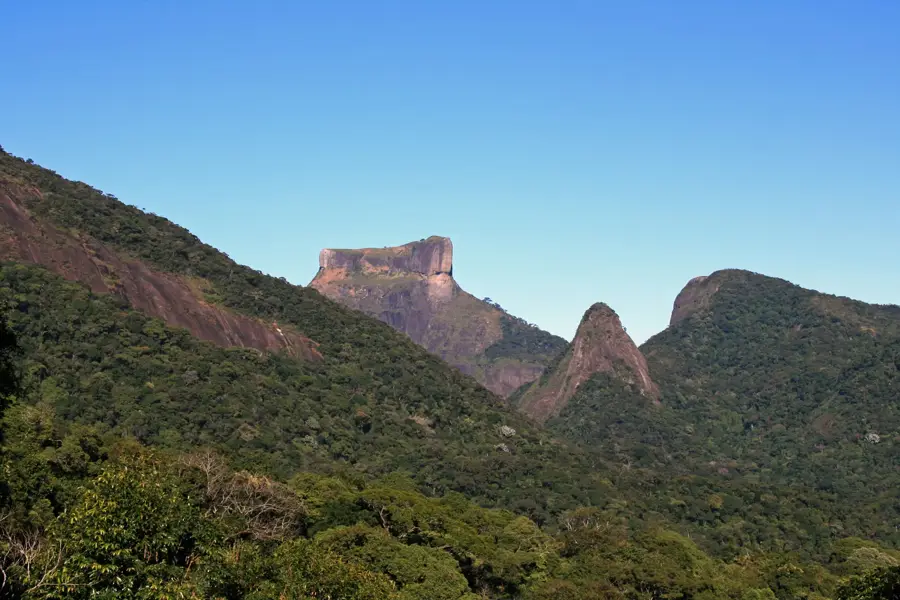
- Rio is home to the world's largest urban forest, the Pedra Branca State Park.
- The Port of Rio de Janeiro is one of the busiest in Brazil for luxury cruise ships.
Explore nearby
Notable places around
Route planner — Car & Motorhome
Where do you start? We build the route here, with stops and country notes along the way.
© OpenStreetMap contributors · OpenRouteService
Sights in the town Rio de Janeiro (11)
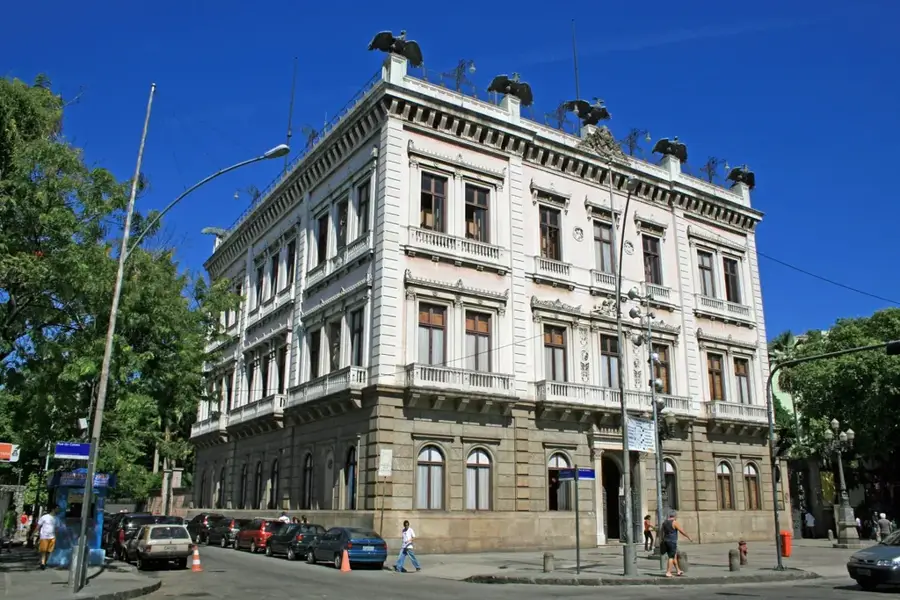
Museu Histórico Nacional🏛 museum
Established in 1922, this comprehensive museum occupies a former colonial arsenal and houses thousands of relics spanning Brazil's entire history.
Frequently asked questions
How many days are needed for Rio de Janeiro?
When is the best time to visit?
What local food should I try?
How safe is the city for tourists?
Is Rio a family-friendly destination?
Rio de Janeiro: where is it located?
Rio de Janeiro: what is there to see?
Rio de Janeiro: when is the best time to visit?
Rio de Janeiro: why is it worth visiting?
Nearby cities
History & landmarks
More places