Plizio Visual Lab

Valongo Wharf
Plizio editorial teamData Sources
Historical site
—°9
Valongo Wharf (Brazil)

Weather…

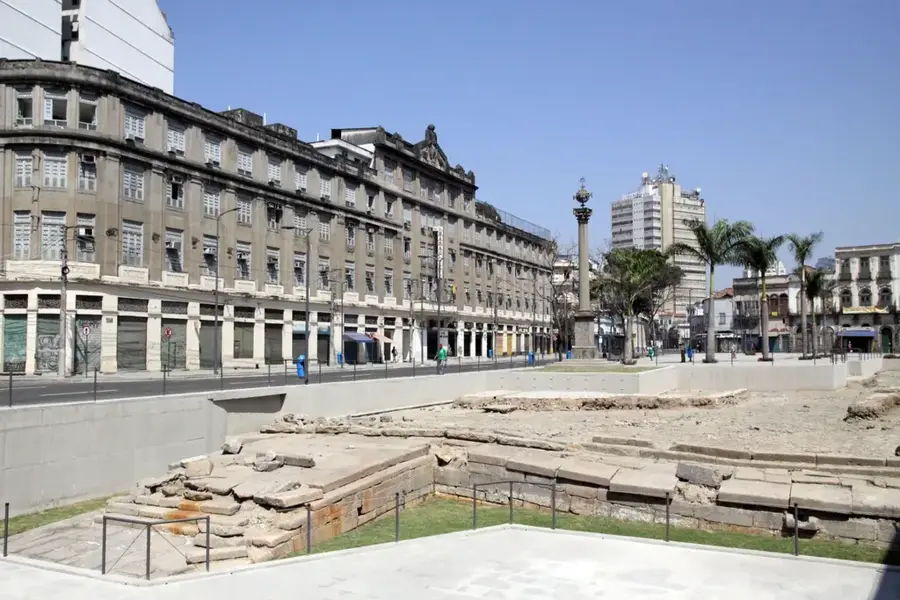
The Valongo Wharf (Cais do Valongo) in Rio de Janeiro's port area is the most significant archaeological site in Brazil related to the transatlantic slave trade. Between 1811 and 1831, it was the primary landing point for enslaved Africans in South America, with an estimated 900,000 individuals arriving at this location. The wharf was paved over in 1843 for the arrival of Princess Teresa Cristina and remained hidden for over a century. It was only rediscovered in 2011 during the massive "Porto Maravilha" renovation project. UNESCO designated the site as a World Heritage Site in 2017, recognizing it as a place of memory for one of the greatest crimes in human history. It is part of Rio's "Little Africa" (Pequena África) region, a district rich in Afro-Brazilian heritage and cultural resistance. Today, the exposed stone floors serve as a powerful memorial and educational space to raise awareness about the legacy of slavery. The site stands as a symbol of both the profound suffering and the enduring cultural impact of the African diaspora in Brazil.

Best time to visit & climate

The most pleasant time to visit is Jun–Aug.

JanFebMarAprMayJunJulAugSepOctNovDec
Avg °C262625242222212122232325
Rain mm2081521731017149454269108220232

📋 Practical info

🚪
Visiting
Valongo Wharf is an open-air monument that can be visited free of charge at any time. The memorial site with its historic stone paving is located right on Guanabara Bay and is publicly accessible.
🕒
Typical hours
As it is a public space, there are no fixed opening hours; the wharf is accessible 24/7. However, daytime visits are recommended to better appreciate the details and inscriptions.
📷
Photography
Photography is unrestricted for personal and artistic use. Be mindful not to disturb other visitors who may be paying their respects at the memorial.
⏱️
Time needed
A visit to the wharf itself takes about 15 to 30 minutes to read the plaques and take in the surroundings. Combined with the nearby African Heritage Museum, you can easily spend half a day.
Combine with
Combine your visit with the nearby African Heritage Museum for a deeper understanding of the slave trade history. The historic port district of Zona Portuária with its cafés and galleries is also worth exploring.
🧭
Getting there
Valongo Wharf is located in the Saúde neighborhood of Rio de Janeiro, easily reachable by metro (Uruguaiana station) or bus. From the station, it is about a 10-minute walk southeast.
💡
Insider tip
Visit in the late afternoon when the light is soft and the atmosphere is especially poignant. Take time to read the informational panels to fully grasp the historical significance of the site.

Geography

Coordinates
-22.89660, -43.18730

Facts

  • Designated a UNESCO World Heritage Site in 2017
  • Estimated 900,000 enslaved Africans arrived at this wharf
  • Built in the year 1811 as the main slave trading port
  • Rediscovered in 2011 during urban renovation projects
  • Renamed Cais da Imperatriz in 1843 after being paved over
  • Located in the Gamboa neighborhood of Rio de Janeiro

Explore nearby

Notable places around

Route planner — Car & Motorhome

Where do you start? We build the route here, with stops and country notes along the way.

Vehicle
Only stops with (optional):

© OpenStreetMap contributors · OpenRouteService

Sights in the town Valongo Wharf (9)

Morro da Providência🌿 nature

A historic hill near the port, regarded as the birthplace of Brazil's first favela.

Morro da Conceição🌿 nature

An easy on the eye hill with cobblestone streets and well-preserved colonial-era houses.

Casa Tia Ciata🏛 museum

A museum dedicated to the legacy of Tia Ciata, a key figure in the history of samba.

Dock of Valongo🏺 historical

Remnants of the old stone docks in the port district where enslaved people once arrived.

Largo Da Prainha📍 landmark

A lively square at the foot of Morro da Conceição, famous for its samba nights.

kobra’s art murals📍 landmark

Massive, colorful murals by artist Eduardo Kobra, depicting indigenous faces from around the world.

Praça dos Estivadores🌳 park

A public square historically linked to the dockworkers' union movement.

Centro Cultural Ação da Cidadania🎭 culture

A cultural center housed in a monumental 1871 iron warehouse in the port district.

Pedra do Sal📍 landmark

A historic stone site known as the birthplace of modern samba and a center of Afro-Brazilian tradition.

Sights nearby

Frequently asked questions

What is Cais do Valongo?
A former pier in Rio where millions of slaves arrived from Africa.
Why is this place important?
It is a symbol of the heritage and suffering of African ancestors in Brazil.
When was it rediscovered?
In 2011, during excavations for the Porto Maravilha urban renewal.
Where exactly in Rio is it located?
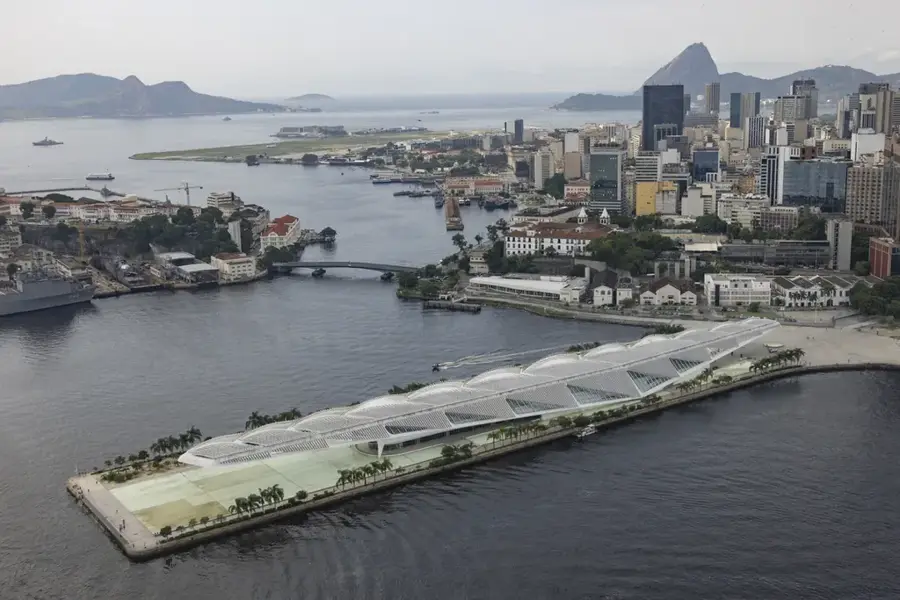
In the port district, near Praça Mauá and the Museum of Tomorrow.
Is entrance free?
Yes, it is an open archaeological excavation site on a public square.
Valongo Wharf: where is it located?
Valongo Wharf is located in Brazil.
Valongo Wharf: what is there to see?
Highlights include Morro da Providência, Morro da Conceição, Casa Tia Ciata.
Valongo Wharf: when is the best time to visit?
The most pleasant time to visit is Jun, Aug.
Valongo Wharf: why is it worth visiting?
The Valongo Wharf (Cais do Valongo) in Rio de Janeiro's port area is the most significant archaeological site in Brazil related to the transatlantic slave trade.
View on map → The Top 50 Attractions → OpenStreetMap →
South America
Explore with Plizio Discover more places in South America
More places in Brazil →

Nearby cities

History & landmarks
More places