Plizio Visual Lab

Maracanã Stadium

Plizio editorial teamData Sources
Landmark
—°16
Maracanã Stadium (Brazil)

Weather…

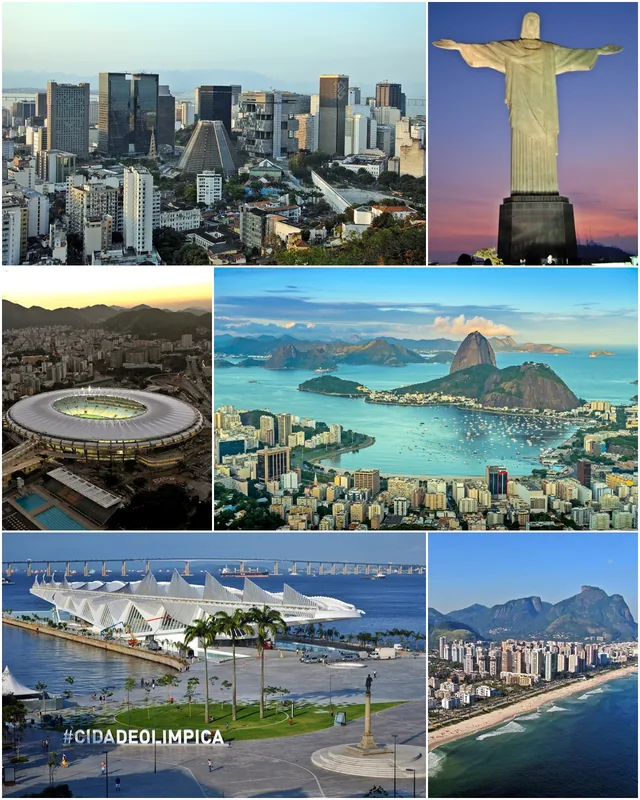
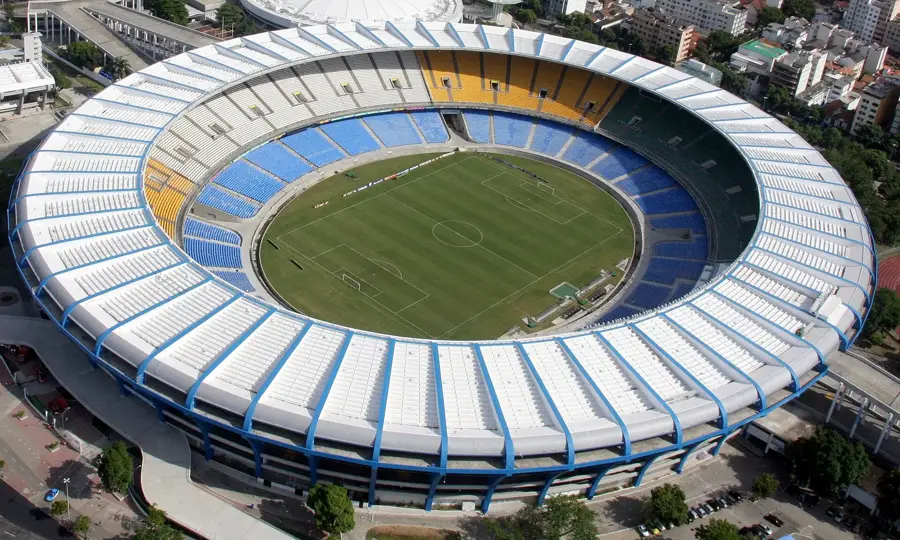
The Maracanã Stadium in Rio de Janeiro, officially Estádio Jornalista Mário Filho, was built for the 1950 FIFA World Cup. At its opening, it was the largest stadium in the world and recorded a record attendance of nearly 200,000 people during the decisive match between Brazil and Uruguay. Over the years, the stadium has been modernized several times, notably for the 2014 World Cup and the 2016 Summer Olympics. The current capacity is approximately 78,000 seats, with safety and comfort upgraded to international standards. It is the home ground for major Rio clubs Flamengo and Fluminense and the site of numerous historic football moments. In addition to sports events, Maracanã also serves as a stage for mega-concerts by world-famous artists. The architecture, with its circular structure and modern membrane roof, is a symbol of the Brazilian passion for football. The stadium also houses a museum documenting the glorious history of Brazilian sports.

Best time to visit & climate

The most pleasant time to visit is Jun–Aug.

JanFebMarAprMayJunJulAugSepOctNovDec
Avg °C262625242222212122232325
Rain mm2081521731017149454269108220232

📋 Practical info

🚪
Visiting
The Maracanã Stadium can be visited through guided tours, typically offered daily. On match days, the interior is not accessible to visitors without a ticket.
🕒
Typical hours
Guided tours usually run from 9:00 am to 5:00 pm, with the last tour starting around 4:00 pm. On match days, tours are often limited or cancelled.
📷
Photography
Photography is allowed during the tour, but without flash in the museum section. Wide-angle shots from the stands are particularly rewarding.
⏱️
Time needed
The stadium tour takes about one hour. If you also want to visit the adjacent exhibition, allow an extra 30 minutes.
Combine with
Combine your stadium visit with the nearby Maracanã Museum. The Sambódromo is also just a short drive away.
🧭
Getting there
The stadium is accessible by metro (Line 2, Maracanã station) or bus. Taxis and ride-sharing services are also a good option.
💡
Insider tip
Visit the stadium on a non-match day to enjoy the atmosphere peacefully. For an authentic experience, watch a football match.

Geography

Coordinates
-22.91210, -43.23020

Facts

  • Built for the 1950 World Cup
  • Record attendance of approximately 199,854 in 1950
  • Official name: Estádio Jornalista Mário Filho
  • Hosted the 1950 and 2014 World Cup finals
  • Current capacity: 78,838 seats
  • Site of the 2016 Olympic Games opening ceremony

Explore nearby

Notable places around

Route planner — Car & Motorhome

Where do you start? We build the route here, with stops and country notes along the way.

Vehicle
Only stops with (optional):

© OpenStreetMap contributors · OpenRouteService

Sights in the town Maracanã Stadium (16)

Train Museum🏛 museum

This museum is dedicated to preserving the railway history of Brazil with a collection of historic locomotives.

🕒 Tu-Fr 10:00-12:00, 13:30-16:00; Sa 13:00-17:00; PH off

Basílica do Imaculado Coração de Maria⛪ religious

This Catholic basilica features striking architecture as a prominent place of worship in the city.

G.R.E.S. Unidos de Vila Isabel📍 landmark

This renowned samba school is famously rooted in the bohemian neighborhood of Vila Isabel.

GRES Acadêmicos do Salgueiro📍 landmark

This historic samba school has its origins in the animated community of the Salgueiro hill.

SRES Lins Imperial📍 landmark

This traditional samba school represents the cultural heartbeat of the Lins de Vasconcelos neighborhood.

Morro de Santo Antônio🌿 nature

Once a much larger hill, this peak was partially leveled to provide land for Rio's downtown expansion.

Praça Carlos Paolera🌳 park

This public square provides a green, relaxing gathering space surrounded by the urban environment.

Largo da Segunda-Feira Erasmo Carlos🌳 park

This bustling urban square serves as a historic transit hub and commercial focal point in Tijuca.

Praça Saenz Peña🌳 park

This busy public square is the animated commercial and social heart of the Tijuca neighborhood.

Museu do Samba🏛 museum

Established in 2000, this cultural museum is dedicated to preserving the rich history and heritage of Brazilian samba.

🕒 Mo-Fr 09:00-17:00

Noel Rosa🏺 historical

This monument honors the legendary samba composer with a life-sized bronze statue seated at a cafe table.

Paróquia São Sebastião dos Capuchinhos⛪ religious

This historic Catholic parish church is administered by the Capuchin friars in the Tijuca district.

Centro Cultural João Nogueira (Imperator)🎭 culture

This dynamic arts center features a large theater and exhibition spaces built within a former historic cinema.

Morro dos Trapicheiros🌿 nature

This prominent hill is known for the residential community that developed along its steep slopes.

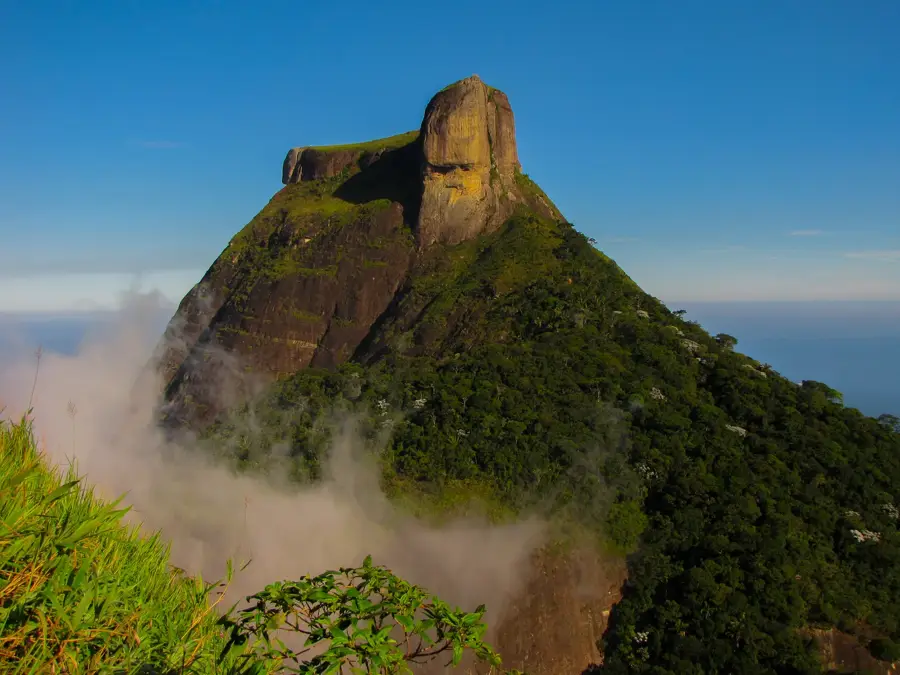
Pedra da Babilônia🌿 nature

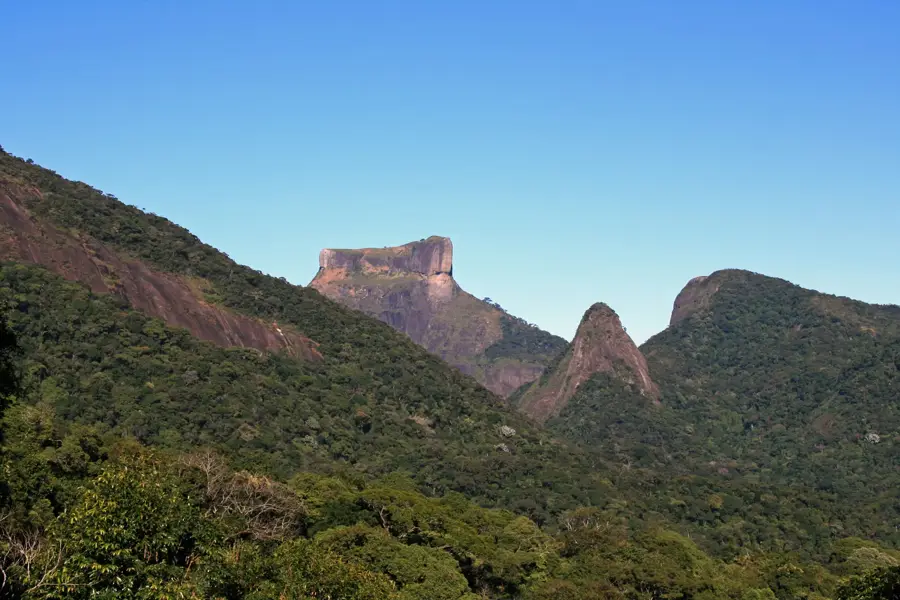
This steep rocky peak has striking views and is famous for the animated favela situated on its hillside.

Nave do conhecimento e museu da Cidade Olímpica e paralímpica🏛 museum

An interactive museum documenting Rio's Olympic history and urban modernization.

🕒 Tu-Sa 09:00-21:00; Su 09:30-16:30

Sights nearby

Frequently asked questions

Can you visit the Maracanã stadium?
Yes, there are daily tours covering the locker rooms, press room, and the pitch side.
How long does a stadium tour last?
A standard tour lasts about 40 to 60 minutes.
Are there tours on match days?
On match days, tours usually end a few hours before kickoff.
Where can I buy tickets for matches?
Tickets can be purchased online or at the stadium's box offices.
How do you get to the stadium?
The Metro Line 2 (Maracanã station) is the fastest way.
Maracanã Stadium: where is it located?
Maracanã Stadium is located in Brazil.
Maracanã Stadium: what is there to see?
Highlights include Train Museum, Basílica do Imaculado Coração de Maria, G.R.E.S. Unidos de Vila Isabel.
Maracanã Stadium: when is the best time to visit?
The most pleasant time to visit is Jun, Aug.
Maracanã Stadium: why is it worth visiting?
The Maracanã Stadium in Rio de Janeiro, officially Estádio Jornalista Mário Filho, was built for the 1950 FIFA World Cup.
View on map → The Top 50 Attractions → OpenStreetMap →
South America
Explore with Plizio Discover more places in South America
More places in Brazil →

Nearby cities

History & landmarks

More places