Plizio Visual Lab

Gaume Cuesta

Plizio editorial teamData Sources
Mountain
—°1
Gaume Cuesta (Belgium)

Weather…

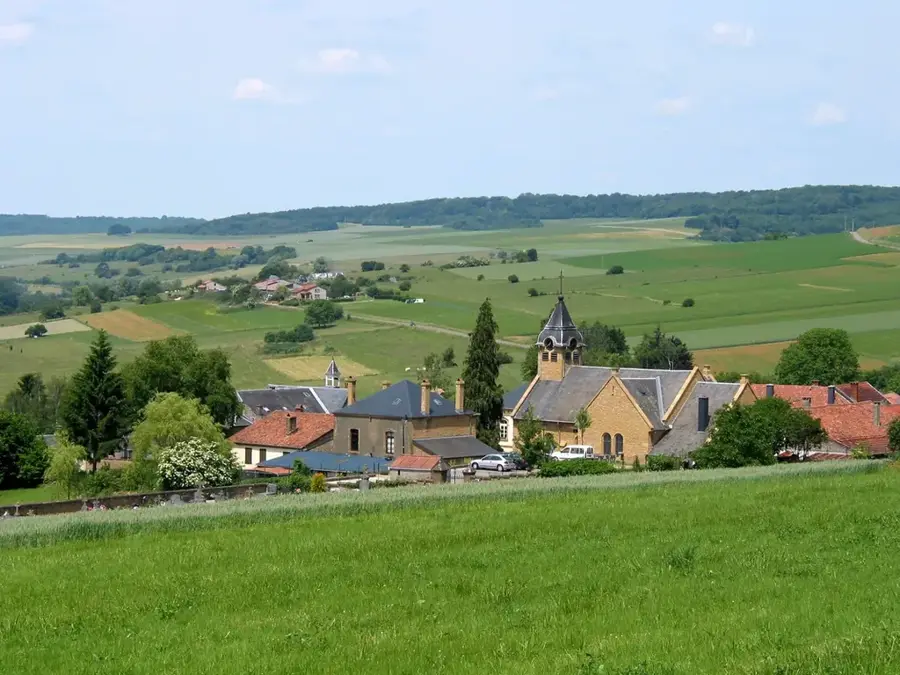
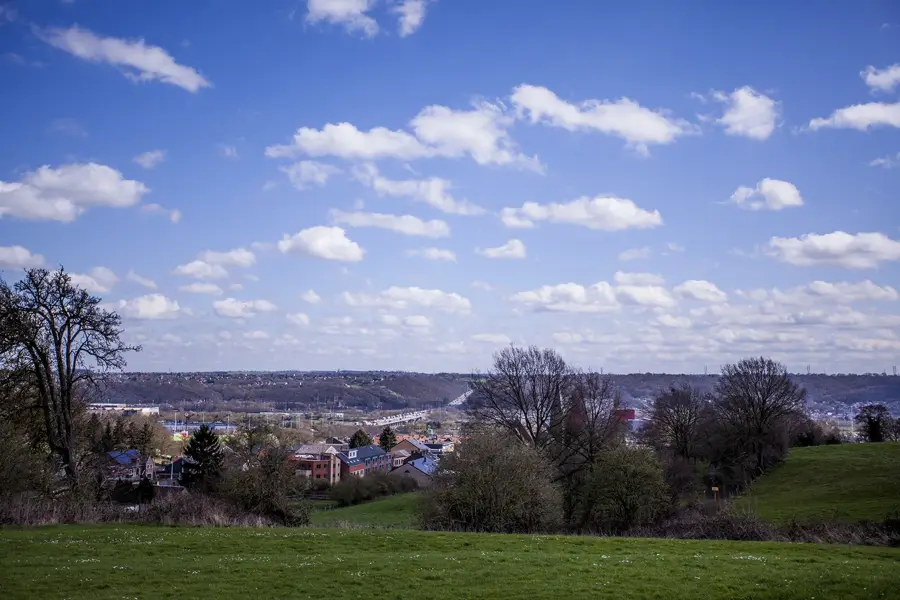
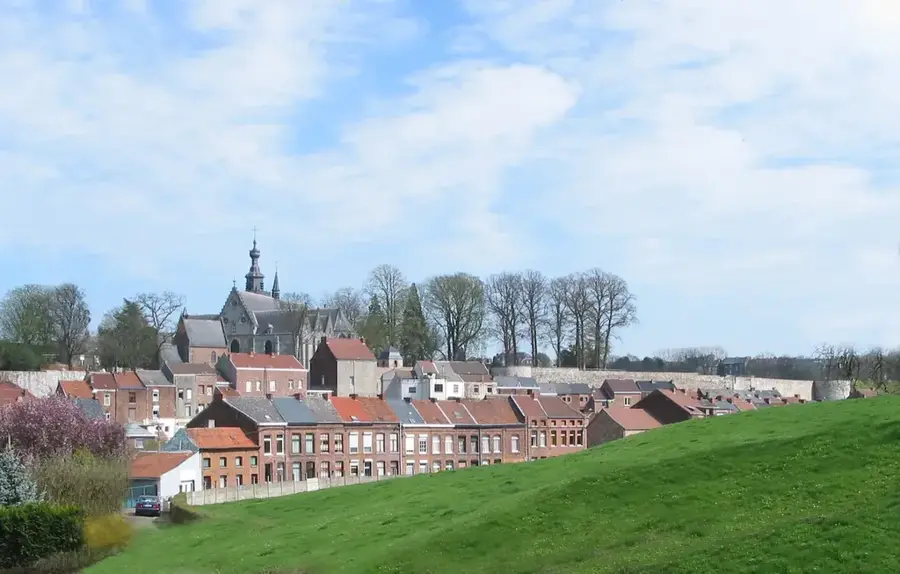
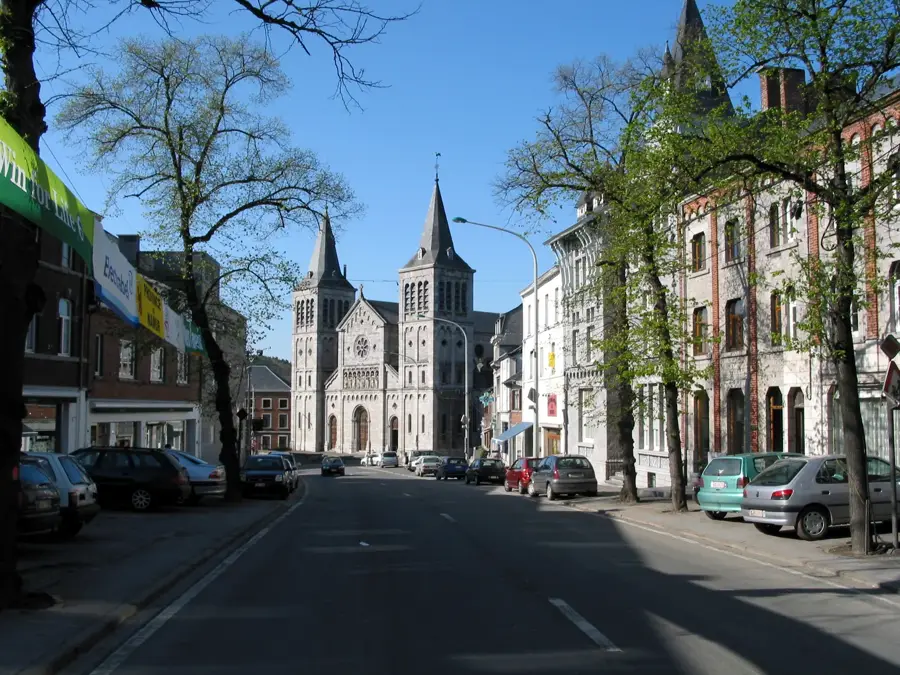
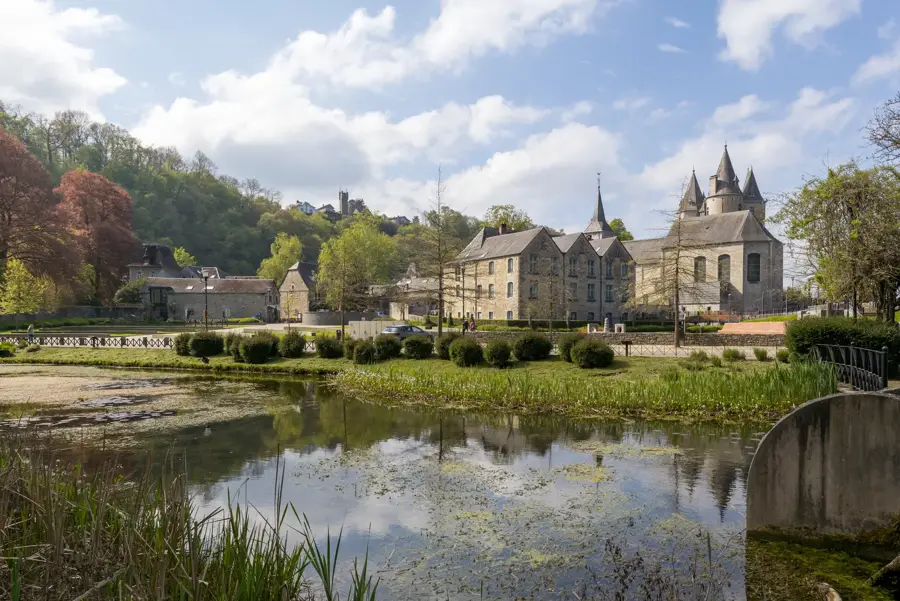
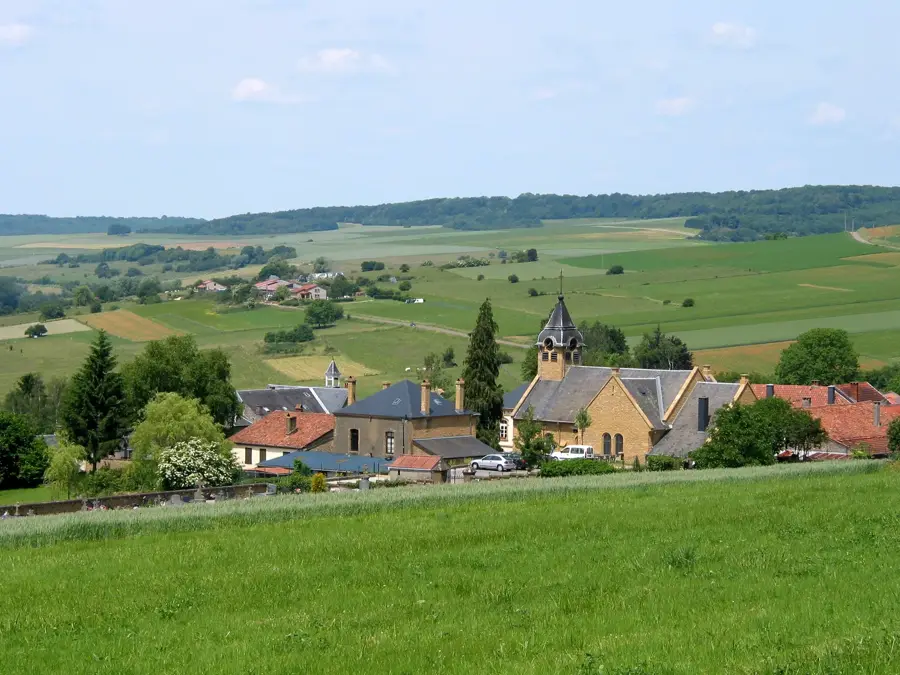
The Gaume Cuesta is a characteristic cuestas landscape in the far south of Belgium, in the Belgian Lorraine region. This geomorphological formation consists of three parallel ridges created by the differential erosion of alternating hard limestone and soft sandstone or clay layers dating from the Jurassic period. The northern slopes are gentle, while the southern faces often rise steeply, a classic feature of cuestas. The Gaume region is noted for its milder microclimate compared to the Ardennes to the north, which favors agriculture and even local viticulture. Geologically, it is closely connected to the Paris Basin. Historically, the area's iron ore deposits made it an early site for the iron industry. Today, Gaume is famous for its photogenic villages like Torgny, often referred to as the 'Belgian Provence,' and for the rich biodiversity found in its calcareous grasslands. The preservation of this unique cultural landscape is supported by several nature conservation projects.

Best time to visit & climate

The most pleasant time to visit is Jun–Aug.

JanFebMarAprMayJunJulAugSepOctNovDec
Avg °C115913161918141052
Rain mm786665507370697758717589

📋 Practical info

🧭
Getting there
This geologically interesting stepped landscape in southern Belgium is typically best accessed via the regional road network of Gaume. Most visitors generally approach these characteristic hills starting from the small, photogenic villages scattered nearby.
📅
Best season
Thanks to the region's somewhat milder microclimate, this landscape is typically a wonderful destination almost all year round. However, spring and early autumn are generally considered the most pleasant and rewarding seasons for extensive hikes.
⛰️
Terrain & paths
The distinct geological features create a very unique, terraced topography here. Hikers must typically be prepared for trails that run relatively flat across the steps and then suddenly climb somewhat steeply up the next structural layer edge.
🎒
What to bring
Due to the frequently stepped and quite uneven terrain, good hiking boots are generally considered essential. Trekking poles can typically be a valuable aid here to help protect your joints during the frequent, albeit rather short, ascents and descents.
🅿️
Parking
Parking is usually found within the villages located directly at the foot or on the high plateaus of the steps. Visitors can typically drive quite close to the interesting geological formations before setting off to explore the area completely on foot.
⚠️
Safety
Caution is typically advised when nearing the edges of the geological steps, as they can occasionally drop off rather unexpectedly. During rain, the natural trails on the sloping sections generally become quite slippery, demanding your heightened attention.
⏱️
Time needed
To truly appreciate the unique characteristics of this Cuesta landscape, many visitors generally spend two to three hours hiking across the terraces. Those wishing to climb multiple structural layers typically find themselves spending a very active half-day here.

Geography

Coordinates
49.60000, 5.50000

Facts

  • There are three distinct Jurassic cuesta ridges in the Gaume region.
  • The highest elevation in the region is approximately 400 meters.
  • Torgny is the southernmost village in Belgium and is known for its vineyards.
  • The geological layers belong to the Bajocian, Sinemurian, and Virtonian stages.
  • The iron industry flourished here as early as the 17th and 18th centuries.
  • The microclimate supports plant species typically found in the Mediterranean region.

Explore nearby

Notable places around
Route planner — Car & Motorhome

Where do you start? We build the route here, with stops and country notes along the way.

Vehicle
Only stops with (optional):

© OpenStreetMap contributors · OpenRouteService

Sights in the town Gaume Cuesta (1)

Cercle Musical🎭 culture

A local theatre and cultural meeting point in Gaume Cuesta.

Sights nearby

Frequently asked questions

What is a 'Cuesta'?
A cuesta is a ridge with a gentle slope on one side and a steep slope on the other, typical of the Gaume region.
Why is the Gaume also called 'Belgian Lorraine'?
Because of its milder microclimate and geological similarity to the neighboring French region of Lorraine.
What is the most important attraction in the Gaume?
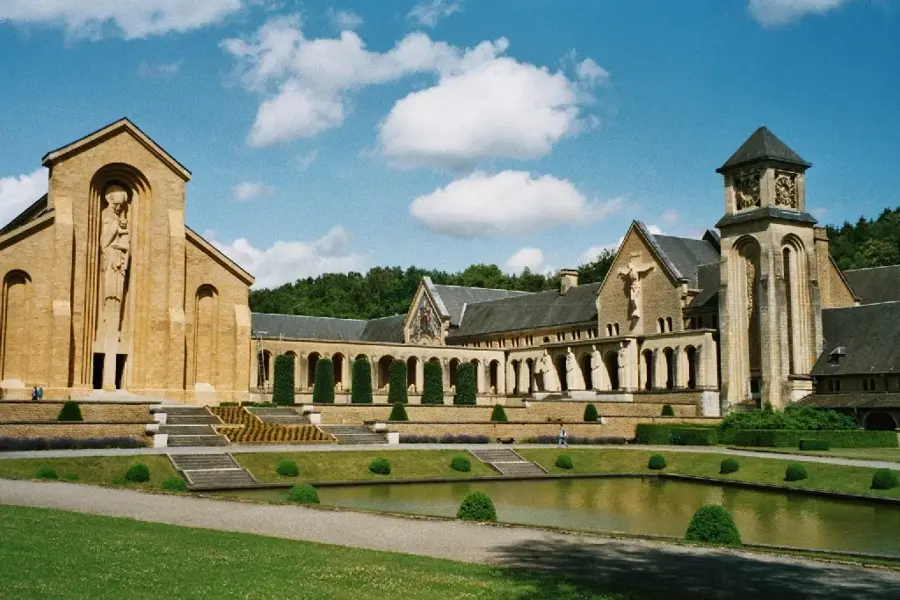
The ruins of Orval Abbey and its brewery are the most famous destinations in the region.
What language is spoken in the Gaume?
The main language is French, but there is also a local dialect called 'Gaumais'.
Is the region suitable for hiking?
Yes, the varied landscape of forests and limestone hills provides many beautiful hiking trails.
Gaume Cuesta: where is it located?
Gaume Cuesta is located in Belgium.
Gaume Cuesta: when is the best time to visit?
The most pleasant time to visit is Jun, Aug.
Gaume Cuesta: why is it worth visiting?

The Gaume Cuesta is a characteristic cuestas landscape in the far south of Belgium, in the Belgian Lorraine region.
View on map → The Top 50 Attractions → OpenStreetMap →
Europe
Explore with Plizio Discover more places in Europe
More places in Belgium →

Nearby cities

History & landmarks