Plizio Visual Lab
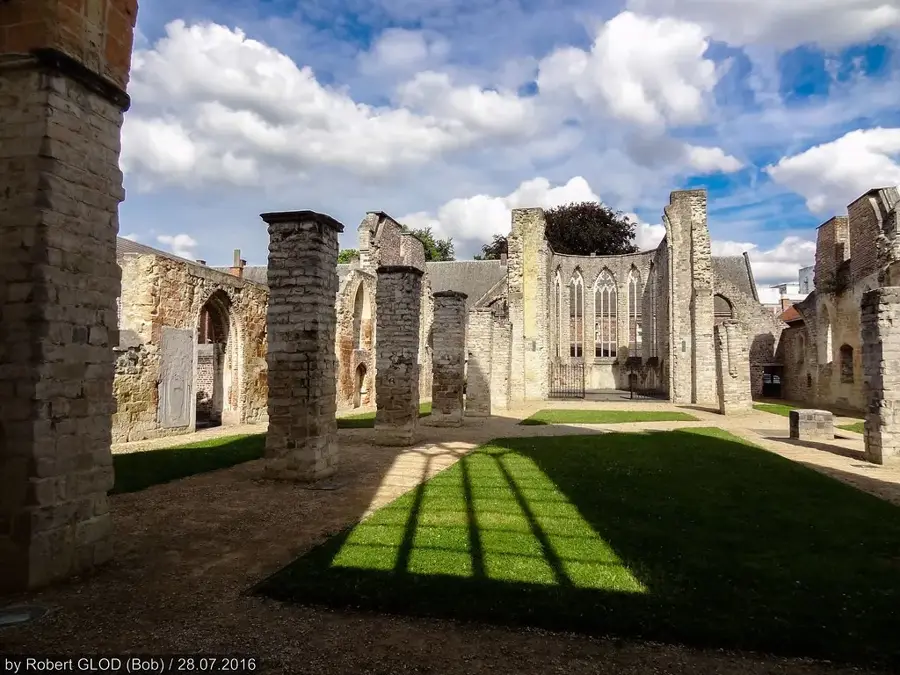
Abbey of Florennes (ruins)

Weather…
Water temperature…
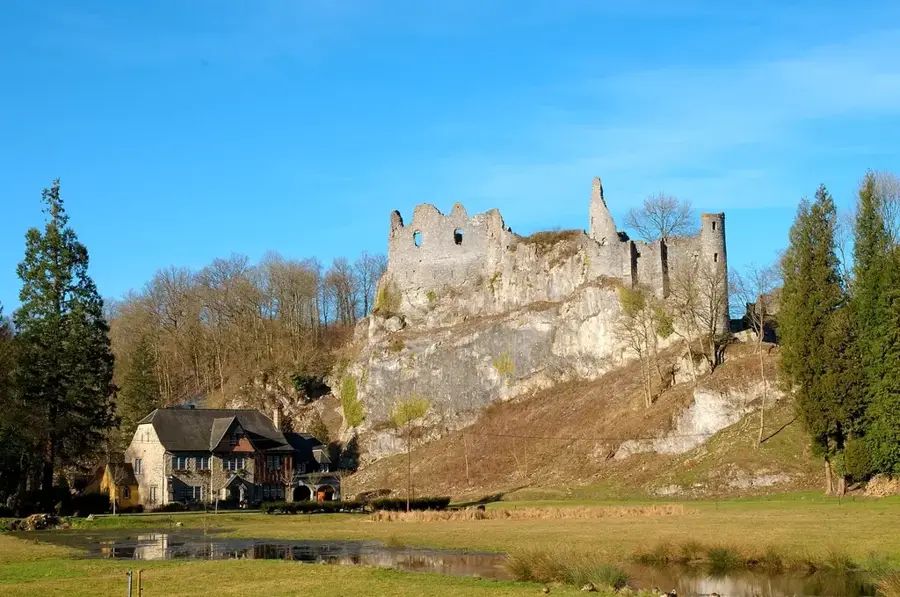
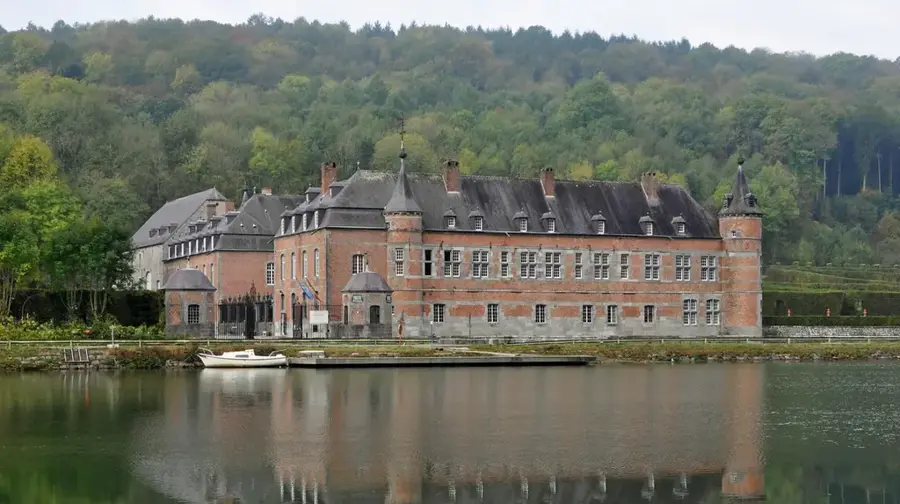
The ruins of the Abbey of Florennes stand as a silent testament to a once-prominent religious institution founded around 1027 in the province of Namur. Dedicated to Saint Gengulphus, the abbey played a pivotal role in the spiritual and administrative governance of the region between the Sambre and Meuse rivers. Over the centuries, the monastery enjoyed periods of immense wealth but also suffered from frequent raids due to its strategic location near fluctuating borders. The upheaval of the French Revolution in the late 18th century eventually led to the permanent dissolution of the Benedictine community and the secularization of its lands. Today, only atmospheric fragments remain of the former architectural grandeur, including wall sections of the abbey church and parts of the monastic outbuildings. Archaeological excavations on the site have yielded significant insights into medieval cloistered architecture and contemporary burial practices. Now preserved as a historic monument, the ruins provide a evocative space for reflection on the rise and fall of medieval monastic power.
- Location: Belgium
- Nearby: Walcourt (15 km)
Best time to visit & climate
The most pleasant time to visit is Jun–Aug.
| Jan | Feb | Mar | Apr | May | Jun | Jul | Aug | Sep | Oct | Nov | Dec | |
|---|---|---|---|---|---|---|---|---|---|---|---|---|
| Avg °C | 2 | 3 | 6 | 9 | 13 | 16 | 18 | 18 | 14 | 11 | 6 | 3 |
| Rain mm | 70 | 63 | 59 | 42 | 61 | 65 | 72 | 78 | 53 | 62 | 70 | 79 |
📋 Practical info
Geography
Facts
- The abbey was founded in 1027 by Gerard of Florennes
- It was dedicated to Saint Gengulphus, an 8th-century martyr
- The monastery was dissolved and nationalized in 1796
- The site is located in the province of Namur in southern Belgium
- Archaeological evidence shows the site was inhabited since Roman times
- Only the foundations and parts of the service buildings remain today
Explore nearby
Notable places around

Route planner — Car & Motorhome
Where do you start? We build the route here, with stops and country notes along the way.
© OpenStreetMap contributors · OpenRouteService
Sights in the town Abbey of Florennes (ruins) (1)
Sights nearby
Frequently asked questions
Are there still ruins of Florennes Abbey?
Can the site be visited freely?
Which order did the abbey belong to?
When was the abbey destroyed?
Is there information about the history on site?
Abbey of Florennes (ruins): where is it located?
Abbey of Florennes (ruins): when is the best time to visit?
Abbey of Florennes (ruins): why is it worth visiting?

Nearby cities