Plizio Visual Lab
Polatsk Lowland
Weather…
Water temperature…
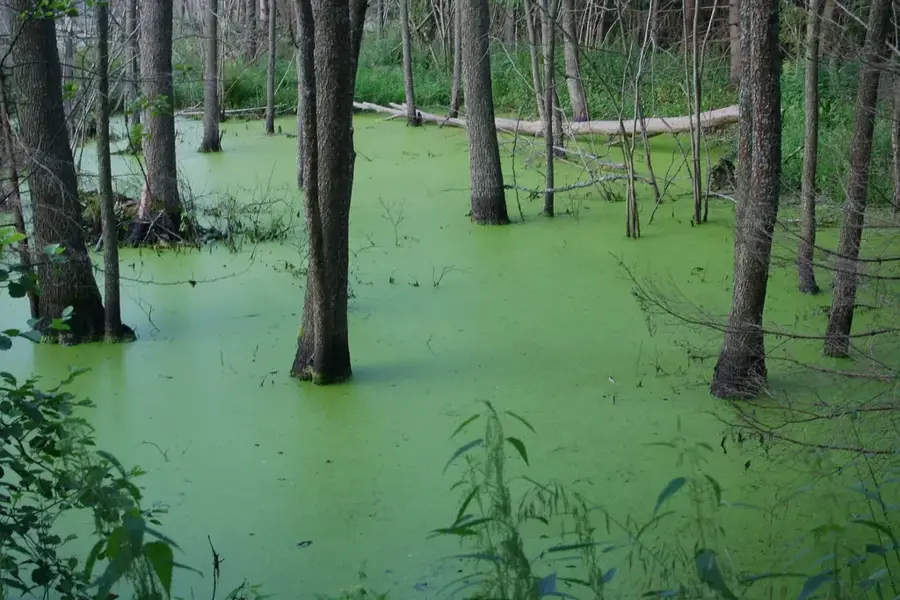
The Polatsk Lowland occupies a vast geological depression in northern Belarus, standing as one of the most prominent remnants of the last Ice Age. Approximately 14,000 years ago, this wide basin served as the bottom of a gigantic proglacial meltwater lake formed along the margin of the retreating Valdai ice sheet. With an average elevation of merely 130 to 140 meters above sea level, the relief is exceptionally level, frequently interrupted by extensive wetlands and dense pine and spruce forests. The subsoil is heavily dominated by thick, impermeable layers of varved clays and fine lacustrine sands; this geology severely retards natural drainage, fostering the formation of numerous raised bogs and shallow lakes. The regional hydrosystem is centrally defined by the Western Dvina River and its myriad tributaries, which meander sluggishly across the flat landscape. Due to the heavy, waterlogged soils and the cooler northern climate, agricultural use is highly restricted, turning the region into a crucial sanctuary for rare wetland ecosystems and boreal wildlife.
- Location: Belarus
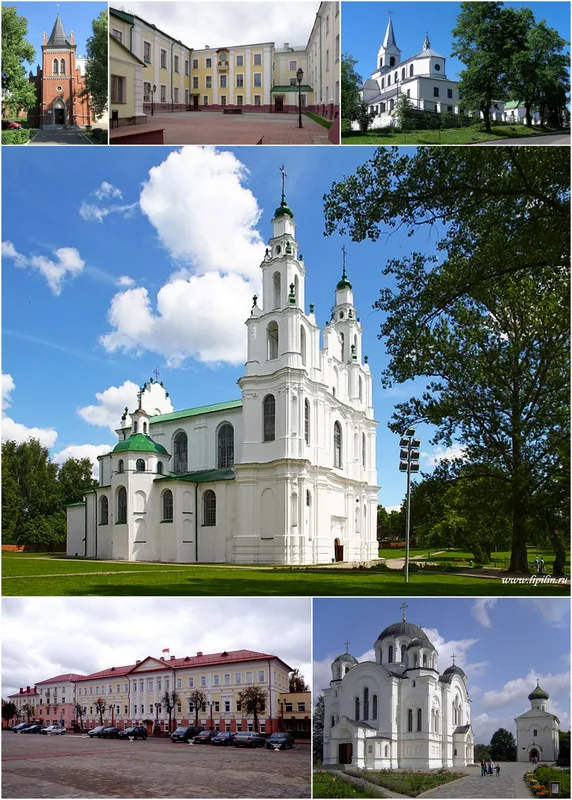
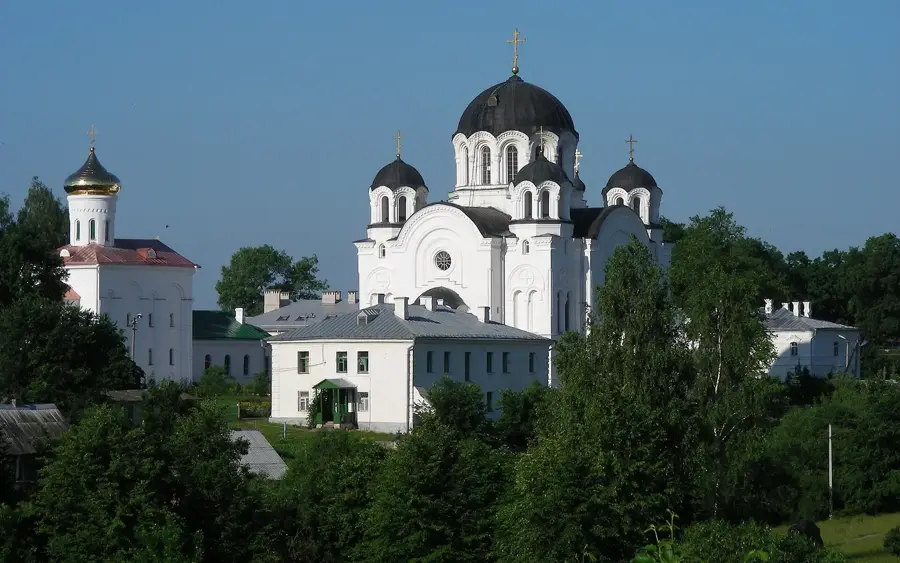
- Top sights: Convent of Saint Euphrosyne · Children's Museum · Museum of Traditional Hand Weaving of Poozerje
- Nearby: Novopolotsk (10 km)
Best time to visit & climate
The most pleasant time to visit is Jun–Aug.
| Jan | Feb | Mar | Apr | May | Jun | Jul | Aug | Sep | Oct | Nov | Dec | |
|---|---|---|---|---|---|---|---|---|---|---|---|---|
| Avg °C | -8 | -7 | -2 | 6 | 12 | 16 | 19 | 17 | 12 | 5 | 0 | -5 |
| Rain mm | 56 | 47 | 47 | 52 | 81 | 84 | 104 | 88 | 62 | 77 | 65 | 56 |
📋 Practical info
Geography
Explore nearby
Notable places around

Route planner — Car & Motorhome
Where do you start? We build the route here, with stops and country notes along the way.
© OpenStreetMap contributors · OpenRouteService
Sights in the town Polatsk Lowland (3)
Children's Museum🏛 museum
Children's Museum in Polotsk with interactive exhibits.
Museum of Traditional Hand Weaving of Poozerje🏛 museum
Museum of traditional hand weaving from the Poozerje region.
Sights nearby
Frequently asked questions
What is the Polatsk Lowland?
What is the landscape like there?
Are the areas inhabitable?
When is it most beautiful there?
Are there bogs there?
Polatsk Lowland: where is it located?
Polatsk Lowland: what is there to see?
Polatsk Lowland: when is the best time to visit?
Polatsk Lowland: why is it worth visiting?

Nearby cities